

What is new for Northwoods Drifter in 2026
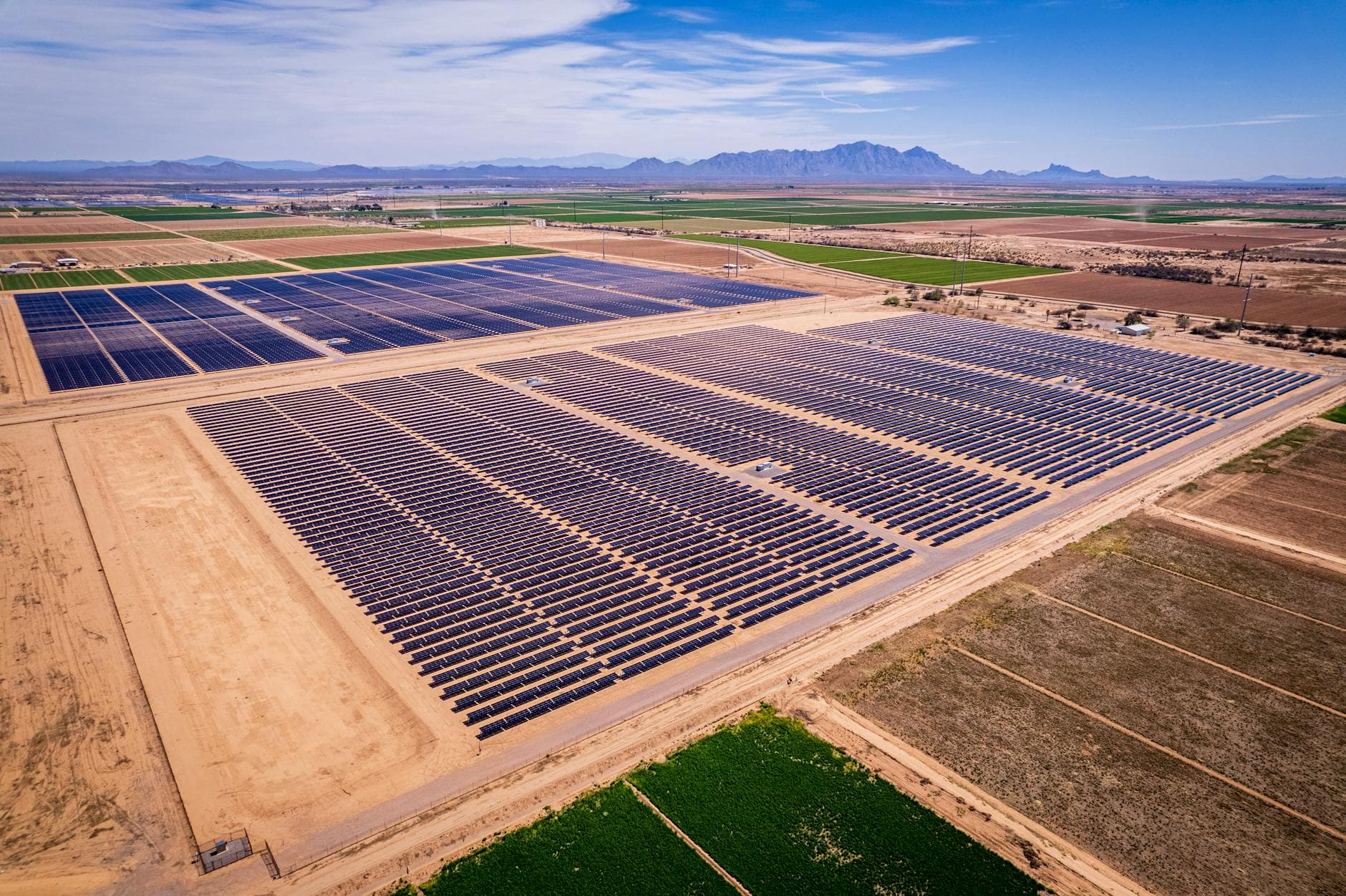
In the Town of Rome, where summer brings thousands of ATV riders and winter shrinks the population back to 3,200 hardy souls, a fight is brewing over what could be one of Wisconsin’s largest solar developments. NextEra Energy wants to clear-cut 2,000 acres of red pine forest and replace it with solar panels and a massive battery storage facility.
The company says it’ll bring jobs and tax revenue. Locals say it’ll gut their way of life.
At town hall meetings packed with residents holding homemade signs, the message has been clear: Rome doesn’t want this project. But with Wisconsin’s Public Service Commission holding final approval authority, many wonder if their voices even matter.
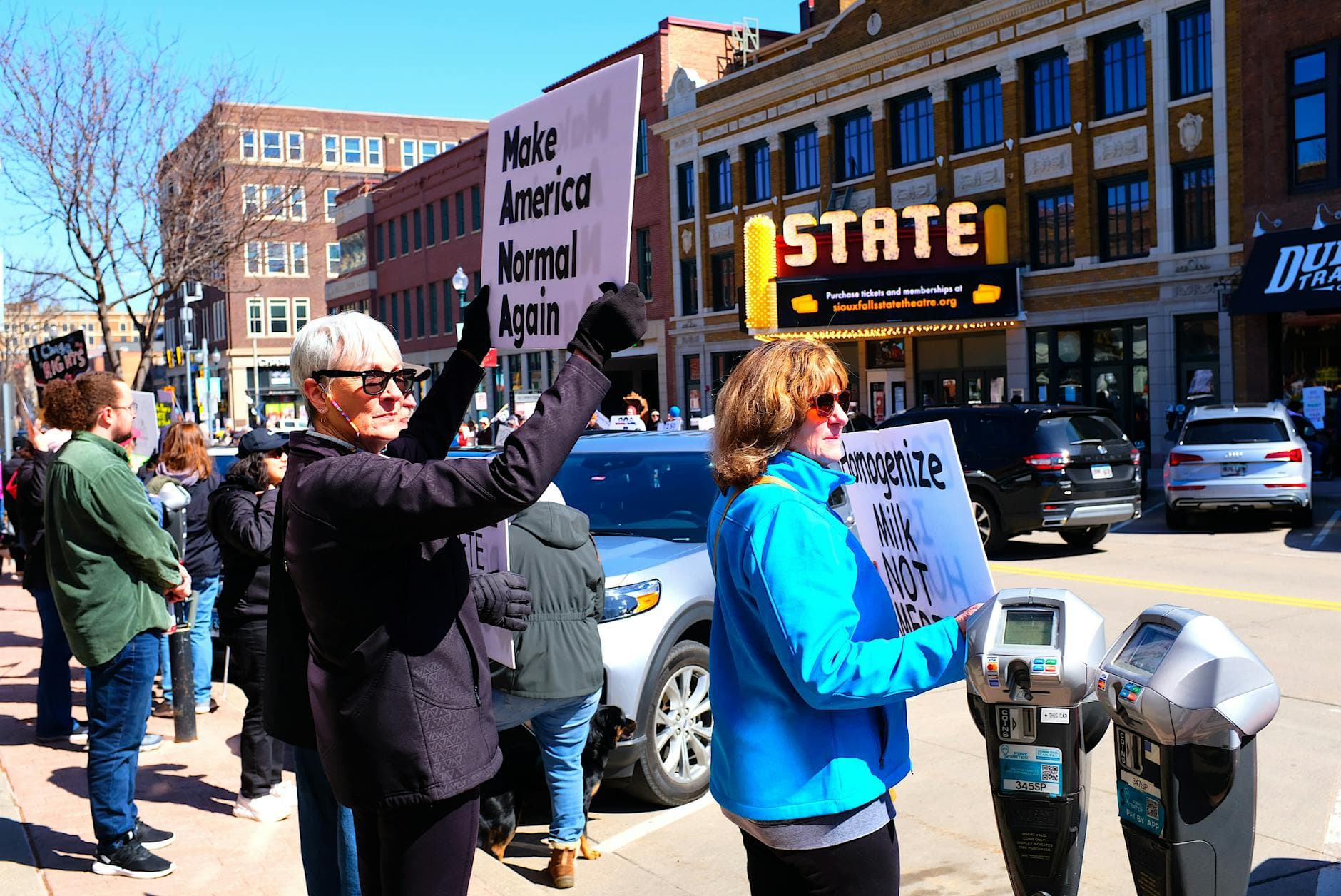
NextEra Energy Resources — a Florida-based subsidiary of the world’s largest utilities holding company — has leased land from Meteor Timber just north of town. The Akron Solar project would span Adams and Wood counties, with the bulk sitting in Rome.
We’re talking about 200 megawatts of solar capacity across those 2,000 acres, enough to power roughly 38,000 homes. The plan also includes a 200-megawatt battery storage complex to bank energy for when the sun isn’t shining.
That land isn’t just sitting empty, though. It’s Managed Forest Law (MFL) property — forest set aside for sustainable logging that locals use for hunting, foraging, nature walks, and wildlife habitat. About 30% of Rome’s total MFL land would disappear under this project.
The clear-cutting would also disrupt ATV, UTV, and snowmobile trails that draw visitors year-round. Town Chairman Carl Hasdal puts it bluntly: locals feel “locked out” of a decision that’ll reshape their community for decades.
If you’ve been to a Rome town meeting lately, you’ve probably heard about the 200-megawatt battery storage facility. That’s where a lot of anxiety lives.
Residents point to a 2024 fire at a similar battery complex in Moss Landing, California, which burned for seven days. Hazmat teams responded. Toxic metals were detected in the smoke. Rome’s volunteer fire chief, Mark Kane, notes that lithium fires have to burn through their fuel — you can’t just put them out.
“We don’t have that, we don’t have those resources,” says Carl Hasdal, referring to the specialized equipment needed to fight large-scale battery fires.
Since 2011, there’ve been over 100 dangerous battery system failures globally. Rome sits in one of Wisconsin’s most wildfire-prone areas, which amplifies concerns about whether a small volunteer department could handle a worst-case scenario.
NextEra has downplayed these risks in filings with the PSC, calling some resident concerns “fearmongering.” The company insists modern battery systems have multiple safety features. But Lynn Markham, a UW-Extension land use specialist who’s studied solar for 30 years, acknowledges the gap: “We need some standards for large battery storage. We don’t have any standards for that.”
Rome’s economy runs on recreation. Summer brings trail riders, anglers heading to nearby lakes, and golfers teeing off at Sand Valley. Winter means snowmobilers cutting through the pines.
Residents like Tim Schumacher worry that replacing forest views with solar arrays will change what people come here for. “This is something that we’re all looking at, all the time,” he says. Property values, tourism revenue, and the rural character that defines the Northwoods — all feel at risk.
NextEra counters with economic promises: 450 construction jobs and $1 million in annual tax revenue. For a small town, that’s real money. Across Wisconsin, solar farms on unproductive farmland have created win-win situations where landowners earn lease income while still preserving rural space.
But Rome’s situation is different. This isn’t marginal cropland — it’s recreational forest that tourists actively use. Jeff Weingart, who chairs the town’s anti-solar ad hoc committee, sums up the local position: “We’re all in support of solar. Just, this is the wrong place for it.”
Here’s where things get frustrating for Rome residents. The town can only participate through public comments in the PSC process. They can’t vote to reject the project outright, despite forming an official opposition committee and gathering over 2,000 petition signatures.
Wisconsin law gives the PSC final say on utility-scale energy projects. Under state statute, if the commission determines a project serves “public convenience and necessity,” it moves forward. Local zoning doesn’t apply.
The track record speaks volumes: the PSC hasn’t rejected a solar farm application in the last five years. Out of 30 applications, all 30 got approved. Similar opposition movements have formed in Plover, Morgan, Maple Creek, and Christina — communities across Wisconsin watching solar developers override local objections.
Town Administrator Karen Derauf doesn’t mince words about the process: “The PSC has approved 30 out of 30 applications. That doesn’t sound like a process that’s working, because it certainly isn’t working here.”
PSC representatives say public comments do matter and can shape conditions attached to approvals. For example, concerns Rome residents raised about wind erosion will reportedly be addressed in the commission’s final decision. But many locals wonder if that’s enough when the fundamental question — whether this project belongs here at all — seems already decided.

NextEra filed its application in April 2025. As of early 2026, Rome remains an active intervenor in the PSC process, meaning they have formal standing to present evidence and cross-examine witnesses. Residents have hired a lawyer and organized research efforts through their ad hoc committee.
The company, meanwhile, has stopped showing up to recent town meetings. Relations between NextEra and the community have soured since 2023, when representatives promised to “be an active participant in the community.” Resident Donna Hasdal captures the disconnect: “Akron has no idea who we are or what we have here.”
A few policy changes could make this process less contentious statewide. Markham suggests requiring energy companies to negotiate with communities first — the same way landfill developers must. Clear standards for battery storage safety, solar farm siting, and decommissioning could also help everyone know what to expect.
For now, Rome’s residents keep showing up, keep speaking out, and keep hoping someone with decision-making power will actually listen. As resident Mark Lubecke puts it: “It doesn’t give us a whole lot of hope. But we won’t quit.”
Whether that persistence can shift the PSC’s 30-0 approval streak remains to be seen. What’s certain is that Rome isn’t backing down without making its voice heard — even if the process feels rigged from the start.
Written by

Mike has been coming up or living in the Northwoods since his childhood. He is also an avid outdoorsman, writer and supper club aficionado.
 News
NewsA Wood County jury acquitted Randall Harris Jr. in his father’s October 2025 death, accepting his self-defense claim after a retrial prompted by prosecutorial errors. The case highlights complex family violence issues in Northwoods communities.
 News
NewsDay 5 of Randall Harris Jr.’s homicide trial focused on family history, with witnesses describing years of violence and substance abuse in a Wisconsin Rapids household.
 News
NewsA Wood County jury acquitted Randall Harris Jr. in his father’s Halloween 2025 death, accepting his self-defense claim after testimony revealed years of family violence in Wisconsin Rapids.
 News
NewsSt. Paul’s United Church of Christ in Wausau has restored its food pantry to weekly Thursday service after community grants and donations helped overcome supply shortages that had forced a temporary cutback.