

What is new for Northwoods Drifter in 2026
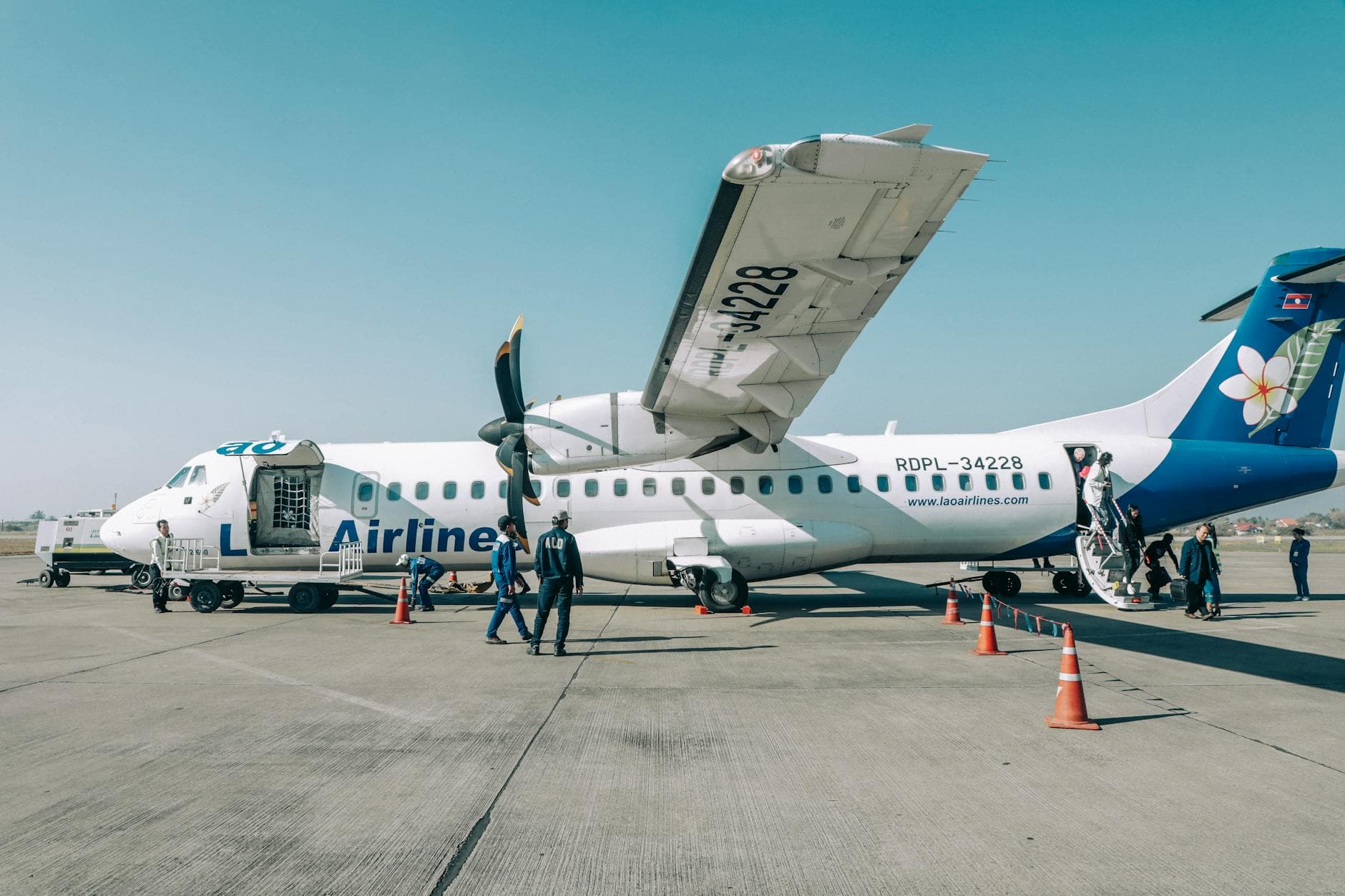
On a spring day in 1976, five Hmong refugees stepped off a plane at Central Wisconsin Airport in Mosinee, carrying memories of war and hopes for a new life. Among them was Nuo Vang Thao, who had carried a rifle at age nine to protect his village in Laos.
Half a century later, Wausau celebrated that arrival with a community gathering that drew local, city, and state leaders. It was, as speakers noted, “a glorious day to be in Wausau.”
The anniversary marked more than just dates on a calendar. It honored resilience, cultural preservation, and the transformation of central Wisconsin’s Northwoods communities.
The story behind Wisconsin’s Hmong community begins in the mountains of Laos during the Vietnam War. The CIA secretly recruited about 30,000 Hmong fighters to disrupt North Vietnamese supply lines in what became known as the Secret War.
Thao was handed a gun at nine years old. “When I was nine years old, I got the gun from the CIA to protect the village — and, also, to fight the war, if any enemy come in,” he recalled at the anniversary celebration.
When U.S. forces withdrew in 1973, the Hmong became targets. As many as 200,000 were killed. Another 150,000 fled to refugee camps in Thailand, uncertain if they’d ever find safety again.
The first five arrivals in Wausau faced a landscape as foreign as the language — pine forests instead of tropical mountains, winter cold that bit deeper than anything they’d known.
But the challenges went beyond weather. “Almost every time we drive, or we stop somewhere, people drive by, give us middle finger, say ‘You’re gonna invade our community, you’re gonna take over our community,'” Nuo Vang Thao remembered.
His son Lah Thao, who organized the 50th anniversary celebration, described the early barriers:
“People didn’t want to rent, and [you’re] looking for jobs and employment, and you got all these language barriers, culture barriers, and you got all these rumors, like, ‘Dogs are missing because we’re hungry.'”
Despite minimal government support, the Hmong community in Marathon County grew through self-reliance and mutual aid. Today, the area hosts Wisconsin’s second-largest Hmong population at over 6,400 residents.
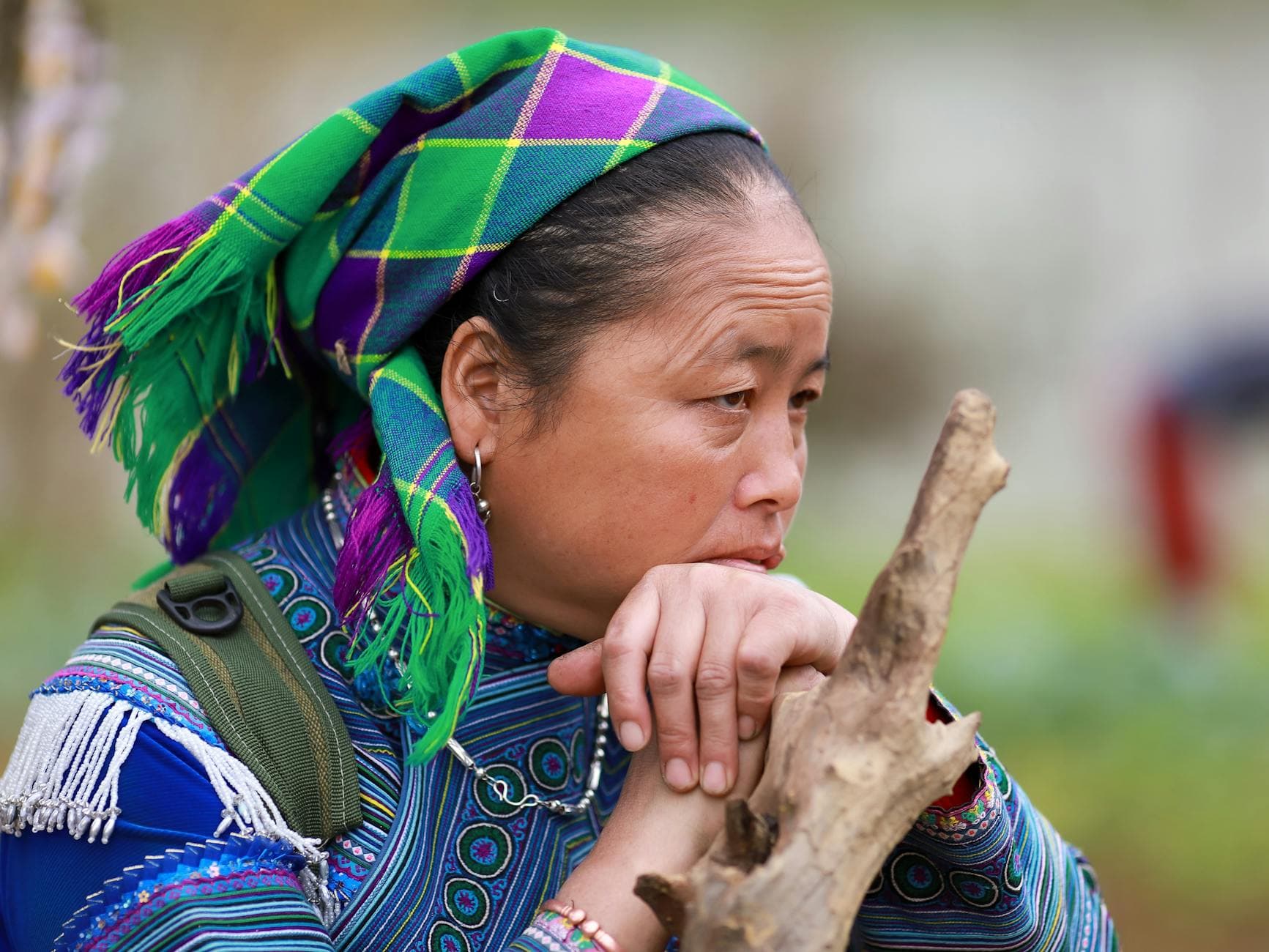
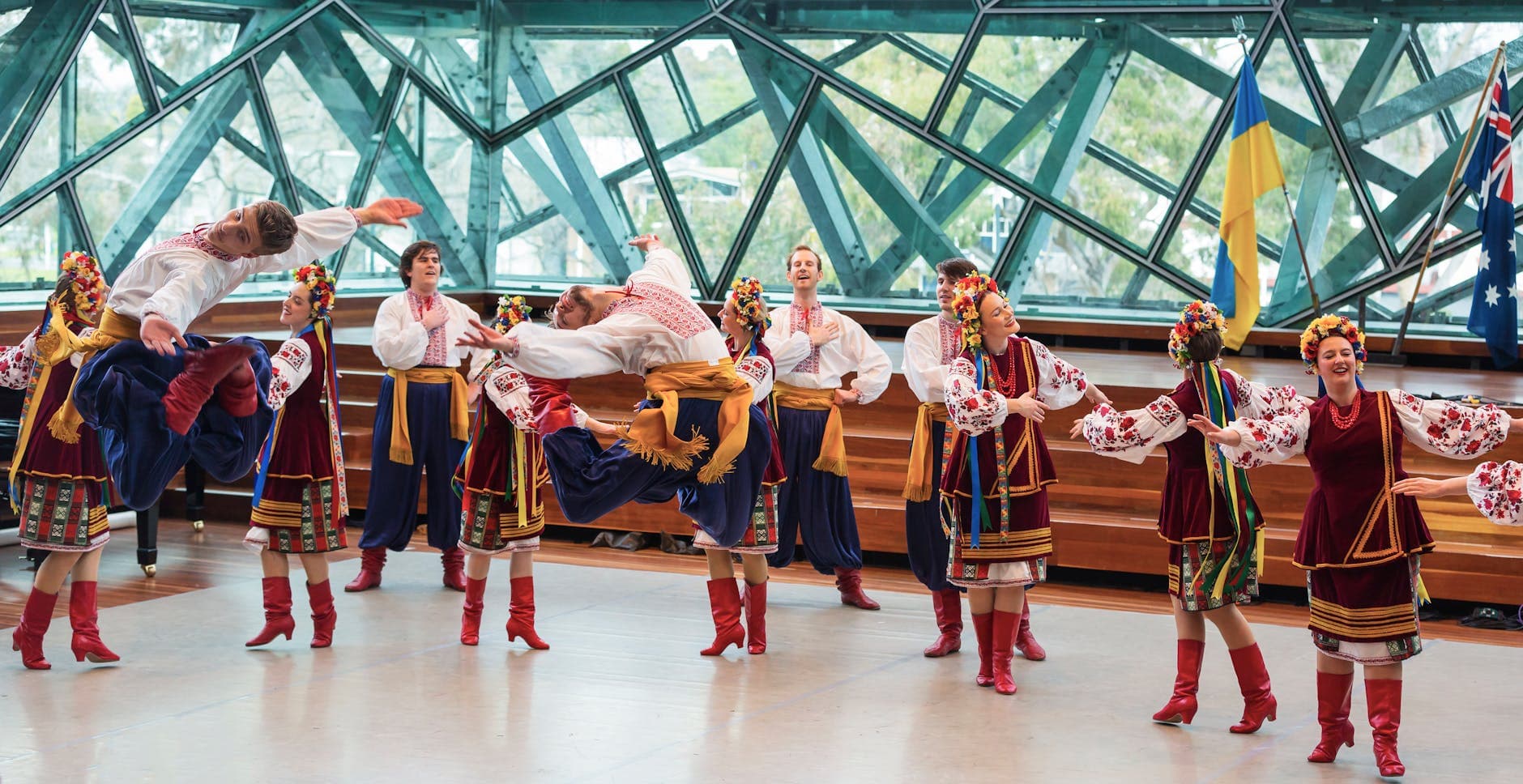
The anniversary celebration at the Central Wisconsin Convention & Expo Center in Rothschild showcased what five decades of cultural persistence looks like. Traditional song and dance filled the halls. Exhibits displayed Hmong history alongside modern contributions to Wisconsin agriculture and state politics.
Rising Son MMA, founded by Lah Thao, gave demonstrations that blend traditional values with contemporary life. UW-River Falls student Angel Lor performed “Tears of the Hmong,” a song capturing history, pain, love, and hope.
What started as a small family party grew into something bigger. “He’s like ‘Lah, are you gonna do a party for me?'” Lah Thao recalled his father asking. “And I’m like, ‘What do you mean?’ And he’s like ‘Well, it’s fifty years,’ and I’m like ‘Ah well, okay, we can do a small party for you.'”
That small party became a day-long celebration with free daytime programming and a ticketed evening banquet honoring community leaders who guided the first generation through an often unwelcoming transition.
Lah Thao says many in central and northern Wisconsin still misunderstand the Hmong refugee experience. Some question why they’re here at all.
Programs like the Hmong Language and Cultural Enrichment Program, started in 2013, work to address gaps and boost success for Hmong youth. These initiatives matter in a state that hosts the third-largest Hmong population in the nation — over 58,000 residents.
The anniversary events partnered with New Beginnings for Refugees to educate attendees on Hmong history. Key aspects of that history include:
The 50th anniversary wasn’t just about looking back. It was about showing what the Hmong community has become in Wisconsin’s Northwoods — farmers, business owners, artists, educators, veterans.
“It’s a powerful message just to say, ‘This is where we were, this is 50 years of what we’ve done and who we’ve become, this is how we’ve influenced the city and how the city has influenced us, the reason we can do what we do today is because of the leaders from before,'” Lah Thao said.
The Wausau Hmong New Year celebration at the Expo Center continues this tradition annually, drawing visitors from across the region to experience traditional food, colorful clothing, music, and tributes to Hmong veterans.
Five refugees landed at a small airport surrounded by pine forests fifty years ago. Today, their descendants and community have woven themselves into the fabric of the Northwoods, enriching it with traditions that crossed an ocean and survived a war.
Written by

Mike has been coming up or living in the Northwoods since his childhood. He is also an avid outdoorsman, writer and supper club aficionado.
 News
NewsRetired Wabeno teacher Betty White turned decades of classroom dreams into published children’s books—and she’s donating every dollar to help animals at Oneida County Humane Society.
 News
NewsVoters in Merrill and Tomahawk shared what mattered most this spring election — from road repairs to leadership that gets results in Lincoln County’s Northwoods communities.
 News
NewsVilas County residents shared divided but candid views on national direction during spring elections, revealing generational splits and economic anxieties shaping local politics in the Northwoods.
 News
NewsWalker’s General Store and Rae’s Barbershop won big at Wisconsin’s Main Street Awards for transforming a storage closet into a thriving community barbershop in downtown Tomahawk.