

What is new for Northwoods Drifter in 2026
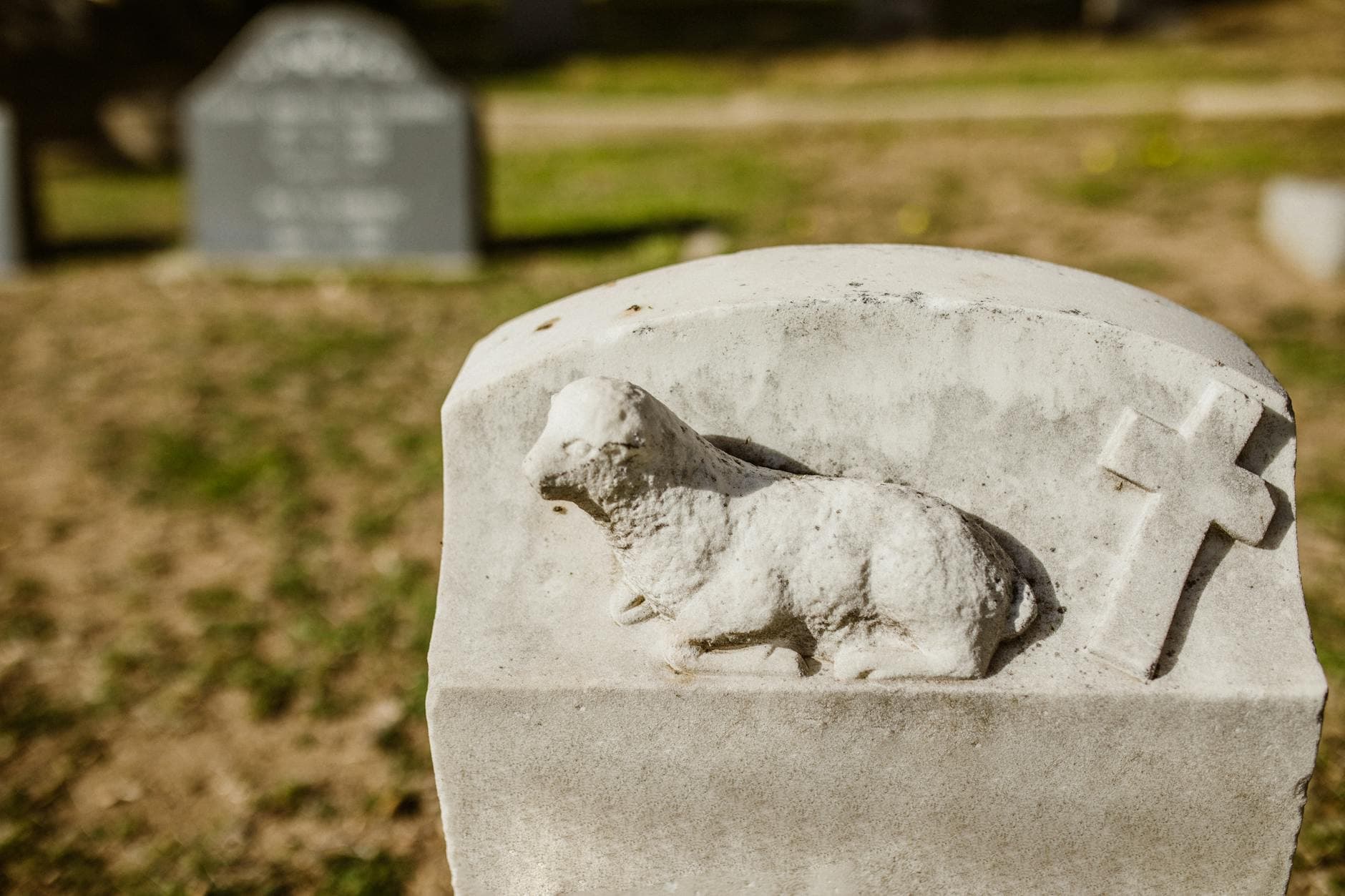
Every fourth Wednesday at ArtStart in downtown Rhinelander, something quietly powerful happens. People facing memory loss pick up paintbrushes alongside their caregivers, creating art that doesn’t require perfect recall — just presence.
The SPARK! Program transforms a bright gallery space into a haven where cognitive decline takes a backseat to creativity. No art experience needed, no expectations beyond showing up.
For Northwoods families navigating the challenges of dementia and Alzheimer’s, these sessions offer something medical appointments can’t: freedom to create without judgment.
Lenore Blemke, who facilitates SPARK! at ArtStart, has watched participants rediscover joy through simple creative acts. A tree painted in unexpected colors. A landscape inspired by gallery pieces lining the walls.
“The whole idea behind SPARK! is to engage creativity and get people to live in the moment. It’s that spark of fun and creativity,” Blemke explains.
The program targets folks with early- to mid-stage memory loss and their care partners. Sessions run 60 to 90 minutes, mixing gallery inspiration with hands-on painting time.
Research from Americans for the Arts backs what facilitators see firsthand: craft-based art forms decrease the risk of developing cognitive impairment as we age. The act of choosing colors, moving a brush across canvas, deciding where that pine tree should go — these decisions keep neural pathways active.
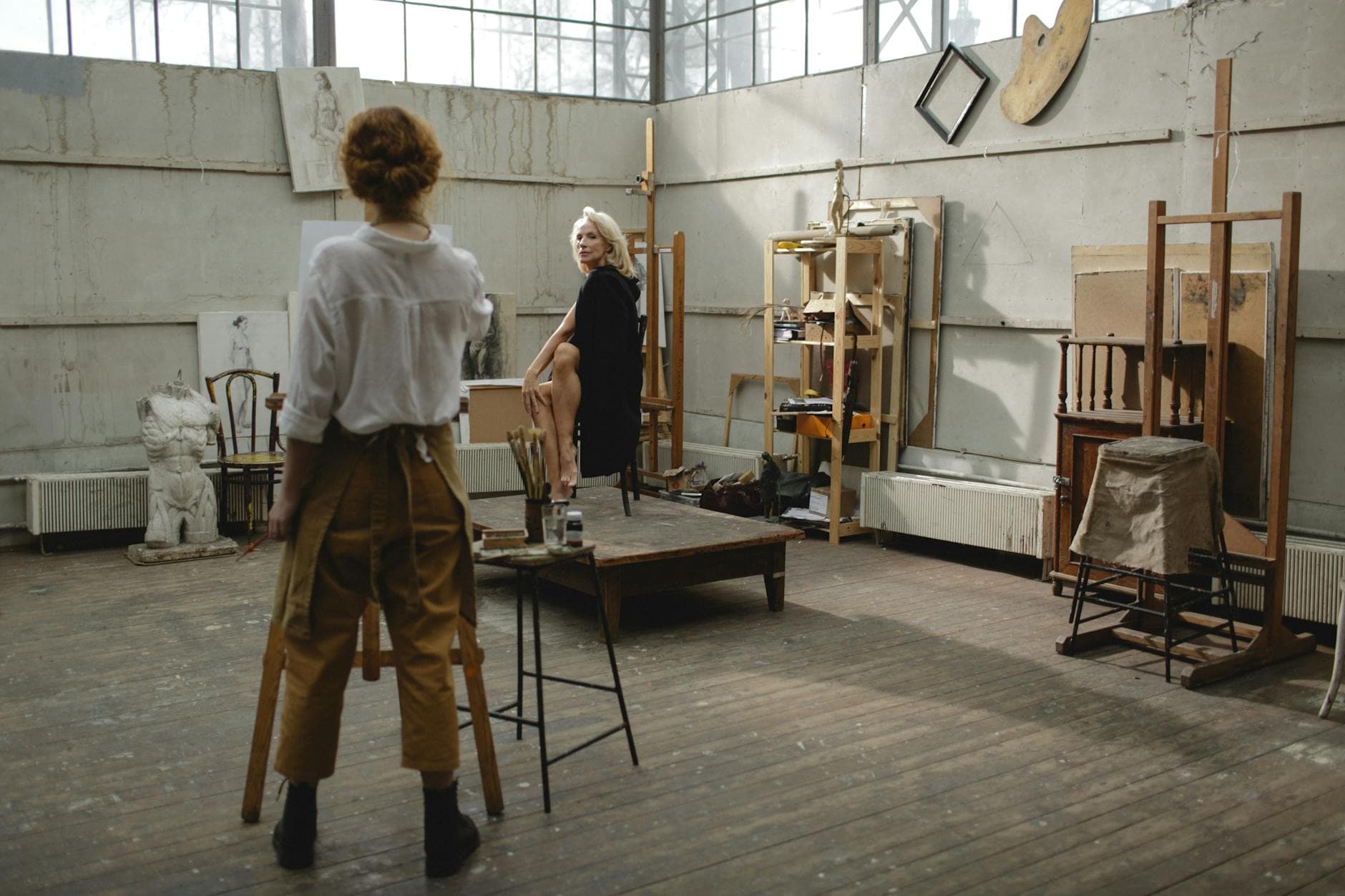
Walk into ArtStart’s historic building at 68 Stephens Street on a SPARK! Wednesday and you’ll find coffee brewing, donuts waiting, fresh flowers on tables. The socialization matters as much as the painting.
Some participants have been coming for over two years. Others nervously attend their first session, unsure what to expect.
“There’s no expectations, no one needs to be an artist,” Blemke emphasizes. “They just come in and chat and have fun.”
In rural Northwoods communities where long winters can intensify isolation, these monthly gatherings combat the loneliness that often accompanies memory loss. Caregivers — often spouses or adult children carrying heavy emotional loads — find peer support among others walking the same difficult path.
The program’s design is intentional. Trained facilitators adapt activities to each person’s abilities, prioritizing joy over memory recall. The goal isn’t to fix or cure, but to create moments of control and creative freedom.

Founded in 2011, ArtStart has grown from a scrappy nonprofit into a cornerstone of Rhinelander’s health and wellness landscape. The organization partners with Marshfield Clinic, the Oneida County Aging and Disability Resource Center, and national arts-health research initiatives.
Their philosophy? Art isn’t just decoration — it’s medicine for community wellbeing.
Beyond SPARK!, ArtStart runs programs addressing youth mental health, suicide prevention training, and senior engagement in care facilities. They’ve launched public art projects aimed at combating the isolation that plagues rural areas with harsh winters and limited social infrastructure.
For memory loss families specifically, ArtStart offers:
The model works particularly well in the Northwoods, where healthcare services can be sparse and families often manage complex conditions with limited local resources.
Consider the reality for families in Vilas, Oneida, and surrounding counties. Winter stretches long. Specialized medical care often requires drives to Wausau or Duluth. Social opportunities shrink when mobility and cognition decline.
Traditional memory care facilities can feel institutional. Support groups, while valuable, focus on challenges rather than capabilities.
SPARK! flips that script. Participants aren’t defined by what they’re losing, but by what they can still create. A caregiver exhausted from managing medications and doctor appointments gets to sit beside their loved one, both simply enjoying color and conversation.
“Doing art is really good for people with cognitive disabilities,” Blemke notes. The same principles that help kids with behavior challenges — creative expression, sensory engagement, present-moment focus — provide relief for adults facing memory loss.

SPARK! sessions happen every fourth Wednesday at ArtStart’s downtown Rhinelander location. The program is free, though preregistration is necessary due to space limits.
You don’t need to prove a diagnosis or bring medical records. If you or someone you care for is experiencing memory changes, you’re welcome. Care partners, family members, and friends can participate alongside their loved ones.
ArtStart also offers other mental health and wellness programs throughout the month, from suicide prevention training to sober social events. Their “Push Against Loneliness” initiative weaves art into the broader fabric of Northwoods community health.
For families watching a loved one drift further from the present, these painting sessions offer an anchor. Not to the past, but to right now — the brush moving, the colors mixing, the quiet satisfaction of creating something new.
Contact ArtStart at 715-362-4328 or visit their facility at 68 Stephens Street in downtown Rhinelander. Sometimes the best medicine doesn’t come in a bottle. Sometimes it comes with a paintbrush.
Written by

Mike has been coming up or living in the Northwoods since his childhood. He is also an avid outdoorsman, writer and supper club aficionado.
 News
NewsWausau is hiring a new city clerk after Kaitlyn Bernarde’s resignation ends a four-year tenure managing elections, records, and daily operations at the heart of central Wisconsin’s government hub.
 News
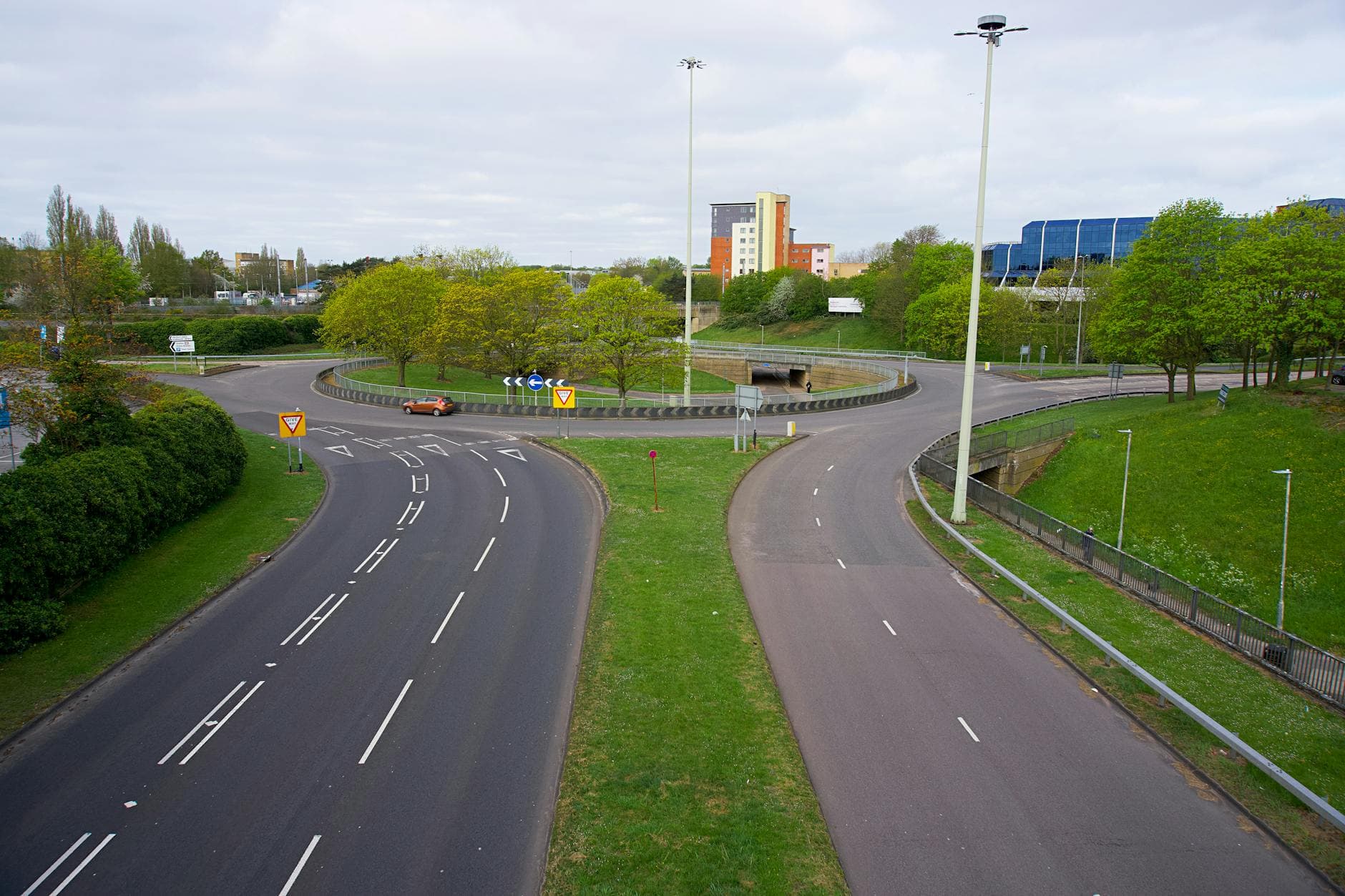
NewsWisDOT will replace two Highway 8 stoplights in Rhinelander with roundabouts starting in April, bringing safety improvements and smoother traffic flow after months of construction detours.
 News
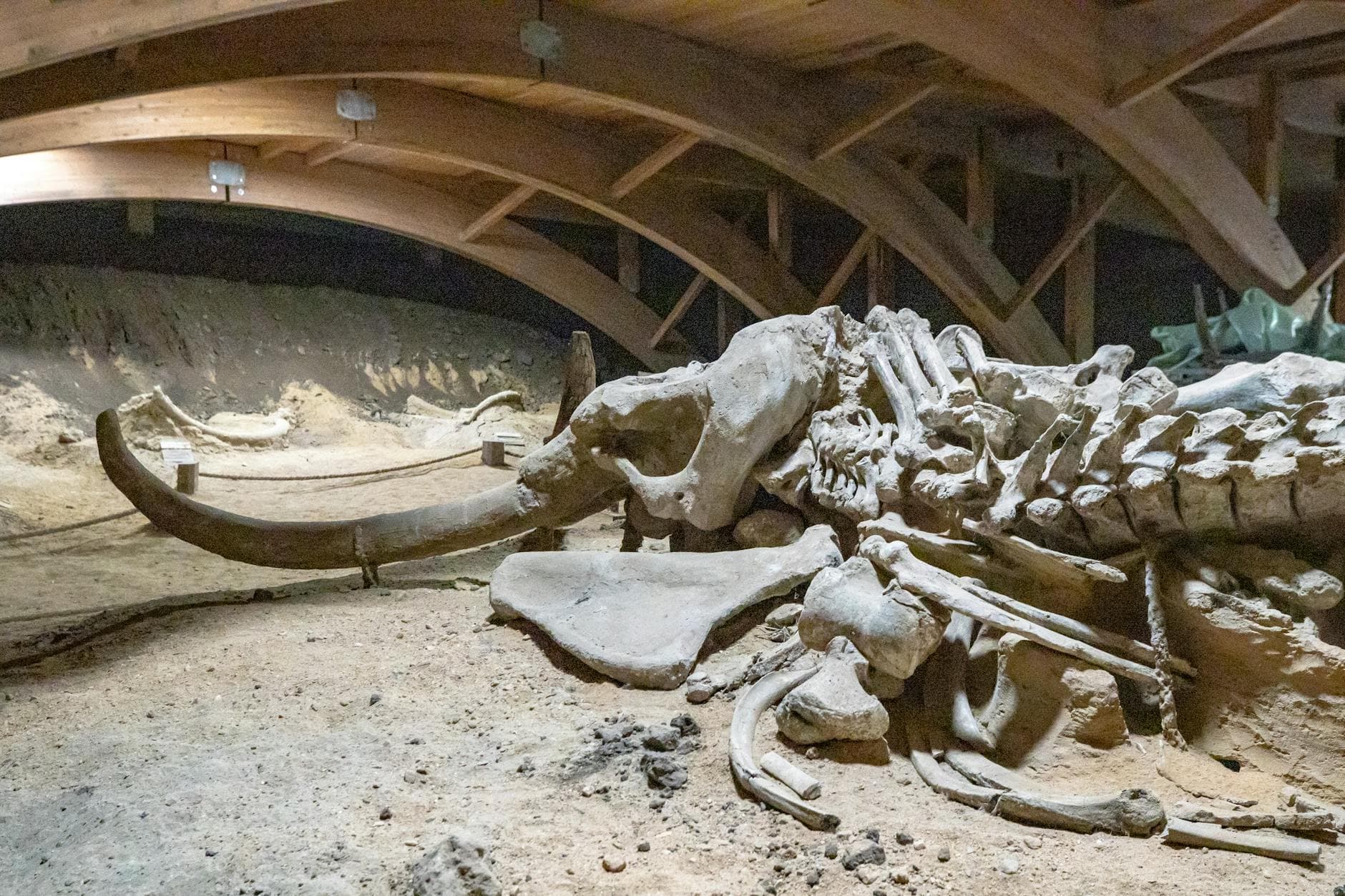
NewsWausau’s Sean Sullivan brings Ice Age history to life across Wisconsin with hands-on archaeology programs featuring woolly mammoth hunts, Stone Age tools, and the prehistoric past that shaped the Northwoods.
 News
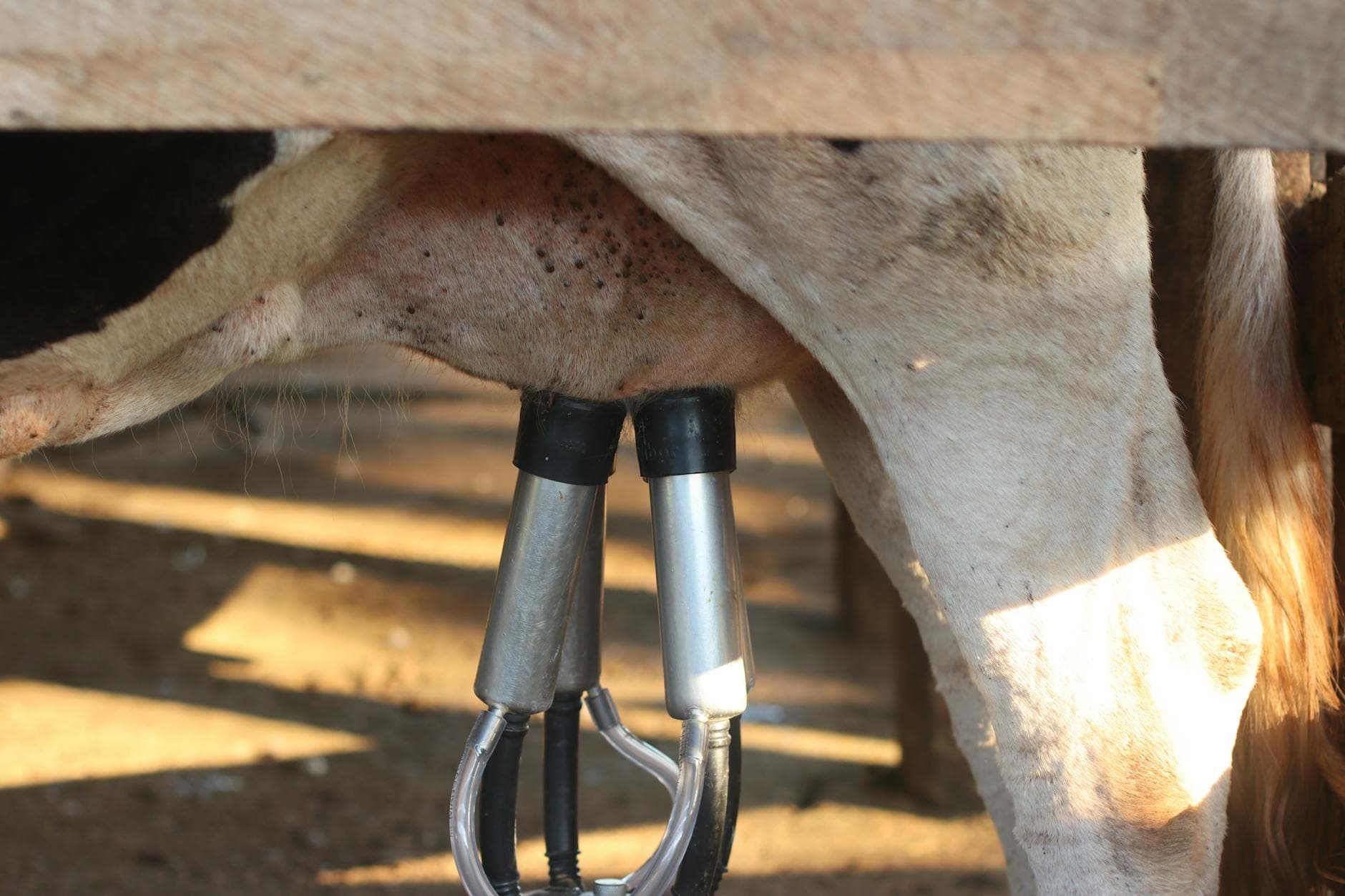
NewsSmall Northwoods dairy farms are vanishing as Wisconsin’s herd count drops to 5,100—half what existed a decade ago. Yet one Price County operation offers hope through an unusual succession plan that could preserve a fading way of life.