

What is new for Northwoods Drifter in 2026
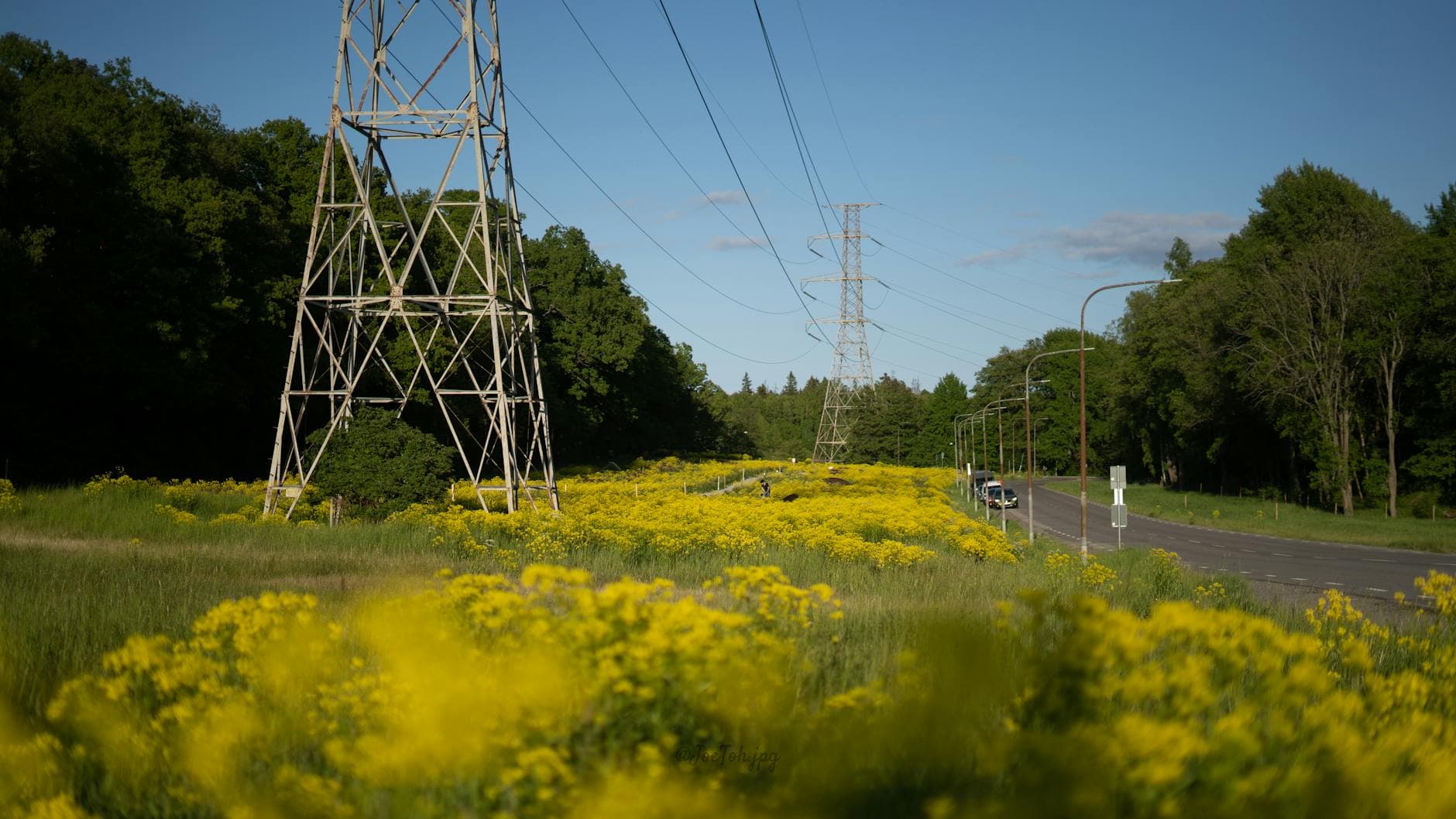
If you’ve driven Highway 2 west of Ashland, you’ve probably noticed the free-flowing artesian well where travelers fill jugs with cold, clear water straight from the earth. It’s a beloved landmark along the Chequamegon Bay corridor.
That roadside spring is more than just a convenient stop. It’s a visible window into the hidden groundwater system that feeds private wells across Bayfield County — the same water thousands of rural residents pump into their homes every day.
Understanding what lies beneath the Northwoods is becoming more important as land use, development, and climate all press on a resource that’s hard to see and even harder to clean up once it’s compromised.
Northern Wisconsin sits on some of the oldest bedrock in North America. In Bayfield County, Precambrian sandstone dating back 1.1 billion years forms part of the foundation, creating a hydrogeology unlike much of the rest of the state.
Unlike southern Wisconsin, where deep sandstone and dolomite aquifers dominate, the far north relies more on local bedrock and the layers of sand, gravel, and clay left behind by glaciers. That means the path water takes from the surface to your well — and what it picks up along the way — varies dramatically depending on where you live.
The county’s 2019 Hydrogeologic Atlas maps out these differences. Sandy and gravelly uplands let water recharge quickly, but they also offer less natural filtration. Clay-rich lowlands near Lake Superior and wetlands slow things down, providing more protection but also complicating where wells can be drilled.
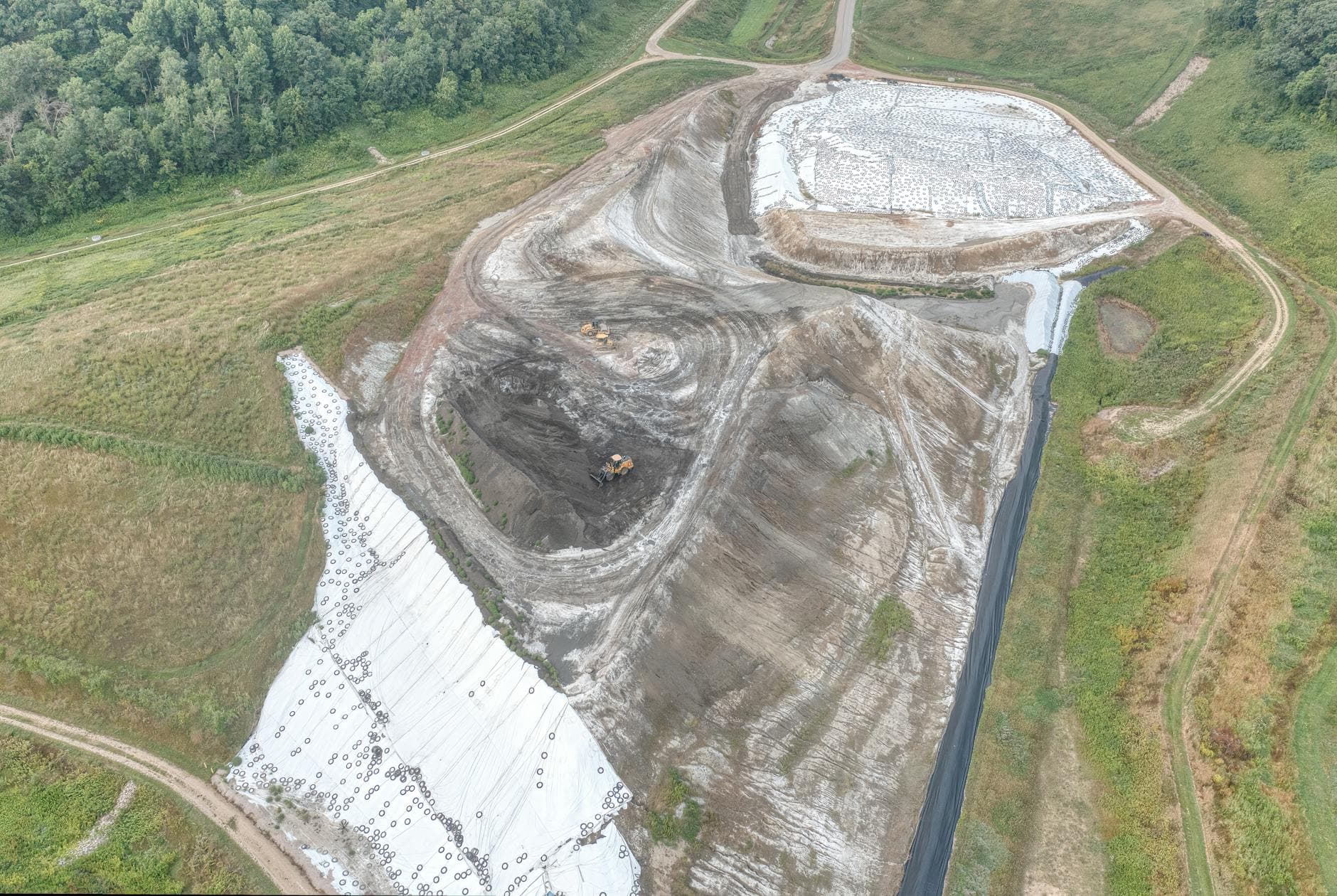
When scientists talk about “susceptibility,” they mean how easily contaminants at the surface can reach the water below. USGS maps break Bayfield County into zones based on soil type, geology, and how fast water moves through the ground.
Sand and gravel deposits are the most vulnerable. Rain or snowmelt can carry nitrates from fertilizer, bacteria from septic systems, or road salt down into the aquifer in a matter of weeks.
Once groundwater is contaminated, cleanup is difficult and expensive — often impossible to fully reverse.
Clay-rich areas offer more protection because they slow the downward movement of water, giving natural processes more time to filter out pollutants. But that protection isn’t uniform, and many homes sit in zones where groundwater has little defense against what happens on the surface.
For rural homeowners on private wells, this isn’t just an abstract environmental issue. It’s a question of drinking water safety, household costs, and long-term property value. Testing, treatment systems, and in some cases drilling a new well can run into thousands of dollars.
Most groundwater in Bayfield County recharges in upland areas — the forested ridges and sandy flats away from the lakeshore. These zones act like the county’s water bank, slowly refilling aquifers that supply wells, springs, streams, and wetlands.
But they’re also where land use decisions have the most impact. A gravel pit, a new subdivision, or even a farm field can change how water moves and what it carries.
The atlas shows that understanding recharge isn’t just academic. It helps landowners, developers, and county planners make better decisions about where to build, where to avoid certain activities, and where extra precautions make sense.
Bayfield County’s groundwater story is getting a public airing at Ashland’s Science on Tap series, where local experts break down the science behind the region’s water systems. The timing makes sense.
Interest in groundwater has grown as more people move to rural properties, climate patterns shift, and development pressures test the limits of what the landscape can handle. The artesian well on Highway 2 is a good conversation starter, but the real story is about the invisible network of water, rock, and soil that connects every part of the county.
For a region that depends heavily on tourism, recreation, and natural beauty, water quality isn’t just a household concern. It’s part of the economic and cultural fabric — clean lakes, healthy wetlands, and reliable wells all feed into what makes the Northwoods attractive to visitors and residents alike.
If you’re on a private well in Bayfield County, your water comes from the same system that feeds springs, streams, and the roadside well on Highway 2. That connection runs both ways — what you do on your property can affect your neighbors, and what happens upland can show up in your tap.
The Wisconsin DNR maintains tools for looking up well construction records, water quality data, and testing resources. Regular testing is the only way to know what’s in your water, especially if you live in a high-susceptibility zone or near agricultural land.
For local governments, the atlas and susceptibility maps provide a foundation for zoning, stormwater management, and long-term planning. Protecting recharge areas and managing development in vulnerable zones can prevent contamination that would be nearly impossible to fix later.
Next time you pass that artesian well on Highway 2, consider what it represents. It’s not just a quirky roadside attraction — it’s a reminder that the water we depend on is part of a larger system, shaped by billion-year-old bedrock, glacial history, and the choices we make today.
Written by

Mike has been coming up or living in the Northwoods since his childhood. He is also an avid outdoorsman, writer and supper club aficionado.
 News
NewsChrist Church in Bayfield has called Rev. Art Hancock as its new vicar, bringing 30+ years of ministry to a congregation that’s served the Chequamegon Bay area since 1856.
 News
NewsA Sunday crash at Highway 111 and County Road J in Price County killed a 74-year-old Kennan woman and seriously injured three others, including a teen. The investigation continues.
 News
NewsTomahawk’s Ties That Bind Us nonprofit has raised thousands through its annual Cleavage Open golf fundraiser, providing gas cards, food assistance, and practical support for Northwoods cancer patients.
 News
NewsChrist United Methodist Church in Merrill now serves over 200 free lunches daily to kids and teens, part of a volunteer-driven effort that’s fed thousands since 2013.