

What is new for Northwoods Drifter in 2026
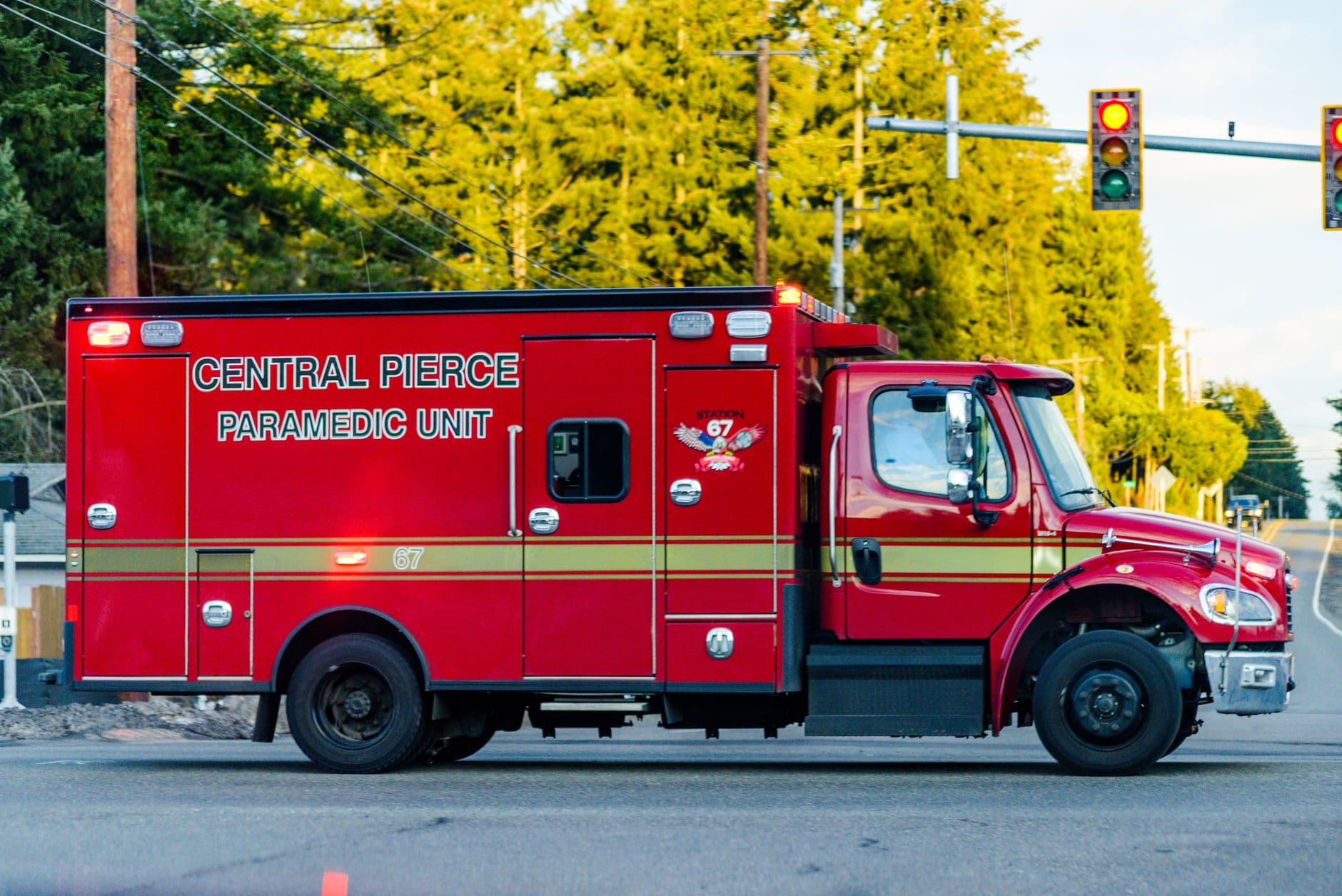
The ambulance might not come. That’s the quiet fear spreading through rural Wisconsin, and Bayfield County is facing it head-on.
For nearly a century, volunteer ambulance crews have been the backbone of emergency response across the Northwoods. But today, those volunteers are harder to find, and the old system is starting to crack under the weight of rising costs, burnout, and missed 911 calls.
Bayfield County isn’t sitting back and hoping things improve. Officials are rolling out a hybrid EMS plan that adds county-backed staffing and vehicles to support—not replace—the local volunteer agencies that have served these communities for generations.
Across Bayfield County’s nine EMS organizations, volunteer availability has dropped to a critical level. County documents show that at least 10% of 911 calls go unanswered by the host agency, forcing neighboring departments to cover calls from miles away or leaving residents waiting longer in emergencies.
The problem isn’t unique to Bayfield County. Rural Wisconsin is watching the same story unfold across the Northwoods—fewer people able to drop everything for a medical call, rising operational costs, and call volumes that keep climbing even as volunteer rosters shrink.
Volunteers who remain are stretched thin, responding to everything from heart attacks and car crashes to lift assists and welfare checks while juggling full-time jobs and family responsibilities. It’s a lot to ask, and counties are realizing that goodwill alone can’t sustain emergency medical services anymore.
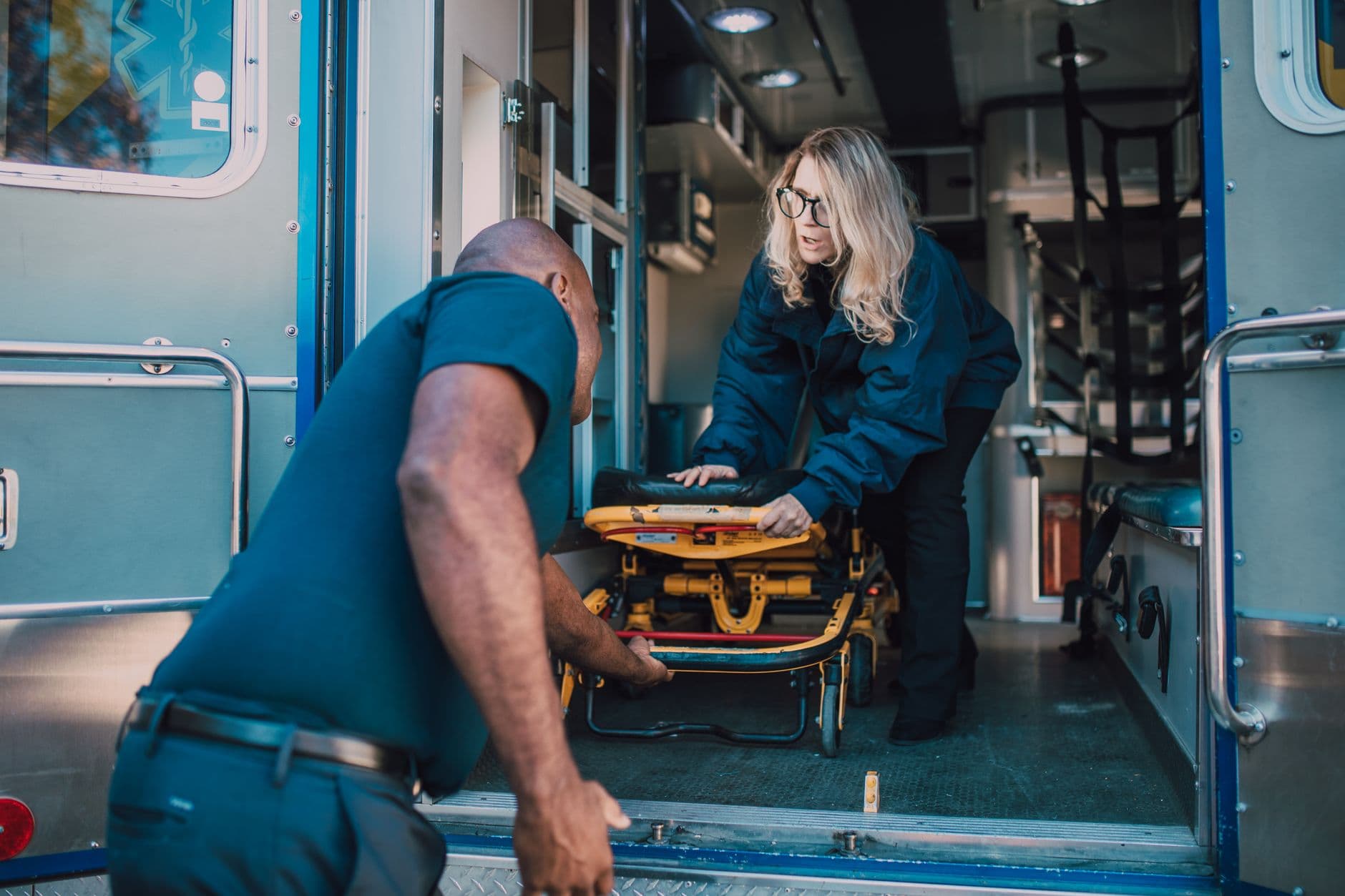
After years of study and committee work, Bayfield County is putting real money behind a plan to shore up emergency response. The county’s 2026 EMS budget includes $433,122 for countywide EMS, with two major initiatives taking shape.
First, the county is launching Quick Response Vehicles (QRVs) staffed by county-employed EMTs. These smaller, faster vehicles won’t transport patients, but they’ll get trained help to the scene when volunteer crews are unavailable. The county plans to deploy QRVs strategically to areas where coverage is thinnest—think of it as filling the gaps in real time.
Second, the county is exploring a county-operated transporting ambulance that would serve as a safety net when local volunteer services can’t field a crew. This ambulance wouldn’t replace the local agencies; it would back them up during staffing shortages or high-demand periods.
“The county is trying to keep local volunteer agencies alive while adding enough capacity to prevent missed 911 calls.”
Bayfield County is also creating a $200,000 annual EMS Staffing Grant Fund to help local volunteer agencies recruit, retain, and compensate their crews. The county hired an EMS coordinator in June 2025 to oversee the entire system and signed a contract with Mission Critical Partners to analyze costs, operations, and staffing needs countywide.
For people living in places like Iron River, Mason, Barnes, or along the Bayfield Peninsula, the changes could mean faster, more reliable emergency response. No more wondering if an ambulance will show up—or how long it’ll take to arrive from the next county over.
But the new system also raises questions. Recruiting and retaining full-time or part-time EMS staff in rural areas is notoriously difficult. Wages have to compete with urban departments, and finding people willing to work in small, far-flung communities isn’t easy.
Here’s what the hybrid model aims to improve:
For older residents and anyone with ongoing health needs, the peace of mind matters. Falls, chest pain, diabetic emergencies—these are the everyday calls that rural EMS handles, and they’re just as time-sensitive as the headline-making traumas.
Bayfield County’s challenges mirror what’s happening across northern Wisconsin and rural America. A 2024 EMS study commissioned by the county pointed to familiar culprits: a precipitous drop in volunteerism, workforce shortages, and rising costs that local budgets can’t keep pace with.
Geography makes everything harder. Bayfield County covers a massive area of forests, lakeshores, and scattered towns where travel times can stretch long—especially in winter when roads ice over or summer when tourists double the population.
Low population density means fewer billable calls and a smaller tax base to fund emergency services. Yet the need keeps growing. As the Northwoods population ages and seasonal visitors strain resources, the old volunteer model simply can’t keep up.
Many volunteer agencies across Wisconsin now report open periods when they’re completely unavailable, units taken out of service due to staffing, and heavy reliance on mutual aid from neighboring departments that face the same problems.
Bayfield County’s plan is a pragmatic bet that combining local volunteers with county-backed support can create a more resilient system. It’s not a perfect fix, but it’s a recognition that rural EMS needs structural change, not just more appeals for volunteers.
The real test will be whether the county can recruit and keep qualified staff, manage the budget over the long haul, and maintain strong partnerships with the volunteer agencies that still carry most of the weight.
Other Northwoods counties are watching closely. If Bayfield’s hybrid model works, it could become a blueprint for rural emergency response across Wisconsin. If it struggles, it’ll be a reminder of just how hard it is to deliver critical services across long distances and small budgets.
For now, Bayfield County is moving beyond talk and into action. The ambulance will come—and that’s a promise rural communities can’t afford to lose.
Written by

Mike has been coming up or living in the Northwoods since his childhood. He is also an avid outdoorsman, writer and supper club aficionado.
 News
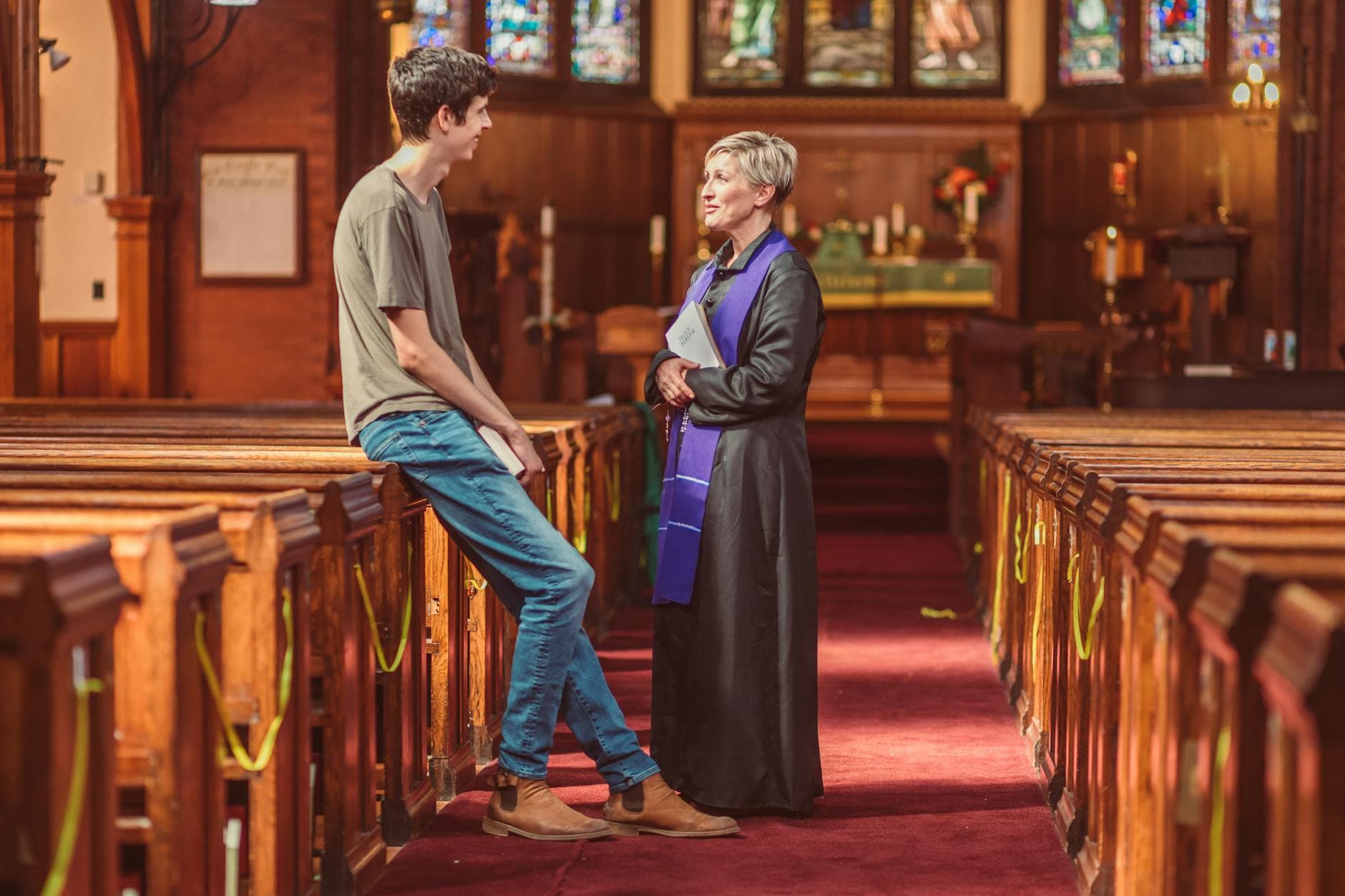
NewsChrist Church in Bayfield has called Rev. Art Hancock as its new vicar, bringing 30+ years of ministry to a congregation that’s served the Chequamegon Bay area since 1856.
 News
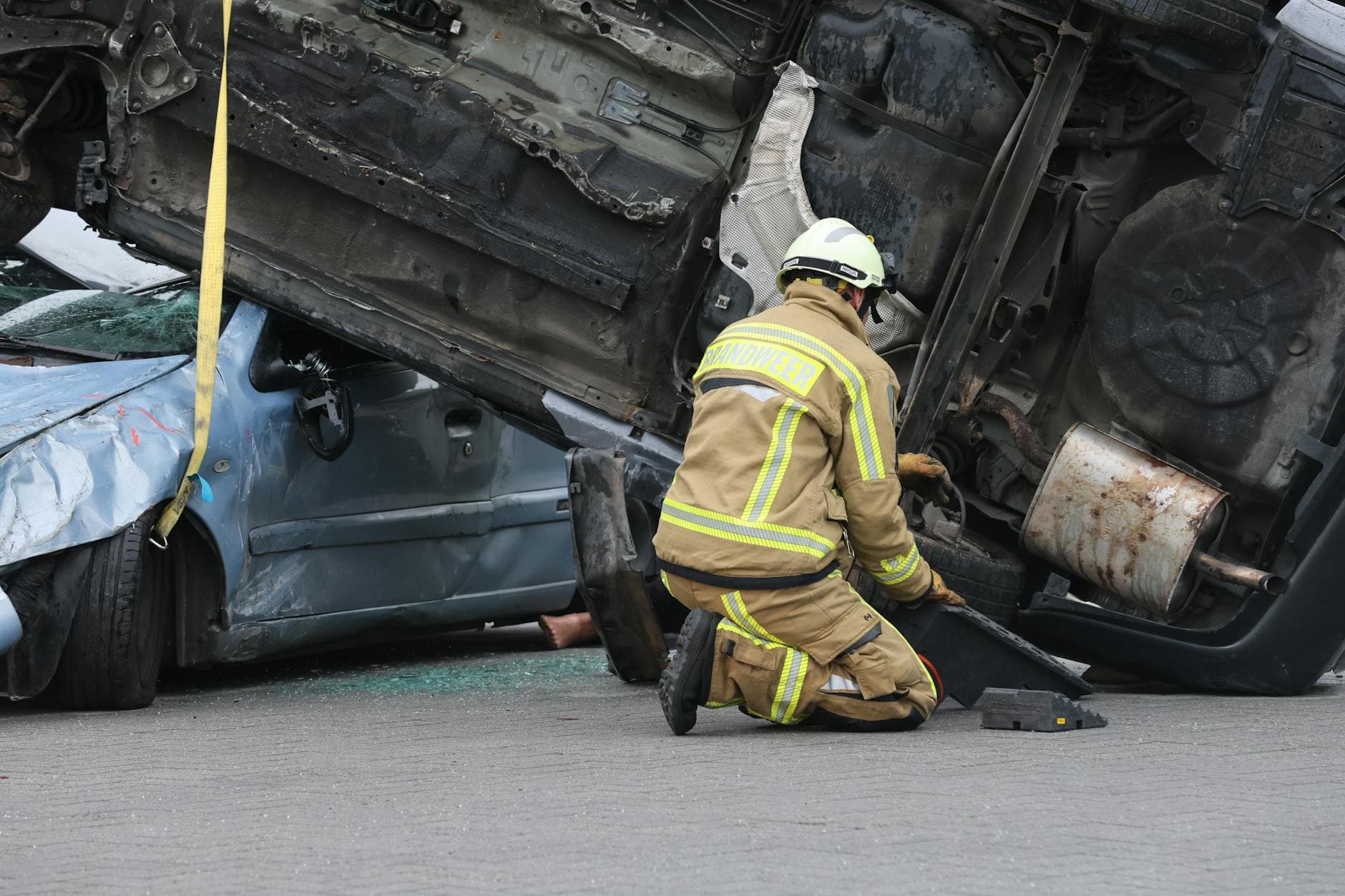
NewsA Sunday crash at Highway 111 and County Road J in Price County killed a 74-year-old Kennan woman and seriously injured three others, including a teen. The investigation continues.
 News
NewsTomahawk’s Ties That Bind Us nonprofit has raised thousands through its annual Cleavage Open golf fundraiser, providing gas cards, food assistance, and practical support for Northwoods cancer patients.
 News
NewsChrist United Methodist Church in Merrill now serves over 200 free lunches daily to kids and teens, part of a volunteer-driven effort that’s fed thousands since 2013.