

What is new for Northwoods Drifter in 2026

Democracy doesn’t get much closer than this. On April 1, 2025, the Butternut School District’s future came down to a single ballot — 281 votes in favor, 280 against.
That razor-thin margin saved a $1.1 million annual referendum critical to keeping the district’s doors open. Just up Highway 45, Crandon School District squeaked by with a 908-889 win after voters rejected their referendum last year.
Both outcomes reflect the high-stakes gamble facing rural Northwoods school districts caught between rising costs and stagnant state funding. For communities like Butternut and Crandon, these weren’t just budget votes — they were decisions about whether their towns keep their schools at all.
Butternut’s referendum asks taxpayers to approve $1.1 million annually for four years, from 2024-2025 through 2027-2028. That’s a non-recurring operational referendum, meaning it has an end date rather than becoming permanent.
The district serves about 900 residents spread across northern Price and Ashland Counties, tucked in the Chequamegon-Nicolet National Forest along Highway 8. As the largest employer in the Butternut, Agenda, and Chippewa areas, the school anchors the local economy beyond just families with kids.
Here’s why they needed the money:
Crandon faced similar pressures. After their referendum failed in 2024, the district cut 4K programming down to just two days per week. This year’s narrow victory restores full programming and keeps educational opportunities intact for Forest County families.
One vote. Let that sink in for a minute.
Price County’s unofficial results show just how divided these small communities were. In one Butternut precinct, the vote split 8 yes to 19 no. Another went the other way. When the final tallies came in, a single person’s decision to show up — or one changed mind — determined whether the school district survived.
Crandon’s 19-vote margin wasn’t much more comfortable. With 1,797 total ballots cast, that’s barely a 1% difference.
In rural Wisconsin, school referendums aren’t abstract policy debates. They’re kitchen table conversations about whether your neighbors will have jobs next year and whether your grandkids will ride the bus past a closed building.
Low turnout amplified every vote’s weight. Some Butternut precincts had fewer than 90 registered voters total. When participation runs that sparse, community organizing becomes everything.
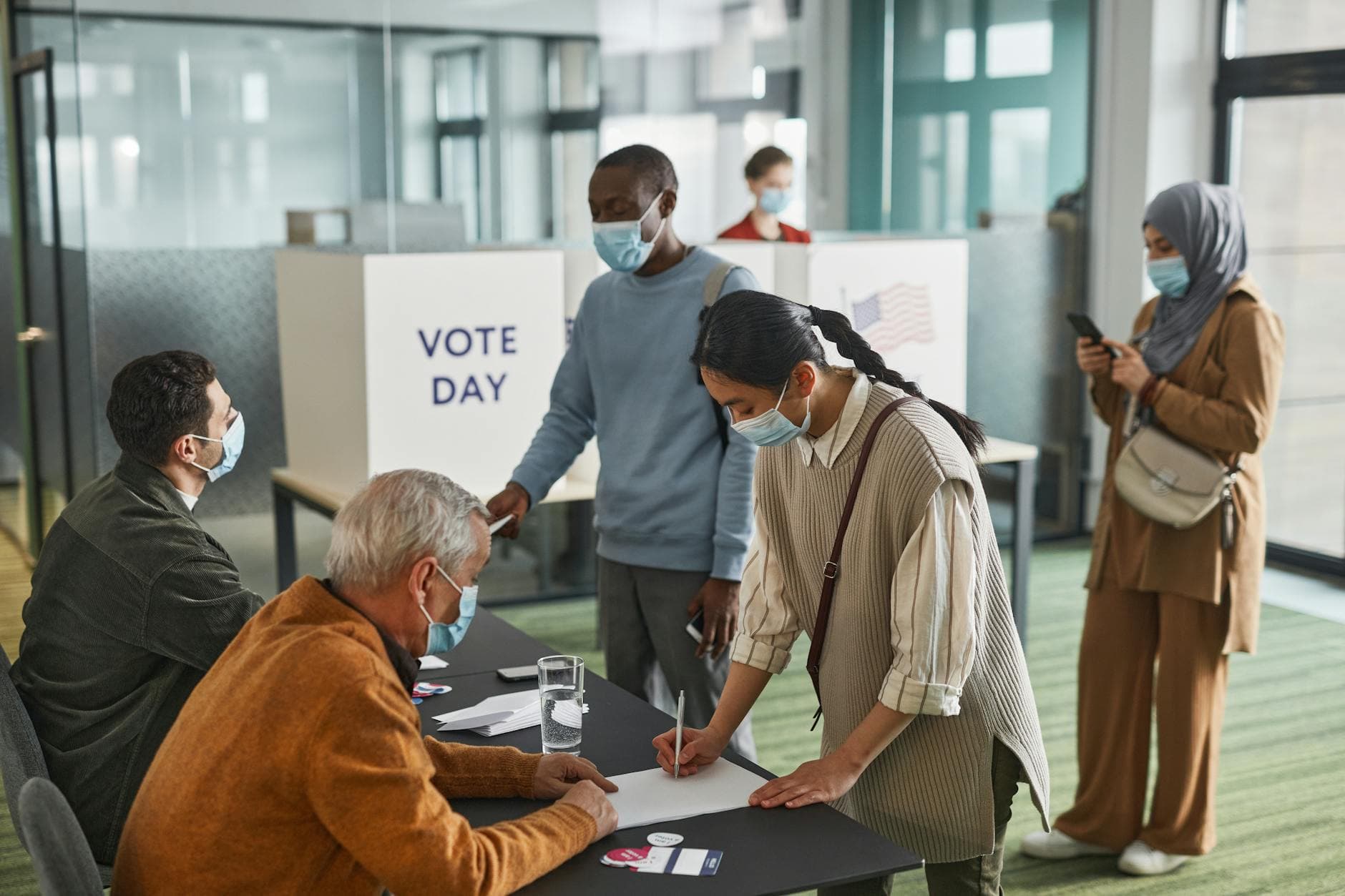
Butternut and Crandon weren’t alone in asking voters to open their wallets. On April 1, 2025, Wisconsin saw 139 referendum questions across 121 school districts statewide, seeking more than $1 billion combined.
The Northwoods had mixed results. Prentice School District passed their measure 762-567. Flambeau split evenly in some precincts. Across the state, the pattern was clear: rural districts hit hardest by declining enrollment and rising mandated costs were rolling the dice on local taxpayer support.
State funding formulas haven’t kept pace with inflation for nearly two decades. Special education, mental health services, and transportation costs keep climbing while state reimbursements stay flat. That gap forces districts to either cut programs, consolidate, or ask communities to make up the difference through property taxes.
For fixed-income retirees on Northwoods lakes and young families already stretching paychecks, that’s a tough ask. But the alternative — losing the school that serves as community center, employer, and Friday night gathering place — hits even harder.
Butternut’s celebration comes with a reality check. Even with the $1.1 million annual boost, the district still needs to cut $500,000 from its operating budget. Administrators will spend the coming months deciding where those trims happen without gutting the programs the referendum was meant to save.
The four-year timeline means they’ll face voters again before 2028. If economic conditions don’t improve or state funding doesn’t increase, they’ll be right back in campaign mode.
Crandon can breathe easier knowing 4K returns to full programming. Those two extra days per week matter enormously for working parents and child development. The district avoided the awkward position of telling families their youngest learners get less than neighboring towns.
Both communities now shoulder higher property tax bills. In areas where tourism, forestry, and small manufacturing drive the economy, that’s money coming from tight budgets. The trade-off — keeping schools open and programs running — reflects what Northwoods folks value most.
Political scientists love to say every vote matters. Butternut just proved it literally true.
The single-vote margin should remind everyone that local elections carry real weight. State and federal races grab headlines, but school board decisions and referendum outcomes shape daily life in small towns far more directly.
For the 281 Butternut residents who voted yes, their collective decision — by the slimmest possible margin — kept their school district alive. For the 280 who voted no, it’s a reminder that organizing one more neighbor, making one more phone call, or carpooling one more person to the polls can flip outcomes.
As more Wisconsin districts face similar funding crunches, expect more nail-biters. The Northwoods school referendum season isn’t over — it’s just getting started. Communities watching Butternut and Crandon now know that turnout, persuasion, and showing up on election day aren’t abstractions.
They’re the difference between a school that stays open and one that closes its doors for good.
Written by

Mike has been coming up or living in the Northwoods since his childhood. He is also an avid outdoorsman, writer and supper club aficionado.
 News
NewsMichael Habeck won Tomahawk’s mayoral race with 655 votes, ending a decade without contested leadership. The 40-year resident faces immediate challenges with road repairs and budget deficits.
 News
NewsRhinelander Mayor Kris Hanus secured reelection by just 15 votes in a nail-biter decided at 12:30 a.m. He’s focusing his second term on housing, infrastructure, and rebuilding public safety facilities.
 News
NewsRhinelander Mayor Kris Hanus secured his second term by just 15 votes in a race that wasn’t called until after midnight. His agenda focuses on economic development, west side infrastructure, and a new public safety facility.
 News
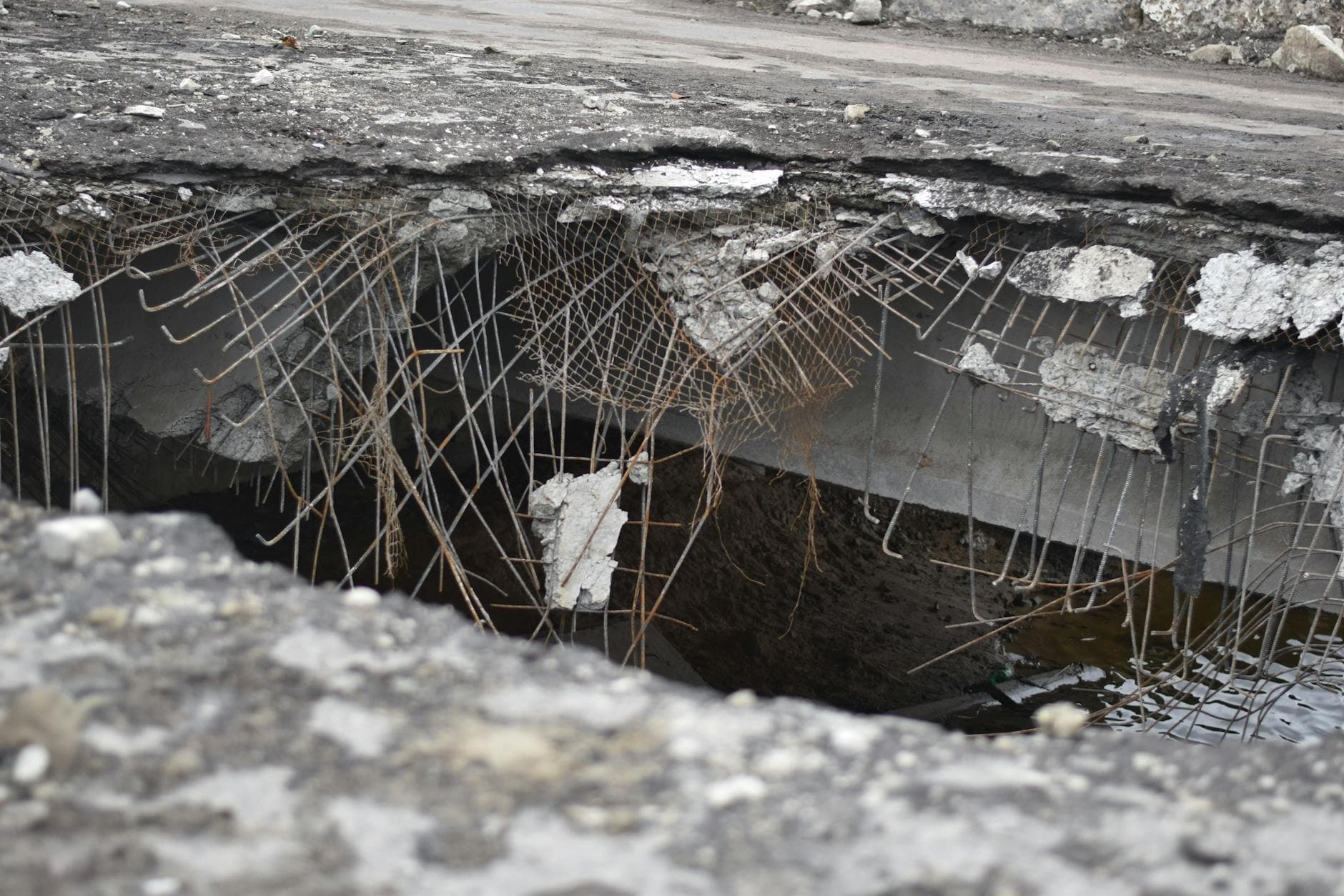
NewsMichael Habeck takes office as Tomahawk’s first new mayor in a decade, facing deteriorating roads and a budget deficit after voters rejected a funding referendum.