

What is new for Northwoods Drifter in 2026
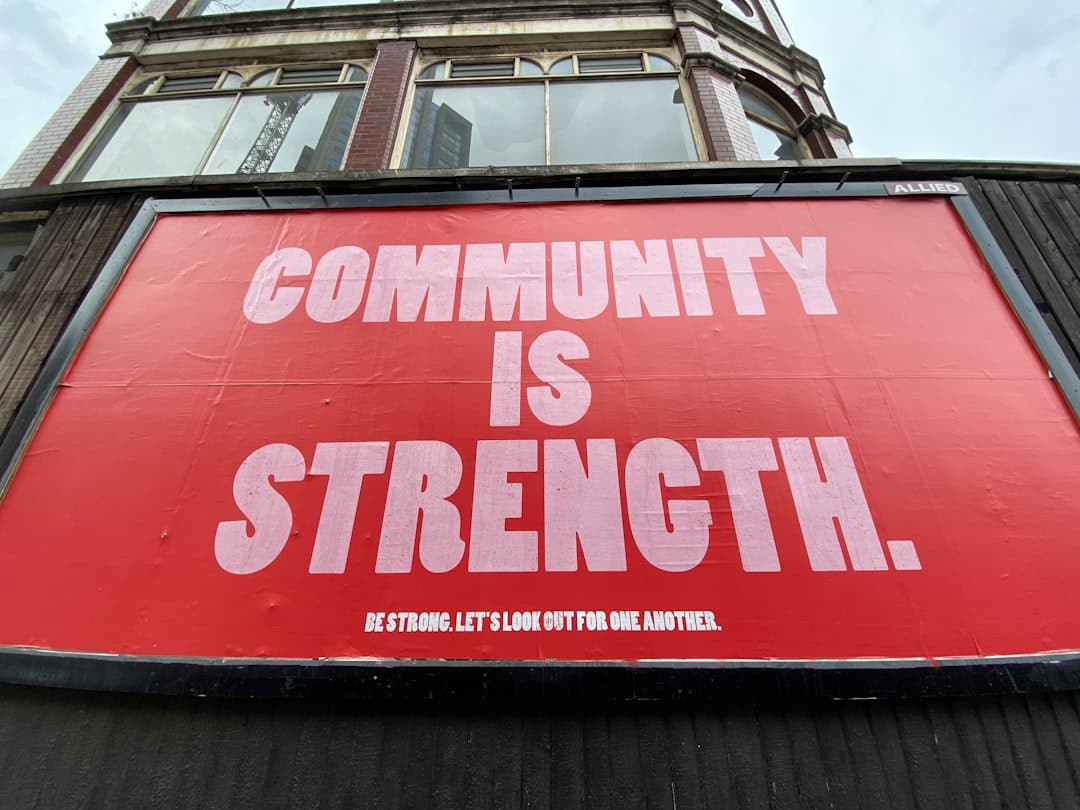
The heavy snow that blanketed Boulder Junction last Friday brought more than just excitement for the upcoming snowmobile season—it brought down trees by the dozens, turning beloved trails into obstacle courses. Before the sun was fully up, Club President Don Zander watched volunteers arrive with chainsaws, UTVs, and a determination that defines life up north. What could have been a season-ending catastrophe became a testament to what makes the Northwoods special: neighbors who show up when it matters most.
The Boulder Junction Snowmobile Club faces a challenge familiar to many small volunteer organizations in the region. With over 70 miles of trails to maintain and a modest membership, they rely heavily on community support to keep routes open. “The club needs the community, the community needs the club,” Zander explained, capturing the reciprocal relationship that sustains outdoor recreation throughout Vilas County. A simple Facebook post requesting help triggered an outpouring that went far beyond club members, drawing in local businesses and residents who understand what’s at stake.
Among the first to respond was Jeff Katzer, owner of Rocks Rent-All in nearby St. Germain. Within 24 hours of the call for help, Katzer arrived with his biggest excavator, a skidloader equipped with a grapple, and a full crew ready to work. “It’s an absolute warzone,” he said, surveying the tangled mess of fallen timber that blocked trail access. His contribution illustrates how Northwoods businesses recognize their own success is intertwined with the recreational infrastructure that draws visitors to the region.
This kind of business-community partnership isn’t charity—it’s investment in the economic engine that sustains towns like Boulder Junction through long Wisconsin winters. When trails are groomed and accessible, snowmobilers fill restaurants, rent equipment, book lodging, and support the year-round businesses that make small-town life viable. Katzer’s rapid response meant the difference between trails opening on time or sitting closed while inspectors waited for safe passage. Vilas County requires thorough trail inspections before opening, and with downed trees blocking access, that process couldn’t even begin.
For Boulder Junction—known as the “Musky Capital of the World” during fishing season—winter snowmobiling provides crucial economic momentum when lakes freeze and boat launches close. The area’s 125-130 miles of interconnected trails link to thousands more across northern Wisconsin and Michigan’s Upper Peninsula, positioning the community as a strategic hub in a vast recreational network. Clubs like St. Germain Bo-Boen maintain 100+ miles with 1,200 members, while smaller operations like the SnoBunnies in Presque Isle-Winchester handle 50 miles, creating a collaborative regional system.
Recent years have tested this winter economy. Shortened seasons from inadequate snowfall have left businesses scrambling and clubs questioning whether conditions will support trail opening at all. That’s why rapid response to this storm damage carried such urgency. With good snow finally on the ground—recent reports showed 8-10 inches of base—the window for a profitable season depended entirely on clearing fallen timber before the base degraded or warm spells created unsafe conditions. Club and town board member Wes Beda was stunned by the turnout: “Honestly I am completely without words. The way everybody has come together in this town, I reached out to Jeff and he responded within 45 minutes.”
The Boulder Junction Snowmobile Club’s volunteer spirit extends a tradition reaching back to 1967, when the organization formed to promote safe snowmobiling and maintain emerging trail systems. The club’s work—early-season brushing, trail numbering for emergency response, bridge repairs—built on foundations laid decades earlier. When railroads arrived in 1903 for logging operations, they opened Boulder Junction to development. The Civilian Conservation Corps reforestation efforts in the 1930s created the thick forest stands riders navigate today, transforming logged-over land into the wooded corridors that define modern trail experiences.
Just down the road in Sayner-Star Lake sits the birthplace of snowmobiling itself, where Carl Eliason invented his motor toboggan prototype in 1924 and secured a patent three years later. The Vilas Historical Museum preserves this piece of history, while the Sayner-Star Lake Barnstormers club maintains Wisconsin’s oldest snowmobile trail through Northern Highland-American Legion State Forest. This deep heritage makes trail maintenance more than recreational upkeep—it’s preserving a cultural identity that shapes how Northwoods communities see themselves and attract visitors who share that passion.
As volunteers continue clearing trails throughout the week, the Boulder Junction Snowmobile Club remains open to additional help. The work is cold, physical, and essential—exactly the kind of challenge that brings out the best in Northwoods residents. Fundraisers like the recent Spaghetti night at Rustic Roadhouse and ongoing events at Gooch’s Pizza and Guns + Grills help cover equipment costs, but volunteer hours provide the real foundation for trail operations.
Trail conditions evolve daily with temperature fluctuations—recent reports noted aging snow with thin spots and afternoon softening, prompting recommendations for early-morning rides. Yet the infrastructure remains solid thanks to community effort that transformed storm damage into an opportunity for renewed connection. Whether you’re a longtime rider exploring routes near White Sand Lake and Trout Lake, or a visitor discovering why snowmobiling matters so deeply up north, those cleared trails represent something larger than recreation. They’re proof that when communities value shared resources and show up for each other, even the heaviest storms can’t keep the trails closed for long.
Written by

Mike has been coming up or living in the Northwoods since his childhood. He is also an avid outdoorsman, writer and supper club aficionado.
 News
NewsAt the North Lakeland Discovery Center, locals are learning that Northwoods pine trees offer more than scenery—they’re a natural pharmacy our ancestors knew well, providing healing resins for everything from skin conditions to bug bites.
 News
NewsEagle River earned second place among Midwest camping destinations on Campspot’s 2026 Togetherness Index, recognizing family-owned resorts and the community’s 28-lake chain, forests, and authentic Northwoods hospitality.
 News
NewsWhite-tailed deer survive Northwoods winters through remarkable adaptations: hollow insulating fur, massive fat reserves, and strategic shelter in conifer stands where they yard together.
 News
NewsLake Tomahawk’s new Lake House Coffee shop brings specialty drinks and community warmth to downtown, run by the family behind Rhinelander’s Northern Grounds.