

What is new for Northwoods Drifter in 2026
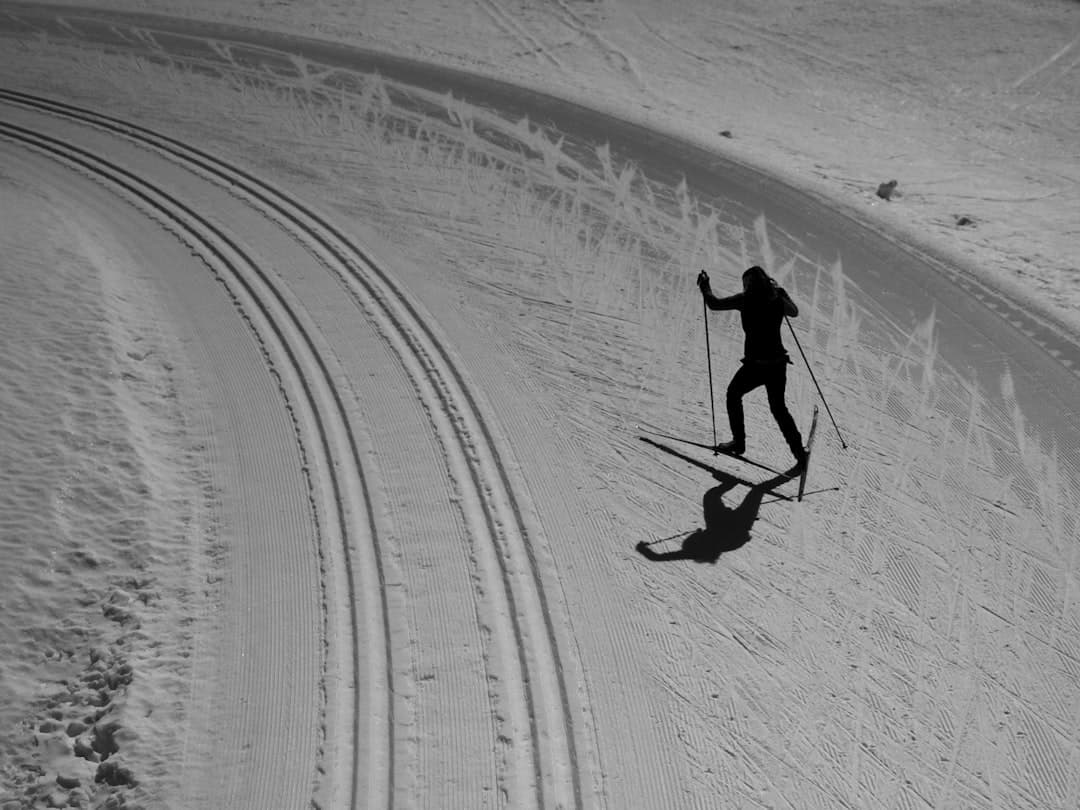
For the first time in three winters, cross-country skiers across the Northwoods are gliding through forest trails under conditions that actually deserve the name. After consecutive seasons that left groomers idle and enthusiasts frustrated, the 2025-2026 winter has brought legitimate snow—though not without its own challenges for the volunteers who transform raw snowfall into skiable corridors.
The Rhinelander Area Silent Trails Association has been working overtime since the recent heavy snowfall, tackling conditions that test both equipment and patience. While skiers are finally getting what they’ve been waiting for, the journey from twelve inches of wet, heavy snow to groomed trails involves considerably more than running a machine through the woods.
Dennis Zielinsky, RASTA’s Grooming Coordinator, knows the sweet spot for trail grooming: four to five inches of light, dry snow. That’s the kind of accumulation that packs beautifully, sets up fast, and allows groomers to create those classic corduroy lines that skate skiers dream about. This year’s early-season dump delivered more than double that ideal amount, and it came heavy with moisture.
The difference matters more than casual observers might realize. Wet snow doesn’t just require extra passes with the grooming equipment—it demands a fundamentally different approach. Groomers must methodically compress the snowpack to force out both air pockets and water, creating a stable base that won’t turn to mush under afternoon sun or deteriorate into inconsistent conditions. It’s the difference between a quick evening grooming session and multiple days of intensive work across trail systems like Washburn and Nose Lake.
The recent storm also brought down branches and created what trail workers call “leaners”—trees and limbs bent across pathways by snow weight. While major blowdowns weren’t widespread, clearing even small obstacles from 60-plus miles of trail network adds hours to an already demanding grooming schedule.
RASTA’s grooming operation runs on specialized equipment designed to pack and set ski trails, but even purpose-built machines have their limits. During work on the Washburn trail system’s outer loop, the organization’s Gator threw a track—essentially losing the continuous belt that allows the vehicle to traverse snow. For volunteer-run organizations operating on donated time and limited budgets, equipment breakdowns don’t just delay grooming; they can shut down entire trail sections until repairs are completed.
Despite the mechanical setback, RASTA volunteers managed to prepare the majority of their trail network for eager skiers. The organization maintains over 60 miles of trails year-round, working on properties managed by partners including Oneida County Forestry and the School District of Rhinelander. That’s a significant infrastructure for an all-volunteer operation founded just over two decades ago.
The excitement surrounding this season’s conditions makes more sense when you consider what Northwoods cross-country skiers endured the previous two winters. Limited snowfall meant minimal grooming opportunities—last season saw only scattered grooming days, while the winter before that yielded almost nothing worth preparing. For a community that builds its cold-weather identity around winter sports, consecutive lost seasons create a genuine void.
Cross-country skiing isn’t just recreation in the Northwoods; it’s cultural infrastructure. RASTA supports youth programs like Little Bellas and runs a NICA affiliate mountain bike team that keeps kids engaged with trails year-round. When winters fail to deliver, an entire ecosystem of outdoor activity contracts. Families who count on trail outings as their primary winter exercise lose that option. Local businesses that depend on winter sports tourism feel the pinch. The volunteers who dedicate hundreds of hours annually to trail maintenance lose their sense of purpose when there’s nothing to groom.
Seeing trails active again after lean years carries weight beyond simple recreation. “When you see a lot of people out there taking advantage of everything we have,” Zielinsky noted, “it’s like ‘oh good we did something right.'” That validation matters when you’re spending winter evenings on a grooming machine instead of in front of a fireplace.
RASTA updates trail reports regularly through their website and Facebook page, providing real-time information on which sections are groomed and ready versus which might still be works in progress. For a sport where conditions can shift dramatically between morning and afternoon, or after a single day of sunshine, these updates serve as essential planning tools.
The organization also accepts trail issue reports through their website, creating a feedback loop between users and maintainers. Spot a hazard? Notice deteriorating conditions on a particular section? Reporting it helps volunteers prioritize their limited time and resources where they’re needed most.
Current conditions at Washburn and Nose Lake trails range from very good to excellent—words that carry extra significance after winters when “fair” would have been celebrated. The question now is whether this early season snow represents an outlier or the beginning of a more typical Northwoods winter pattern.
Either way, the volunteers who make cross-country skiing possible in this region will keep doing what they’ve done for over twenty years: showing up, clearing trails, running equipment, and transforming whatever snow arrives into the best conditions they can create. For skiers who’ve been waiting through two disappointing winters, that dedication has never been more appreciated. The trails are ready. Winter has finally shown up. Time to ski.
Written by

Mike has been coming up or living in the Northwoods since his childhood. He is also an avid outdoorsman, writer and supper club aficionado.
 News
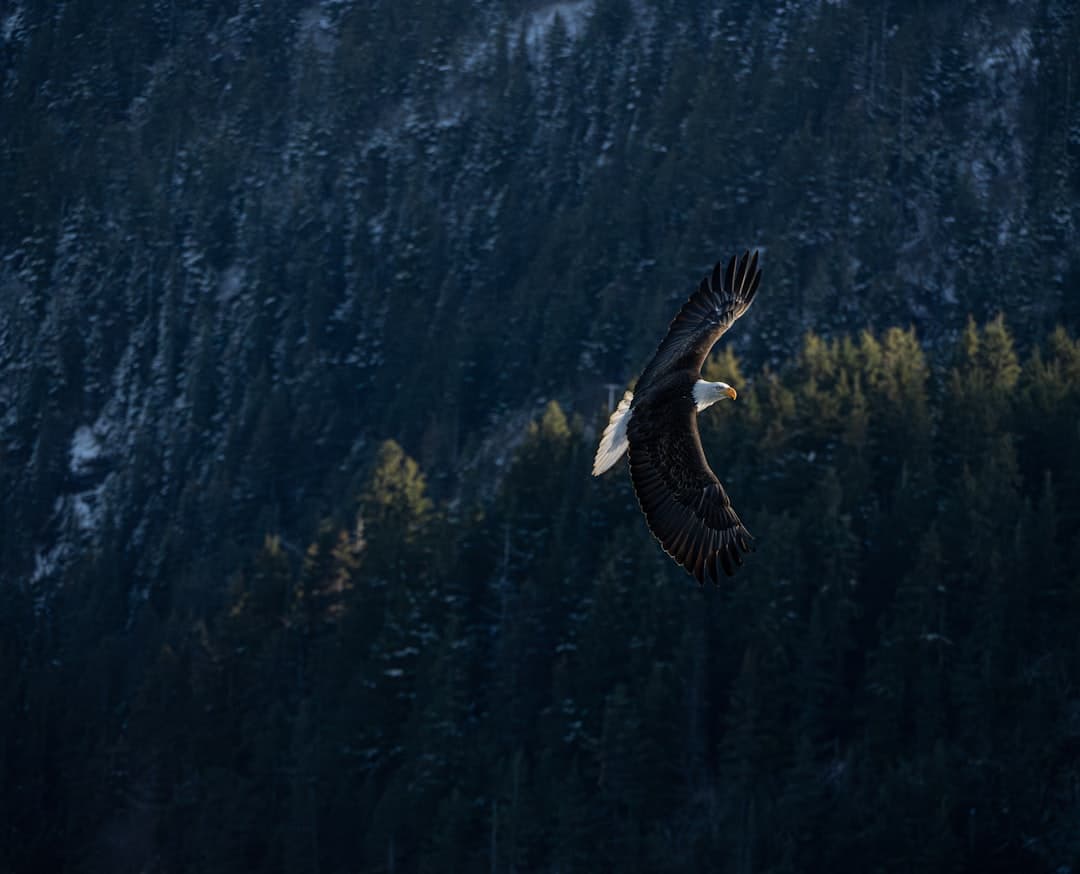
NewsA bald eagle rescued near Minocqua highlights the lead poisoning crisis affecting nearly 90% of Northwoods eagles — and what local sportsmen can do to help.
 News
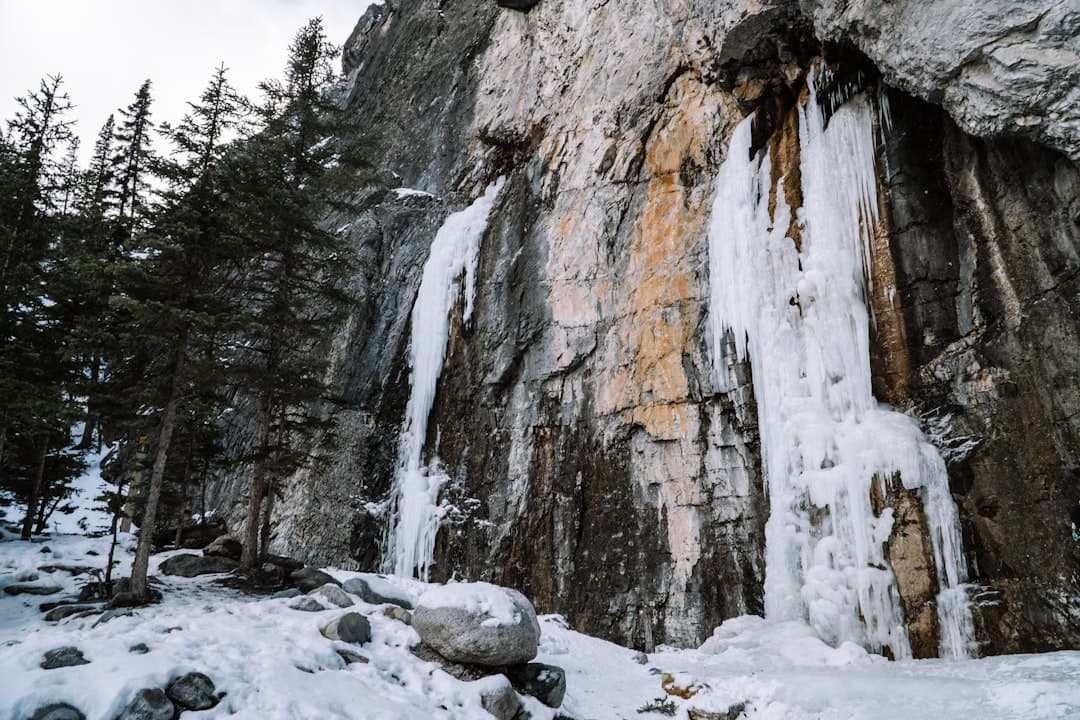
NewsPark Falls honors Tom, Carol, and Stephanie Birchell through an ice fishing contest that celebrates community, raises funds for life-saving equipment, and keeps Northwoods winter traditions alive.
 News
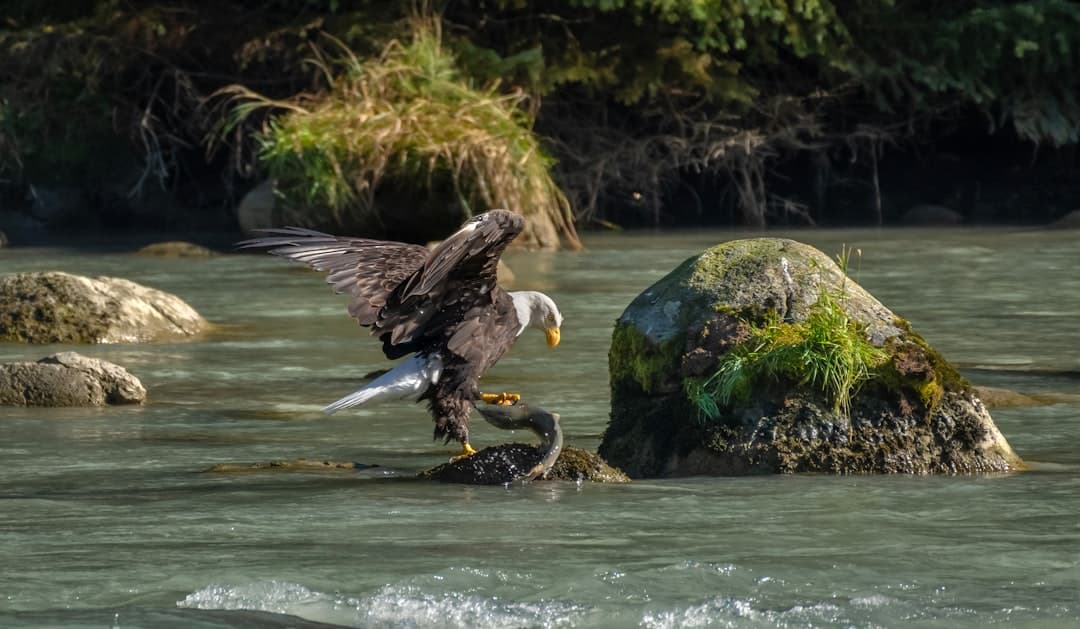
NewsBehind Eagle River’s legendary snowmobile trails are volunteer groomers like Dan Dumas, who transform rough, storm-battered snow into butter-smooth surfaces through skill, technique, and late-night dedication.
 News
NewsNorthwoods bars and restaurants are celebrating early snowmobile season openings after two difficult winters, with businesses crediting volunteer trail clubs and hoping for sustained snow to support the region’s tourism-dependent economy.