

What is new for Northwoods Drifter in 2026
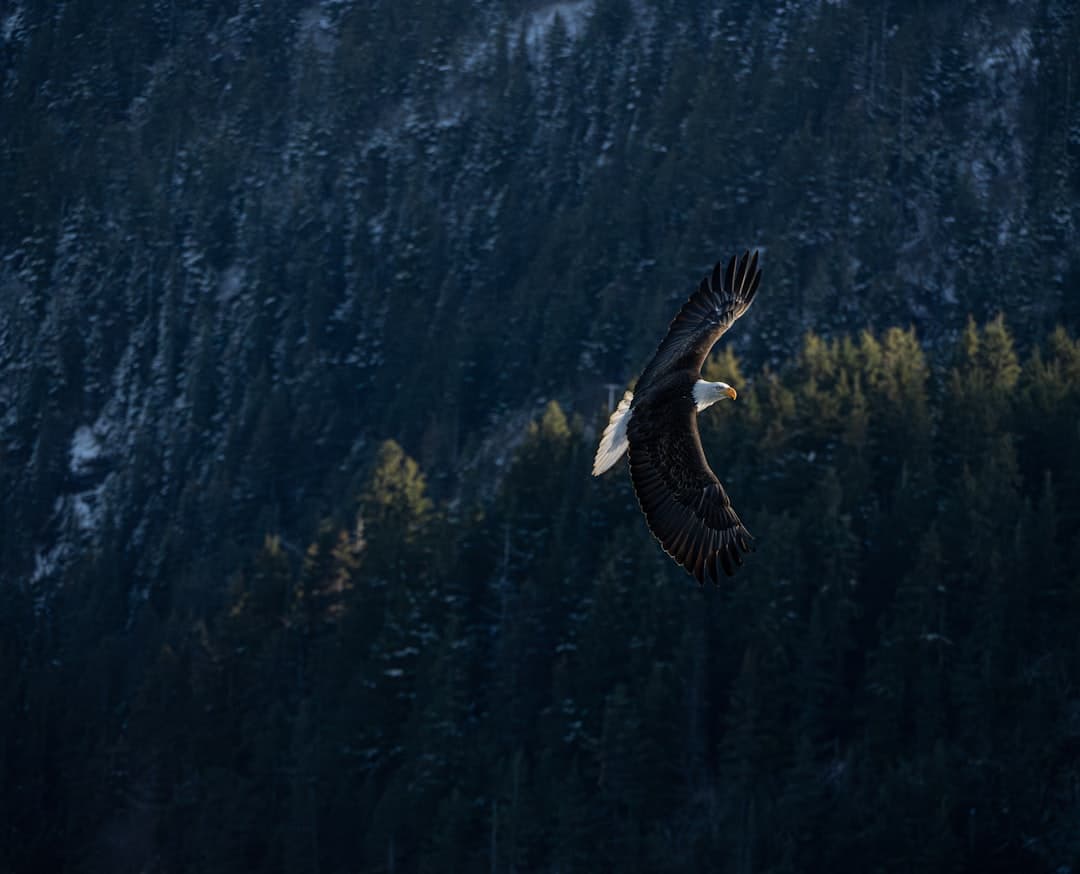
When drivers along a Northwoods road noticed a bald eagle sitting motionless in the snow for days, they knew something wasn’t right. That eagle, rescued last week by the Northwoods Wildlife Center in Minocqua, has become the latest reminder of a persistent threat facing our region’s most iconic birds — and it’s a problem we hunters, anglers, and outdoor enthusiasts can actually help solve.
The eagle’s rescue required staff to wade through deep snow in a swamp, but getting the bird to safety was just the beginning. Like nearly every eagle brought through their doors, this one is suspected of lead poisoning, a condition that’s quietly devastating wildlife populations across northern Wisconsin at rates far higher than most people realize.
Bald eagles are magnificent scavengers, and that ecological role makes them particularly vulnerable to lead poisoning. When hunters field-dress deer or other game using lead ammunition, they often leave gut piles behind. Those piles contain tiny fragments of lead bullets — sometimes hundreds of microscopic pieces scattered throughout the tissue. Eagles feed on this carrion, ingesting lead that accumulates in their bodies over time.
“It’s not unusual to see an eagle sitting on the snow for a little while, especially next to the road if they’re eating roadkill,” explains Bryon Black, executive director of the Northwoods Wildlife Center. “But when it’s in the same spot for an extended period of time, people begin to worry — and they should.”
Research shows that lead poisoning accounts for roughly 16% of documented bald eagle deaths in Wisconsin, with the problem intensifying during hunting season when ammunition use peaks. In our corner of the state, the issue runs even deeper. Nearly 90% of sampled eagles in northern Wisconsin show evidence of repeated lead exposure — almost double the North American average of 50%. That statistic should give every Northwoods resident pause.
Lead poisoning doesn’t always kill quickly, which makes it particularly insidious. Eagles suffering from lead toxicity often display muscle weakness and reduced activity — they might sit in one place for days, unable to summon the energy to hunt or fly. Their droppings change. Sometimes their heads droop so low they can barely hold themselves upright, a sign of severe neurological damage.
The eagle rescued near Minocqua showed some mobility, which Black considers encouraging. “We’re hoping this guy pulls through because he was a little bit more mobile, he could jump around, move around a bit,” he said. Still, the center began treating for lead poisoning immediately, even before lab results confirmed the diagnosis — because in the Northwoods, it’s almost always lead.
The treatment process involves chelation therapy to remove lead from the bloodstream, along with supportive care to keep the bird quiet, comfortable, and hydrated while its body attempts to recover. Not every eagle makes it. Lead causes profound neurological effects that can be irreversible, especially in severe cases.
While this rescue focused on an eagle, lead poisoning affects multiple species that define the Northwoods experience. Common loons, whose haunting calls echo across our lakes every summer, fall victim to lead fishing tackle. Studies show that 30% of loon fatalities in Wisconsin involved lead in their digestive tracts, typically from swallowed sinkers or jigs.
Trumpeter swans face similar risks. These magnificent birds, once endangered and now successfully restored to Wisconsin, still see 25% of their deaths attributed to lead poisoning. The pattern is clear: any bird that feeds on fish, scavenges carrion, or picks at the bottom of lakes and streams faces exposure to lead we’ve introduced into their environment.
The good news? Black has noticed a genuine shift in attitudes among Northwoods sportsmen. “People are making the change,” he said. “We have noticed more and more people who are deciding to use non-toxic ammunition and non-toxic fishing tackle, which is great.” That cultural shift represents real progress, driven by folks who love these lands and waters as much as anyone.
To accelerate that change, the Northwoods Wildlife Center has launched a Lead-Out initiative designed to make switching away from lead as easy as possible. The program combines education about lead’s environmental impacts with a practical solution: the center now serves as a drop-off location for anyone wanting to dispose of lead ammunition or fishing tackle properly.
Got old lead sinkers sitting in your tackle box? Boxes of lead ammunition you’d rather replace with copper alternatives? You can bring them to the center at 8683 S Blumenstein Rd. in Minocqua, where staff will ensure the lead gets recycled rather than ending up in a landfill — or worse, in the environment where eagles and loons will find it.
This community-based approach recognizes that most Northwoods residents aren’t trying to harm wildlife. Many simply didn’t realize the scope of the problem or lacked a convenient way to make the switch. By removing barriers and providing education, the center hopes to protect future generations of eagles, loons, and other birds from the fate of that eagle sitting alone in the snow.
The transition away from lead doesn’t require abandoning hunting or fishing traditions. Non-toxic alternatives like copper bullets perform exceptionally well for hunting, and steel or tungsten tackle works just as effectively for anglers. When waterfowl hunters switched from lead shot to steel back in 1991, mallard poisoning rates dropped by 64% without diminishing the hunting experience.
Research suggests that if we could eliminate lead exposure entirely, the Great Lakes region alone might see bald eagle populations increase by roughly 1.3% — that’s hundreds of additional eagles soaring over forests and lakes. For a region that depends on wildlife viewing and the outdoor economy, healthier eagle populations represent both an ecological and economic win.
Lead persists in ecosystems far longer than most people realize. Those tiny bullet fragments don’t dissolve or disappear. They sit in gut piles, in lake sediments, along roadsides where animals are struck by cars. Eagles, with their keen eyesight and scavenging instincts, find those lead sources again and again. Breaking that cycle requires us to stop adding more lead to the landscape.
As the rescued eagle at Northwoods Wildlife Center continues its recovery, kept warm and quiet in the hope that chelation therapy will reverse the damage, it serves as both warning and opportunity. We share this landscape with creatures that have lived here far longer than our cabins and boat launches. The choice to use non-toxic ammunition and tackle is a small one for each of us individually, but collectively it could mean the difference between more eagles sitting helpless in the snow and healthy populations thriving above the forests we all cherish. That’s a trade-off worth making, ya know?
Written by

Mike has been coming up or living in the Northwoods since his childhood. He is also an avid outdoorsman, writer and supper club aficionado.
 News
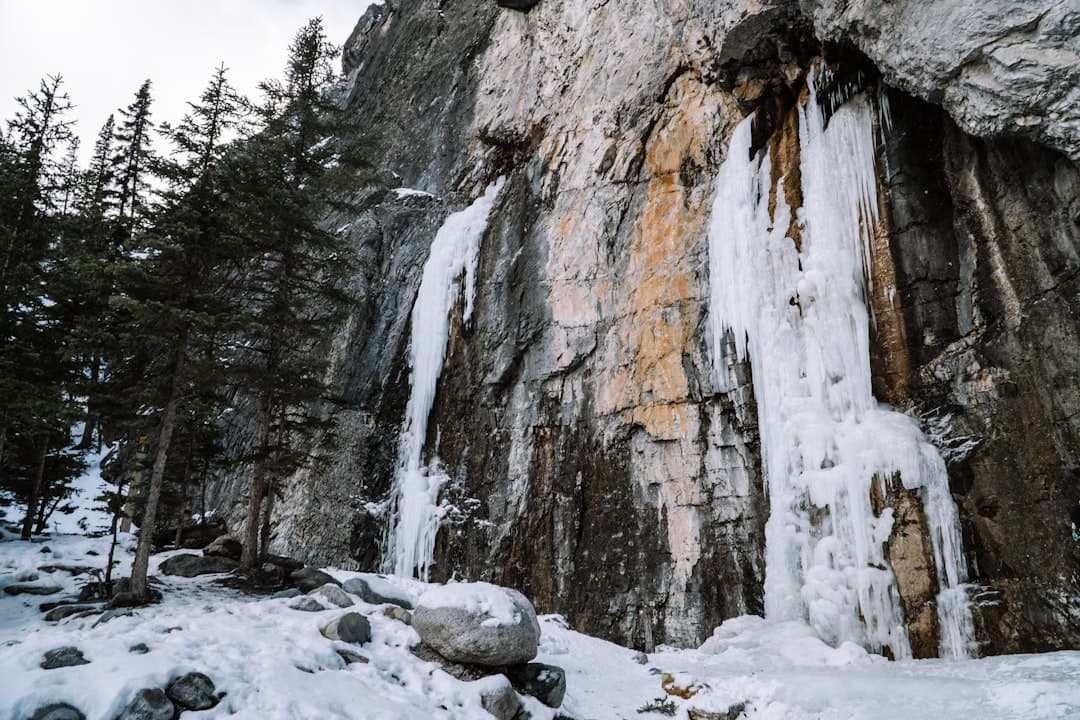
NewsPark Falls honors Tom, Carol, and Stephanie Birchell through an ice fishing contest that celebrates community, raises funds for life-saving equipment, and keeps Northwoods winter traditions alive.
 News
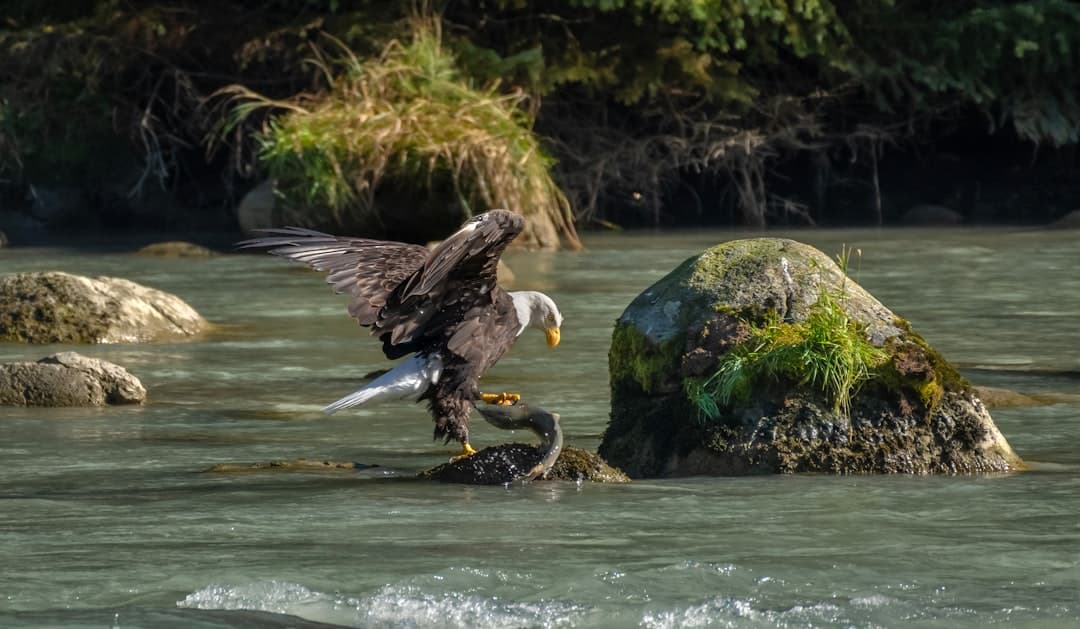
NewsBehind Eagle River’s legendary snowmobile trails are volunteer groomers like Dan Dumas, who transform rough, storm-battered snow into butter-smooth surfaces through skill, technique, and late-night dedication.
 News
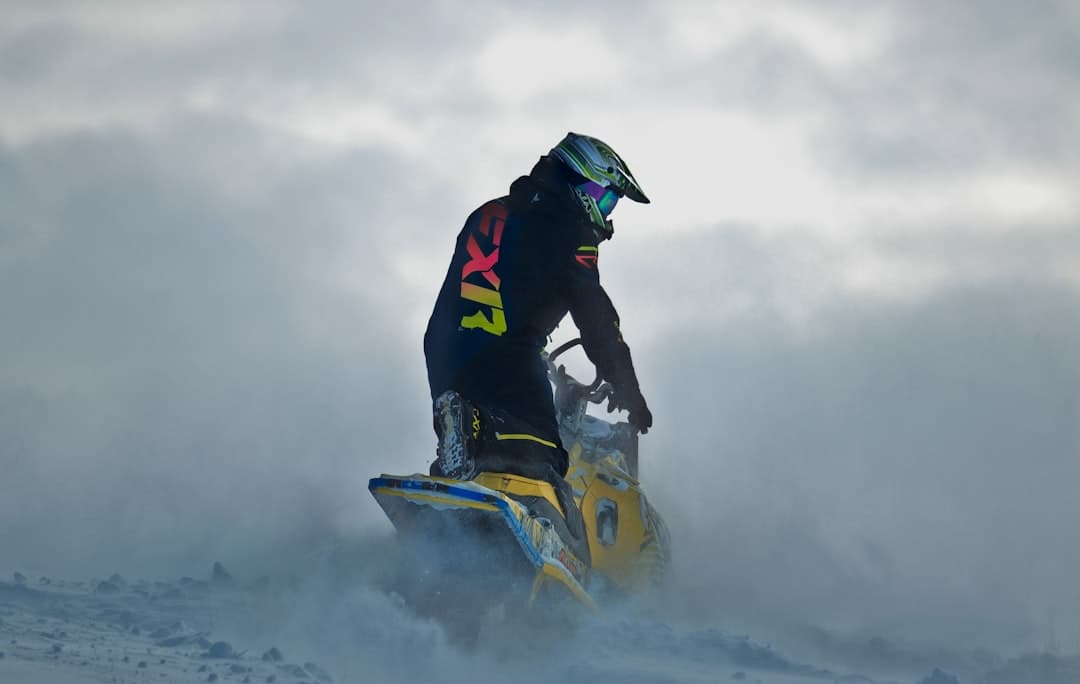
NewsNorthwoods bars and restaurants are celebrating early snowmobile season openings after two difficult winters, with businesses crediting volunteer trail clubs and hoping for sustained snow to support the region’s tourism-dependent economy.
High school Nordic skiers from across the Northwoods competed at Minocqua Winter Park’s first conference championships in 15 years, cementing the facility’s status as a premier winter sports destination.