

What is new for Northwoods Drifter in 2026
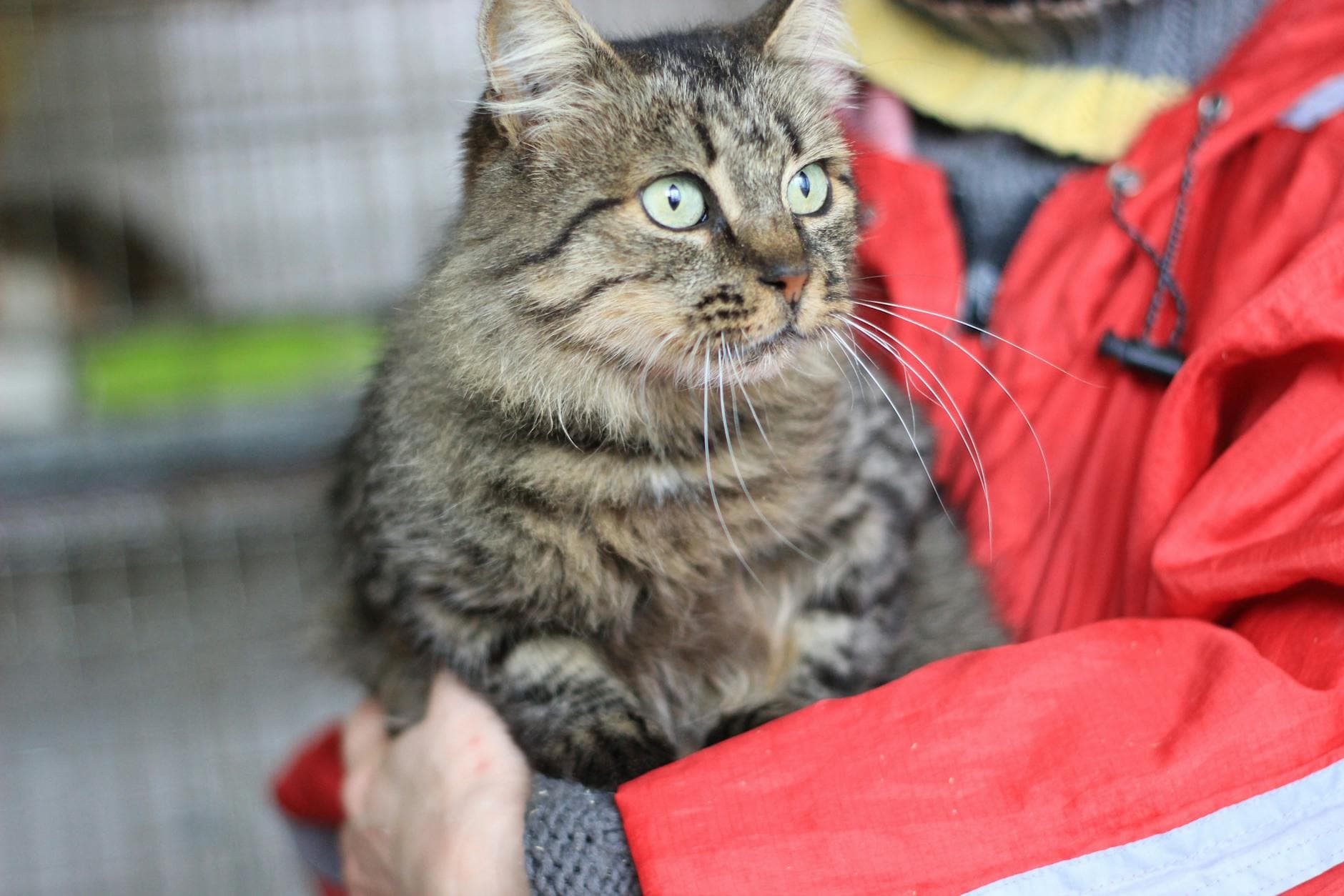
Paul Killion thought he’d lost Ringo Starr for good. Two days in the Northwoods winter without a trace—that’s usually how these stories end.
But neighbors heard something. Meowing echoed through the backyard darkness, flashlights cutting through the February cold. When they finally spotted the source, their hearts sank.
Ringo had climbed 40 feet up a tree and couldn’t get down.
The Killion family’s beloved cat had vanished earlier in the week, disappearing into the dense birch and pine forests that define life here in Vilas County. With temperatures dropping and predators roaming, the odds weren’t looking good.
“They heard meowing in the neighbor’s yard and headlights going, flashlights out,” Killion recalled. “They went and found our cat 40 feet up in a tree, out on a limb…way out.”
Finding Ringo was one thing. Getting him down safely was another challenge entirely.
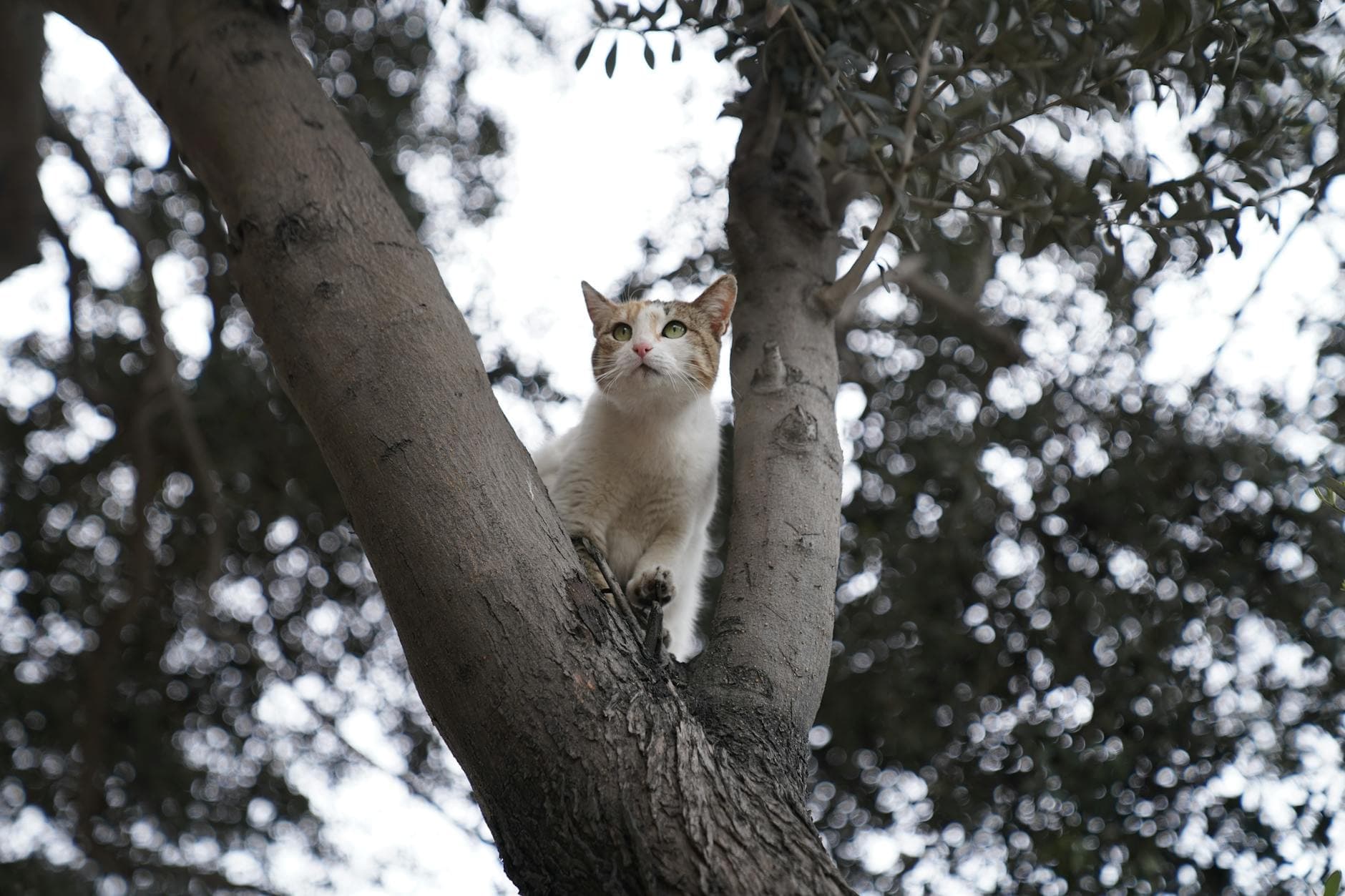
As midnight gave way to early morning, the Killions faced a grim reality. Ringo had already survived one night in the tree. Could he make it through another?
At first light, Killion called Hafer Tree Works in Phelps, about twenty minutes northeast through the forest. The response was honest but not particularly encouraging.
“He said ‘we usually don’t have a lot of luck with cats, because they usually jump,'” Killion remembered. “However, he said he’d come out and give it the old college try.”
Brent Hafer arrived within minutes. After 16 years in the tree business, climbing 40 feet barely registered as a challenge—he routinely works at heights of 80 feet or more. But cats? They’re unpredictable.
What happened next was almost too simple to believe. Hafer climbed to where Ringo was perched, precarious and exhausted after more than 24 hours in the cold.
“Called his name, hopped up on my shoulder like a little parakeet, and down we went,” Hafer said.
“It turned out to be an amazing kind of tear-jerking moment because it worked. He did an amazing job. He was fantastic.”
No drama. No jumping. Just a relieved cat and a skilled climber making their way safely back to solid ground.
This isn’t just a quirky pet story. It’s a reminder of the unique challenges that come with living in one of Wisconsin’s most wildlife-rich regions.
Eagle River sits in the heart of the world’s largest chain of interconnected freshwater lakes, surrounded by the Chequamegon-Nicolet National Forest. The area’s dense forests—spruce, cedar, hemlock, and tamarack—create the perfect habitat for everything from deer and bear to wolves and eagles.
Cats climb for several reasons up here:
With Vilas County being 70% public land and 40% water, pets wandering into deep woods is more common than you’d think. The trees here aren’t your typical backyard maples—they’re towering old-growth specimens that can easily trap a frightened animal.
Stories like Ringo’s rescue show what makes Eagle River special. This town of about 1,600 year-round residents operates on a different frequency than the rest of the world.
Neighbors don’t just hear a cat crying and go back inside. They grab flashlights and search until they find the problem. Local businesses don’t dismiss unusual requests—they show up and help.
“The Killion family will keep a much closer eye on Ringo” after this adventure, but the bigger takeaway is simpler: this is what community looks like in the Northwoods.
Whether it’s pulling a snowmobile out of a ditch, helping search for a lost hiker, or climbing 40 feet to rescue a cat, people here look out for each other. It’s the same spirit that’s sustained Eagle River through logging booms, economic shifts, and the transformation into the Snowmobile Capital of the World.
Ringo’s story ended well, but it’s a good reminder for anyone with outdoor pets in the region. The Northwoods isn’t suburbia—it’s wild country with real risks.
A few tips for pet owners:
The same forests and lakes that make this region magical also demand respect. We share this space with creatures far more adapted to winter survival than our house cats.
Ringo Starr is back home, probably sleeping off his adventure in front of a warm fireplace. The Killion family has their buddy back. And Brent Hafer proved that sometimes the tree business involves more than just clearing deadfall and trimming branches.
In a world that often feels too big and disconnected, stories like this remind us why people choose to live up north. The pace is slower. The trees are taller. And when your cat gets stuck 40 feet in the air, your neighbor will hear him crying—and someone will show up to help.
That’s the Northwoods way. And honestly? That’s worth celebrating.
Written by

Mike has been coming up or living in the Northwoods since his childhood. He is also an avid outdoorsman, writer and supper club aficionado.
 News
NewsCulver’s in Rhinelander donated 10% of Sunday sales to Wild Instincts wildlife rehab center, raising funds for the busy spring season when young animals need the most help.
 News
NewsLanglade County Health Department’s new interactive map pinpoints substance misuse resources across Antigo, reducing stigma and barriers to treatment for families seeking help in rural Wisconsin.
 News
NewsRhinelander’s Hawgs and Dawgs camp brings Wisconsin Badgers players north each spring to coach youth football inside the Hodag Dome, creating rare access to Division I talent for Northwoods athletes.
 News
NewsEvercon 2026 brought over 2,500 gamers, cosplayers, and families to Rothschild for three days of board games, video tournaments, and community connection — proving central Wisconsin’s gaming scene is thriving.