

What is new for Northwoods Drifter in 2026
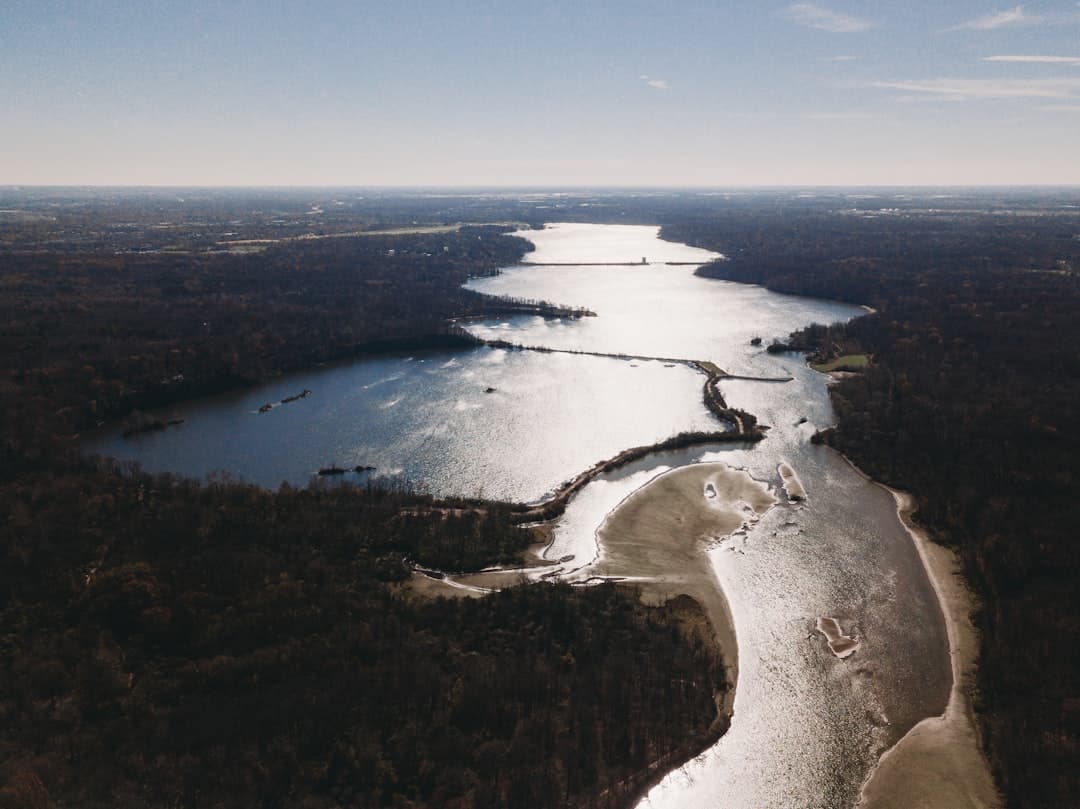
If you’ve ever pitched a tent under a canopy of towering pines or watched the sun set over one of Eagle River’s 28 lakes, you already know what the rest of the Midwest is just discovering. Eagle River has claimed the number-two spot among the best camping destinations in the Midwest, according to Campspot’s 2026 Togetherness Index—and for those of us who call the Northwoods home, it’s recognition that feels both validating and entirely expected.
The ranking, based on booking trends and length-of-stay data from Campspot’s campground reservation platform, highlights what locals like Chris Westfall, owner of Peaceful Pines Resort, have known for years. “It does come a little easy in Eagle River,” Westfall told WJFW, “because Eagle River, I feel, is like the spirit of the Northwoods. It’s got a lot of activity, it’s alive!” That spirit—rooted in clean water, abundant wildlife, and genuine hospitality—transforms a simple camping trip into something families return to year after year.
The Eagle River area isn’t just selling tent sites and RV hookups—it’s offering an experience shaped by geography and character. Situated in Vilas County, the region boasts access to the famous Chain O’ Lakes system, 28 interconnected bodies of water that create a paddler’s and angler’s paradise. Add in proximity to the 881,000-acre Chequamegon-Nicolet National Forest, and you’ve got a camping destination where the scenery does half the marketing itself.
But what truly sets Eagle River apart isn’t just the natural backdrop—it’s the quality of the camping experiences themselves. Family-owned resorts like Peaceful Pines and Chain O’ Lakes Camping Resort have built reputations on delivering genuine Northwoods hospitality rather than cookie-cutter campground experiences. These aren’t corporate operations churning through guests; they’re multigenerational family businesses where owners know regulars by name and take pride in every detail.
Carolin Fuller, Campspot’s Director of Consumer Marketing, noted that Eagle River’s ranking proves that bigger isn’t always better. “This part of the country has a real advantage when it comes to connection-driven travel because the setting naturally supports it,” she explained. Whether you’re fishing from a pontoon boat, hiking nearby trails, or simply watching for the bald eagles that gave the town its name back in 1853, Eagle River makes it genuinely easy to spend full days together without manufactured entertainment.
Eagle River’s camping culture has deeper roots than you might expect. Long before RVs and reservations, this area was drawing visitors seeking connection with nature—though the motivations have evolved considerably. In the late 1800s, wealthy Chicago families escaped to the Northwoods on the Chicago Northwestern Railroad, seeking “health retreats” in the clean air and pure water that logging hadn’t yet compromised. Early resorts marketed themselves as therapeutic escapes from urban pollution, and structures from that era, like George Dickinson’s 1884 home (now Eddie B’s White Spruce Inn), still stand as testaments to that heritage.
The transition from logging economy to tourism destination wasn’t overnight. After timber companies cleared vast swaths of forest in the 1870s-1920s, the region needed a new economic engine. Resorts filled that gap, and as automobile access improved in the 1920s, the Northwoods became accessible to middle-class families, not just railroad elites. Today’s family campgrounds are the spiritual descendants of those early fishing camps and lakeside lodges—places where simplicity and natural beauty remain the main attractions.
That history matters because it shaped the camping culture we enjoy today. Sites like Camp Tecumseh, established in 1946 on land once occupied by logging operations, demonstrate how the region has preserved its connection to the past while adapting to modern outdoor recreation. The Northwoods didn’t become a camping destination by accident—it was built intentionally by people who understood the value of wild spaces and communal experiences.
While summer camping draws the biggest crowds, Eagle River’s recognition as a top Midwest destination reflects its four-season appeal. This is, after all, the self-proclaimed Snowmobile Capital of the World, home to the World Championship Snowmobile Derby that’s been roaring across an ice oval for over 50 years. With 500 miles of groomed trails crisscrossing the region and the Snowmobile Hall of Fame and Museum documenting that heritage, winter camping and cold-weather recreation keep visitors coming long after the autumn leaves fall.
That year-round identity strengthens the camping economy in ways purely summer destinations can’t match. Resorts and campgrounds that cater to snowmobilers, cross-country skiers, and ice fishers maintain operations and employment through Wisconsin’s long winters. The diversity of outdoor activities—from May boating to January trail riding—creates a more stable tourism economy and allows family businesses like those highlighted in the Campspot ranking to thrive across all seasons.
The environmental assets that support this recreation remain remarkably intact. The Chequamegon-Nicolet National Forest provides protected camping areas like Franklin Lake Campground, where 881 acres of pristine water and surrounding wilderness offer experiences indistinguishable from what fur traders encountered in the 1850s. Bald eagles still nest along the river that gave the town its name, and the same clean water that attracted 19th-century health seekers remains a defining feature of the region.
For a region that depends heavily on tourism, rankings like Campspot’s Togetherness Index aren’t just bragging rights—they’re economic indicators with real community impact. Eagle River’s economy revolves around its 28 lakes and the seasonal homes, resorts, and recreation businesses they support. When a major booking platform identifies your town as a premier destination, it amplifies visibility far beyond what local chambers of commerce can achieve alone.
Chris Westfall expressed hope that the ranking will draw even more visitors to experience what locals already treasure. That optimism is warranted, but it also comes with responsibility. Increased camping pressure on natural areas requires thoughtful management to preserve the very qualities that earned the recognition in the first place. The balance between welcoming growth and protecting resources has defined Northwoods communities since the logging era ended—it’s a conversation that continues with every new visitor who discovers our lakes and forests.
What’s particularly encouraging about Eagle River’s recognition is that it celebrates authentic, locally-rooted hospitality rather than resort-style amenities. Fuller’s observation that people are drawn to connection-driven travel rather than flashy attractions suggests that the Northwoods approach—emphasizing natural beauty, family traditions, and genuine relationships—aligns with what modern travelers actually want. That’s good news for small family operations competing in an increasingly corporate outdoor recreation market.
If you’re a Northwoods local, the Campspot ranking might prompt you to explore camping options you’ve overlooked in your own backyard. And if you’re reading this from elsewhere, considering Eagle River for your next camping trip, you’re in for an experience that lives up to the recognition. The key to understanding this destination is recognizing what it isn’t: it’s not a theme park, it’s not a resort with every amenity, and it’s not trying to be anywhere other than exactly where it is.
What Eagle River camping offers is authenticity. It’s morning mist rising off the Chain O’ Lakes as you paddle out for early fishing. It’s the sound of loons echoing across the water at dusk. It’s campfire conversations that stretch late into the night because nobody’s rushing to the next scheduled activity. It’s the kind of outdoor experience that creates family traditions spanning generations—the reason booking data shows people don’t just visit once, they return year after year.
As we head deeper into 2026’s camping season, Eagle River’s recognition as the Midwest’s second-best camping destination serves as an invitation. Whether you’re a longtime visitor, a curious newcomer, or a local who’s been taking these resources for granted, there’s never been a better time to experience what makes Northwoods camping genuinely special. Pack your tent, grab your fishing pole, and discover why the spirit of the Northwoods keeps drawing people back to these pine-scented shores.
Written by

Mike has been coming up or living in the Northwoods since his childhood. He is also an avid outdoorsman, writer and supper club aficionado.
 News
NewsAt the North Lakeland Discovery Center, locals are learning that Northwoods pine trees offer more than scenery—they’re a natural pharmacy our ancestors knew well, providing healing resins for everything from skin conditions to bug bites.
 News
NewsBoulder Junction volunteers and businesses rallied to clear storm-damaged snowmobile trails, showcasing the community spirit and economic importance of winter recreation in the Northwoods.
 News
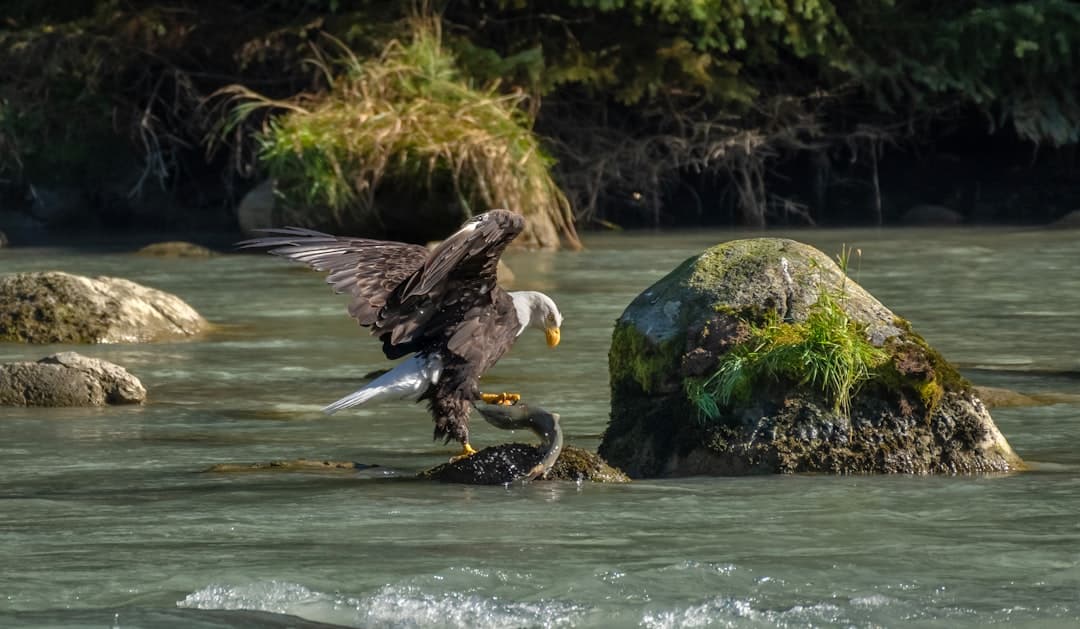
NewsEagle River earned second place among Midwest camping destinations on Campspot’s 2026 Togetherness Index, recognizing family-owned resorts and the community’s 28-lake chain, forests, and authentic Northwoods hospitality.
 News
NewsWhite-tailed deer survive Northwoods winters through remarkable adaptations: hollow insulating fur, massive fat reserves, and strategic shelter in conifer stands where they yard together.