

What is new for Northwoods Drifter in 2026
If you’ve ridden the snowmobile trails around Eagle River lately, you’ve probably noticed something remarkable — that glass-smooth surface beneath your skis that makes the miles fly by. That’s no accident. Behind every perfect run through the Northwoods forest, there’s a grooming operator like Dan Dumas, who’s been perfecting his craft since 2018 as the operations manager for the Eagle River Sno-Eagles.
Grooming isn’t just driving a machine down a trail, though it might look that way to riders zipping past at 50 miles per hour. It’s an art form that requires concentration, technique, and an intimate knowledge of snow behavior. After this past weekend’s winter storm dumped fresh powder across Vilas County, Dumas and his fellow volunteers were right back out there, checking for downed branches, clearing tree damage, and working their magic to transform rough, storm-battered trails into the kind of riding surface that makes Eagle River the “Snowmobile Capital of the World.”
The Sno-Eagles maintain over 500 miles of trails in the region, a network that’s been growing and improving since the club’s founding back in 1965. That’s a lot of ground to cover, and every mile matters to the thousands of riders who pour into the Northwoods each winter, looking for that perfect blend of speed, scenery, and community that you just can’t find anywhere else.
Most folks have seen a groomer rumbling down the trail at night, but few understand the sophisticated process happening behind that massive machine. The groomer uses a series of plow-like shovels that grate the surface of the snow, breaking up the rough texture left by the day’s riders. But here’s where it gets interesting — those grates create friction that slightly moistens the snow, and then the cold night air does its work, freezing that moisture to create a solid base that’ll last the entire season.
The real artistry comes in knowing how to use the snow itself as your medium. Dumas has mastered the technique of pulling snow from the edges of the trail to fill in divots and holes created by traffic. A pan system off the back of the groomer compresses and smooths everything out, leaving behind that signature corduroy pattern that riders love. It’s not just about making things pretty, though — it’s about safety, longevity, and creating a sustainable trail system that can handle heavy use throughout the winter.
Timing matters too. Groomers work primarily at night when temperatures drop and the snow can properly settle and freeze. Try to do the same work during the day, and you’re fighting against warmer conditions that prevent that crucial freezing process. It’s why you’ll often see groomer operators heading out around dusk and working well into the early morning hours, sacrificing sleep so riders can wake up to perfect conditions.
There’s a reason Eagle River earned its “Snowmobile Capital of the World” title back in 1974, and it’s not just marketing hype. The town sits near Sayner, where Carl Eliason invented one of the first snowmobiles, and that pioneering spirit has never left the area. The Sno-Eagles club itself started in 1965 when local enthusiasts like Doc Doyle and Rudy Spiess saw the need for organized trail development and community support.
Those early members didn’t just build trails — they innovated the entire sport. The club created the first reflective orange diamond trail markers that became standard across Wisconsin, and they pioneered the angled-blade groomer drag that revolutionized trail maintenance. Today, the Sno-Eagles are part of the Vilas County Snowmobile Alliance, with 11 clubs working together to maintain the incredible network of trails that makes this region a winter destination for riders from across the country.
The club’s volunteer spirit runs deep. Every January, Eagle River hosts the World Championship Snowmobile Derby, drawing competitors from around the globe to race on a half-mile oval track. The town builds an Ice Castle from 3,000 blocks of lake ice, a tradition dating back to 1933. And initiatives like Women on Snow rides are expanding participation, making sure the next generation of riders feels welcome on these trails.
Ask Dan Dumas why he spends his nights in a groomer cab, and he’ll tell you it’s about giving back to the community and the sport he loves. There’s something special about the camaraderie among Northwoods snowmobilers — the thumbs up from riders who appreciate fresh grooming, the shared meals at trail-side spots like Toad in the Hole, the way strangers become friends when they’re all out enjoying the same frozen landscape.
That sense of community extends beyond just riders. The Sno-Eagles coordinate with private landowners who generously allow trails across their property, work with the Wisconsin DNR on regulations and land use, and carefully balance recreation with environmental protection. It’s a partnership that’s sustained this trail system for nearly 60 years, and it requires constant attention and respect from everyone involved.
Riders help too. When you’re out on the trails and spot a downed branch or tree damage, reporting it to the club means groomers like Dumas can address the problem quickly. It’s a two-way relationship — the club maintains the trails, and riders help be eyes on the ground for issues that need attention. That’s the kind of collaborative spirit that makes the Northwoods special.
With the recent winter storm dropping fresh snow across the region, conditions are shaping up nicely for what could be an excellent season. The early snowfall gives groomers a solid base to work with, and Dumas expects trail conditions to keep improving as the season progresses. The real magic happens when natural snowfall combines with expert grooming — you get that perfect surface that makes you forget you’re riding on frozen water and just lets you focus on the stunning forest scenery rolling past.
For the Snowmobile Capital of the World, this is peak season. Lodges are booking up, local restaurants are stocking extra fish fry supplies, and gas stations along the trails are ready for the influx of riders who’ll stop in for fuel, snacks, and directions. The economic impact of snowmobiling on Eagle River and the surrounding communities can’t be overstated — it’s what keeps many Northwoods businesses thriving through the long winter months.
So next time you’re carving through fresh corduroy on a crisp January morning, take a second to appreciate the volunteer groomer operators who made that experience possible. They’re out there in the dark, working the night shift, turning grooming into an art form so you can have the ride of your life. That’s the Northwoods way — folks looking out for each other, sharing what they love, and making sure everyone gets to experience the magic of winter up north. Ya know, it’s just what we do.
Written by

Mike has been coming up or living in the Northwoods since his childhood. He is also an avid outdoorsman, writer and supper club aficionado.
 News
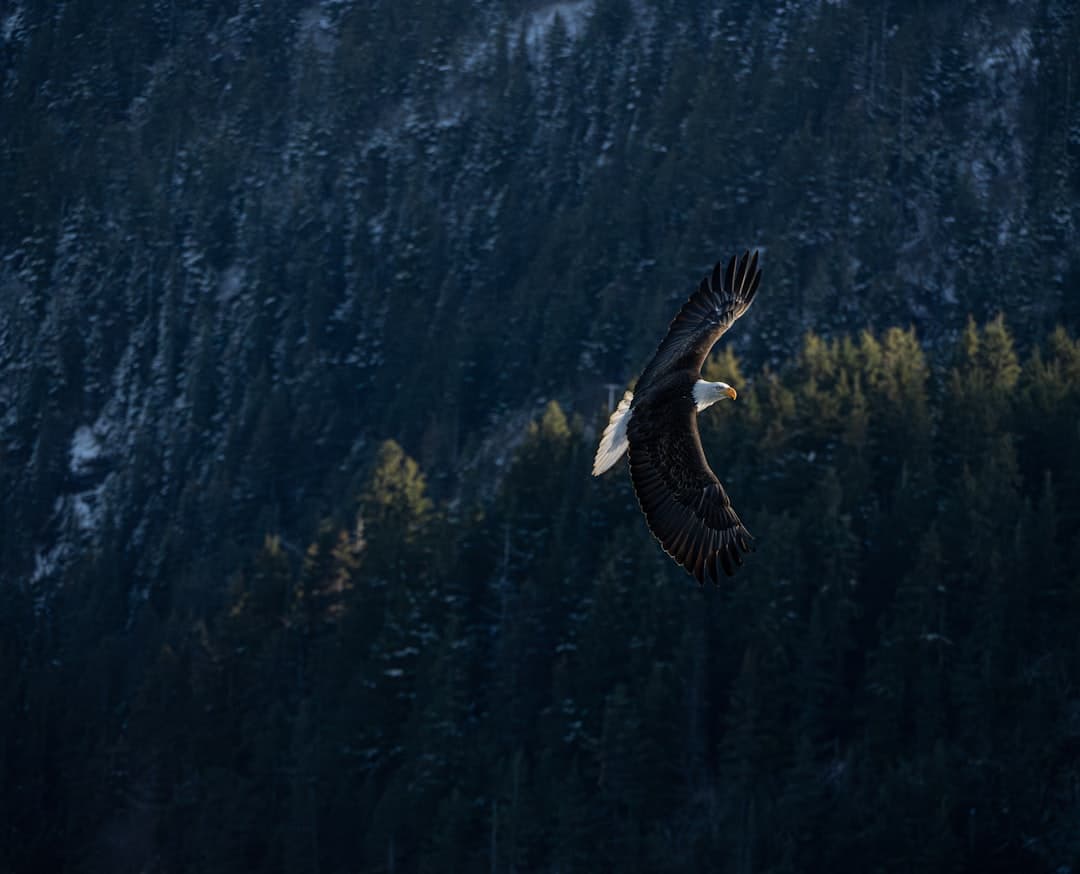
NewsA bald eagle rescued near Minocqua highlights the lead poisoning crisis affecting nearly 90% of Northwoods eagles — and what local sportsmen can do to help.
 News
NewsPark Falls honors Tom, Carol, and Stephanie Birchell through an ice fishing contest that celebrates community, raises funds for life-saving equipment, and keeps Northwoods winter traditions alive.
 News
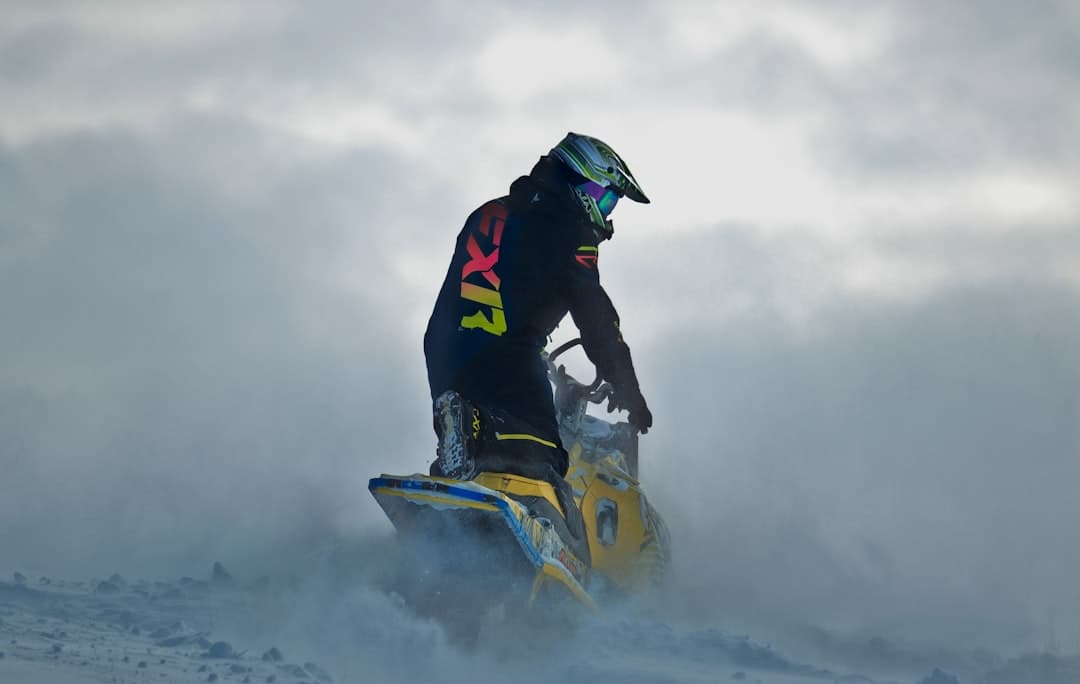
NewsNorthwoods bars and restaurants are celebrating early snowmobile season openings after two difficult winters, with businesses crediting volunteer trail clubs and hoping for sustained snow to support the region’s tourism-dependent economy.
High school Nordic skiers from across the Northwoods competed at Minocqua Winter Park’s first conference championships in 15 years, cementing the facility’s status as a premier winter sports destination.