

What is new for Northwoods Drifter in 2026
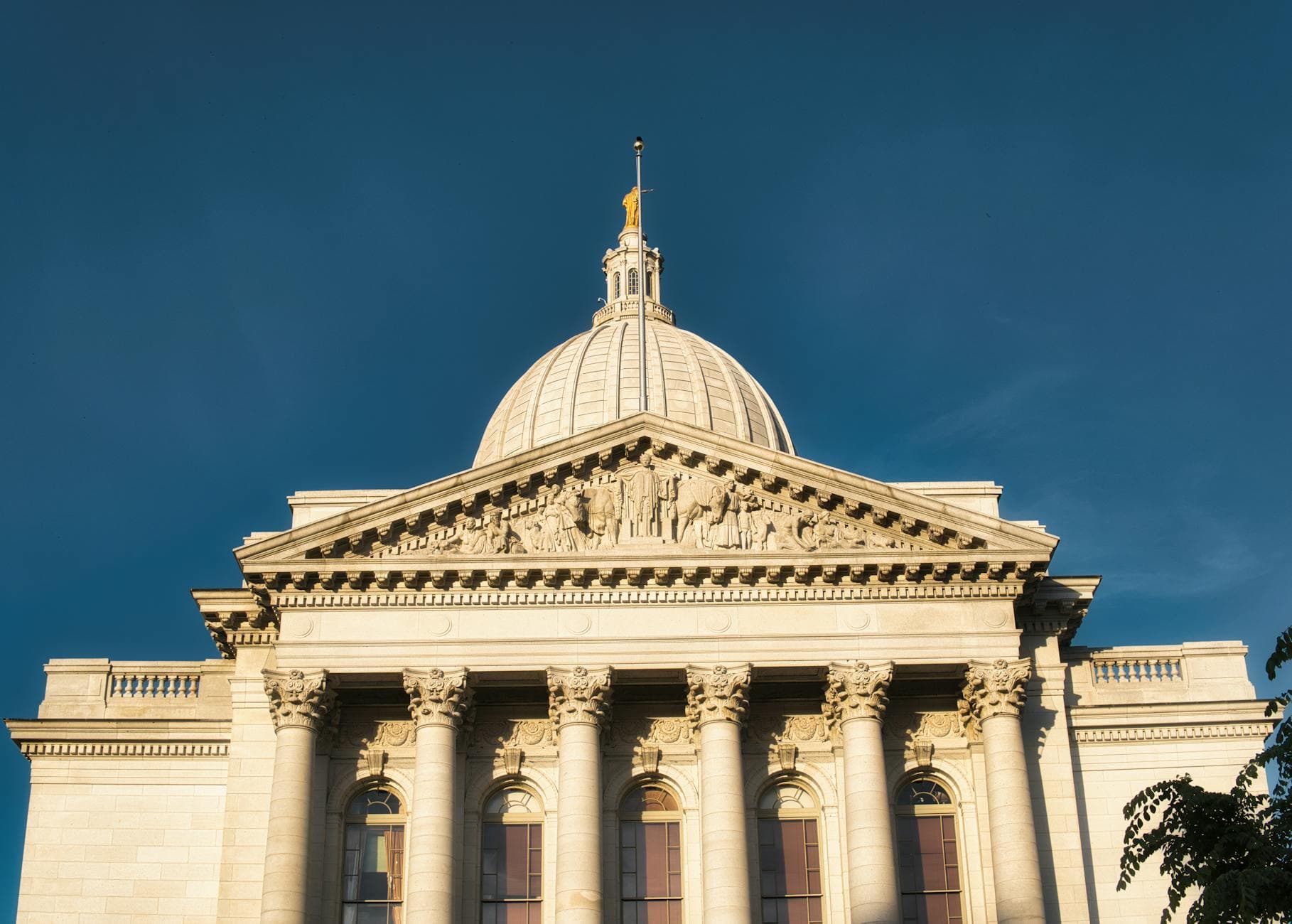
Wisconsin stands at a crossroads this month as the state Senate prepares to vote on legislation that could fundamentally change how schools protect children from sexual abuse. After a decade of failed attempts, Erin’s Law—now passed in 38 states—remains stuck in legislative limbo here at home.
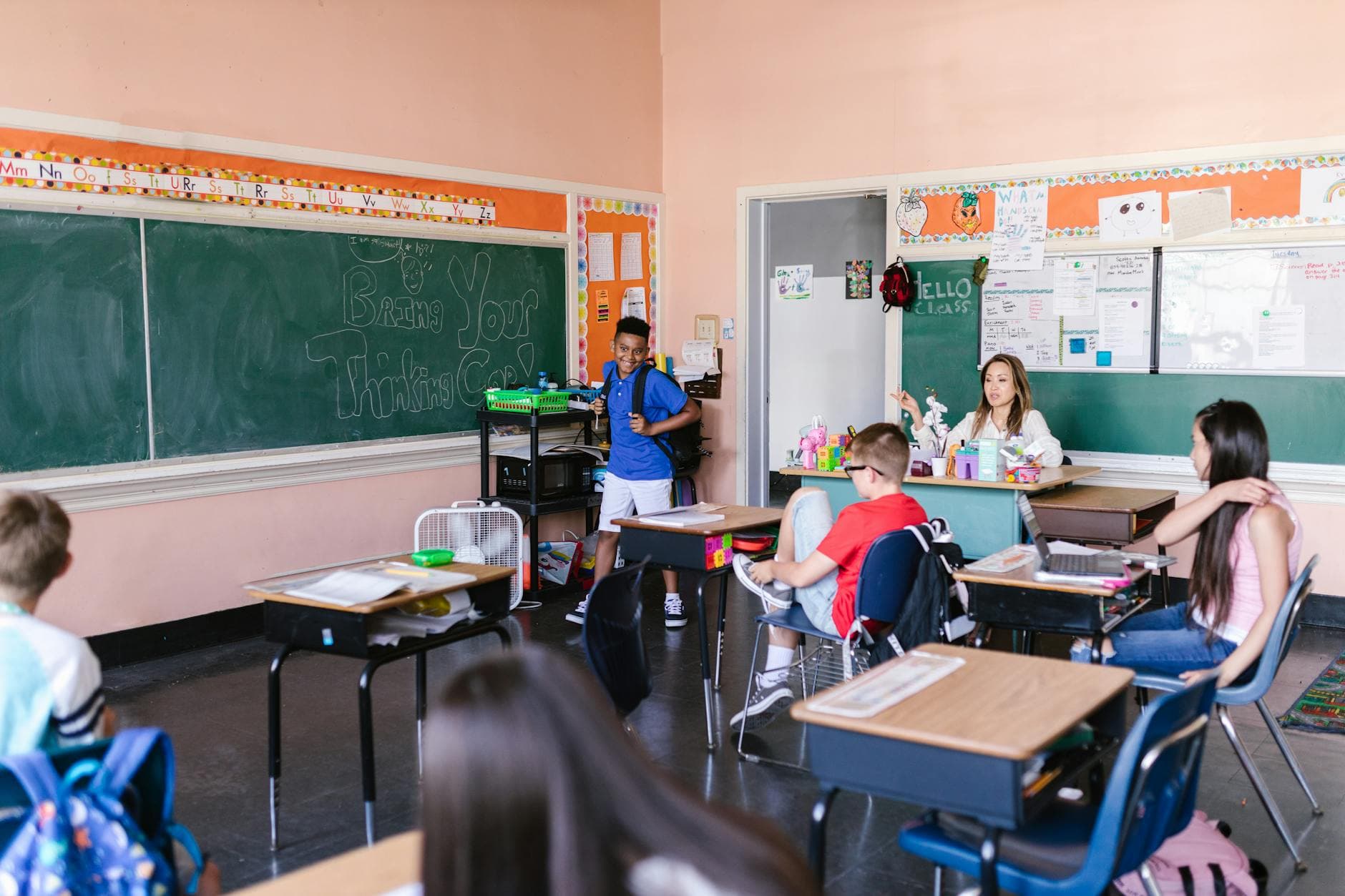
For parents and educators across the Northwoods, this isn’t just another Madison debate. It’s about whether our schools will finally teach kids the difference between safe and unsafe touch, and give them the courage to speak up when something’s wrong.
The proposed legislation requires public schools to provide one hour of personal body safety education annually for every student from kindergarten through 12th grade. That’s it—one hour per year to teach kids about their bodies, boundaries, and when to ask a trusted adult for help.
Think about what we already mandate in our schools: tornado drills, fire drills, internet safety lessons, even mass shooting protocols. Yet teaching children about personal safety from sexual abuse—something statistically more likely to affect them than any natural disaster—remains optional.
The statistics paint a sobering picture. One in four girls and one in six boys experience sexual abuse by age 18. In a typical Northwoods classroom of 24 students, that means potentially six kids who will face this trauma before they graduate.
Erin Merryn, who created the law after surviving childhood sexual abuse herself, has watched Wisconsin reject this legislation ten times over the past decade. She’s frustrated, and she’s not hiding it.
“Nobody should be against this unless you’re abusing children. We need to educate kids because children are far more likely to be sexually abused than to experience a tornado or fire.”
Some state senators have expressed resistance to adding new mandates on schools. The argument goes that districts should have local control over curriculum decisions, not Madison telling them what to teach.
Governor Tony Evers supports the legislation, but support from the executive branch hasn’t been enough to move the needle in the Senate. With just weeks left in the current legislative session, advocates fear the bill won’t even make it to the floor for a vote.
When New York finally passed Erin’s Law in 2019 after eight years of legislative battles, something remarkable happened in the first year. Nine children at Northwood Elementary came forward to report that their principal had been molesting them. He was convicted and sentenced to 20 years in prison.
Those children found their voices because someone taught them the words to use. They learned that what was happening wasn’t normal, wasn’t their fault, and that they could tell someone who would believe them.
Here’s the harder truth: if New York had passed the law eight years earlier, many of those children wouldn’t have been in that school yet. They would have been protected before the abuse ever started.

Wisconsin hasn’t been completely idle on protecting kids. Last year, the state passed two significant bills addressing sexual misconduct in schools.
Senate Bill 439 clarified that consent cannot be used as a defense in grooming cases and expanded protections for students. Senate Bill 413 extended the statute of limitations for prosecuting sexual assault and expanded immunity for victims.
These are important steps forward. But they address what happens after abuse occurs—prosecution, protection, justice. Erin’s Law takes a different approach: prevention through education.
In our small towns and tight-knit communities, we like to think we know everyone and that our kids are safe. The reality is more complicated. Sexual abuse happens in every community, regardless of size, income, or how well neighbors know each other.
The Northwoods way has always been looking out for each other. Teaching our kids about body safety fits right into that tradition—it’s just another way of making sure everyone gets home safe.
Erin Merryn isn’t giving up on Wisconsin. “I don’t go away,” she said. “I will badger the Badger State until they do the right thing and pass this.”
The Senate vote could happen within the next week, though advocates worry it may not reach the calendar at all. For those who want to see this law pass, contacting your state senator is the most direct action you can take. Let them know that one hour per year is a small price to pay for protecting our children.
Whatever happens in Madison, the conversation has started in communities across Wisconsin. Parents are talking about how to teach their kids about body safety. Schools are considering voluntary programs. And survivors like Erin Merryn keep sharing their stories, refusing to let lawmakers forget what’s at stake.
The question isn’t whether we can afford to teach kids about personal safety. It’s whether we can afford not to.
Written by

Mike has been coming up or living in the Northwoods since his childhood. He is also an avid outdoorsman, writer and supper club aficionado.
 News
NewsCulver’s in Rhinelander donated 10% of Sunday sales to Wild Instincts wildlife rehab center, raising funds for the busy spring season when young animals need the most help.
 News
NewsLanglade County Health Department’s new interactive map pinpoints substance misuse resources across Antigo, reducing stigma and barriers to treatment for families seeking help in rural Wisconsin.
 News
NewsRhinelander’s Hawgs and Dawgs camp brings Wisconsin Badgers players north each spring to coach youth football inside the Hodag Dome, creating rare access to Division I talent for Northwoods athletes.
 News
NewsEvercon 2026 brought over 2,500 gamers, cosplayers, and families to Rothschild for three days of board games, video tournaments, and community connection — proving central Wisconsin’s gaming scene is thriving.