

What is new for Northwoods Drifter in 2026
Every summer, kids from across Wisconsin—including the Northwoods—arrive at a lakeside camp with anticipation written on their faces. They’re not just looking forward to swimming or horseback riding. They’re waiting to see their brothers and sisters.
For children separated by the foster care system, that reunion might be the only time all year they get to wake up under the same roof.
Belong Wisconsin runs the state’s only camp dedicated to bringing foster siblings back together. Their week-long Sibling Camp draws 30 to 70 kids annually from all 72 counties, creating a space where separated brothers and sisters can simply be family again.
Wisconsin’s foster care system serves around 7,000 children at any given time. Research shows that half to 80% of siblings entering foster care get placed in separate homes.
The math tells a hard story. Finding one family willing to foster three or four siblings at once? That’s rare, especially in rural areas like the Northwoods where foster homes are already scarce.
“These siblings don’t get to do the normal, everyday activities that other people might take for granted,” said Eshalon Mayer, executive director of Belong Wisconsin. “Sharing a meal, saying goodnight at the end of the night, being able to have sibling conflict and maybe argue and maybe fight and be annoyed by each other.”
State law requires reasonable efforts to keep siblings together. But when a Rhinelander case worker is searching for placements and the closest available home is two counties away, those good intentions hit real-world barriers.
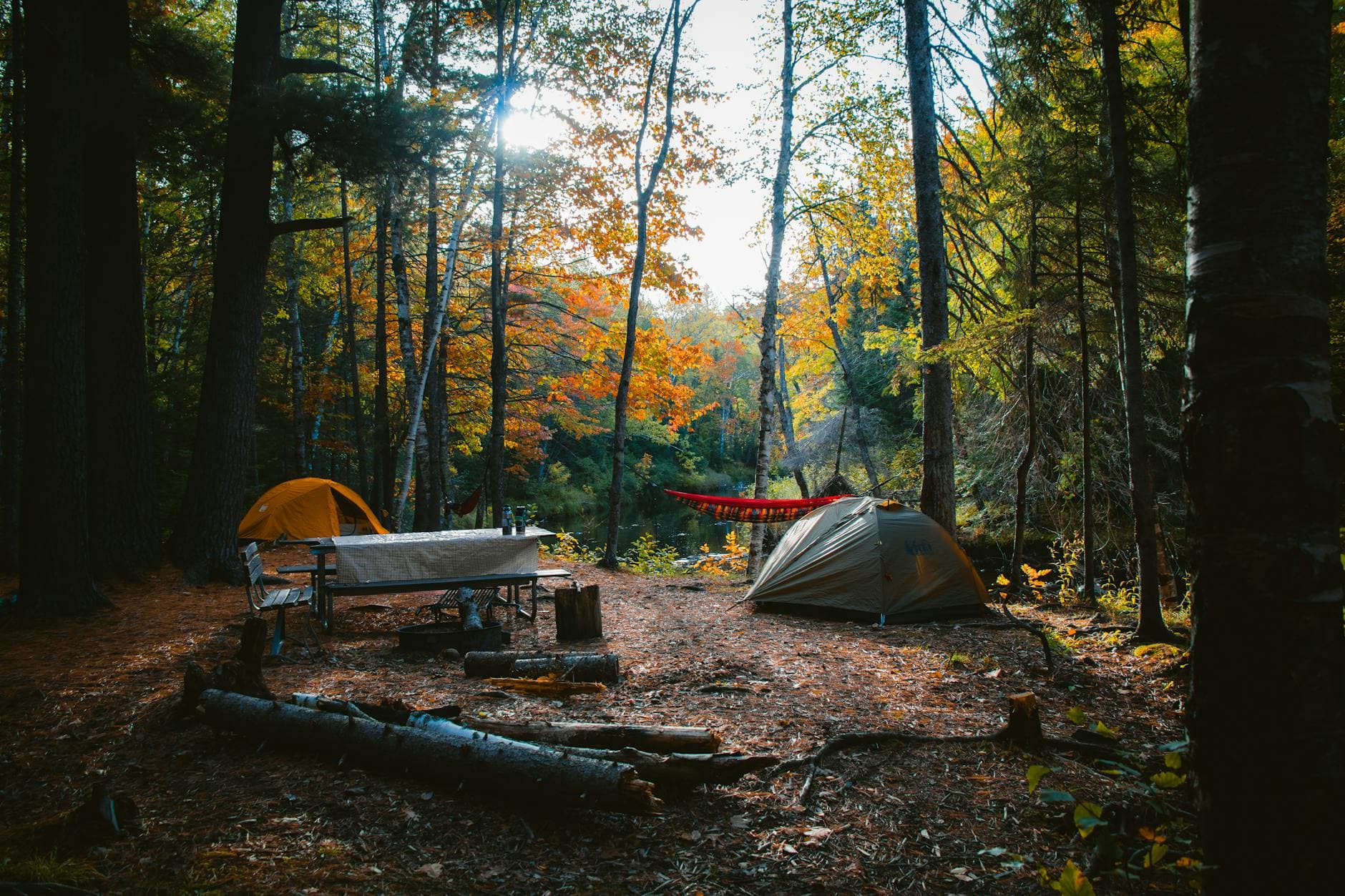
Camp Anokijig sits on 450 acres along Little Elkhart Lake near Plymouth. For one week each summer, it becomes home to dozens of siblings who might live hours apart the rest of the year.
The activities read like any summer camp roster:
But the magic isn’t in the activities themselves. It’s in doing them together.
One camper can wake up their brother for breakfast. Another can braid her sister’s hair before the talent show. They get to bicker over board games and make up before lights out—the rhythms of siblinghood that distance usually steals.
Belong Wisconsin spends roughly $2,000 to send each child to camp. None of that cost falls on the families or foster parents.
The nonprofit runs entirely on donations and volunteer counselors who give their time for free. Right now, they’re working to raise $65,000 by April 1st—enough to bring 55 kids to this year’s camp.
For many Northwoods families, coordinating sibling visits means hours of driving across county or state lines. Social workers juggle schedules. Foster parents navigate logistics. Some kids only see their siblings once or twice a year, if that.
“Some of our kids only see each other at our summer camp. Our program is a really accessible way for those families to know they can get those kids together.” — Eshalon Mayer
Last summer, 42 campers attended despite rising costs. The organization partnered with Wisconsin’s Department of Children and Families to secure 2025 funding, but 2026 remains uncertain.
Belong Wisconsin started as part of a national organization called Camp To Belong, founded in 1998 by Lynn Price after her own experience with sibling separation in foster care. Wisconsin’s chapter launched in 2013, hosting its first camp in 2015 with 30 siblings.
The state chapter eventually became independent to focus on Wisconsin’s specific needs. A decade later, the mission remains urgent.
Mayer describes the camp as having a ripple effect. One week creates memories that carry kids through the other 51. Siblings exchange letters. They count down days until next summer. Those connections become anchors.
For Northwoods kids especially—where distance between placements can span vast stretches of forest and lake country—that anchor matters. A child in Eagle River might have a sister in Wausau and a brother in Green Bay. Camp becomes the one place their family exists in the same zip code.
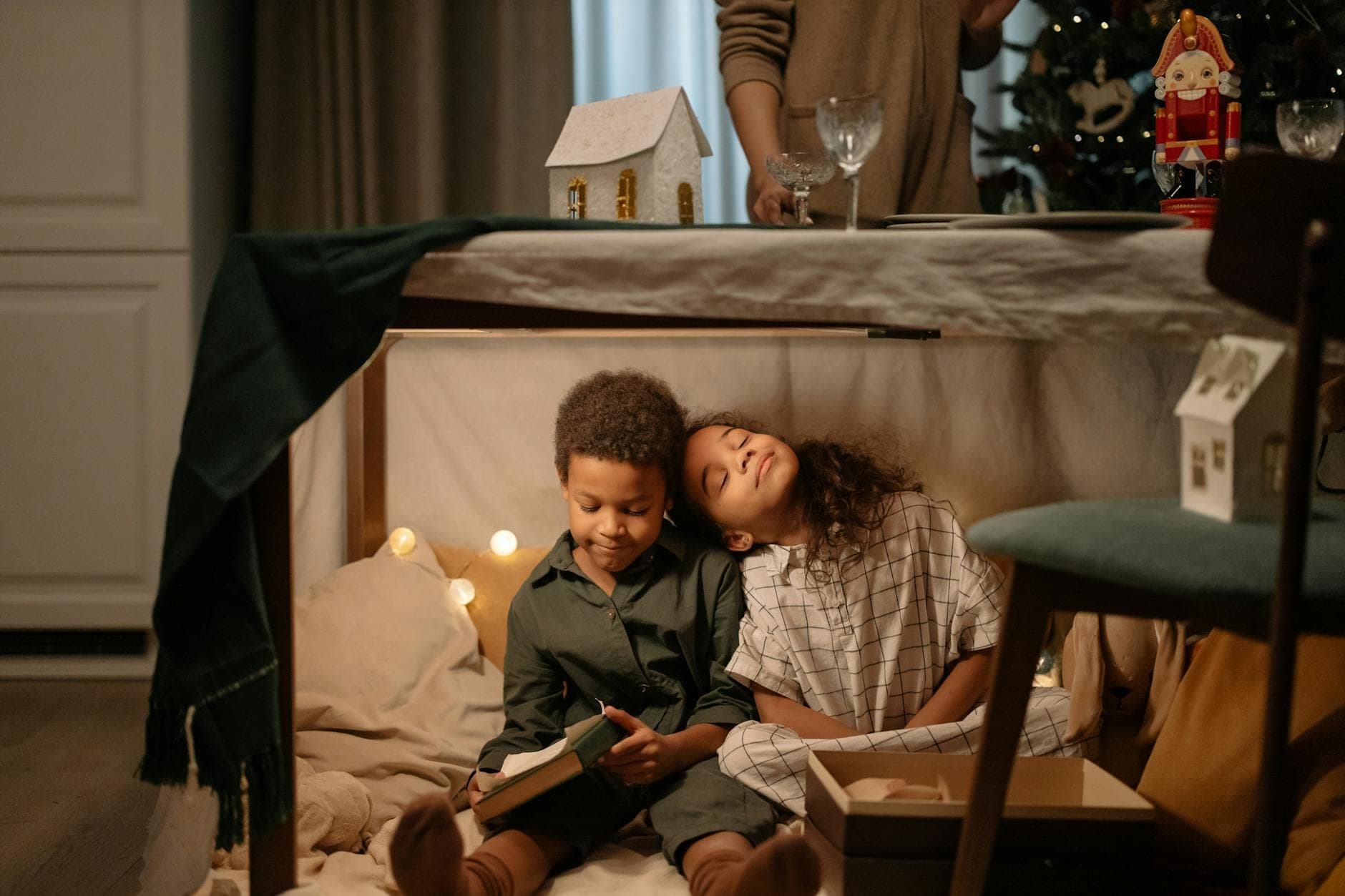
The camp operates on a simple truth: sibling bonds are worth protecting, even when the system can’t keep kids in the same home.
Research backs this up. Siblings who maintain connections during foster care show better outcomes for mental health and resilience. They have someone who shares their history, who remembers life before placement, who can say “yeah, me too” when nobody else understands.
Wisconsin has the infrastructure—72 counties, hundreds of social workers, thousands of foster families doing hard work every day. What’s often missing is the bridge between separated siblings.
Belong Wisconsin builds that bridge one summer at a time. They rely on people showing up with donations, volunteer hours, and the belief that a week of siblinghood is worth the investment.
For families across the Northwoods and beyond, that investment pays forward in ways that last long after the campfire smoke clears. Visit Belong Wisconsin’s website to support this year’s camp—or to learn how your community can help keep siblings connected year-round.
Written by

Mike has been coming up or living in the Northwoods since his childhood. He is also an avid outdoorsman, writer and supper club aficionado.
 News
NewsTwo young Rhinelander entrepreneurs opened the Northwoods’ first dedicated boxing gym, filling a decades-long gap and giving local fighters a place to train without driving hours south.
 News
NewsRib Lake’s new gymnasium caps a $19.5M community-funded renovation connecting separated buildings and bringing tournament-quality facilities to a rural Northwoods district.
 News
NewsThe legendary Apostle Islands ice caves opened for the first time since 2015, drawing thousands to Lake Superior’s frozen shore before a storm closed them again. Here’s why these formations are so rare and so magical.
 News
NewsMarathon County Historical Society’s new 38,096-square-foot archive center will consolidate 70 years of Northwoods artifacts into climate-controlled storage, preserving lumber-era history for future generations.