

What is new for Northwoods Drifter in 2026
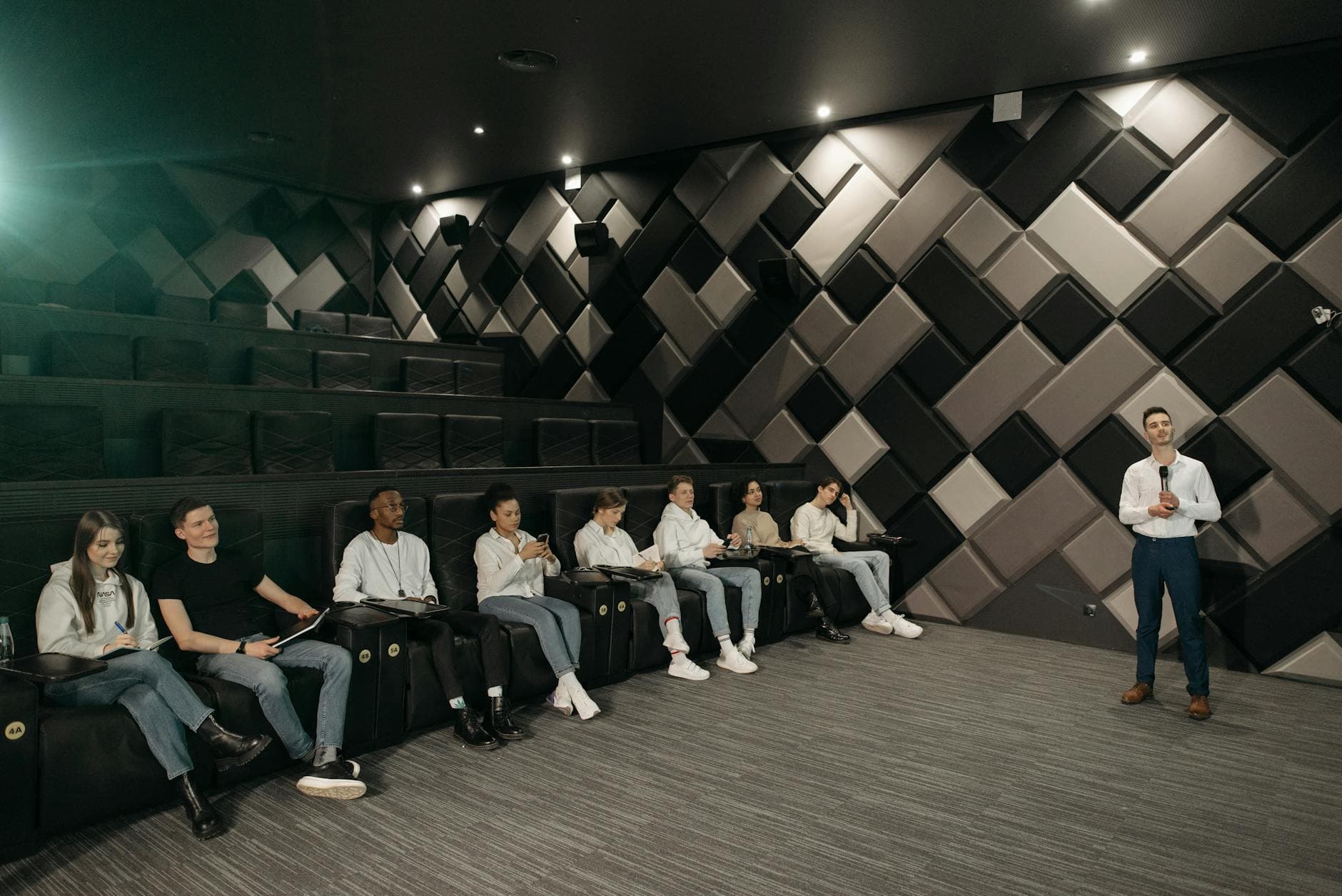
Students from Wausau high schools filled the seats at the Grand Theater Wednesday for a history lesson unlike anything in their textbooks. Second-generation Holocaust survivors stood on that stage sharing their families’ stories — not as distant facts from the 1940s, but as lived experiences that still shape lives today.
Louise Jesse showed video clips of her father recounting his survival in Greece during the Holocaust. Marty Thau described how his father escaped into the woods, spending months alone after Nazis took his family away. These aren’t stories you find in every classroom up here in the Northwoods, which makes this kind of program all the more powerful for our students.
The Holocaust Education Resource Center organized the event, marking the second year they’ve brought this programming to Wausau. It’s part of a statewide effort to keep these stories alive while the generation that lived through them fades into history.
Wisconsin requires Holocaust education in grades 5-12 under Wisconsin Act 30. But there’s a difference between reading about genocide in a textbook and hearing someone describe how their grandfather survived on scraps in the forest.
“I sit there and I look at him talking every single time I do this almost with a new lens and appreciation,” Jesse said about watching her father’s preserved testimony. “That is incredibly powerful that he is preserved to talk almost directly with the students.”
As Holocaust survivors age, their children have become the primary carriers of these family histories. Second-generation survivors like Jesse and Thau bridge the gap between historical event and present-day relevance.
Thau worries that memory is fading too quickly. “We are forgetting what happened, 30s, 40s, and 50s,” he said, connecting his family’s experience to current events. “What’s going on in the world today, and different parts of the country. Hatred, antisemitism and a lot of torture.”
The presentations weren’t designed to leave students overwhelmed by darkness. Jesse and Thau wanted something more — they wanted to inspire courage.
“If we see that someone is being mistreated because of what they look like, what they believe, or where they’re from that we have the courage to stand up and do the right thing.”
D.C. Everest High School sophomore Morea Hansen felt that message land. “Honestly makes me feel like I can do anything,” she said. “There’s going to be difficult times but if they can do that, and have that much resilience, then I know I can.”
That’s the kind of takeaway that matters in our Northwoods communities. We value resilience up here — it’s how folks get through long winters and tough times. Connecting that local character to historical courage helps students see themselves as part of a larger story.
The Nathan & Esther Pelz Holocaust Education Resource Center serves as Wisconsin’s primary hub for this kind of programming. Based in Milwaukee, they reach across the state — including up here to the Northwoods.
Here’s what HERC provides to Wisconsin schools and communities:
For teachers in Vilas, Oneida, Iron, and surrounding counties, these resources make it easier to meet Wisconsin’s educational requirements while creating meaningful learning experiences. It’s one thing to assign a chapter. It’s another to bring living history into a local theater.
The Wausau event highlights a race against time. As the last Holocaust survivors reach their final years, second-generation voices become crucial for preservation. Jesse’s decision to record her father on video means future students will still hear his voice, still see his face, still feel that direct connection.
That matters particularly in communities like ours, where students might never meet a Holocaust survivor in person. The Northwoods doesn’t have the large Jewish population centers you’d find downstate, which makes programs like this essential for bringing diverse historical perspectives to our schools.
Thau’s father never got to say goodbye to his parents and brothers. That loss echoes through generations. But by sharing that story with Wausau students, something redemptive happens — memory survives, lessons transfer, and young people gain tools to recognize hatred before it metastasizes.
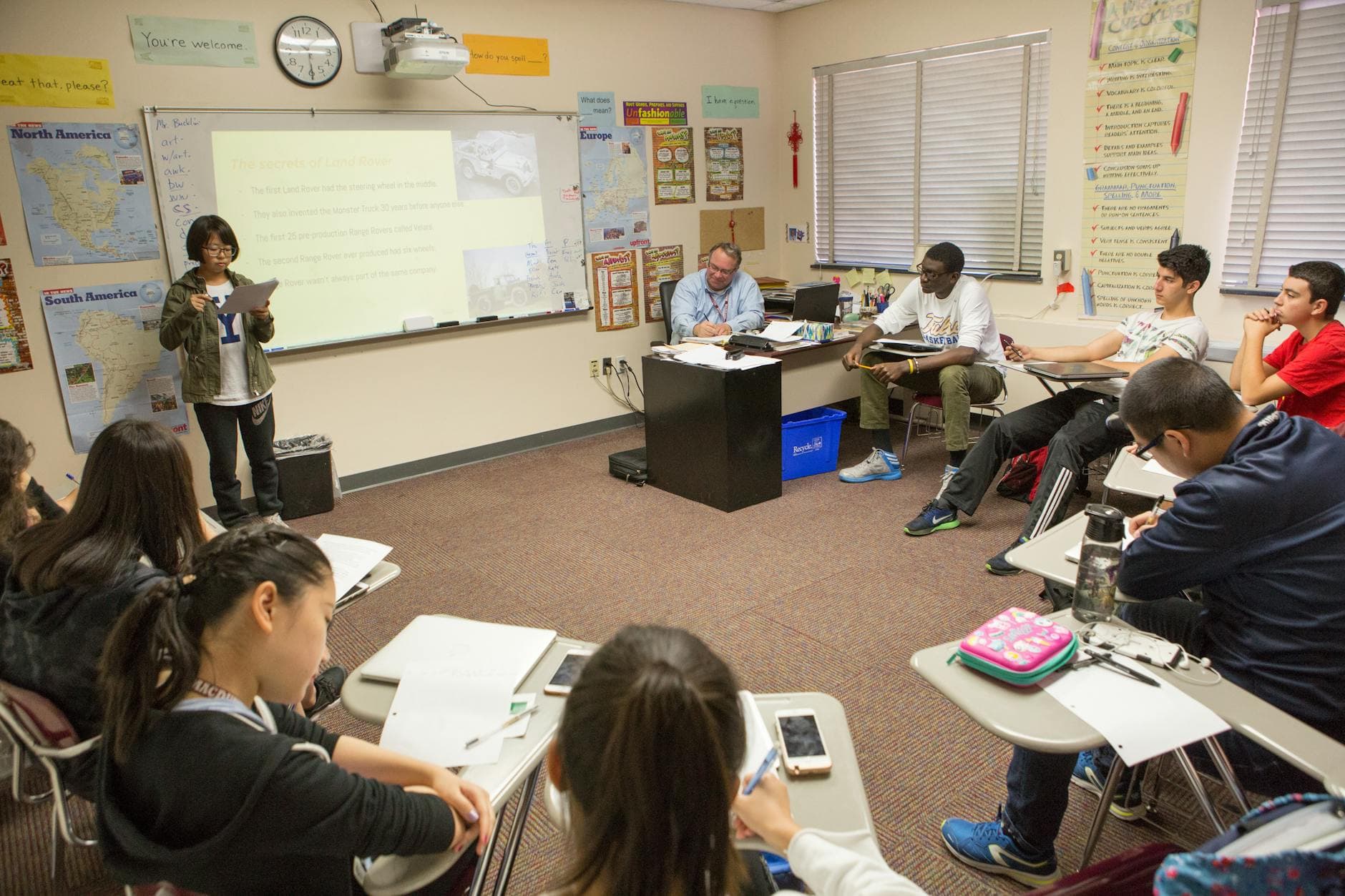
Holocaust education in Wisconsin aims to create what educators call “upstanders, not bystanders” — people who act when they witness injustice rather than looking away. That’s a value that fits naturally with Northwoods character.
Our communities know something about looking out for neighbors. When someone’s car slides off a winter road or a tree falls across a driveway, folks show up to help. Holocaust education asks students to extend that same instinct beyond their immediate circle — to stand up when they see anyone being targeted for who they are.
The Grand Theater presentation gave students historical context and personal inspiration. But the real test comes later, in school hallways and online spaces, when they face smaller moments of cruelty or exclusion. Those are the moments when Jesse’s and Thau’s family stories matter most.
As more schools across northern Wisconsin bring in Holocaust education programming, they’re not just teaching history. They’re asking students to carry forward a specific kind of moral courage — the kind that says never again, and means it.
Written by

Mike has been coming up or living in the Northwoods since his childhood. He is also an avid outdoorsman, writer and supper club aficionado.
 News
NewsCulver’s in Rhinelander donated 10% of Sunday sales to Wild Instincts wildlife rehab center, raising funds for the busy spring season when young animals need the most help.
 News
NewsLanglade County Health Department’s new interactive map pinpoints substance misuse resources across Antigo, reducing stigma and barriers to treatment for families seeking help in rural Wisconsin.
 News
NewsRhinelander’s Hawgs and Dawgs camp brings Wisconsin Badgers players north each spring to coach youth football inside the Hodag Dome, creating rare access to Division I talent for Northwoods athletes.
 News
NewsEvercon 2026 brought over 2,500 gamers, cosplayers, and families to Rothschild for three days of board games, video tournaments, and community connection — proving central Wisconsin’s gaming scene is thriving.