

What is new for Northwoods Drifter in 2026
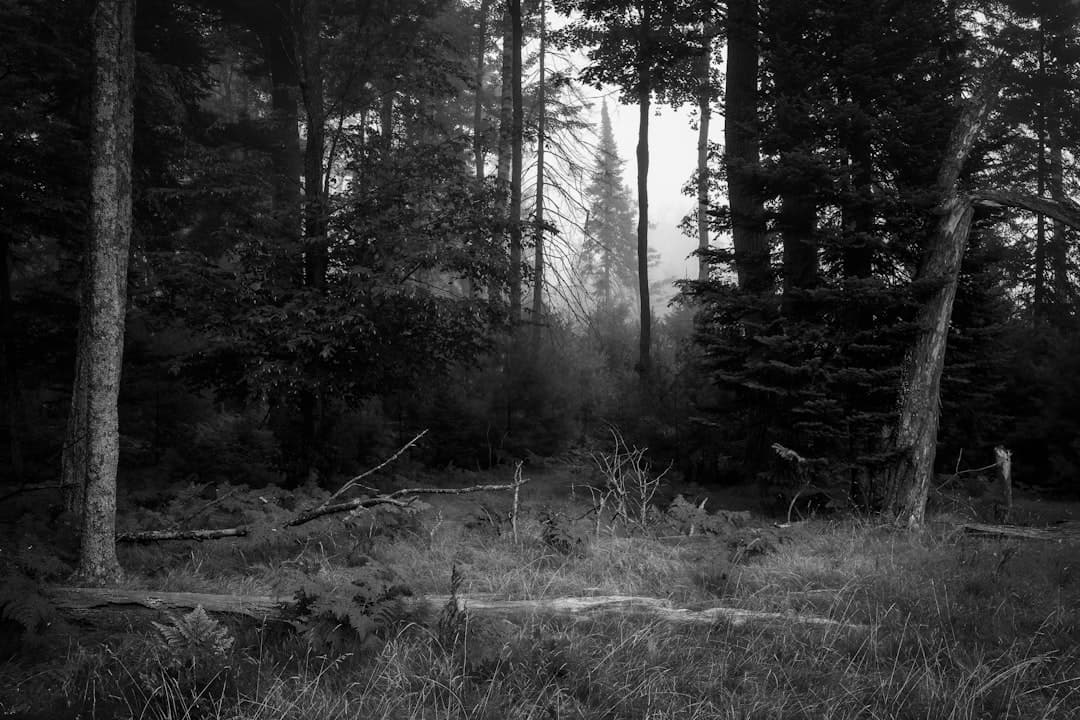
When the thermometer plunges below zero and snow blankets the forest floor, the white-tailed deer outside your window aren’t just enduring winter—they’re demonstrating one of nature’s most remarkable survival strategies. Across Vilas, Oneida, Iron, and the rest of Wisconsin’s Northwoods, these iconic animals face conditions that would send most creatures fleeing south, yet they thrive through an elegant combination of biology and behavior that’s been fine-tuned over millennia.
Understanding how deer make it through our legendary winters isn’t just fascinating wildlife biology—it’s essential knowledge for anyone who shares this landscape with them, from hunters managing populations to homeowners noticing deer traffic patterns shift with the seasons.
Step outside on a subzero January morning and you’ll likely spot a deer that looks perfectly content while you’re bundled in layers. That’s no accident. Starting in fall, white-tailed deer undergo a complete wardrobe change that would make any outdoor gear company jealous. They replace their lightweight summer coat with dense winter fur featuring hollow guard hairs—a design shared only with moose among Wisconsin’s wildlife.
These hollow hairs work like miniature insulation tubes, trapping air to create a thermal barrier that keeps body heat from escaping. Mercer naturalist John Bates notes that this coat transformation is so effective that deer can remain comfortable in temperatures dropping to 30 below zero. But there’s more genius to the design: oil-producing glands make the fur water-repellent, preventing snow from melting against their skin and stealing precious warmth. The darker coloring you’ll notice in winter coats isn’t just aesthetic—those darker hairs absorb more solar radiation on sunny days, turning every bright morning into a passive heating session.
Watch a deer bedded down in snow sometime and you’ll see no melting beneath them—proof that virtually no body heat escapes through that remarkable coat. It’s nature’s version of high-tech winter gear, and it works without batteries or synthetic fibers.
While the winter coat handles insulation, survival hinges on what deer accomplish during fall’s critical fattening period. A healthy deer will bulk up by 20 to 30 percent of its body weight before snow flies, storing brown adipose tissue around vital organs. This isn’t ordinary fat—it’s metabolically active tissue that provides both insulation and a slow-burning fuel source when food becomes scarce.
But not all deer enter winter equally prepared, and that disparity tells a sobering story. As Bates explains, fawns die first during harsh winters simply because they haven’t had enough time to build adequate reserves. Big bucks come next, and the reason reveals the hidden cost of the rut. During breeding season, mature bucks lose around 20 percent of their body weight while expending enormous energy chasing does. They enter winter already depleted, with less fat to sustain them through the lean months ahead.
Does, by contrast, typically maintain better condition through fall and have the highest winter survival rates. This natural pattern means harsh winters tend to shift herd composition, culling the most vulnerable while maintaining breeding stock. It’s not pleasant to witness, but it’s the ecological balance that has sustained Northwoods deer populations for generations.
Once snow covers the ground, deer face a stark reality: the nutritious green plants they grazed all summer have vanished. They respond by completely transforming their diet, shifting from grazers to browsers. This means surviving on what’s available—woody browse including twigs, buds, and bark from trees and shrubs. A typical Northwoods deer consumes about five pounds of this low-calorie material daily just to keep functioning.
It’s a maintenance diet at best. The energy content of woody browse can’t match summer vegetation, which is why deer also reduce their metabolism by up to 50 percent and dramatically cut back on movement. Every unnecessary step burns calories they can’t afford to waste. You’ll notice deer becoming almost sedentary during the coldest stretches, conserving energy with a patience that seems almost Zen-like.
Along agricultural edges near places like Mercer or Eagle River, deer may find grain sources like standing corn or sorghum, which offer higher calorie content. But deep in the forest where most Northwoods deer winter, it’s browse or nothing. The availability and quality of that woody material—shaped by forest composition and past browsing pressure—can determine whether a deer walks out of winter or doesn’t.
If you explore Northwoods forests in winter, you’ll find trails packed hard in snow leading to dense stands of cedar, spruce, jack pine, or fir. These aren’t random paths—they’re highways to deer yards, the winter refuges where herds congregate for survival. Bates emphasizes that beneath conifer cover, conditions are fundamentally different from the open hardwood forest. Wind speeds drop dramatically, creating a calmer microclimate. The dense canopy acts as a ceiling, holding slightly warmer air underneath and intercepting falling snow so accumulation on the ground is far less.
This matters enormously because deep snow is a deer’s enemy. Plowing through belly-deep drifts burns massive calories and makes escaping predators nearly impossible. In a good deer yard with mature conifers, snow depth might be half what it is in nearby open areas. The trees also provide browse within easy reach, and the thermal cover means deer can bed down without losing as much heat to the night air.
Northwoods communities recognize the importance of these yarding areas, and forest management increasingly considers their preservation. Logging operations that clear conifer lowlands can eliminate critical winter habitat, forcing deer to expend more energy traveling between food and shelter. Conservation efforts often focus on maintaining or enhancing these conifer stands, knowing they’re essential infrastructure for winter survival.
It’s difficult to witness deer struggling through harsh winters, but there’s an ecological necessity to this natural culling that benefits the broader Northwoods ecosystem. As Bates points out, deer populations need regulation more than many people realize. Without it, they exert an outsized impact on forest understory species, browsing young trees and native plants to the point where regeneration fails.
This affects everything from timber value for forest landowners to habitat quality for ground-nesting birds and other wildlife that depend on diverse understory vegetation. Severe winters serve as a population check that keeps deer numbers aligned with what the landscape can sustainably support. It’s nature’s management tool, operating on its own timeline and criteria.
The alternative—overpopulated herds that overbrowse their habitat—leads to ecological degradation and eventual population crashes that can be even more severe. Winter mortality, while tough to watch, maintains the long-term health of both deer herds and the forests they inhabit. For Northwoods residents who value the complete ecosystem, not just individual charismatic species, this balance is essential.
Deer aren’t just wildlife in the Northwoods—they’re woven into the cultural and economic fabric of the region. The hunting seasons they support bring tourism dollars that sustain local outfitters, processors, and lodging businesses. Wildlife watchers value them as perhaps the most accessible large mammal to observe. And for many longtime residents, the rhythm of deer behavior through the seasons is as familiar as the lakes freezing and thawing.
Understanding winter survival strategies helps communities make better decisions about habitat management, whether that’s a township considering land use near critical yarding areas or a private landowner managing woodlots. It also provides context for deer-vehicle collisions, which spike when deep snow forces deer onto plowed roads seeking easier travel. Knowing where deer will concentrate in winter can inform everything from hunting stand placement to landscape planning that reduces human-wildlife conflicts.
There’s also the looming concern of chronic wasting disease, which recent studies show can halve survival rates in affected herds. While CWD remains concentrated in southern Wisconsin for now, its potential spread northward threatens the healthy populations that winter survival strategies have maintained for generations. Protecting the natural systems that allow deer to thrive—including those critical conifer yards and diverse browse options—becomes even more important as new challenges emerge.
The next time you spot deer tracks leading into a dense spruce stand or watch a small herd bedded calmly in subzero temperatures, you’re witnessing survival expertise that’s anything but simple. These animals are masters of their environment, equipped with adaptations that turn Wisconsin’s harshest season into just another chapter in their annual cycle. That resilience is part of what makes the Northwoods the Northwoods—a place where nature doesn’t just endure winter, but has learned to thrive in it.
Written by

Mike has been coming up or living in the Northwoods since his childhood. He is also an avid outdoorsman, writer and supper club aficionado.
 News
NewsAt the North Lakeland Discovery Center, locals are learning that Northwoods pine trees offer more than scenery—they’re a natural pharmacy our ancestors knew well, providing healing resins for everything from skin conditions to bug bites.
 News
NewsBoulder Junction volunteers and businesses rallied to clear storm-damaged snowmobile trails, showcasing the community spirit and economic importance of winter recreation in the Northwoods.
 News
NewsEagle River earned second place among Midwest camping destinations on Campspot’s 2026 Togetherness Index, recognizing family-owned resorts and the community’s 28-lake chain, forests, and authentic Northwoods hospitality.
 News
NewsLake Tomahawk’s new Lake House Coffee shop brings specialty drinks and community warmth to downtown, run by the family behind Rhinelander’s Northern Grounds.