

What is new for Northwoods Drifter in 2026
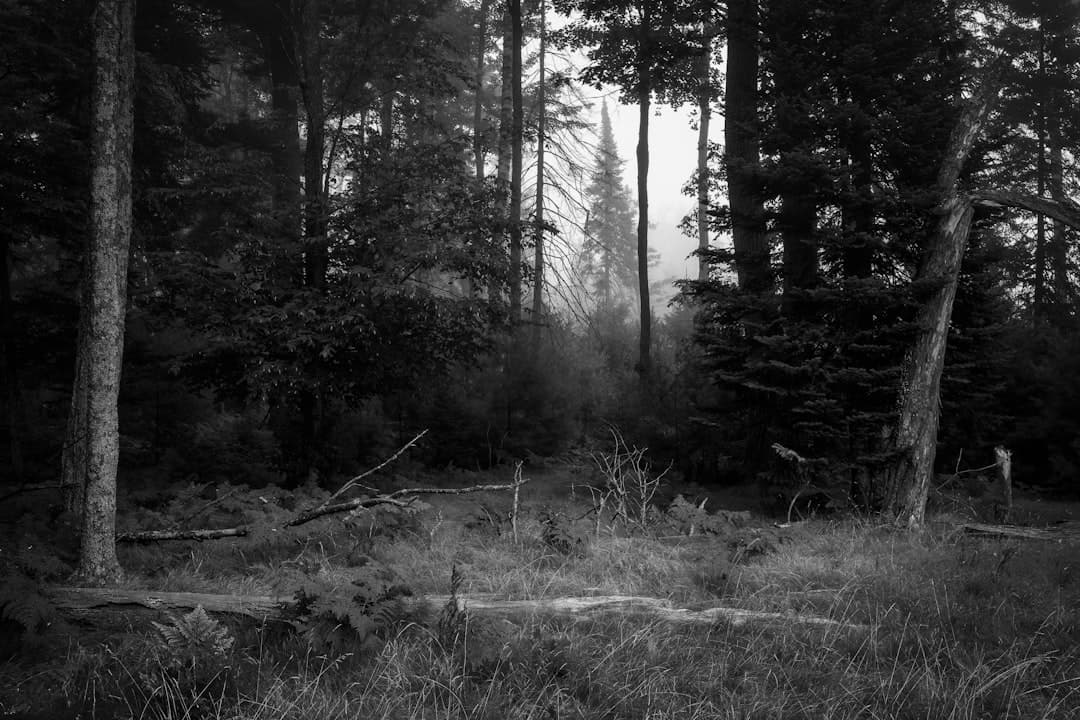
If you’ve driven through Vilas or Oneida County on a January morning when the thermometer reads minus-fifteen, you’ve probably spotted them: white-tailed deer standing motionless in the pre-dawn light, breath visible in frosted clouds. While we Northwoods residents are layering up and cranking the heat, these graceful creatures are enduring the same bitter cold with nothing but what nature gave them. The question isn’t whether they’re tough—we all know they are—but how they actually pull off this winter survival act year after year.
Walk past a deer in late fall versus mid-winter and you’ll notice the color change immediately. That summer russet transforms into a darker, almost grayish-brown coat that serves multiple purposes beyond camouflage. According to naturalist John Bates, who teaches at the Northwoods Learning Center near Mercer, that darker coat isn’t just for show. “Their fur is a little darker so it absorbs more heat,” Bates explains, noting how deer essentially wear their own solar panels during our short winter days.
But the real magic happens at the microscopic level. Those winter hairs aren’t solid like their summer coat—they’re hollow tubes that trap air for insulation. Think of it like the difference between a summer sheet and a down comforter. Underneath those guard hairs lies a dense woolly underfur that creates additional thermal protection. The whole system gets a weatherproofing treatment from oil-producing glands in their skin, which makes the fur water-repellent. When snow melts on a deer’s back from body heat, that oil keeps the moisture from reaching skin level.
Ever wonder why deer seem to be everywhere during hunting season in October and November? They’re not just moving for safety—they’re on a mission to pack on pounds before the deep freeze arrives. A healthy deer will add twenty to thirty percent extra body weight during fall, building fat reserves that can comprise nearly a third of their total body mass by December.
Here’s where winter survival gets interesting, and a bit harsh. Bates points out that not all deer enter winter equally prepared. “Who dies of starvation in the winter?” he asks. “First and foremost are fawns. Second are big bucks.” Those impressive trophy bucks that hunters prize? During the November rut, they’ll lose around twenty percent of their body weight chasing does instead of eating. Come January, they’re running on fumes while the does they bred are still carrying decent fat reserves.
This isn’t nature being cruel—it’s nature being balanced. Those fat stores become the difference between seeing spring and becoming part of the forest floor. When temperatures plummet and food becomes scarce, deer are literally burning their own reserves to stay alive. Some winters, that’s enough. Other winters, particularly the brutally cold ones we remember years later, it’s not.
Drive around Eagle River or Land O’ Lakes during a January cold snap and you’ll notice something: the deer aren’t out in the open. They’ve retreated into the thick stuff—the dense stands of cedar, spruce, hemlock, and fir that define so much of our Northwoods landscape. These conifer forests become what biologists call “deer yards,” and they’re essentially winter survival camps.
The benefits are multiple and measurable. Underneath that dense conifer canopy, wind speeds drop dramatically. “There’s less wind,” Bates notes. “The temperature is somewhat warmer because it’s basically a ceiling if you will.” That ceiling effect matters more than you’d think—it can mean a five to ten degree temperature difference compared to open areas. Just as importantly, far less snow accumulates under conifers, which means deer don’t have to burn precious calories plowing through deep drifts to find food.
Those same conifers also provide emergency rations. When preferred browse becomes buried or depleted, deer can turn to cedar boughs and other conifer growth. It’s not their favorite meal, but it beats starvation. This is why protecting mature conifer stands matters so much for Northwoods deer populations—these aren’t just pretty forests, they’re essential infrastructure for winter wildlife.
Summer dining for deer is a salad bar dream—tender green plants, wildflowers, garden vegetables if they can sneak them. Winter dining is considerably less appetizing. “They eat on average five pounds of woody browse a day,” Bates explains. “They’ve changed from a grazer of green plants in the summer—there aren’t any more green plants—to becoming a browser.”
That means buds, twigs, and bark become the daily menu. Red maple, northern white cedar, dogwoods, mountain ash, aspen—whatever’s available and reachable above the snow line. It’s the nutritional equivalent of surviving on crackers and water. The caloric intake doesn’t come close to matching what they’re burning just to stay warm and move through snow, which is precisely why those fall fat reserves matter so much.
During the absolute worst stretches of winter, deer reduce their activity to near-hibernation levels, cutting their metabolism roughly in half. They’re not sleeping through winter like bears, but they’re doing the next best thing: moving as little as possible, staying bedded down in protected spots, conserving every calorie. It’s survival mode in the most literal sense.
Not every deer that enters winter comes out the other side, and Bates suggests that’s actually how the system should work. “Their population needs to be balanced,” he says. “More so than many folks want from an ecological standpoint because they have an oversized impact on understory species.” This might sound cold to those of us who love seeing deer, but it’s ecological reality. Too many deer surviving winter means overgrazed forests, damaged understory growth, and ultimately a less healthy ecosystem for everything else that calls the Northwoods home.
The winter we’re experiencing this year, according to Bates, represents what “normal” used to look like before recent mild winters. “We’re actually getting cold weather, which is painful, but also necessary,” he notes. That necessity extends beyond just deer population management—it affects forest regeneration, predator-prey relationships, and the overall health of our northern Wisconsin ecosystems.
Next time you spot a deer standing statue-still in a cedar swamp during a February cold snap, take a moment to appreciate the remarkable biological engineering on display. Those hollow hairs, those fat reserves, that instinct to seek dense conifers—it’s all the product of thousands of years of adaptation to exactly these conditions. They’re not just surviving our Northwoods winters. In many ways, they’re built for them.
Written by

Mike has been coming up or living in the Northwoods since his childhood. He is also an avid outdoorsman, writer and supper club aficionado.
 News
NewsThe Merrill Ice Drags turn the frozen Wisconsin River into a 1/8-mile drag strip where 14-year-old rookies race V8s against veterans, and competitors hug after beating each other. Six decades of winter tradition prove cabin fever has a cure.
 News
NewsLakeland Union High School brought 150 local businesses and nonprofits together for its first community breakfast, building partnerships to prepare students for careers right here in the Northwoods.
 News
NewsA Gleason teen has raised over $18,000 in four years by baking thousands of cupcakes to honor her brother killed by a drunk driver, supporting first responders across Lincoln County.
 News
NewsThree Lakes bowler Oren Alsager became the first Rhinelander Co-op athlete to reach state since 2022. His journey from beginner to state qualifier shows what Northwoods dedication looks like.