

What is new for Northwoods Drifter in 2026
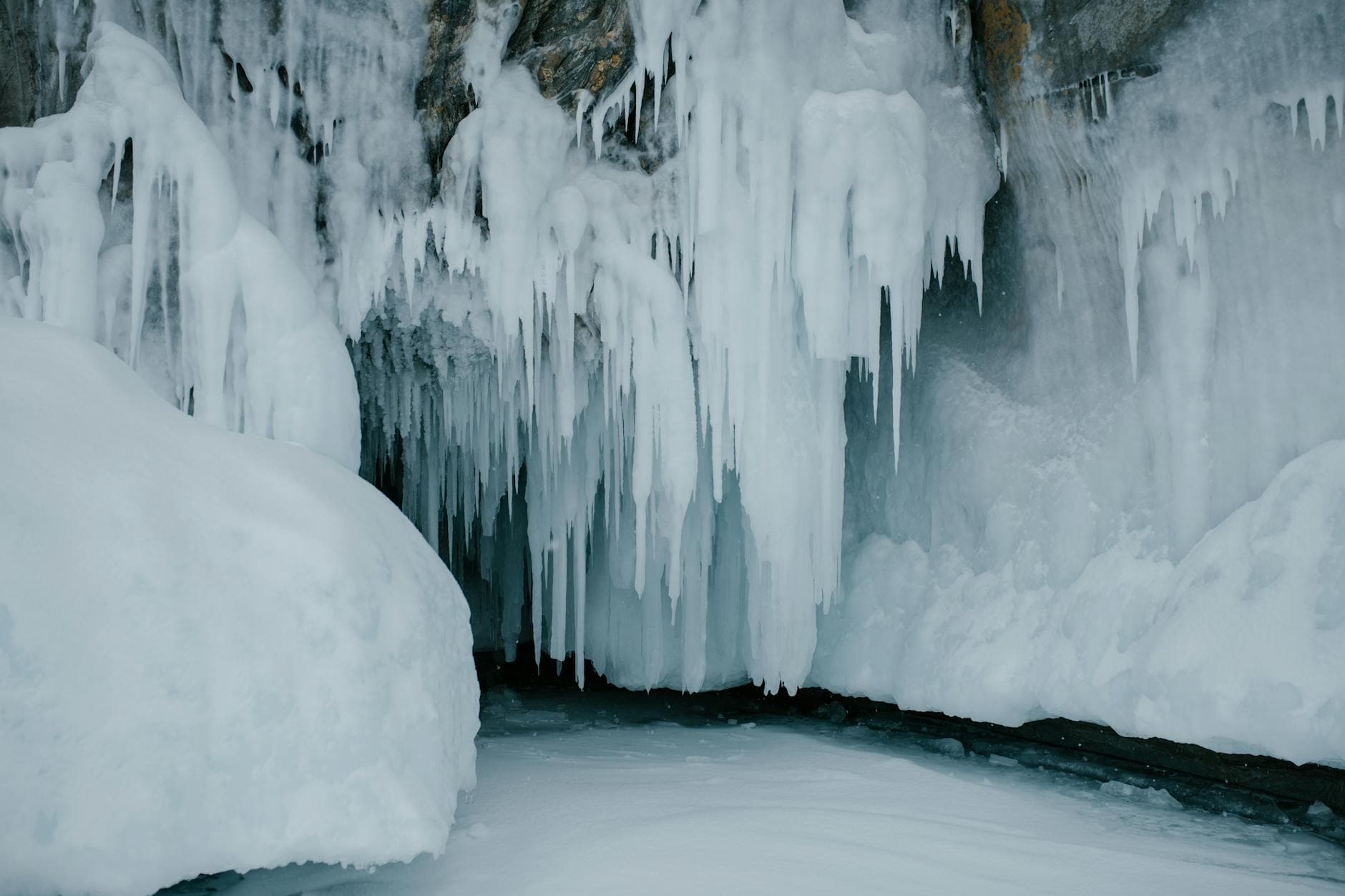
For the first time since 2015, the legendary ice caves along Lake Superior’s mainland shoreline opened to visitors this winter. Thousands made the pilgrimage to Bayfield County, braving shuttle lines and a 1.5-mile trek across frozen lake ice to witness formations that appear maybe once a decade.
The timing couldn’t be more perfect — or more fleeting. Just days after the caves opened, a winter storm rolled through and broke up the ice shelf, closing access indefinitely.
That’s the thing about these ice caves. They don’t play by anyone’s schedule.
The ice caves form along the sandstone cliffs near Meyers Beach in the Apostle Islands National Lakeshore. Over thousands of years, Lake Superior’s waves carved porous sandstone into alcoves and hollows. When winter temperatures plunge and stay there, seeping water freezes into icicles, columns, and curtains that transform the rock face into something otherworldly.
But here’s what makes them so special: since 2000, the caves have been safely accessible only 2% of days. Lake Superior’s winds and waves don’t cooperate easily. The ice needs to be thick enough, stable enough, and unbroken enough for the National Park Service to give the green light.
Ellie Priester of nearby Ashland never thought she’d get her chance. “I never thought they would open again,” she told reporters after finally experiencing the caves. “It’s such a blessing.”
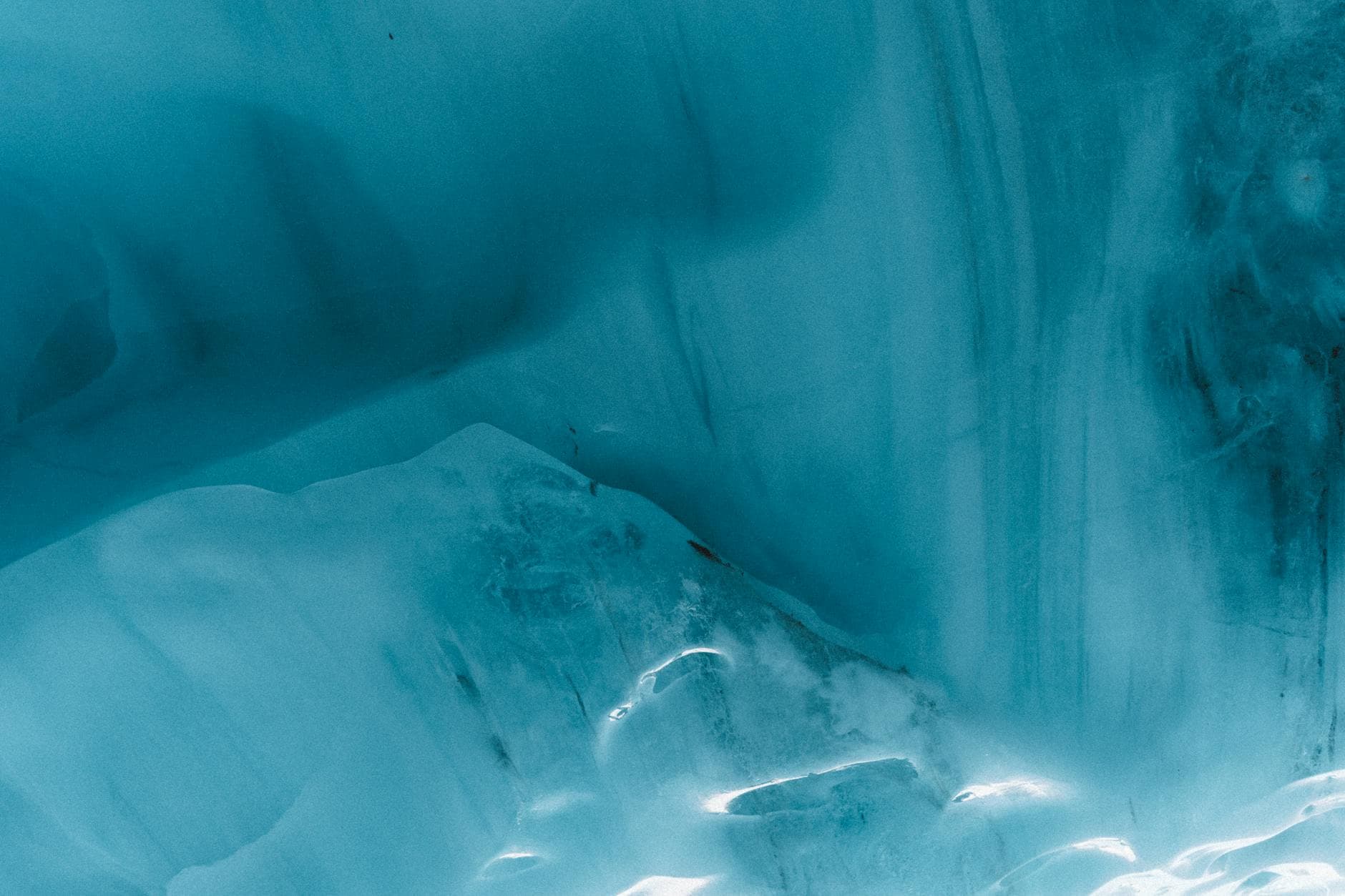
Getting to the ice caves takes commitment. Visitors park at designated lots and board shuttles to Meyers Beach. From there, it’s a mile-and-a-half walk across the frozen surface of Lake Superior to reach the first formations.
The experience this year had “amusement park vibes,” according to Priester — long lines, coordinated logistics, crowds navigating the same frozen path. But for those who made the trek, the payoff was undeniable.
Amanita and Kiana Fahrni drove ten hours from Grand Rapids, Michigan. Their journey included hitting a deer and getting rear-ended near the parking area. They went anyway.
“You don’t always get to see things like this,” Amanita said. “So you have to take those opportunities.”
“The ice caves are great — you just keep walking and they just keep getting better. Around every corner it’s a nice little surprise.” — Jesse Robinson, Rhinelander
Jesse Robinson of Rhinelander used his Presidents’ Day off to make the trip. His take? The caves keep revealing themselves. Each turn brings new formations, new patterns in the ice, new ways light filters through frozen cascades.
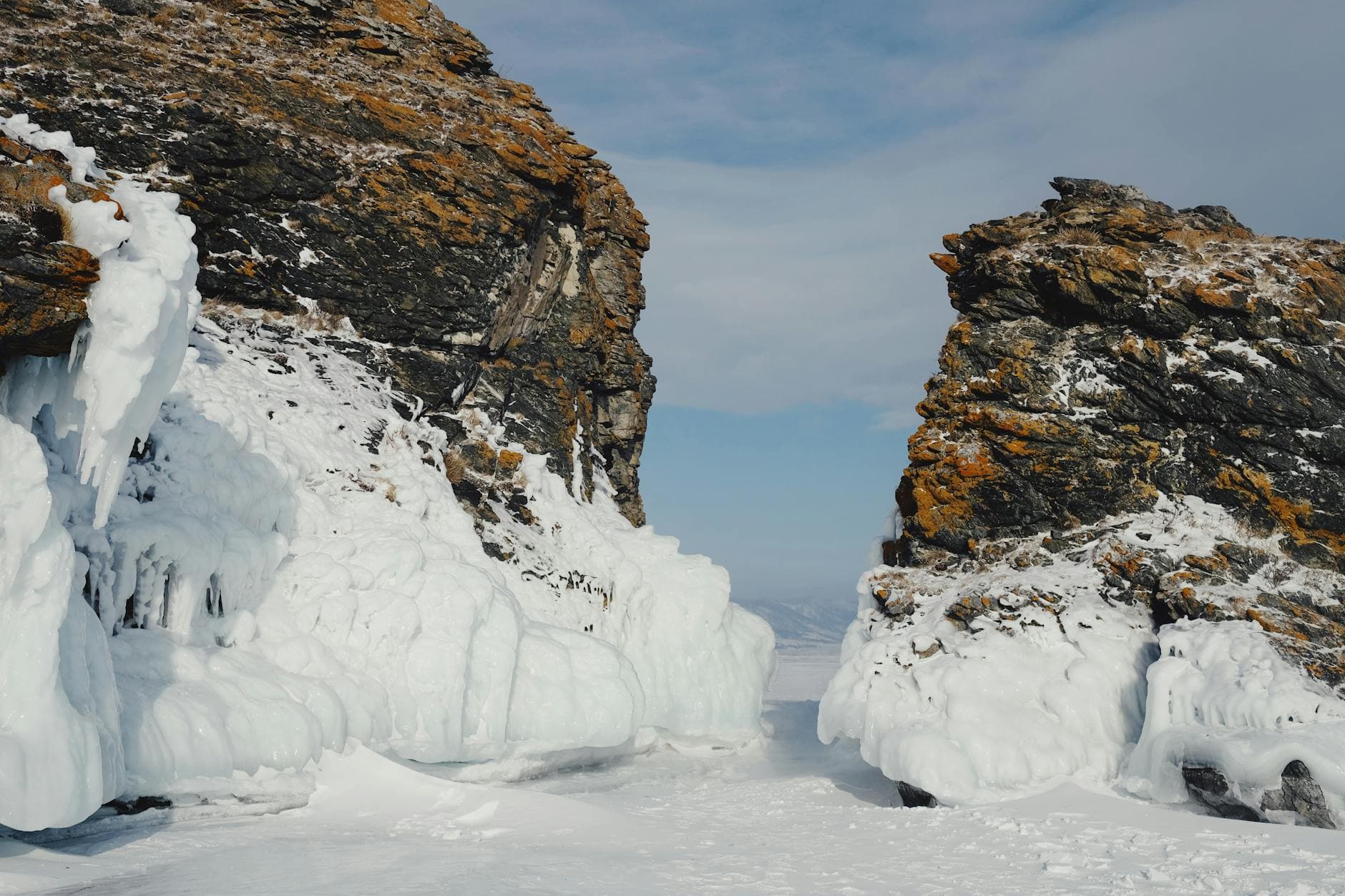
The Apostle Islands ice caves need a perfect storm of cold — and calm. Extended subzero temperatures build the thick ice required for safe travel. But Lake Superior is massive, and its waters don’t freeze predictably.
Wind and waves disrupt ice formation. Storm systems break up ice shelves overnight. The National Park Service monitors conditions constantly, sometimes via webcam, and closes access the moment safety becomes questionable.
That’s exactly what happened on February 18, 2026. A winter weather system tore through the region, breaking apart the ice near Meyers Beach. Rangers shut down access while they evaluated whether conditions would stabilize again.
Historical patterns show just how rare these openings are:
Satellite imagery tells the story visually. March 2014 showed heavy ice cover stretching across the lake. March 2024? Barely any ice at all.
The sandstone cliffs hosting these formations date back over 500 million years, carved by ancient rivers and shaped by glacial forces. Lake Superior’s relentless storms continue the sculpting work today.
Indigenous Ojibwe peoples used this shoreline for fishing, hunting, and travel long before Europeans arrived. For thousands of years, people have witnessed these frozen transformations when winter conditions aligned just right.
“Getting to walk up close to them and feel the ice,” Priester reflected, “and just thinking about people who have lived here for thousands of years. I think about how lucky we are to see them today.”
The Apostle Islands National Lakeshore was established in 1970, protecting 22 islands and this stretch of mainland coastline. The caves themselves sit on the mainland unit, not on the islands — a common misconception among first-time visitors.
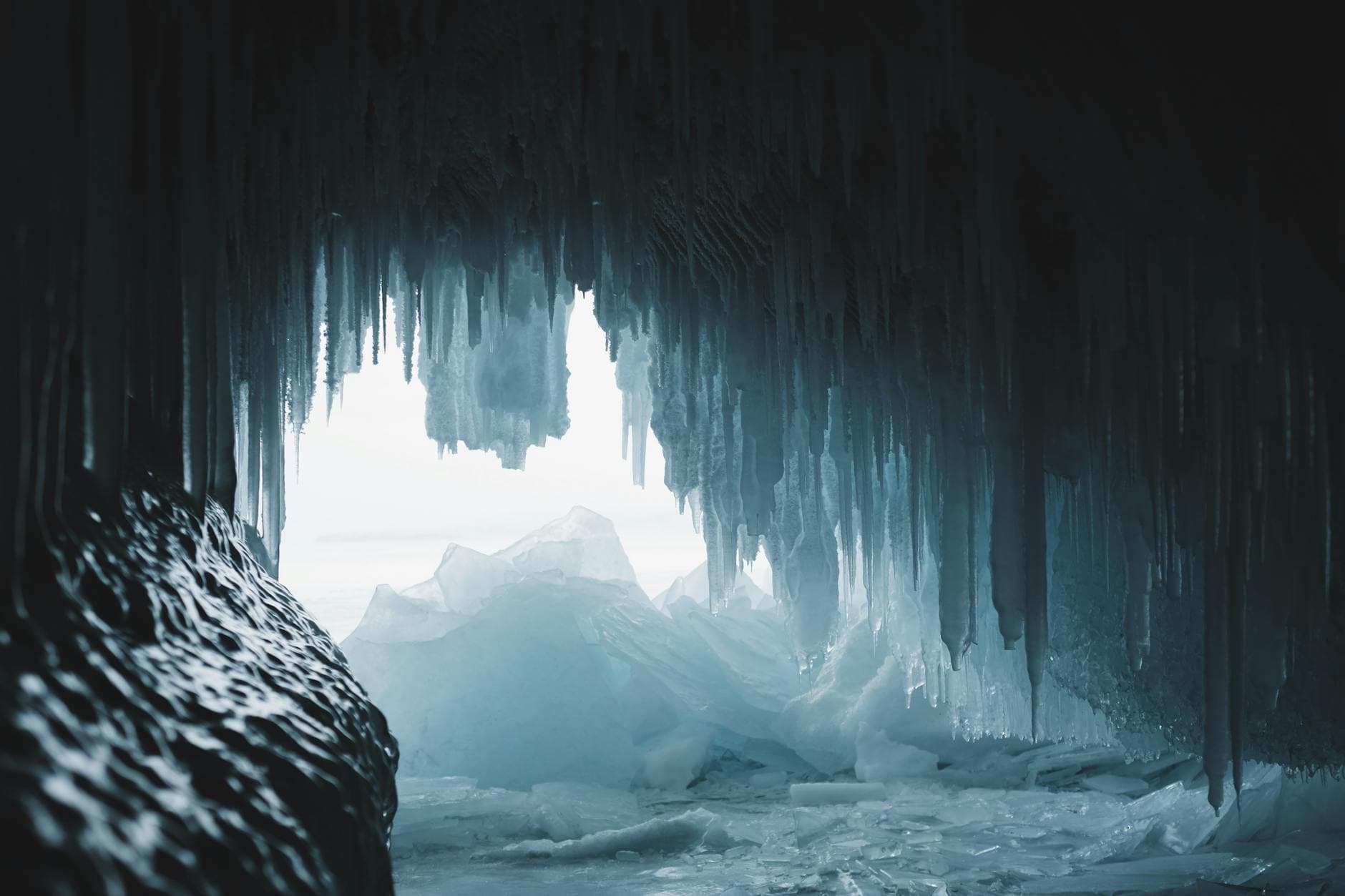
When the ice caves open, the impact ripples through Bayfield County and surrounding communities. Hotels fill up. Restaurants see a surge. Local outfitters provide gear and guidance for visitors unfamiliar with winter lake travel.
But beyond the economic boost, there’s something deeper. Northwoods residents know the privilege of living where nature still calls the shots. The ice caves don’t care about tourism schedules or visitor expectations. They form when conditions allow, and they vanish just as quickly.
That unpredictability makes each opening feel like a gift rather than an attraction. It’s a reminder that some of the best things in the Northwoods can’t be planned — they can only be seized when the moment arrives.
The Travel Wisconsin ice caves page and the National Park Service website remain the best sources for current ice conditions. Rangers post updates as conditions change, sometimes hour by hour.
For now, the caves are closed. The ice shelf needs time to rebuild, if it rebuilds at all this season. But that’s part of their magic. They’re temporary. They’re rare. And when they do appear, thousands will brave the cold, the lines, and the long walk across frozen lake to witness winter’s most spectacular gallery.
Because ya know what? Some opportunities don’t come around twice in a decade. When they do show up, you lace up your boots and go.
Written by

Mike has been coming up or living in the Northwoods since his childhood. He is also an avid outdoorsman, writer and supper club aficionado.
 News
NewsBelong Wisconsin’s Sibling Camp reunites foster siblings separated across the state, including Northwoods kids, for a week of connection, normalcy, and family bonds that last beyond summer.
 News
NewsTwo young Rhinelander entrepreneurs opened the Northwoods’ first dedicated boxing gym, filling a decades-long gap and giving local fighters a place to train without driving hours south.
 News
NewsRib Lake’s new gymnasium caps a $19.5M community-funded renovation connecting separated buildings and bringing tournament-quality facilities to a rural Northwoods district.
 News
NewsMarathon County Historical Society’s new 38,096-square-foot archive center will consolidate 70 years of Northwoods artifacts into climate-controlled storage, preserving lumber-era history for future generations.