

What is new for Northwoods Drifter in 2026
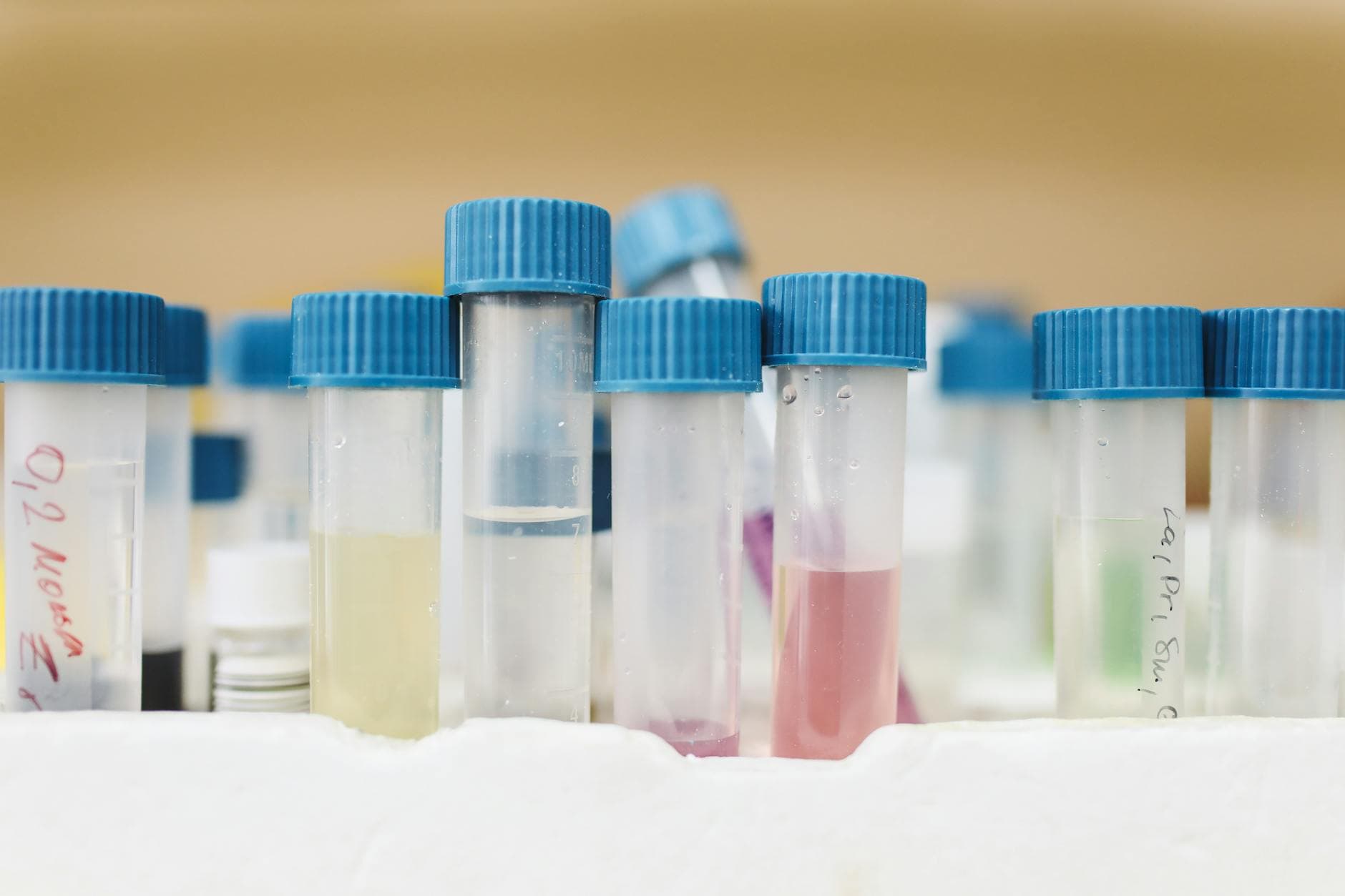
When that free PFAS testing kit arrives from the Wisconsin DNR, most Northwoods well owners fill the bottle, seal it up, and send it off without much thought about what happens next. But between your kitchen faucet and that final result sits a fascinating world of precision chemistry — one that’s becoming increasingly important as 71% of Wisconsin’s shallow private wells now show at least some level of forever chemicals.
In Crandon, Northern Lake Service handles many of these tests for our region. The lab’s work reveals just how rigorous the science needs to be when you’re hunting for concentrations so small, they’d be like finding a single drop in multiple swimming pools.
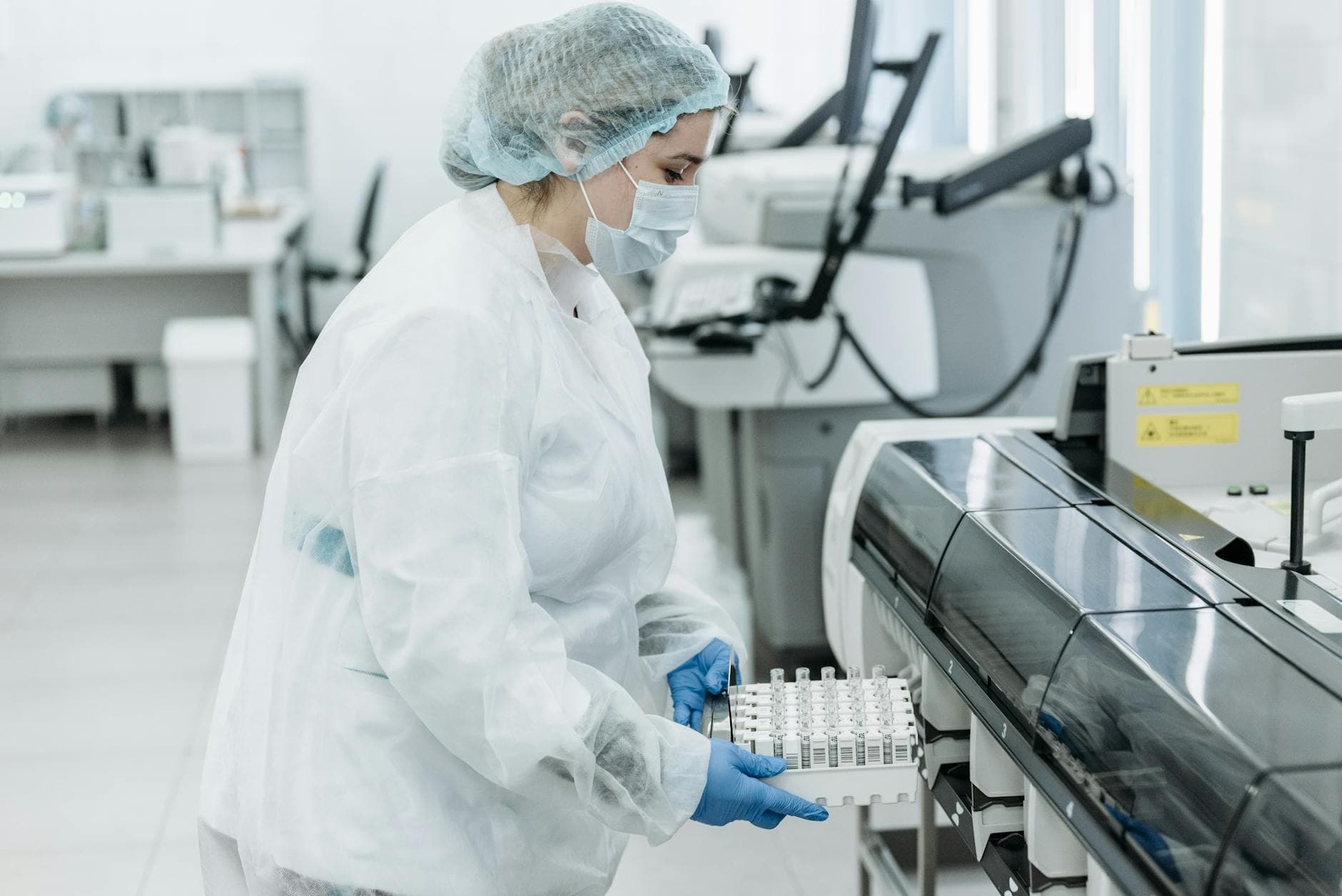
Your water sample doesn’t just walk through the door and get poured into a machine. The moment it arrives at Northern Lake Service, quality control kicks in.
Every sample must meet strict receiving conditions — temperature requirements and preservation standards that ensure the chemistry stays intact from your well to the lab bench. Miss those marks, and the sample gets flagged before it even enters the computer system.
RT Krueger, president of the lab, compares the process to following a cookbook rather than detective work. That’s not because it’s simple — it’s because dependability matters more than improvisation when communities are making decisions about their drinking water.
PFAS testing isn’t like checking for bacteria or nitrates. We’re talking about parts per trillion — concentrations so minute they require specialized equipment and trained chemists who’ve analyzed thousands of samples.
The EPA’s legal drinking water standard sits at just 4 parts per trillion for certain PFAS compounds. To put that in perspective, one part per trillion is roughly one second in 32,000 years.
The vast majority of testing shows everything is working fine. You only hear about it when something isn’t working fine.
That level of precision means every stage gets tracked, documented, and checked. Not just by computers and machinery, but by experienced chemists who know when something looks weird — even if it technically meets the letter of the law.
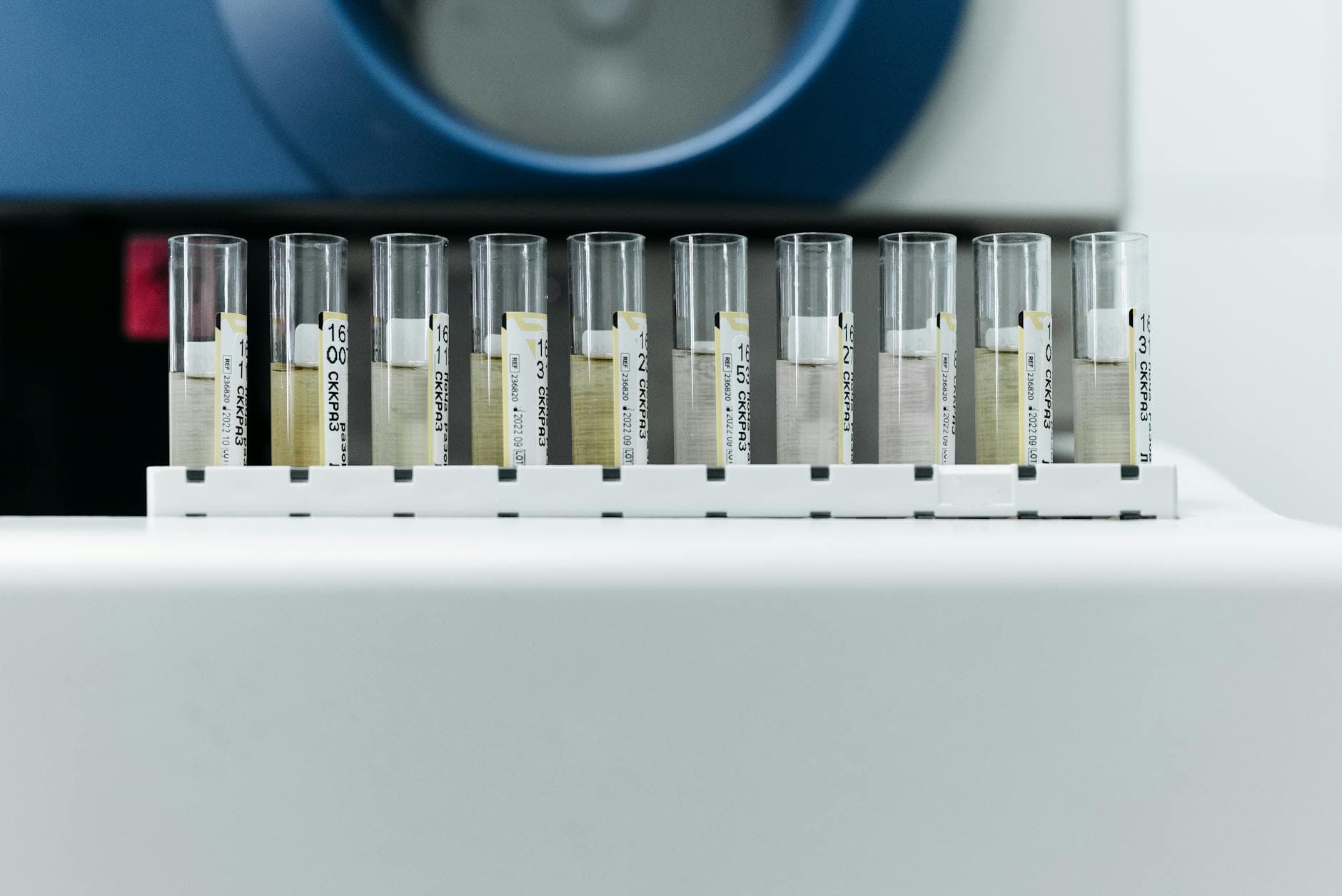
Statewide research paints a clearer picture of what’s happening beneath our feet. In a study of 450 homes with shallow private wells across Wisconsin, researchers found PFAS in the majority of samples.
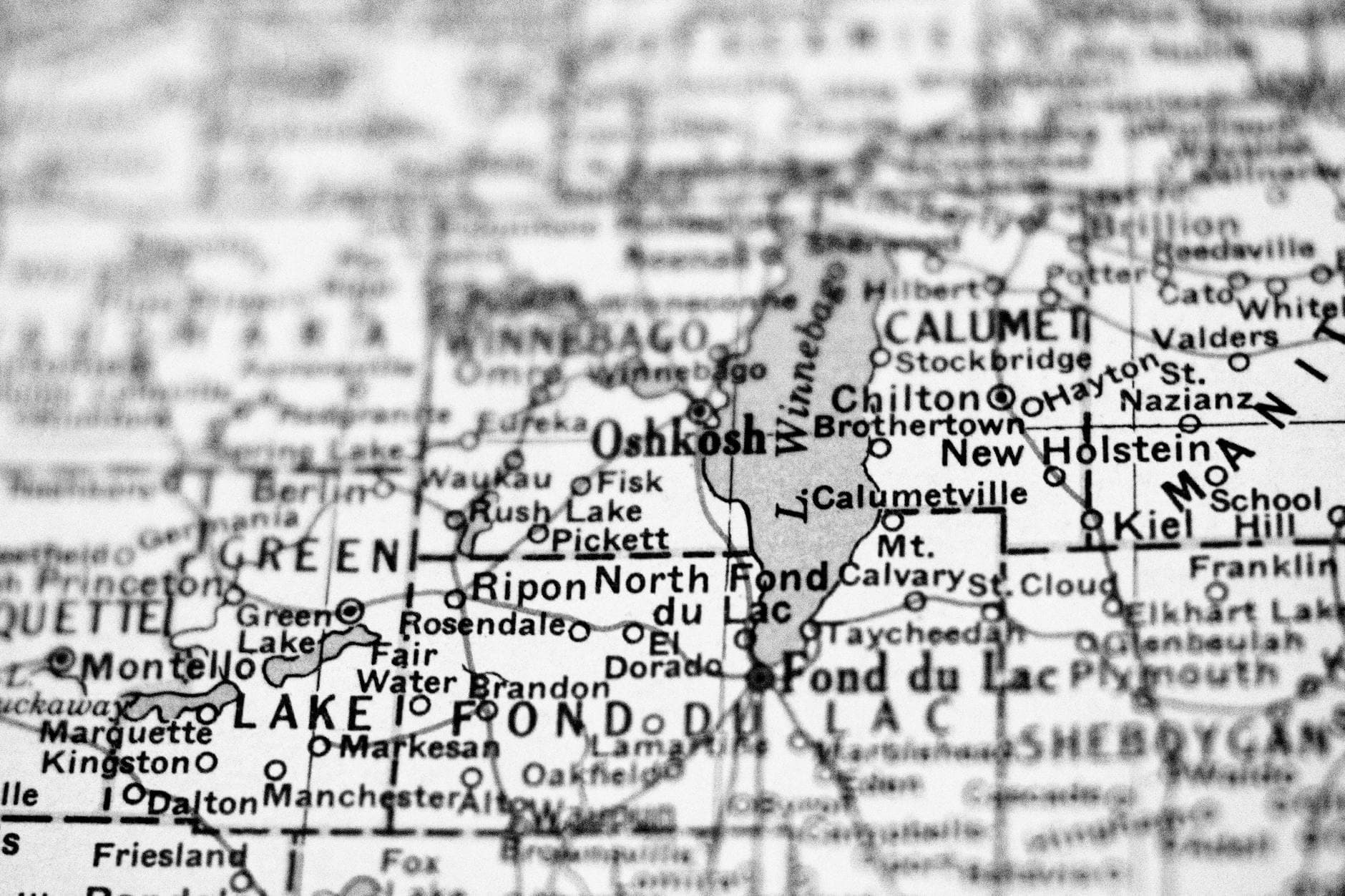
Here in the Northwoods, eastern Oneida County has seen elevated readings in some areas. Testing of 35 private wells in the Town of Stella identified concerning levels, and even the Crescent Town Spring tested positive back in 2019 for multiple PFAS compounds.
The research shows a pattern: PFAS detections happen more often in developed areas compared to forested or agricultural regions. That matters up here, where development patterns differ from communities down south.
Key facts Northwoods well owners should know:
Sometimes a sample triggers red flags — not because the machinery fails, but because trained eyes notice something doesn’t add up. Maybe the quality control items among those couple hundred additional data points don’t match method specifications. Maybe the numbers just don’t make sense given what chemists know about local conditions.
When that happens, the lab doesn’t just shrug and report the number. They go back through the entire process, hunting for why the result looks strange. That’s the difference between cookbook chemistry and sloppy science.
Most of the time, retesting confirms the original finding. Occasionally, it reveals a handling issue or contamination that occurred somewhere in the chain. Either way, well owners get information they can trust.
If you’re one of the thousands of Northwoods residents relying on a private well, this testing initiative gives you something you didn’t have before: clear, reliable information about what’s coming out of your tap.
The science behind it runs deep — trained analysts, specialized equipment, rigorous protocols. But the purpose stays straightforward: helping you make informed decisions about your family’s drinking water.
For Oneida County residents ready to test, two certified labs handle samples: Northern Lake Service in Crandon and the Wisconsin State Lab of Hygiene in Madison. Both follow the same strict protocols, whether you’re sending in a free DNR kit or paying for private testing.
As more results come back across our region, the data helps public health officials understand where PFAS shows up and why. That knowledge shapes everything from well-drilling recommendations to treatment options for those who need them. The Northwoods has always been about clean water — now we’re just making sure we know what clean really means.
Written by

Mike has been coming up or living in the Northwoods since his childhood. He is also an avid outdoorsman, writer and supper club aficionado.
 News
NewsRetired Wabeno teacher Betty White turned decades of classroom dreams into published children’s books—and she’s donating every dollar to help animals at Oneida County Humane Society.
 News
NewsVoters in Merrill and Tomahawk shared what mattered most this spring election — from road repairs to leadership that gets results in Lincoln County’s Northwoods communities.
 News
NewsVilas County residents shared divided but candid views on national direction during spring elections, revealing generational splits and economic anxieties shaping local politics in the Northwoods.
 News
NewsWalker’s General Store and Rae’s Barbershop won big at Wisconsin’s Main Street Awards for transforming a storage closet into a thriving community barbershop in downtown Tomahawk.