

What is new for Northwoods Drifter in 2026
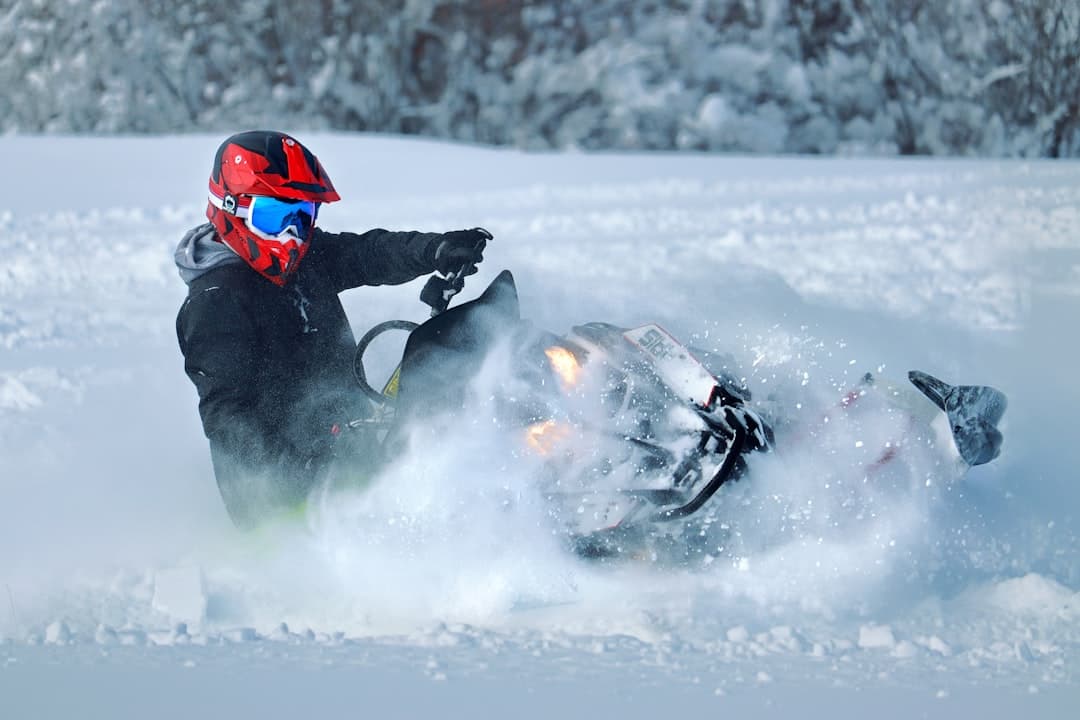
When Cory Beldon pulled into downtown Lake Tomahawk on the first Friday of the New Year, he couldn’t believe his eyes. The parking lot was wall-to-wall with snowmobiles — more sleds than he’d ever seen in one place. His father Curt, a 15-year veteran of Northwoods snowmobiling trips from Waukesha, wasn’t surprised. This small town in Oneida County sits at the crossroads of some of the region’s most popular trails, and word has gotten around.
“You know, it’s just so enjoyable, the scenery and the people,” Curt told a local reporter, summing up what draws thousands of riders north every winter. “The people in all the bars and restaurants, they’re just down-to-Earth people.”
That intersection of exceptional trails and genuine Northwoods hospitality is exactly what’s made Lake Tomahawk a destination for snowmobilers from across the Midwest. While plenty of places get snow, not many have figured out how to turn winter into this much fun.
Location matters in snowmobiling, and Lake Tomahawk hit the geographic jackpot. The town sits at a junction where multiple trail systems converge, giving riders instant access to hundreds of miles of groomed paths maintained by dedicated local clubs. The Northwoods Passage Snowmobile Club alone maintains over 275 miles of trails across Oneida and Lincoln counties, running past pristine lakes like Lake Nokomis and Lake Mohawksin.
But it’s not just about mileage. Oneida County offers more than 1,000 miles of groomed trails that connect to thousands more throughout northern Wisconsin and into Michigan’s Upper Peninsula. These aren’t just marked paths — they’re professionally maintained routes that get groomed nightly by volunteer clubs who know their terrain inside and out. The trails wind through forests dusted with snow, cross frozen lakes, and traverse 233,000 acres of public land that showcases everything beautiful about Wisconsin winters.
Rick Rogers and Vince Payne, who made the trip up from the Des Moines area, explained why they keep coming back. In Iowa, they’ve got limited options — a couple bike trails and what locals call “ditch-banging,” which means riding snowmobiles in the ditches between roads. “Riding in the dangerous ditches, banging side-to-side, missing the culverts, missing the pipeline markers,” Rogers said with a laugh. “Just going a little risky.” The Northwoods offers something entirely different: actual infrastructure built for the sport, with the scenery to match.
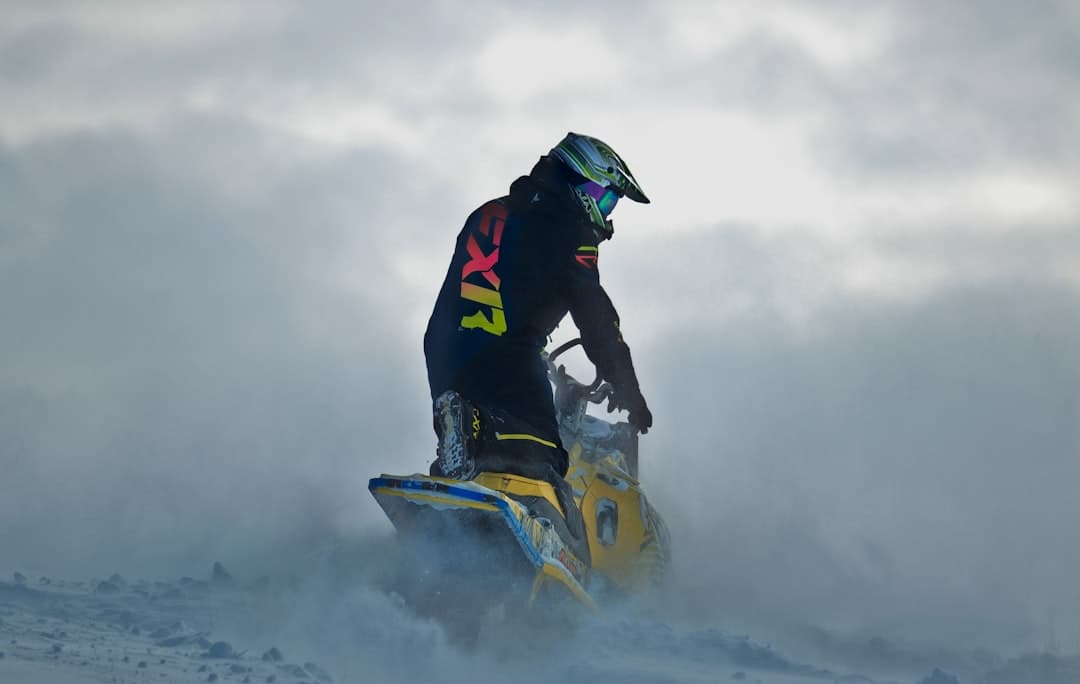
Katie Herman was leading a convoy when she stopped in Lake Tomahawk — nine people representing three generations of her family. With property in nearby St. Germain but living in Morris, Illinois, she’s turned snowmobiling into a family tradition that brings everyone together for winter weekends in the Northwoods. Under her dirt-bike style helmet, she reported good conditions: “Lots of snow on ’em. A few bumps along the road but it’s pretty nice.”
This multi-generational appeal runs throughout the snowmobile community. Young couples like Jenna Powers and her friends from Lake City, Minnesota, were making their second annual trip, introducing first-timers to the experience. Katie Yorde, one of those newcomers, appreciated what the trip represented: “Getting together with friends, getting away, having a nice trip we can take altogether as a couple, it’s really relaxing.”
The sport creates a unique bond that’s hard to replicate. Whether you’re teaching grandkids to ride or exploring new trail systems with friends, snowmobiling in the Northwoods offers shared adventure that works across age groups. The trails accommodate everyone from cautious beginners to experienced riders looking for technical challenges, and the network of trailside businesses ensures there’s always a warm place to stop and swap stories.
Those packed parking lots in Lake Tomahawk represent more than just a good time — they’re the economic heartbeat of winter in the Northwoods. Every snowmobile that pulls into town means gas purchases, meals at local restaurants, drinks at the bars, lodging at resorts, and gear from local shops. Communities like Minocqua and towns throughout Vilas County have built their winter economies around snowmobile tourism, and riders respond by coming back year after year.
The infrastructure that makes this possible doesn’t happen by accident. Ten snowmobile clubs operate in Oneida County alone, hosting fundraisers and recruiting volunteers to maintain trails. Clubs like the Minocqua Forest Riders maintain 190 miles of trails, while others focus on connecting communities and ensuring riders can travel extended distances with access to on-trail services. Trail maintenance gets funded through snowmobile registrations and gas taxes — a system that’s sustained quality routes for decades.
Local businesses have learned to cater specifically to snowmobilers, with restaurants advertising trail access, gas stations staying open late, and bars becoming unofficial warming houses where riders gather to check conditions and plan routes. This symbiotic relationship between riders and communities creates a winter tourism model that benefits everyone involved.
Rick Rogers from Iowa put it perfectly when he said, “It’s a long winter, and if you don’t find some way to enjoy it, you’re going to be miserable.” The Northwoods has figured out how to not just endure winter, but to celebrate it. With an average of 65 inches of snowfall annually and temperatures that keep trails rideable from December through March, this region has the natural resources to support serious snowmobiling.
But natural advantages only go so far. What sets the Northwoods apart is the community commitment to the sport. Volunteers groom trails nightly, clubs update trail conditions regularly, and businesses stay open to serve riders. When Vince Payne described the trails around Lake Tomahawk as “pretty” with snow-covered trees and technical sections that make riding interesting, he was acknowledging the work that goes into maintaining that experience.
The trails here offer variety you won’t find elsewhere — skinny technical sections where you need to focus, wide-open stretches where you can open up the throttle, and scenic routes where you’ll want to slow down and take in the forest. Riders can customize their experience based on skill level and mood, which explains why people like Curt Beldon keep coming back for 15 years running.
If the first Friday of the New Year brought record numbers to Lake Tomahawk, the rest of the season promises to be equally strong. Word spreads quickly in the snowmobiling community, and riders from Illinois, Minnesota, Iowa, and southeastern Wisconsin are discovering what locals have known for decades — the Northwoods trail system is among the best in the Midwest. As Katie Herman advised before taking off with her family: “Just get out there and ride safe!”
The success of Lake Tomahawk and surrounding communities shows what happens when natural beauty meets genuine hospitality and volunteer dedication. As more riders discover these trails, the challenge will be maintaining the down-to-earth character that makes the Northwoods special. For now, though, the parking lots are full, the trails are groomed, and winter has found its purpose. Ya know, that’s about as good as it gets up north.
Written by

Mike has been coming up or living in the Northwoods since his childhood. He is also an avid outdoorsman, writer and supper club aficionado.
 News
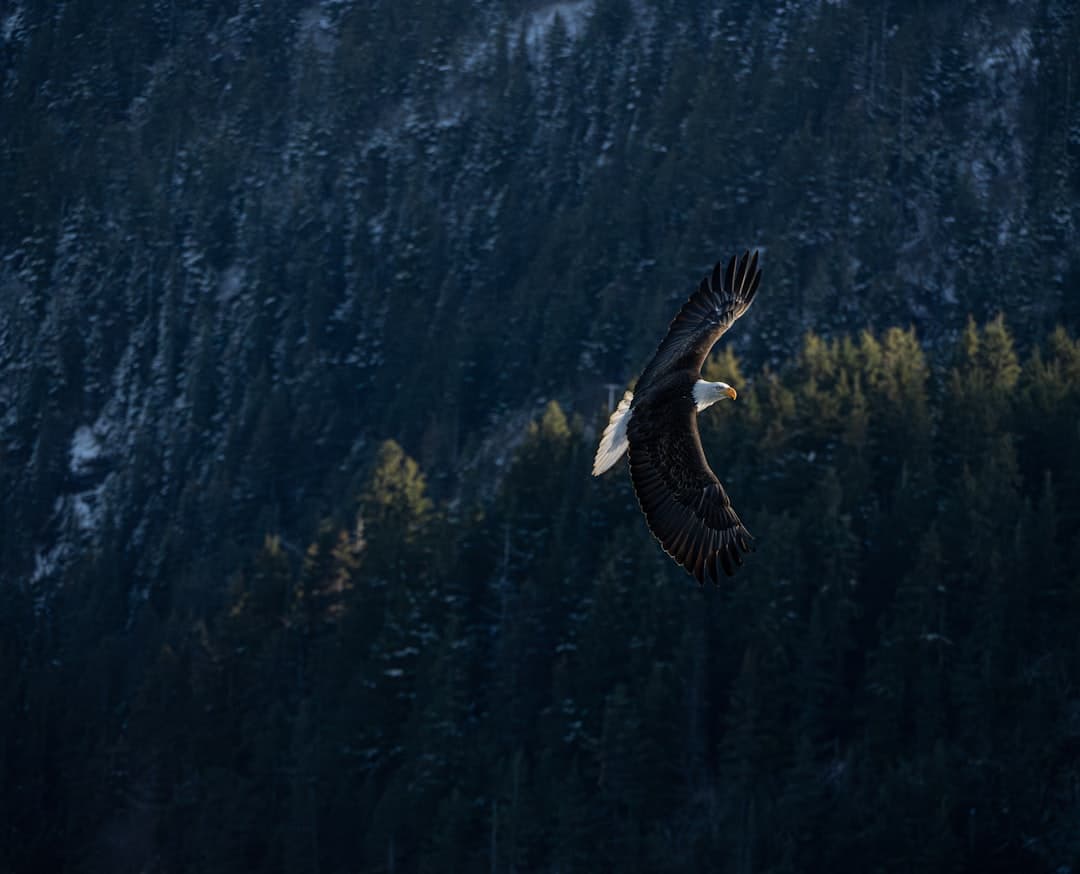
NewsA bald eagle rescued near Minocqua highlights the lead poisoning crisis affecting nearly 90% of Northwoods eagles — and what local sportsmen can do to help.
 News
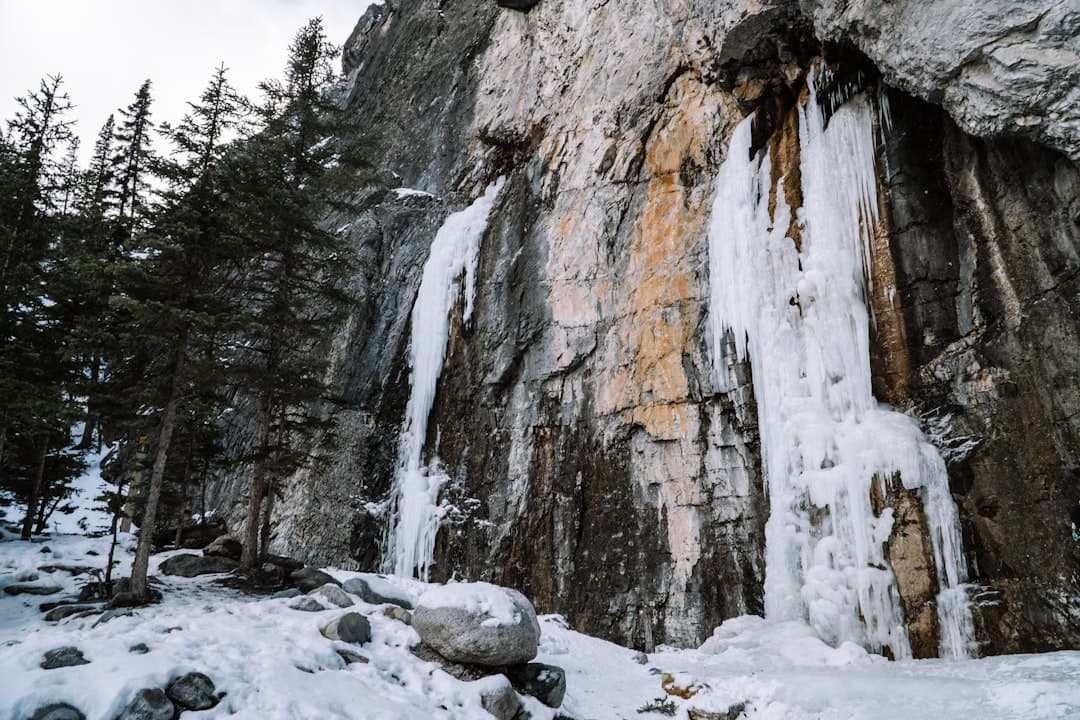
NewsPark Falls honors Tom, Carol, and Stephanie Birchell through an ice fishing contest that celebrates community, raises funds for life-saving equipment, and keeps Northwoods winter traditions alive.
 News
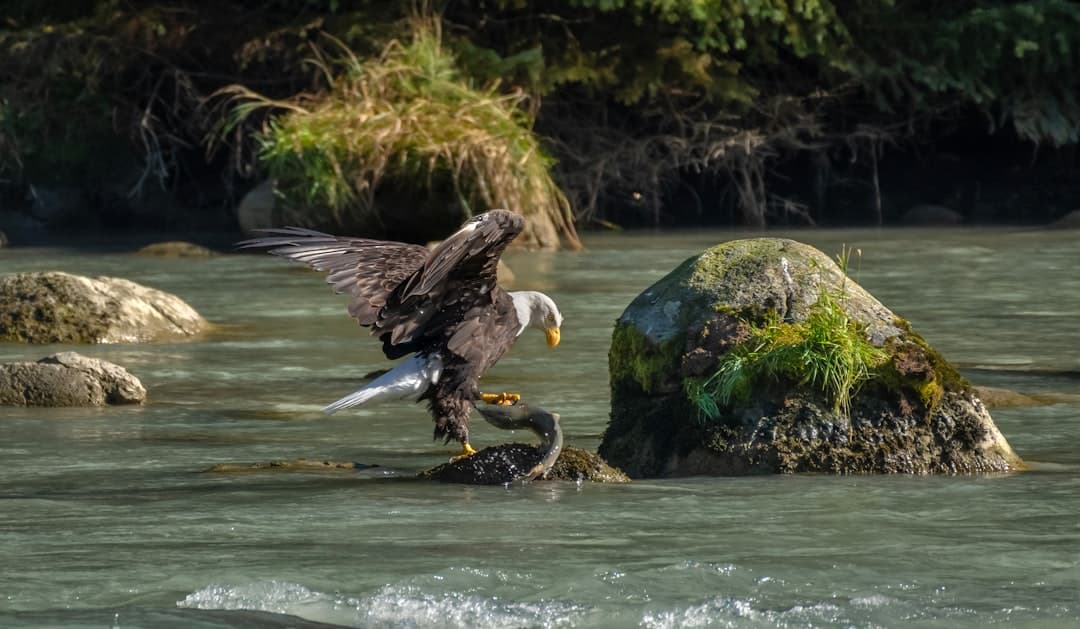
NewsBehind Eagle River’s legendary snowmobile trails are volunteer groomers like Dan Dumas, who transform rough, storm-battered snow into butter-smooth surfaces through skill, technique, and late-night dedication.
 News
NewsNorthwoods bars and restaurants are celebrating early snowmobile season openings after two difficult winters, with businesses crediting volunteer trail clubs and hoping for sustained snow to support the region’s tourism-dependent economy.