

What is new for Northwoods Drifter in 2026
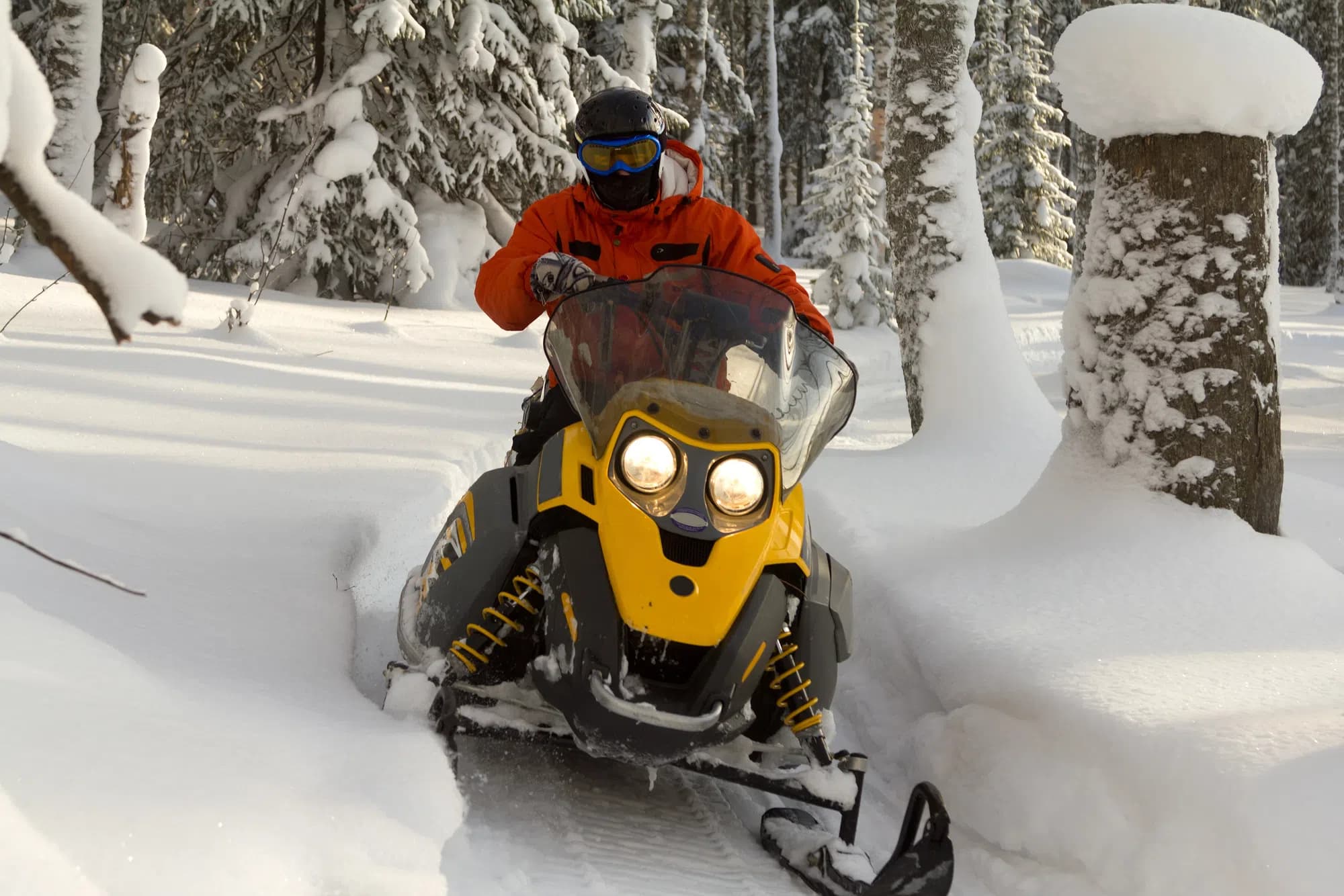
After a winter that barely qualified as snowmobile season last year, Lincoln County riders are finally hearing the sound they’ve been waiting for: the hum of sled engines echoing through frosted pines. Zone 4’s 54 miles of trails opened in early January 2026, joining Zones 1 through 3 in what looks to be a dramatically different season from the blink-and-you-missed-it 11 days of riding last year. For the volunteers who spend hundreds of hours making these trails rideable, this winter’s snowfall feels like a long-overdue gift—even if Mother Nature threw in a few curveballs along the way.
The story behind those freshly groomed trails involves more than just snowfall totals. It’s a testament to the stubborn dedication of clubs like the Copper River Midnight Riders in Merrill, whose 20 volunteers started trail work back in October, long before most of us were thinking about winter. David Klockziem, the club’s president, knows better than most what goes into transforming forest corridors into the recreational highways that draw riders from across Wisconsin and beyond.
Trail preparation isn’t just about waiting for snow to fall. For the Copper River Midnight Riders, the work began in earnest after deer hunting season wrapped up in fall 2025. Volunteers fanned out across Zone 4’s wooded terrain, hanging signs at intersections, clearing brush from overgrown sections, and marking routes that wind through both public forestland and private property. By early winter, they were ready for the snow—or so they thought.
Then came the rain event in late December, followed immediately by heavy snowfall. The combination created what Klockziem describes as extensive brushing challenges throughout the zone. “All the branches are low hanging, so there’s a ton of brush for I imagine all the clubs, but we have a lot of woods within our zone, so there’s a lot of brushing,” he explained to local media. What should have been final grooming preparations turned into emergency maintenance missions to clear weighted-down branches and fallen debris before riders could safely hit the trails.
The club mobilized members for an 8 a.m. Saturday brushing session in early January, racing to get Zone 4 operational before the weekend rush. This kind of last-minute scramble is familiar territory for snowmobile clubs across the Northwoods, where weather rarely follows the script volunteers hope for.
Last winter’s snowmobile season in Lincoln County was, to put it mildly, disappointing. Zone 4 trails operated for just 11 days during the entire 2024-2025 season—barely enough time to justify registering a sled, let alone planning weekend trips up north. The lack of consistent snow cover left clubs frustrated and local businesses that depend on snowmobile tourism scrambling to make up lost revenue.
This year’s uptick in snowfall changed everything. By mid-January 2026, Lincoln County’s funded trails in Zones 2, 3, and 4 officially opened, with Zone 1 sections already welcoming riders earlier in the month. Nick Behrens, Recreation Forester for Lincoln County Forestry, Land, and Parks, announced the January 19 opening for county-administered trails, confirming what volunteers had been working toward since autumn.
The improved conditions mean riders can actually plan trips without checking trail reports hourly, though early-season caution remains essential. Trail conditions started rough—icy patches, minimal base depth in spots, and debris from recent weather events—but grooming crews have been working overtime to smooth things out as more snow accumulates.
Klockziem is quick to point out that snowmobile trails don’t exist because of some government magic wand. They exist because volunteers donate countless hours, often in brutal weather, to maintain routes that might never pass directly by their own homes. The Copper River Midnight Riders are just one of several clubs managing Lincoln County’s trail system, working alongside groups like the Poniatowski Dare Devils and Tomahawk-area clubs to cover the county’s extensive network.
These volunteers rely heavily on cooperation from private landowners who allow trails to cross their property—a relationship Klockziem emphasizes with genuine gratitude. “If it wasn’t for them, we wouldn’t be able to go anywhere,” he noted. That partnership between clubs and landowners forms the backbone of Wisconsin’s snowmobile culture, and it’s sustained through mutual respect. When riders ignore closure signs, veer off marked trails, or disrespect property boundaries, they jeopardize access for everyone.
Trail maintenance funding comes from a combination of rider registration fees, club memberships, and county support, but the real currency is volunteer labor. From October through March, these dedicated riders-turned-trail-workers sacrifice their own riding time to ensure others can enjoy the sport safely.
Lincoln County’s trail system uses a zone-based organization, with detailed maps available on the county website showing routes, intersections, and restrictions. Zone 4 covers 54 miles of varied terrain, primarily through wooded areas that require ongoing brushing maintenance. Riders should check the county’s trail hotline at 715-539-1033 for current conditions and closures before heading out—some sections, like the F Trail between intersections 56 and 57 in Zone 2, periodically close for safety or maintenance reasons.
Early-season conditions demand extra caution. Despite improved snowfall, trails may still have rough patches, hidden ice, and debris from the recent rain-snow combination that plagued preparation efforts. Experienced Northwoods riders know to take it easy on the first few runs of the season, giving groomers time to establish a solid base and identify trouble spots.
Winter ATV trails in Zones 2, 3, and 4 opened later, on January 27 at 8 a.m., with temperature restrictions—they’re only open when temperatures stay below 28°F and operate only on designated snowmobile trail sections. This dual-use approach maximizes access while protecting trails from warm-weather damage.
After last year’s abbreviated season left riders longing for snow-covered trails, this winter feels like redemption. The Copper River Midnight Riders and their counterparts across Lincoln County have delivered on their promise to get trails open, despite weather challenges that would discourage less dedicated volunteers. For visitors planning trips to the Northwoods, the message is clear: the trails are ready, the snow is falling, and the season stretches ahead with the kind of promise that makes snowmobilers grin inside their helmets.
Whether you’re a local rider who knows every intersection marker or a visitor discovering Lincoln County’s trail system for the first time, remember that these routes exist because neighbors cared enough to make them happen. Ride responsibly, respect the land and landowners, and maybe consider joining your local snowmobile club—they’re always looking for volunteers who understand that the best trails are built by the people who ride them.
Written by

Mike has been coming up or living in the Northwoods since his childhood. He is also an avid outdoorsman, writer and supper club aficionado.
 News
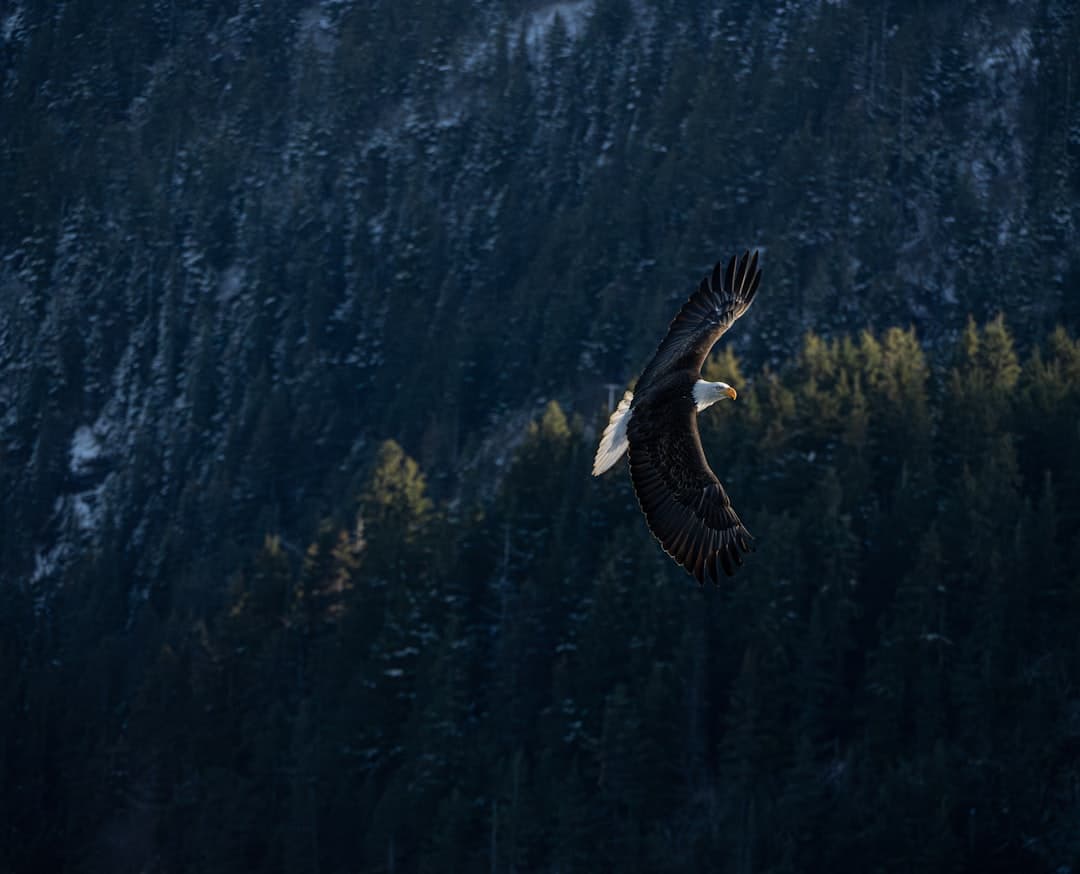
NewsA bald eagle rescued near Minocqua highlights the lead poisoning crisis affecting nearly 90% of Northwoods eagles — and what local sportsmen can do to help.
 News
NewsPark Falls honors Tom, Carol, and Stephanie Birchell through an ice fishing contest that celebrates community, raises funds for life-saving equipment, and keeps Northwoods winter traditions alive.
 News
NewsBehind Eagle River’s legendary snowmobile trails are volunteer groomers like Dan Dumas, who transform rough, storm-battered snow into butter-smooth surfaces through skill, technique, and late-night dedication.
 News
NewsNorthwoods bars and restaurants are celebrating early snowmobile season openings after two difficult winters, with businesses crediting volunteer trail clubs and hoping for sustained snow to support the region’s tourism-dependent economy.