

What is new for Northwoods Drifter in 2026
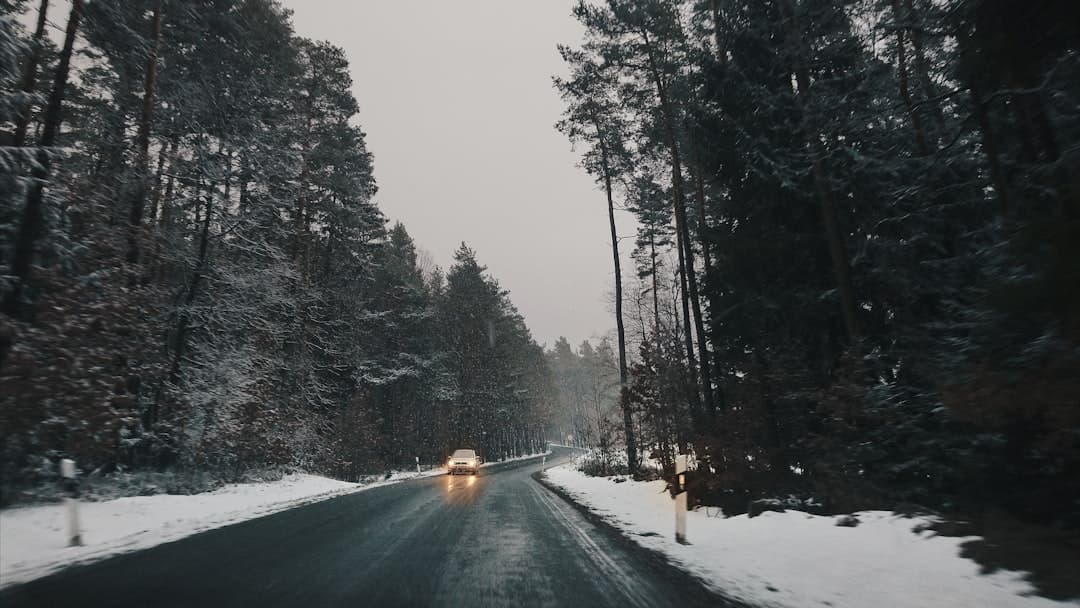
The Northwoods winter we’ve all been waiting for has finally arrived, and the lakes are freezing over with that familiar promise of ice fishing season. But before you grab your tip-ups and head out to your favorite spot on Lake Tomahawk or one of Oneida County’s many fishing lakes, there’s something every angler up here needs to remember: early-season ice is as unpredictable as a March snowstorm, and what looks solid on the surface can hide some serious dangers underneath.
Local anglers and bait shop owners across the region are sounding a cautionary note this season, and for good reason. The ice that’s forming right now isn’t the consistent, trustworthy surface we’ll have come February. It’s patchy, inconsistent, and hiding weak spots under that fresh blanket of snow that makes everything look so darn inviting. Understanding how to read the ice and equip yourself properly isn’t just smart—it could save your life.
Here’s the thing about ice formation in the Northwoods: it’s never uniform, especially early in the season. Brian Manthey from LT Bait and Tackle in Lake Tomahawk puts it plainly—you might have six to eight inches of solid ice in one spot and only two inches just a few feet away. That inconsistency comes from a bunch of factors working together, and most of them are invisible until you’re already in trouble.
Temperature fluctuations play a huge role. We build ice during those cold, calm nights when the thermometer drops and stays there. But throw in some wind, and ice formation slows way down. Wind churns the water, preventing that smooth freeze we need for strong, black ice. Then there’s snow cover, which acts like a blanket—sounds cozy, but it actually insulates the ice below and slows growth. That same snow also hides pressure cracks, shoreline heaves, and those telltale dark spots that signal thin ice.
What you’re looking for is clear, black ice—the newly formed stuff that’s dense and strong. White, porous ice that looks cloudy or milky? That’s weaker, formed from snow mixing with water or refrozen slush. In places where springs feed into the lake or currents move water, you’ll find thinner ice year-round. The Northwoods is full of these quirky spots, which is why local knowledge matters so much.
If you’re heading out on early-season ice anywhere in Vilas, Oneida, or the surrounding counties, two pieces of equipment are absolutely non-negotiable: ice picks and a spud bar. These aren’t optional extras for the overly cautious—they’re survival tools that belong in every angler’s kit.
Ice picks should hang around your neck on a cord, ready to grab the instant you need them. If you break through, those picks give you the leverage to pull yourself out of the water and onto more solid ice. Without them, your chances of self-rescue drop dramatically, especially when your clothes are soaked and the cold is sapping your strength. They’re inexpensive, lightweight, and could mean the difference between a scary story and a tragedy.
The spud bar is your reconnaissance tool. It’s a long, heavy bar with a wedged tip designed to chisel into the ice as you walk. Manthey recommends spudding your way out onto any lake—every few steps, drive that bar down. If it punches through easily, you’ve just found a weak spot without falling into it. Turn around and find another route, or better yet, call it a day. It might feel tedious, but that’s the trade-off for staying dry and safe.
Beyond the basics, consider wearing a float suit or carrying ice cleats for traction. Let someone know where you’re fishing and when you’ll be back. Bring a rope, a change of clothes in the truck, and a fully charged cell phone in a waterproof case. The Wisconsin DNR consistently emphasizes there’s no such thing as 100 percent safe ice, and preparation is your best defense.
Walking on ice is one thing; driving a vehicle onto it is another level entirely. Kurt Justice, owner of Kurt’s Island Bait Shop and a guide with decades of Northwoods experience, has clear advice: hold off on trucks and cars until you’ve got at least 16 inches of ice to be safe. Even then, conditions matter more than a single measurement.
Snowmobiles and ATVs are lighter and displace weight differently, which is why some anglers are already using them this season. But Justice has heard of several going through in spots where the ice looked fine. The problem is that all ice doesn’t form the same, even on a single lake. One section might support an ATV while another, just a hundred yards away, collapses under the weight.
We’ve seen this play out across Wisconsin this winter. Reports from other Northwoods waters note 8 to 12 inches on larger flowages, enough for foot traffic and light sleds, but vehicle incidents keep happening. The rush to get out early often leads to bad decisions, and a sunken truck is an expensive lesson in patience. Wait for mid-to-late January when we’ve had sustained cold and local reports confirm thicker, more consistent coverage.
The 2025-26 ice season got off to a slower start than we’d like, but recent cold snaps have improved things considerably. Many Northwoods lakes now have that 8-to-12-inch range in the safer spots, and the fish are biting—walleye, perch, and panfish are all cooperating, which is great news for those willing to walk out and fish responsibly.
But the challenges remain. Slush layers, those frustrating zones where water and snow mix under the ice, are still present in many areas. Shore ice remains thinner, especially near inlets and outlets. And climate patterns over recent years have made ice seasons shorter and less predictable. Statewide data shows southern Wisconsin has seen a dramatic increase in ice rescues, with Madison alone reporting 10 rescues in two winters compared to just one a few years prior. While the Northwoods typically enjoys longer, colder winters, we’re not immune to these trends.
Your best resource is always the local bait shop. Folks like Manthey and Justice are on the ice constantly, talking to anglers every day, and they know which lakes are fishing well and where to avoid. Stop in, ask questions, and don’t be shy about seeking advice. The Northwoods fishing community looks out for each other, and no one wants to hear about an accident that could have been prevented.
Ice fishing is one of the great joys of living up north. There’s nothing quite like sitting in a shack with friends, a hot thermos of coffee, and a line in the water while the snow falls softly outside. It connects us to this place, to the rhythm of the seasons, and to each other. But that tradition depends on respecting the ice and understanding its moods.
This season is shaping up nicely, with good fishing reports coming in and solid ice building in the right conditions. Take your time getting out there. Use the right gear, check in with local experts, and never assume the ice is safe just because others are on it. Test as you go, stay alert, and remember that no fish is worth risking your safety.
The lakes will be here all winter, and so will the fish. By taking a cautious, informed approach now, you’re setting yourself up for months of safe, enjoyable time on the ice. That’s the Northwoods way—respect the land, respect the water, and take care of each other. Now get out there and catch some fish, but do it smart, ya know?
Written by

Mike has been coming up or living in the Northwoods since his childhood. He is also an avid outdoorsman, writer and supper club aficionado.
 News
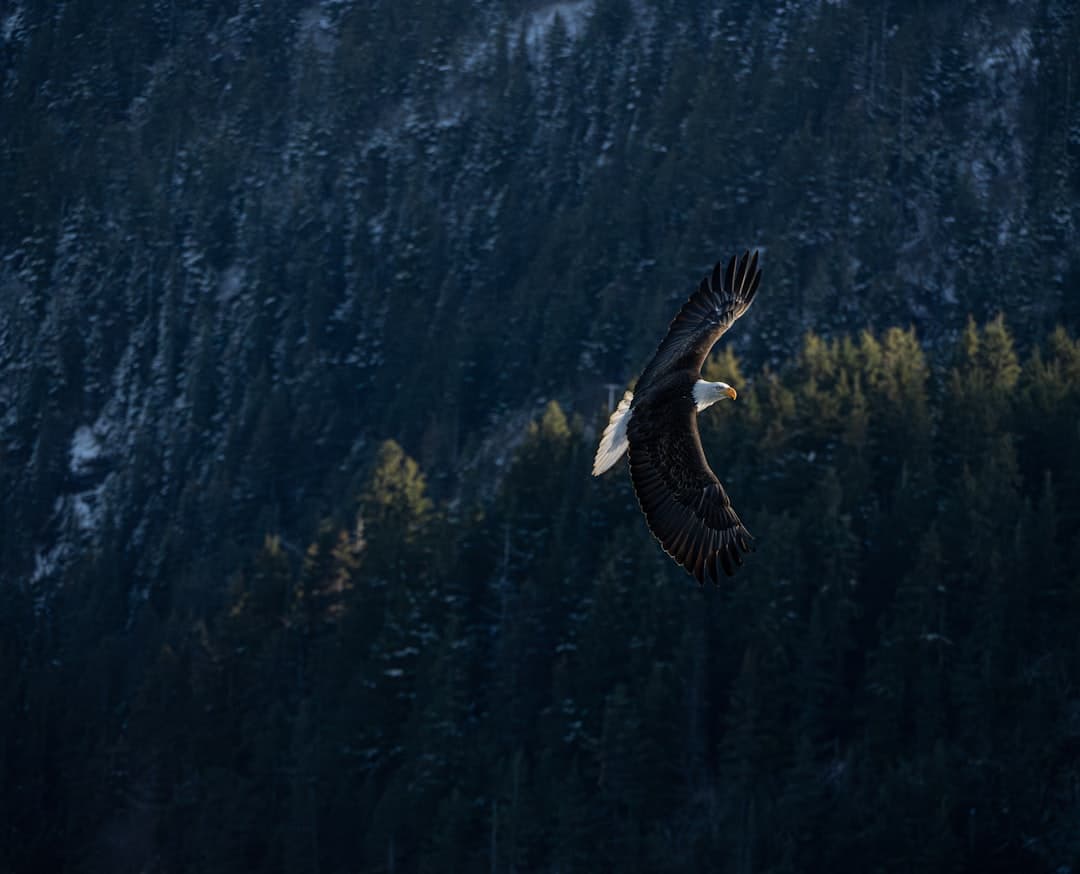
NewsA bald eagle rescued near Minocqua highlights the lead poisoning crisis affecting nearly 90% of Northwoods eagles — and what local sportsmen can do to help.
 News
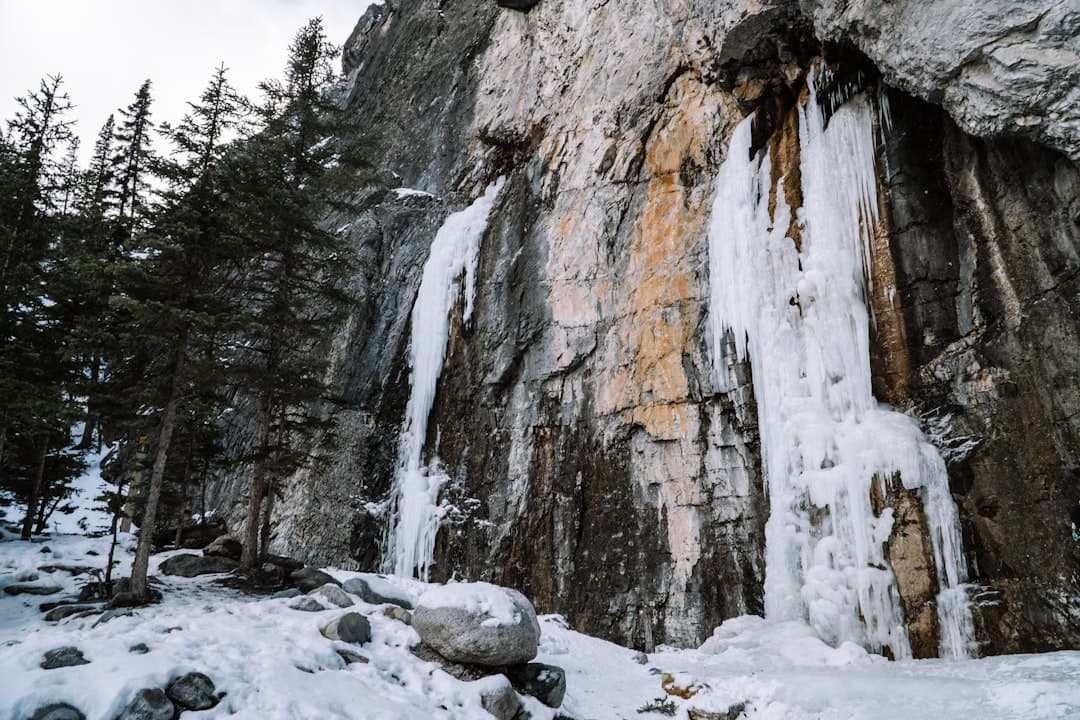
NewsPark Falls honors Tom, Carol, and Stephanie Birchell through an ice fishing contest that celebrates community, raises funds for life-saving equipment, and keeps Northwoods winter traditions alive.
 News
NewsBehind Eagle River’s legendary snowmobile trails are volunteer groomers like Dan Dumas, who transform rough, storm-battered snow into butter-smooth surfaces through skill, technique, and late-night dedication.
 News
NewsNorthwoods bars and restaurants are celebrating early snowmobile season openings after two difficult winters, with businesses crediting volunteer trail clubs and hoping for sustained snow to support the region’s tourism-dependent economy.