

What is new for Northwoods Drifter in 2026
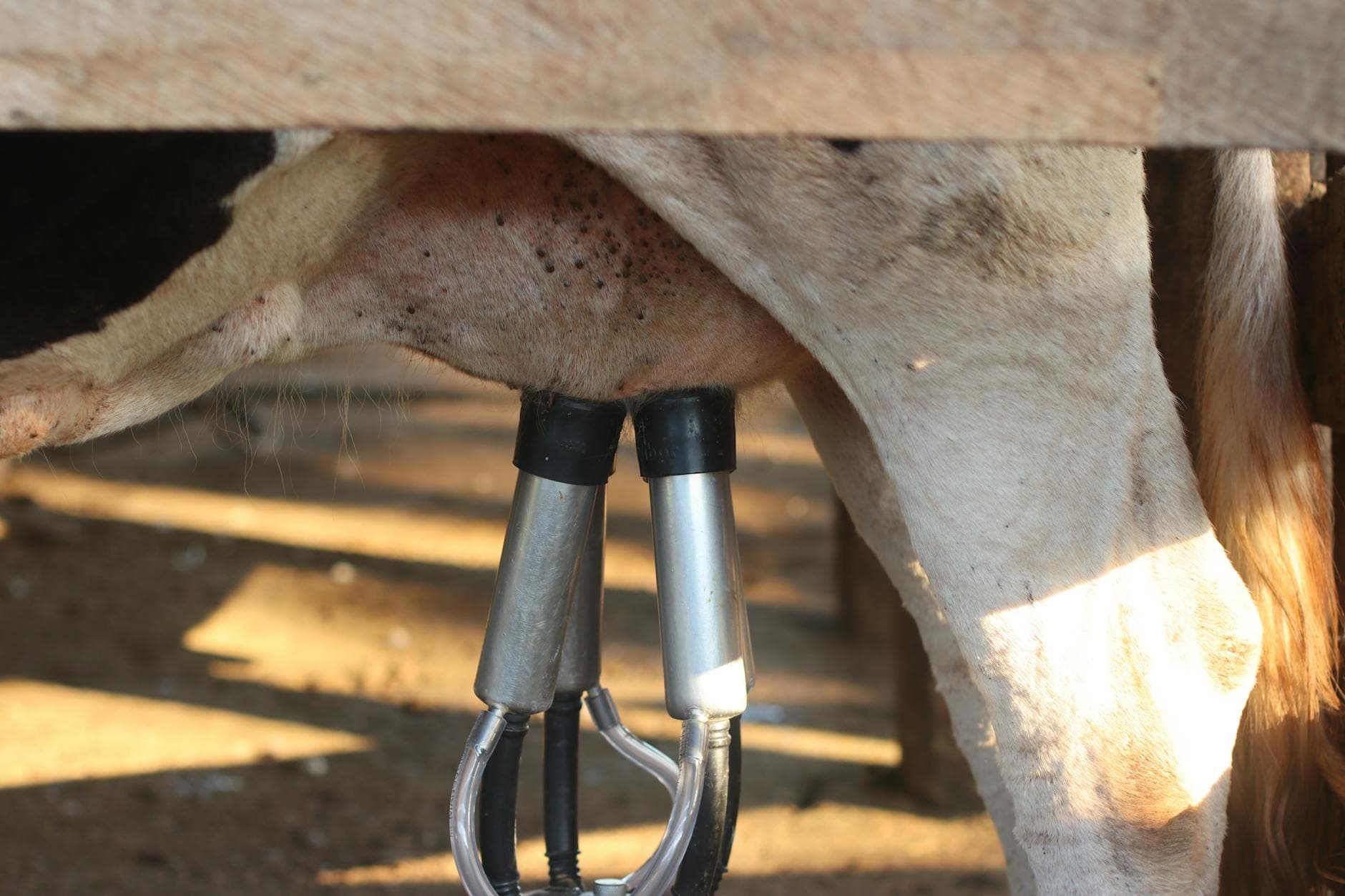
Drive through Price County on a crisp morning and you’ll still see them: small dairy barns tucked between pine forests, a handful of Holsteins grazing pastures dusted with frost. These operations—like Hillside Dairy in Catawba—represent what Wisconsin farming used to be.
Linda Ceylor runs 70 cows across 400 acres with just one farmhand, Alex Briske. It’s the kind of two-person operation your grandparents would recognize.
But farms like this are vanishing fast. Wisconsin now has just 5,100 licensed dairy herds as of January 2026—half what existed a decade ago. In the Northwoods, where dairy helped build rural communities, that decline hits especially hard.
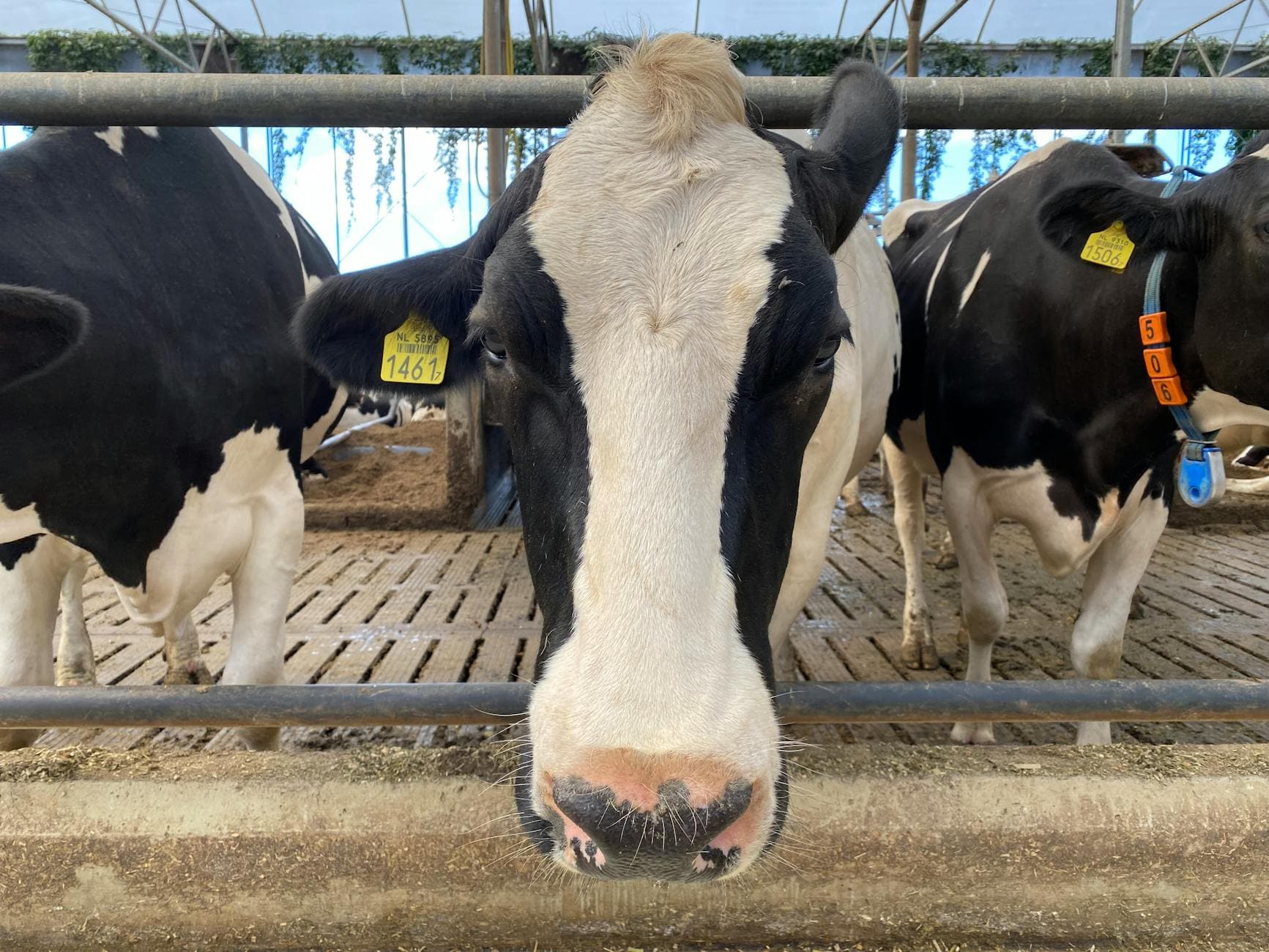
Statewide, middle-sized dairy farms have dropped by 140,000 operations since 1997. Wisconsin lost over 4,000 herds between 2017 and now. Nearly every county watched half its small farms disappear since 2002.
Yet here’s the twist: milk production keeps climbing. The state produced 32.1 billion pounds in 2023, with 2024 numbers similar. December 2025 alone saw 2.76 billion pounds flow from fewer, bigger operations.
How? Technology and consolidation. Today’s average cow produces 25,294 pounds of milk annually—nearly double the 13,166 pounds from 1985. Large farms with hundreds or thousands of cows drive those efficiencies.
“It’s still farm work, but it seemed more like a factory,” says Briske, who worked at a mega-dairy before joining Hillside.
Ceylor knows the barriers firsthand. She worked part-time and sometimes full-time off the farm just to keep Hillside running after her husband Gerald passed.
The obstacles for newcomers stack high:
The average Wisconsin farmer now exceeds 56 years old. Many approach retirement with no succession plan. When operators in their mid-60s with 150-cow herds decide the daily grind isn’t worth it anymore, those farms often close for good.
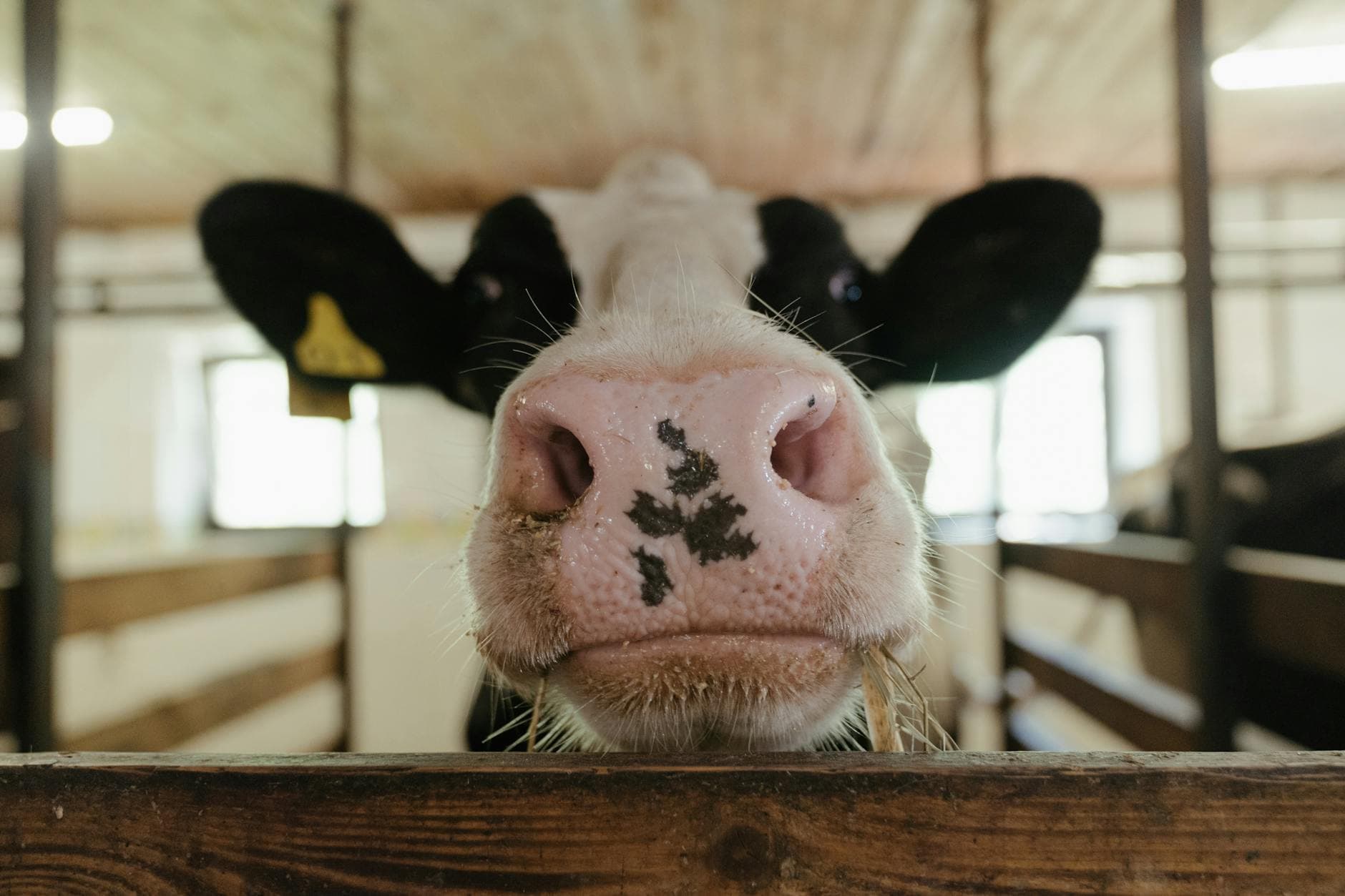
Dairy supports 120,700 jobs statewide and generates $52.84 billion in annual revenue. That’s 6.5% of Wisconsin’s entire economy.
But in the Northwoods, where populations already skew older and industries are limited, every farm closure ripples outward. Fewer farmers mean less business for feed suppliers, veterinarians, equipment dealers, and Main Street shops.
Price County and surrounding areas feel this acutely. Dairy provided steady jobs and kept families rooted in communities. When mid-sized operations fold, those employment opportunities vanish.
Some farmers pivot to beef cattle—which command higher prices and require less daily labor—but that shift doesn’t replace the economic activity dairy generated.
Briske spent time away from farming after his factory-farm experience left him disillusioned. When Ceylor reached out about equipment help at Hillside, something clicked.
Their small team—”one small family,” as Briske puts it—found a rhythm that larger operations can’t replicate. More importantly, they’re planning a succession that keeps the farm operating.
“I’d like to see someone who has a passion for farming, farm it,” Ceylor says. For Briske, the arrangement to eventually take over felt like “the biggest moment of my life.”
Success stories like this remain rare. Legislative efforts in 2025 attempted to support small dairies, but industry groups pushed to expand eligibility beyond tiny herds, reflecting tensions over who deserves help in a consolidating market.
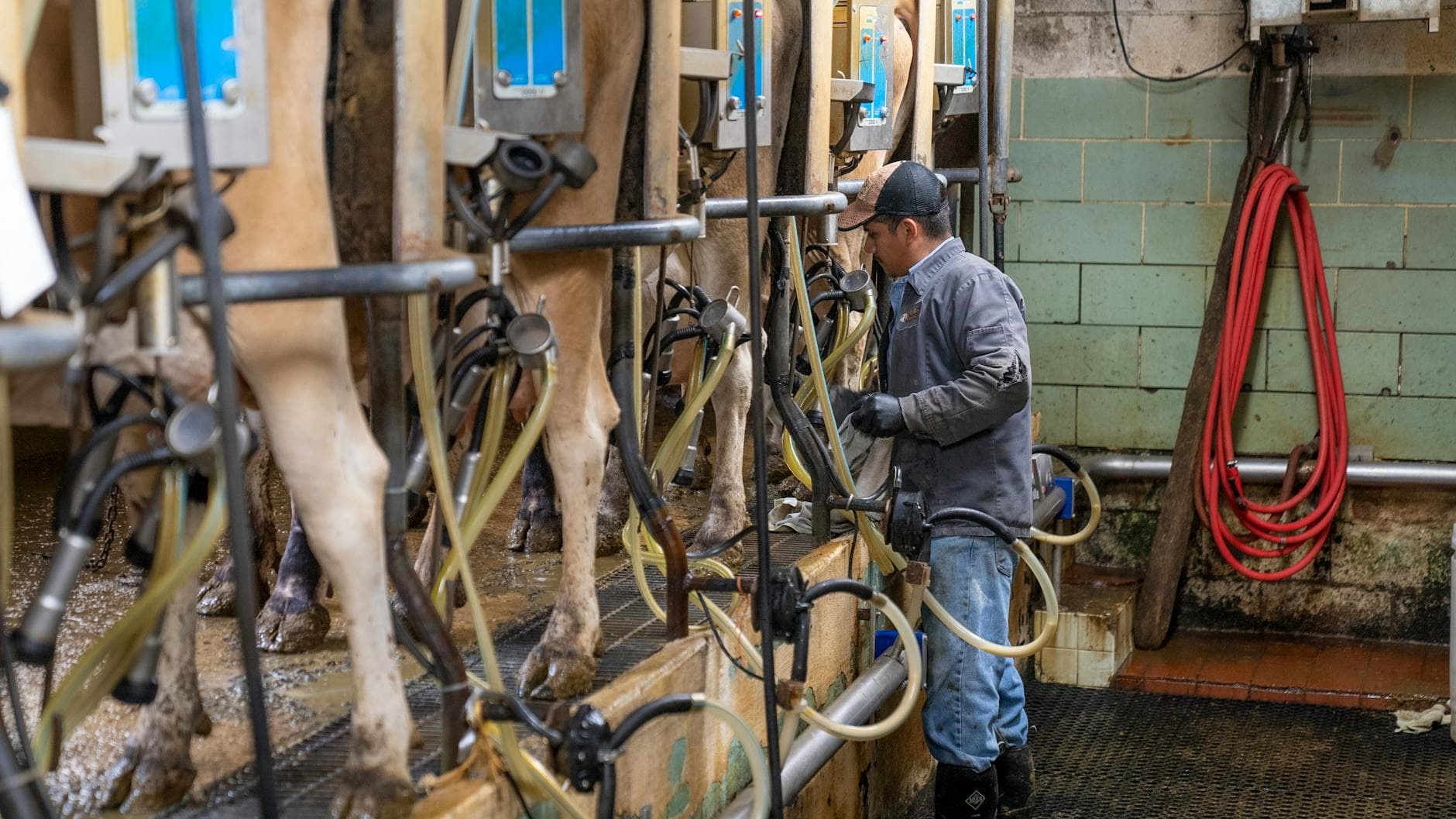
The pace of farm losses has slowed—from 818 in 2019 to 455 in 2023—but hundreds still exit annually. Consolidation isn’t slowing down.
Cheese production absorbs 90% of Wisconsin’s milk. As long as national demand for butter, cheese, and whole milk stays strong, the industry survives. Just not in the form Northwoods residents remember.
Mega-dairies with modern technology will keep milk flowing. But the landscape changes. Fewer barns dot the hillsides. Fewer farmers gather at the local co-op.
For communities like Catawba, the question isn’t whether dairy farming continues—it’s whether small-scale operations can find enough successors to preserve that piece of regional identity. Briske and Ceylor offer one answer. Whether it’s enough to sustain a tradition depends on how many others follow their path.
As Briske says: “Stuff changes, everything changes every day, but farming’s farming.” The Northwoods will keep adapting, even as the farms themselves transform.
Written by

Mike has been coming up or living in the Northwoods since his childhood. He is also an avid outdoorsman, writer and supper club aficionado.
 News
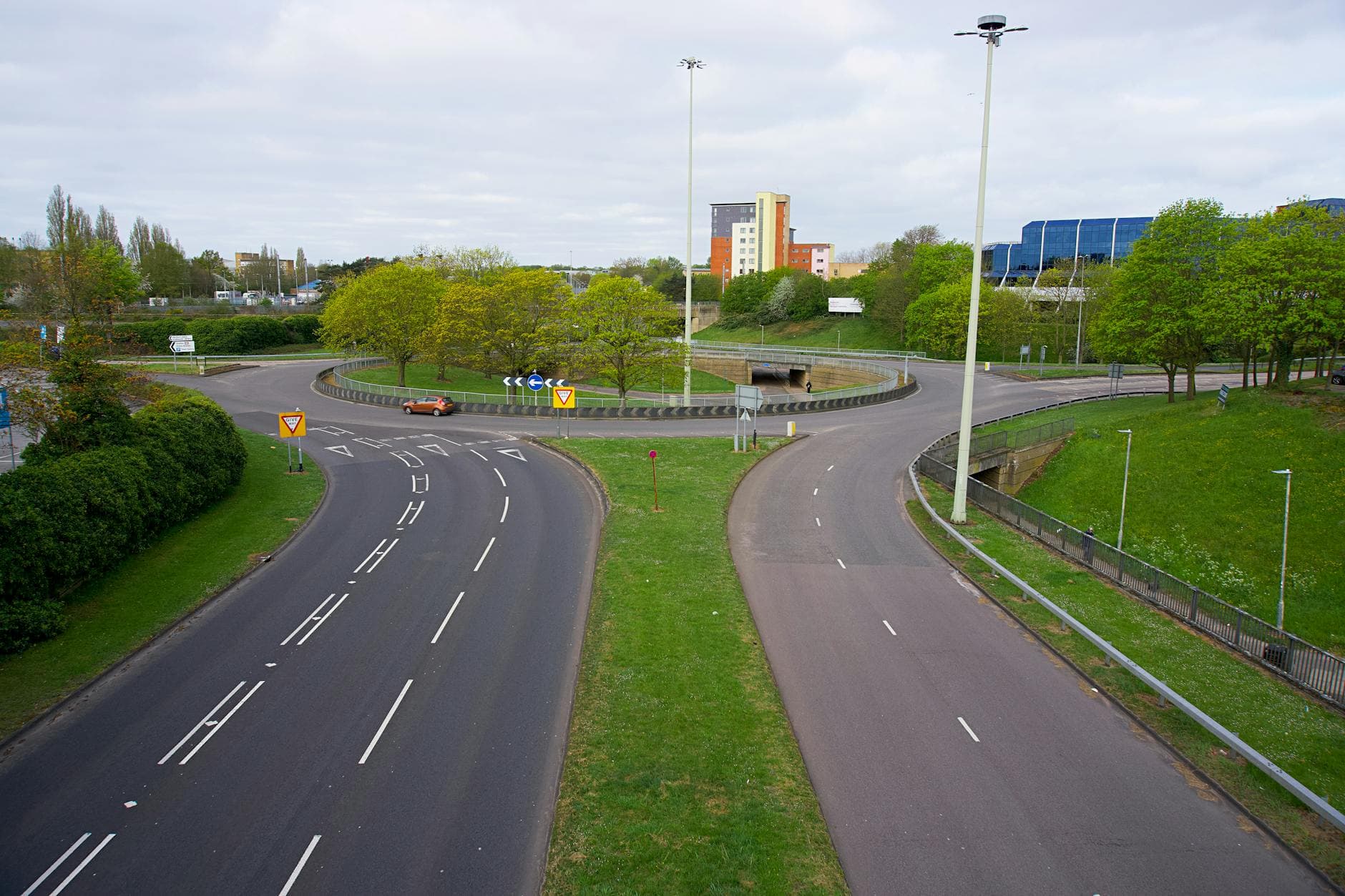
NewsWisDOT will replace two Highway 8 stoplights in Rhinelander with roundabouts starting in April, bringing safety improvements and smoother traffic flow after months of construction detours.
 News
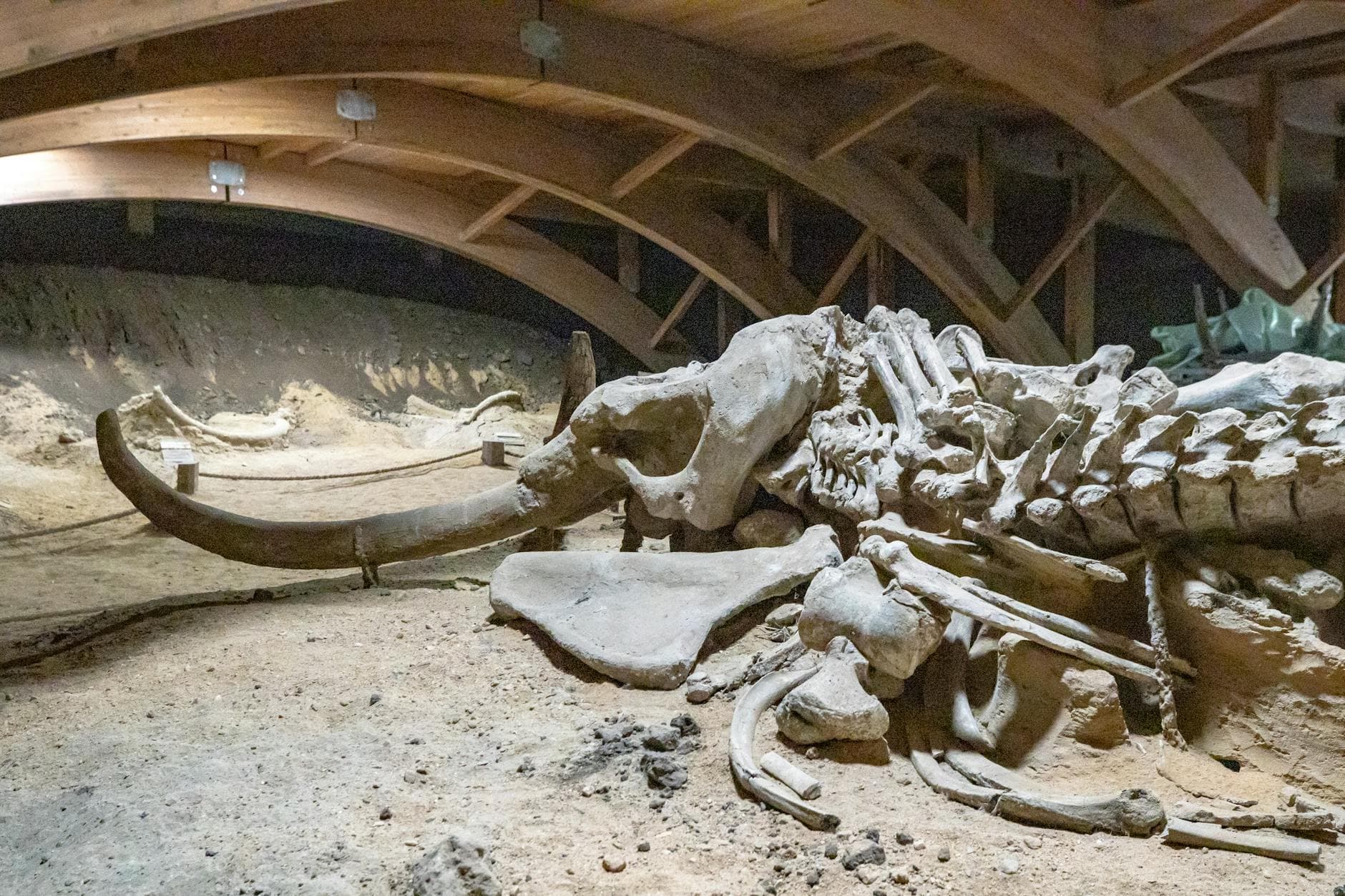
NewsWausau’s Sean Sullivan brings Ice Age history to life across Wisconsin with hands-on archaeology programs featuring woolly mammoth hunts, Stone Age tools, and the prehistoric past that shaped the Northwoods.
 News
NewsLakeland Fitness & Golf’s third annual winter virtual golf tournament lets Northwoods players swing through 100+ courses while raising thousands for local nonprofits. Registration open through March.
 News
NewsVaughn Public Library in Ashland drew families for a Valentine’s night mixing Borax crystal experiments, art projects, and live banjo music—proving small-town libraries remain community heartbeats even during major renovations.