

What is new for Northwoods Drifter in 2026
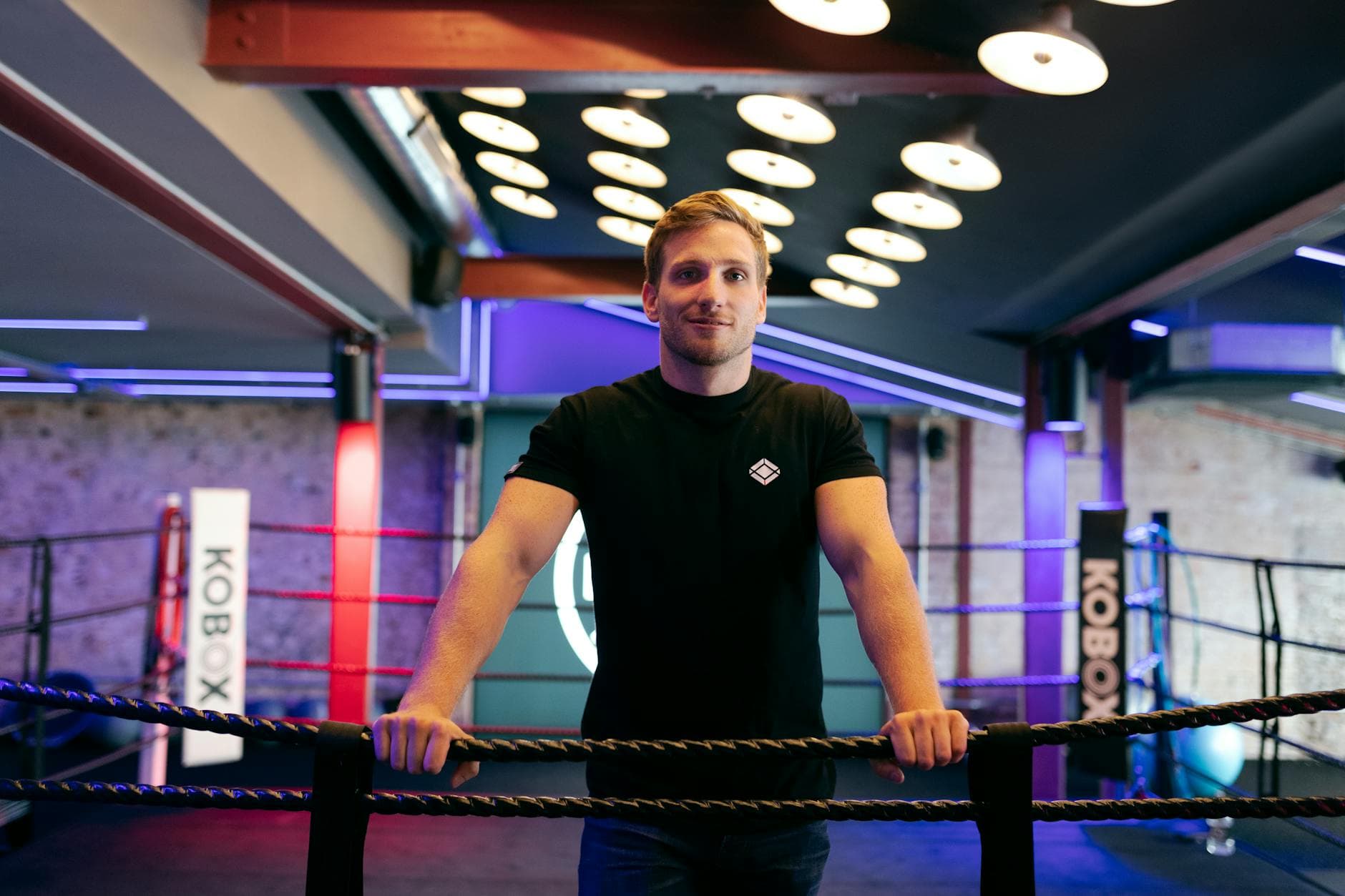
Rhinelander has a new kind of ring this winter, and it’s not the hockey rink at the Hodag Dome. Tyler Olson and Robert Schramke, two local amateur boxers barely out of high school, just opened Hodag Den Boxing and Fitness at 3839 Country Drive—the Northwoods’ first fully dedicated boxing gym.
For decades, aspiring fighters in Vilas, Oneida, and surrounding counties had nowhere local to train. Kids who fell in love with the sport watching UFC fights or classic boxing matches had to drive hours south or work out in basements.
That’s exactly what Olson did before deciding enough was enough. “We realized this area was really missing a boxing training facility,” he says. “So we said, ‘Hey, we can sit around and wait for one, or we can bring one to our area.’ That’s what we did.”
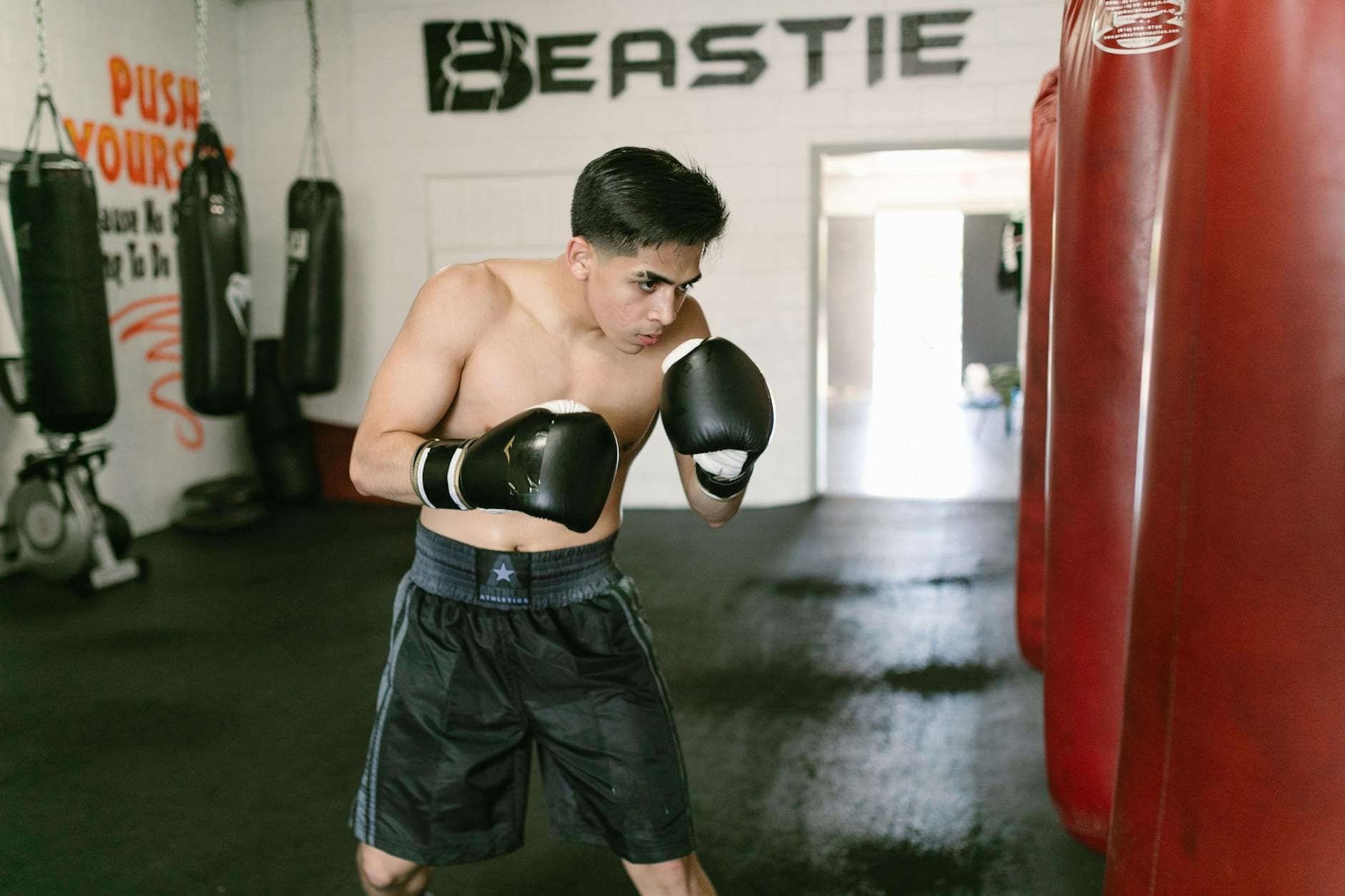
Olson and Schramke, along with co-owner Aden Bergman, pooled about $5,000 to launch the gym in November 2025. That’s less than some folks around here spend on a used snowmobile.
The space might not rival the fancy fitness centers down in Madison, but it’s got what matters: boxing rings, heavy bags, speed bags, and room to spar. More importantly, it’s right here in the Northwoods, saving local fighters from marathon drives just to throw punches under supervision.
The owners run youth classes for kids ages 8-12 and beginner sessions for anyone 13 and up. Advanced boxers can push harder in dedicated training, and the gym offers 24/7 access for members who want to work the bags after their shift at the paper mill or before sunrise.
Hayden Zarda knows the struggle better than most. The Pickerel resident used to drive nearly an hour each way for boxing training—a tough ask when you’re trying to stay consistent.
“This is probably one of the best things that’s happened for my life so far. Being here every day, putting in that work, being dedicated for this sport—Rob and Tyler, they’ve helped me so much.”
Now Zarda trains locally and dreams of turning pro. He’s part of a growing crew at Hodag Den that includes everyone from grade-schoolers learning footwork to adults rediscovering fitness through the demanding discipline of boxing.
The owners say teaching matters more than their own amateur careers. They’re building something bigger than personal glory—a community hub for combat sports in a region better known for musky fishing and snowmobile trails than left hooks and uppercuts.
While the Northwoods never had its own boxing scene, the sport has Wisconsin history. UW-Madison hosted intercollegiate programs from 1920 through 1961, producing NCAA champions like Charlie Mohr in the Red Gym.
Those glory days ended when NCAA sanctions shut down college boxing, but the legacy lingered. Southern Wisconsin saw professional bouts in Milwaukee and Fond du Lac back in the early 1900s, featuring fighters like Battling Nelson.
Up north? Nothing. No gyms, no tournaments, no local matchups. Just young fighters watching videos online and wondering what it’d be like to actually train.
That gap reflects the Northwoods reality—we’ve got natural beauty and outdoor opportunity for days, but specialized sports facilities remain scarce. When you’re choosing between a boxing gym and a new fishing resort, the resort usually wins in a tourism-driven economy.
Olson and Schramke aren’t just teaching jabs and hooks. They’re instilling discipline, work ethic, and the satisfaction of measurable progress—lessons that translate everywhere from school to job sites.
“Giving them that mindset of working hard, having that progress shown, being dedicated to what you do—it’s a big part of life and it will work into their work goals,” Zarda says.
For Northwoods kids, especially those who don’t connect with traditional team sports, boxing offers an alternative. It’s individual, demanding, and rewards consistent effort in ways you can feel immediately.
The owners plan to host a community boxing show at the Hodag Dome soon, creating local matchups and giving fighters a chance to compete without traveling downstate. That’s huge for building interest and giving young boxers something to train toward.
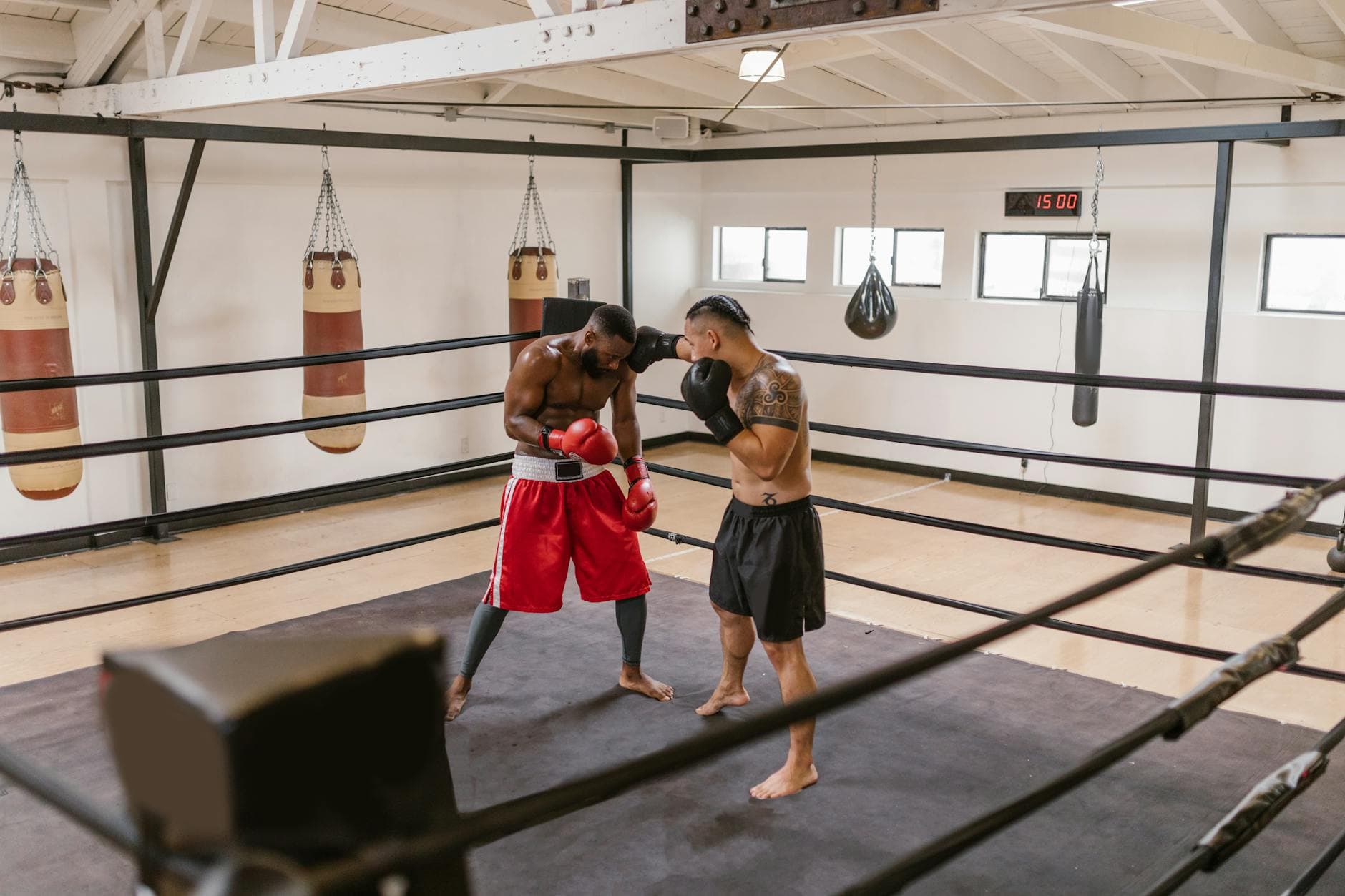
Rhinelander’s population sits around 7,700—not exactly a major metro. Yet Olson, Schramke, and Bergman proved you don’t need big-city resources to start something meaningful.
Their $5,000 investment and willingness to teach daily classes created the region’s first dedicated combat sports space. It’s entrepreneurial spirit at its best, addressing a real community need without waiting for someone else to do it.
The founders believe more towns across Wisconsin need facilities like this. They’re right. How many kids in Eagle River, Minocqua, or Land O’ Lakes are watching boxing videos right now, wishing they could actually learn?
This isn’t just about boxing. It’s about small communities creating their own opportunities instead of watching them drive past on Highway 51 headed somewhere else. It’s about young people taking initiative to build what their hometowns lack.
Hodag Den Boxing might be modest, but it’s authentically Northwoods—scrappy, practical, and rooted in the belief that good things happen when neighbors invest in each other. Whether you’re throwing punches or just supporting local business, that’s a spirit worth celebrating up here.
Written by

Mike has been coming up or living in the Northwoods since his childhood. He is also an avid outdoorsman, writer and supper club aficionado.
 News
NewsBelong Wisconsin’s Sibling Camp reunites foster siblings separated across the state, including Northwoods kids, for a week of connection, normalcy, and family bonds that last beyond summer.
 News
NewsRib Lake’s new gymnasium caps a $19.5M community-funded renovation connecting separated buildings and bringing tournament-quality facilities to a rural Northwoods district.
 News
NewsThe legendary Apostle Islands ice caves opened for the first time since 2015, drawing thousands to Lake Superior’s frozen shore before a storm closed them again. Here’s why these formations are so rare and so magical.
 News
NewsMarathon County Historical Society’s new 38,096-square-foot archive center will consolidate 70 years of Northwoods artifacts into climate-controlled storage, preserving lumber-era history for future generations.