

What is new for Northwoods Drifter in 2026
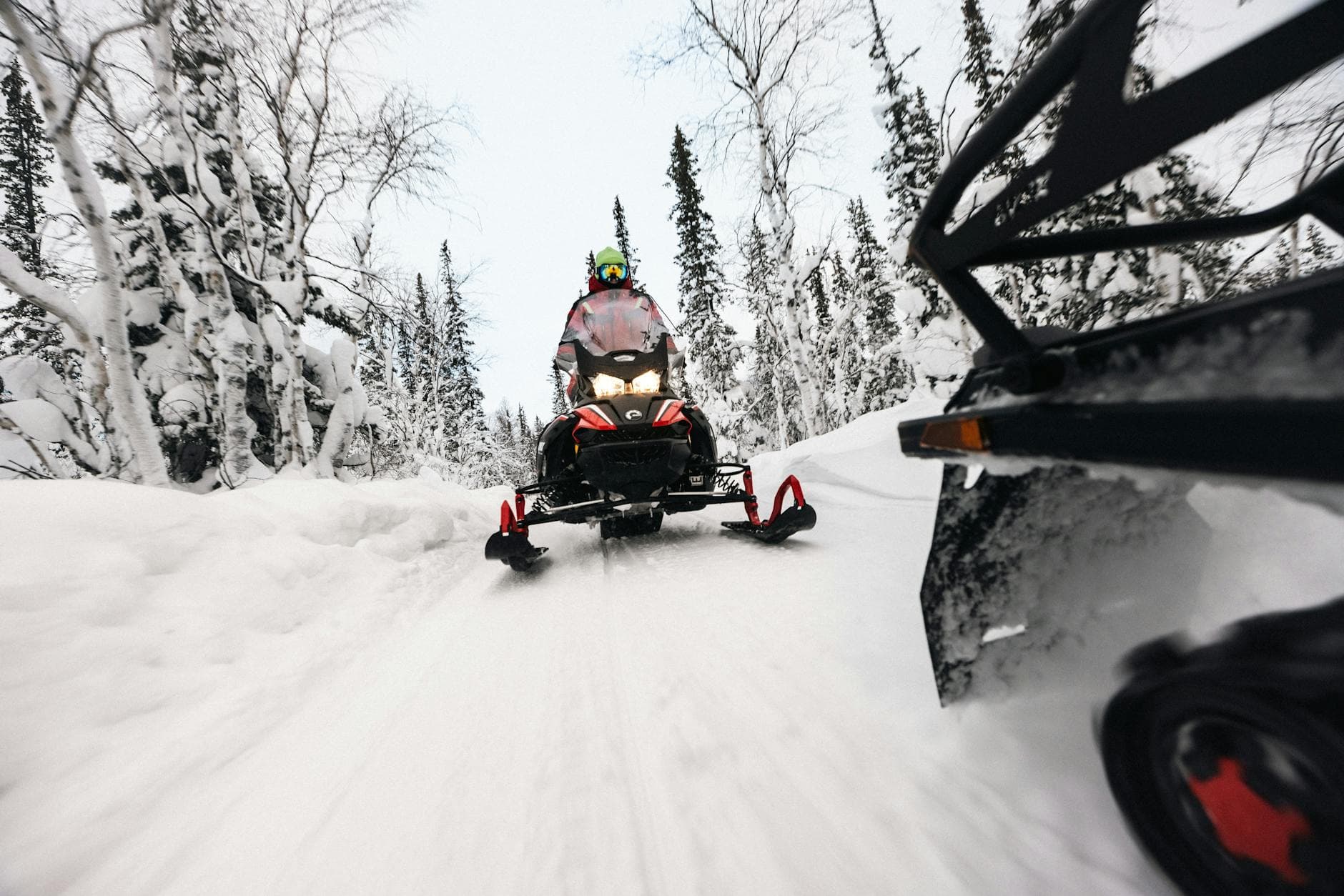
Riders planning a weekend on Oneida County’s trails just got some bad news. The entire snowmobile trail system—all 800-plus miles of state-funded and club-funded routes—is closing Friday morning at 8 a.m.
The Oneida County Forestry Department announced the shutdown Tuesday, citing weather and trail conditions that can’t support safe riding. It’s a familiar disappointment for Northwoods snowmobilers who’ve watched winter warm spells wreak havoc on what should be peak season.
For a region where snowmobiling isn’t just recreation but a winter lifeline connecting communities from Rhinelander to Three Lakes, this early closure stings.
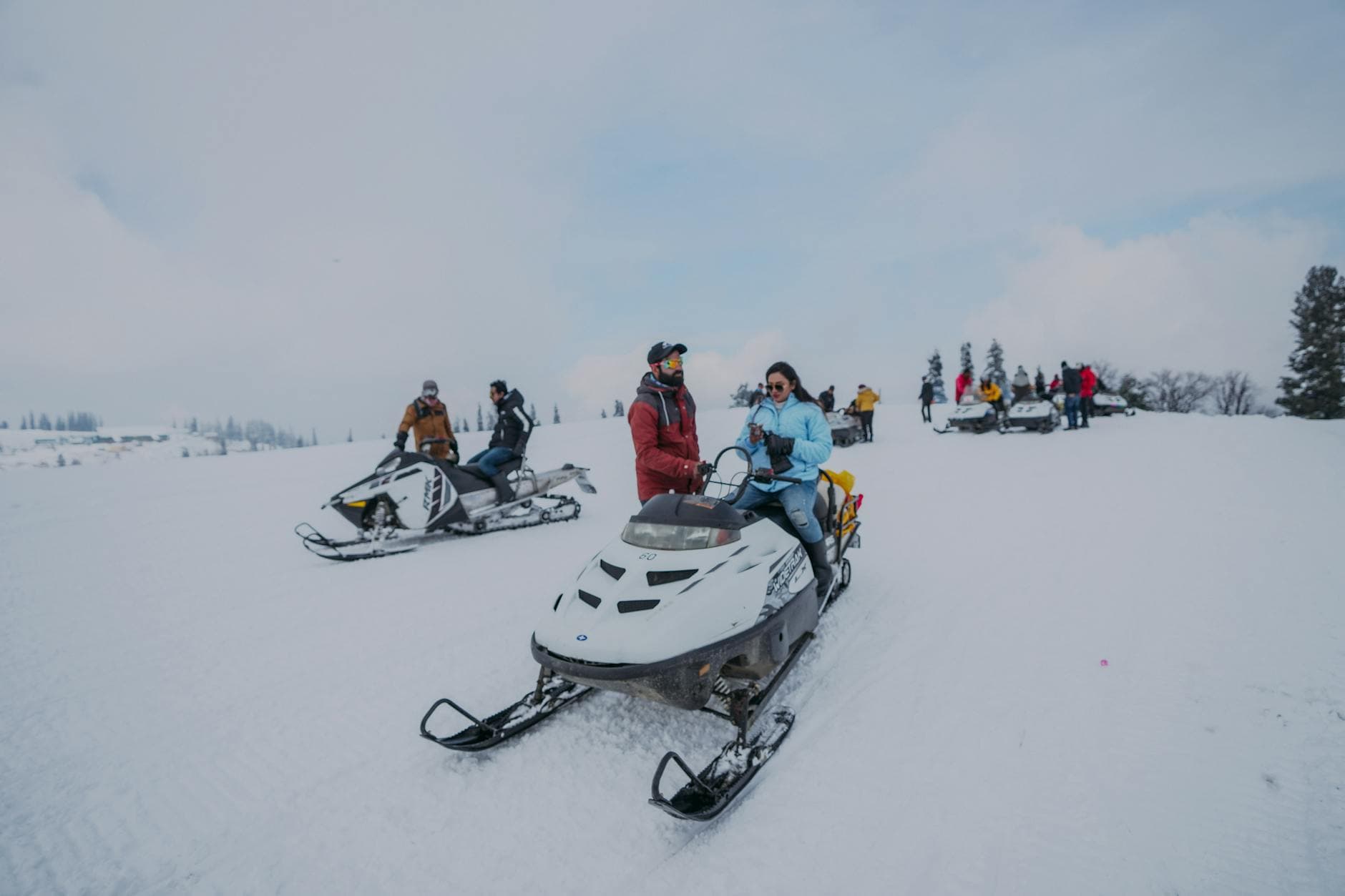
Trail conditions depend on one thing: snow. Enough of it, cold enough, consistent enough to handle the pounding of sleds day after day.
When mild weather or rain moves through, the base deteriorates fast. Clubs can groom four, five times a week with their Pisten Bully machines, smoothing and packing powder under those towering pines. But you can’t groom what isn’t there.
This closure affects every major route in the county—the flat, scenic Bearskin State Trail running between Minocqua and Tomahawk, the Cross Country Cruisers’ nearly 100 miles near Minocqua, the Minocqua Forest Riders’ 150-mile network linking into Price and Vilas Counties, and the Three Lakes-Brule River Trails winding through 186 miles of Nicolet National Forest.
Most folks don’t realize the work behind these trails. They’re not maintained by some faceless state department—they’re groomed, marked, and monitored by local snowmobile clubs full of volunteers who’ve been doing this for decades.
Clubs like Northern Lights (founded way back in 1967), Cross Country Cruisers (1970s), and Sugar Camp (1971) are the reason riders can zip from Woodruff to Eagle River or connect all the way to Michigan’s Upper Peninsula. Sugar Camp alone manages 80 miles and won the Dick Rust Memorial Award back in 2017-2018 for their maintenance efforts.
When conditions force a closure, it’s not just disappointing—it means all those volunteer hours, fuel costs, and grooming runs get sidelined. The community pride these clubs bring to trail stewardship runs deep.
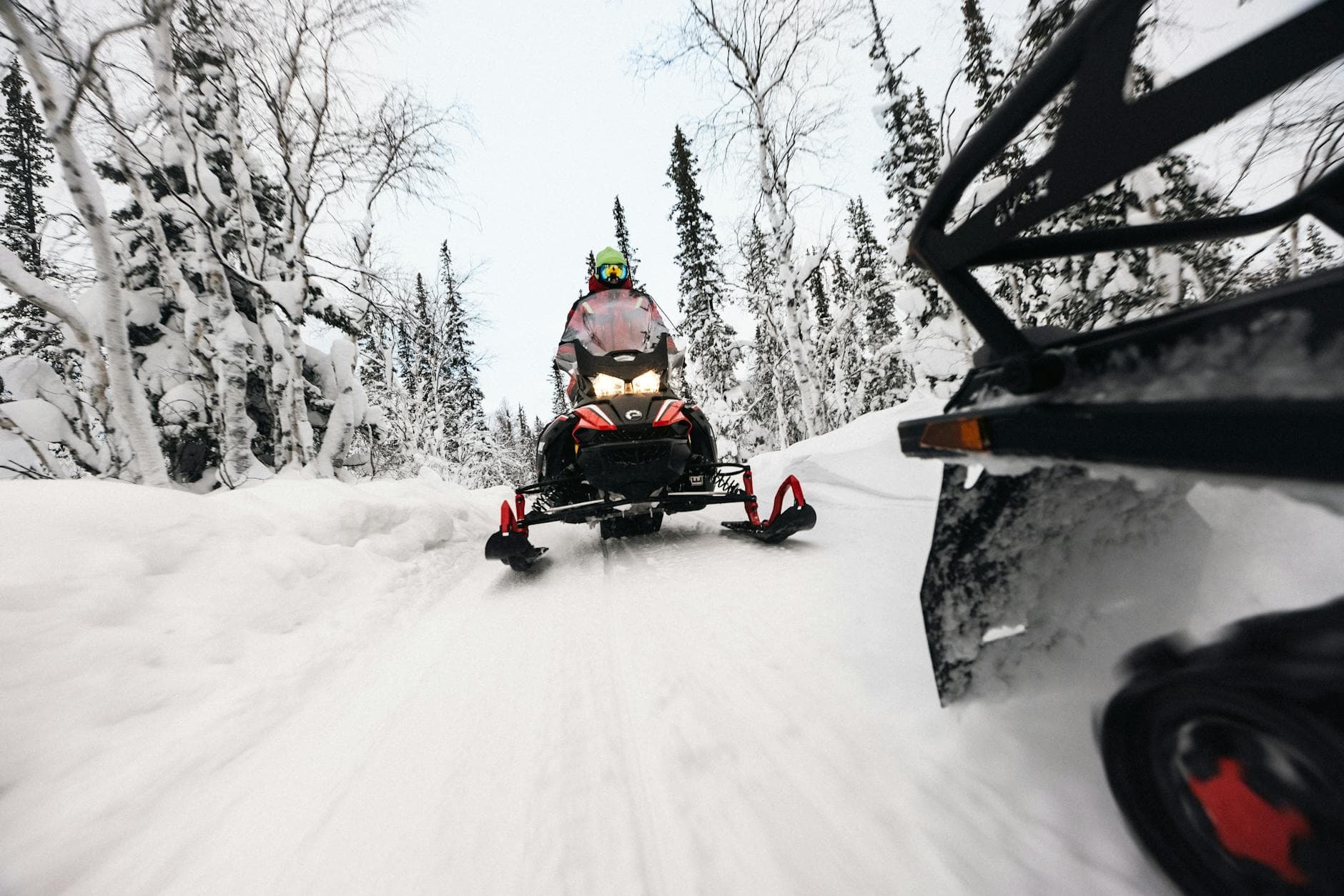
Snowmobile season pumps serious cash into our local economy. Resorts, restaurants, gas stations, and trailside bars all depend on riders rolling through town.
Think about it: a group from Illinois books a long weekend, hits the trails during the day, grabs dinner in Minocqua, fuels up in Three Lakes, stops for drinks in Woodruff. When the trails shut down early, that revenue disappears.
Trail closures don’t just end the riding season—they cut short the economic boost that keeps small Northwoods businesses going through the coldest months.
Clubs also lose out. They rely on trail pass fees and fundraisers to keep groomers running and equipment maintained. An abbreviated season means tighter budgets heading into next year.
That’s the question everyone’s asking, and the honest answer is: nobody knows yet. Trails reopen when conditions allow, plain and simple.
The county and clubs monitor snowfall, temperatures, and ground coverage constantly. They’ll update their status through official county channels and local newspapers when things improve. Lake routes stay closed until clubs physically mark them safe—ice conditions can vary wildly across bodies of water like Minocqua, Tomahawk, and Willow Flowage.
If you’re itching to ride, here’s what to watch for:
Don’t just assume trails are good because you see snow in your yard. Conditions vary drastically across the 800-mile network.
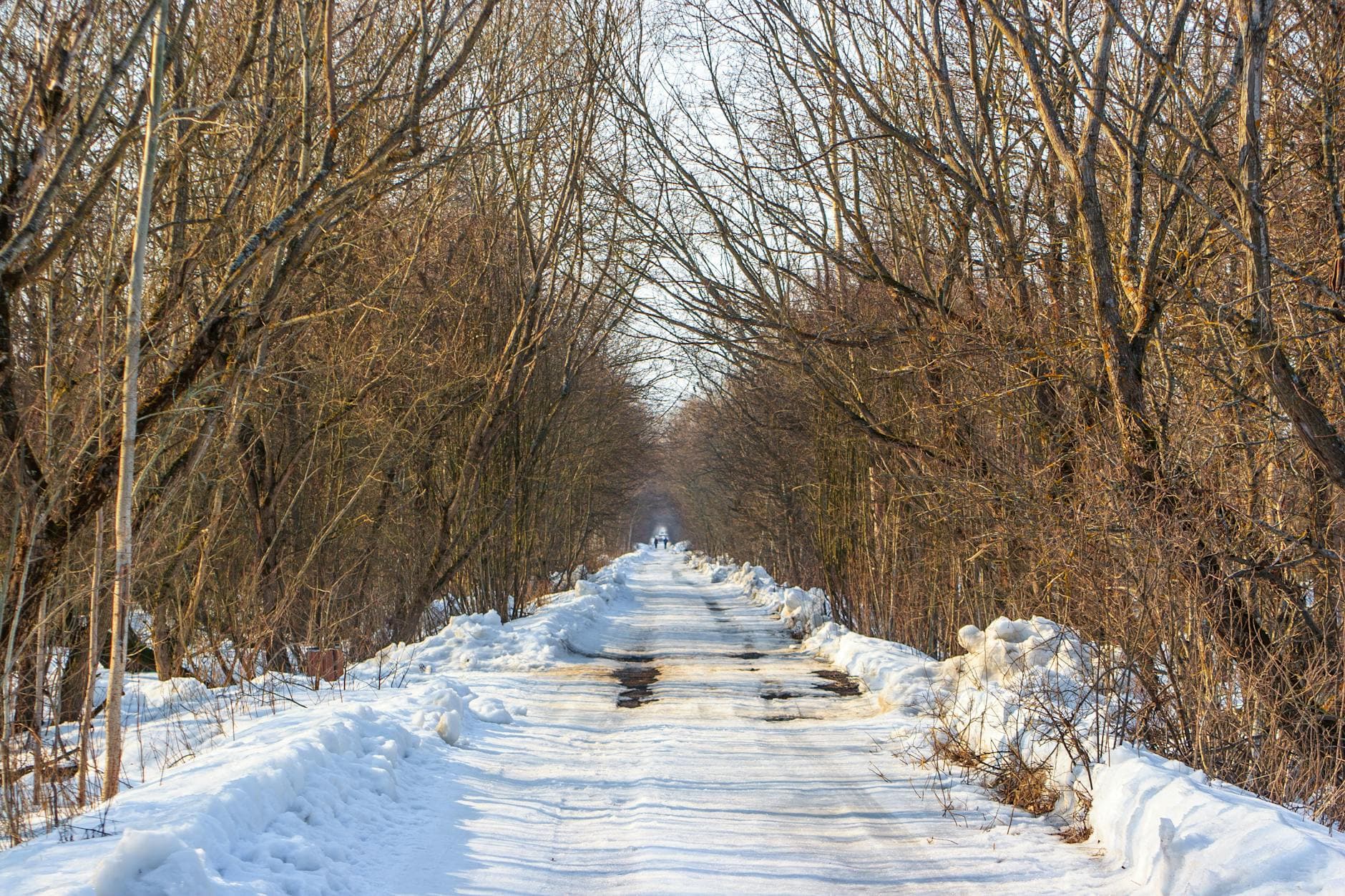
Snowmobiling exploded across the Northwoods in the late 1960s and early ’70s, transforming how we experience winter. Oneida County‘s trail system traces back to that boom, repurposing old railway beds like the Bearskin State Trail—remnants of the region’s logging heritage now serving a completely different purpose.
Nearby Eagle River earned the title “Snowmobile Capital of the World” back in 1974, and Oneida’s trails connect directly into that hub. These routes aren’t just recreational—they’re woven into our identity as a winter destination.
Climate variability makes that identity harder to maintain. Shorter, less predictable winters mean clubs and counties have to work smarter, invest more, and sometimes make tough calls like Friday’s closure.
So what now? If you’re a rider, check your gear, stay patient, and watch for updates. If you’re not, maybe grab a cross-country ski or snowshoe and enjoy what snow we do have. And when the trails reopen—and they will—get out there and support the clubs and businesses that make it all possible. The Northwoods winter tradition depends on it.
Written by

Mike has been coming up or living in the Northwoods since his childhood. He is also an avid outdoorsman, writer and supper club aficionado.
 News
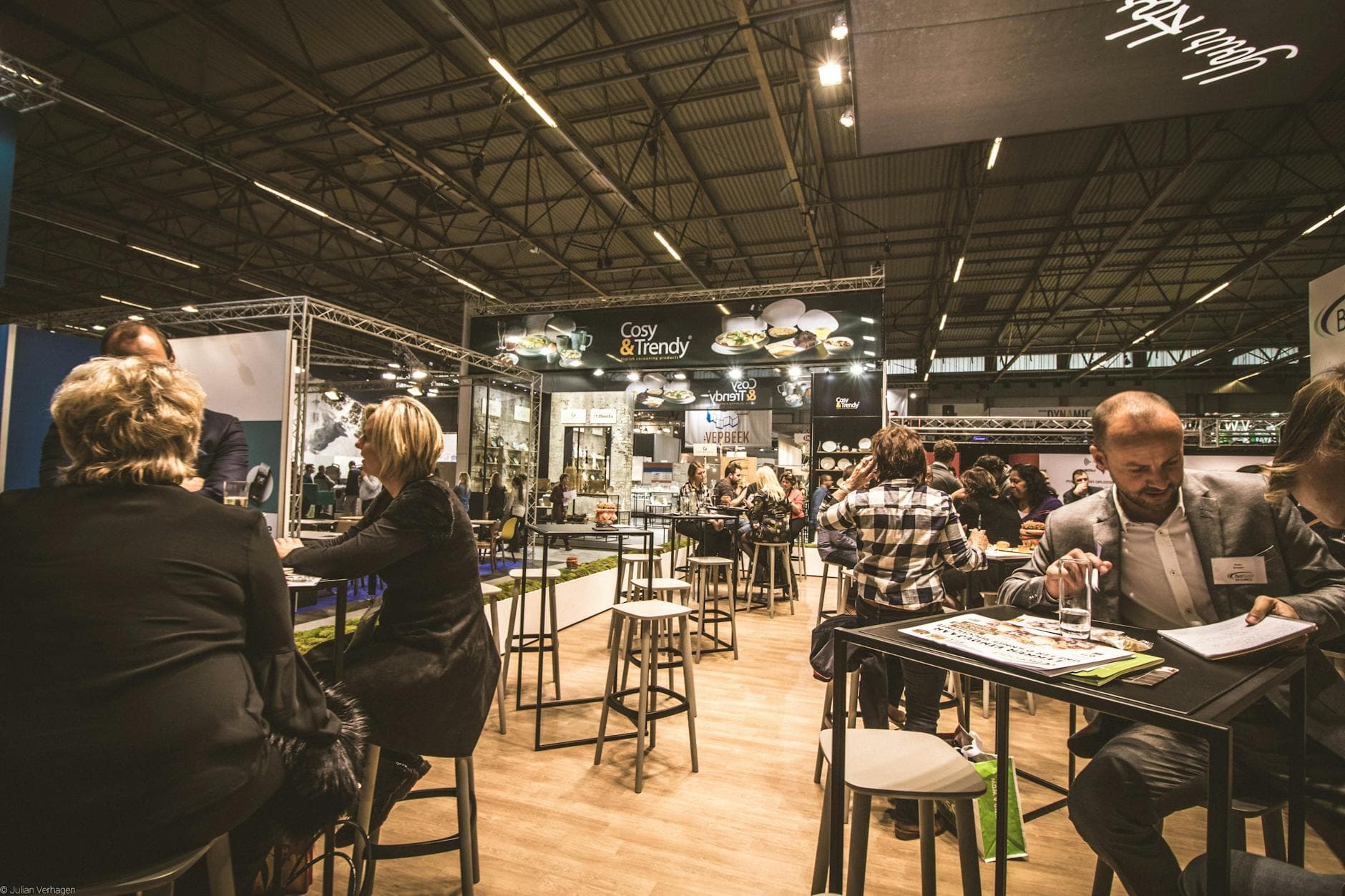
NewsTomahawk residents filled VFW Post 2687 for a mayoral candidate forum, pressing Michael Habeck and Jeffrey Koth on infrastructure, budgets, and the city’s future ahead of the April 7 election.
 News
News93 exhibitors from seven Northwoods counties gathered at Rhinelander’s annual Up North Community Expo, creating connections that strengthen the region’s business and nonprofit communities.
 News
NewsThe Forest County Potawatomi are hosting a free snowsnake tournament March 14th at Bug Lake in Crandon, reviving an ancient winter game with competitions for all ages and abilities.
 News
NewsUWSP Pointers men’s basketball returns to NCAA tournament after 7-year absence, bringing championship expectations and a rebuilt program culture under coach Kent Dernbach.