

What is new for Northwoods Drifter in 2026
The hum of chainsaws and rumble of log trucks have echoed through Northwoods forests for generations. But today, those familiar sounds are fading as logging crews face a crisis that threatens to reshape the industry that’s defined our region for over a century.
Ahlstrom’s recent announcement to shutter its Mosinee pulp mill and two paper machines in 2026 marks another blow to Wisconsin’s paper industry. It’s not just 200 mill workers losing their jobs — it’s the loggers who’ve supplied those operations for decades, suddenly searching for buyers in a shrinking market.
James Wilson knows this reality too well. The master logger and owner of Wilson Forestry in Athens has run his business for over 12 years, but the Mosinee closure leaves him without a home for products he’s cut specifically for that mill.
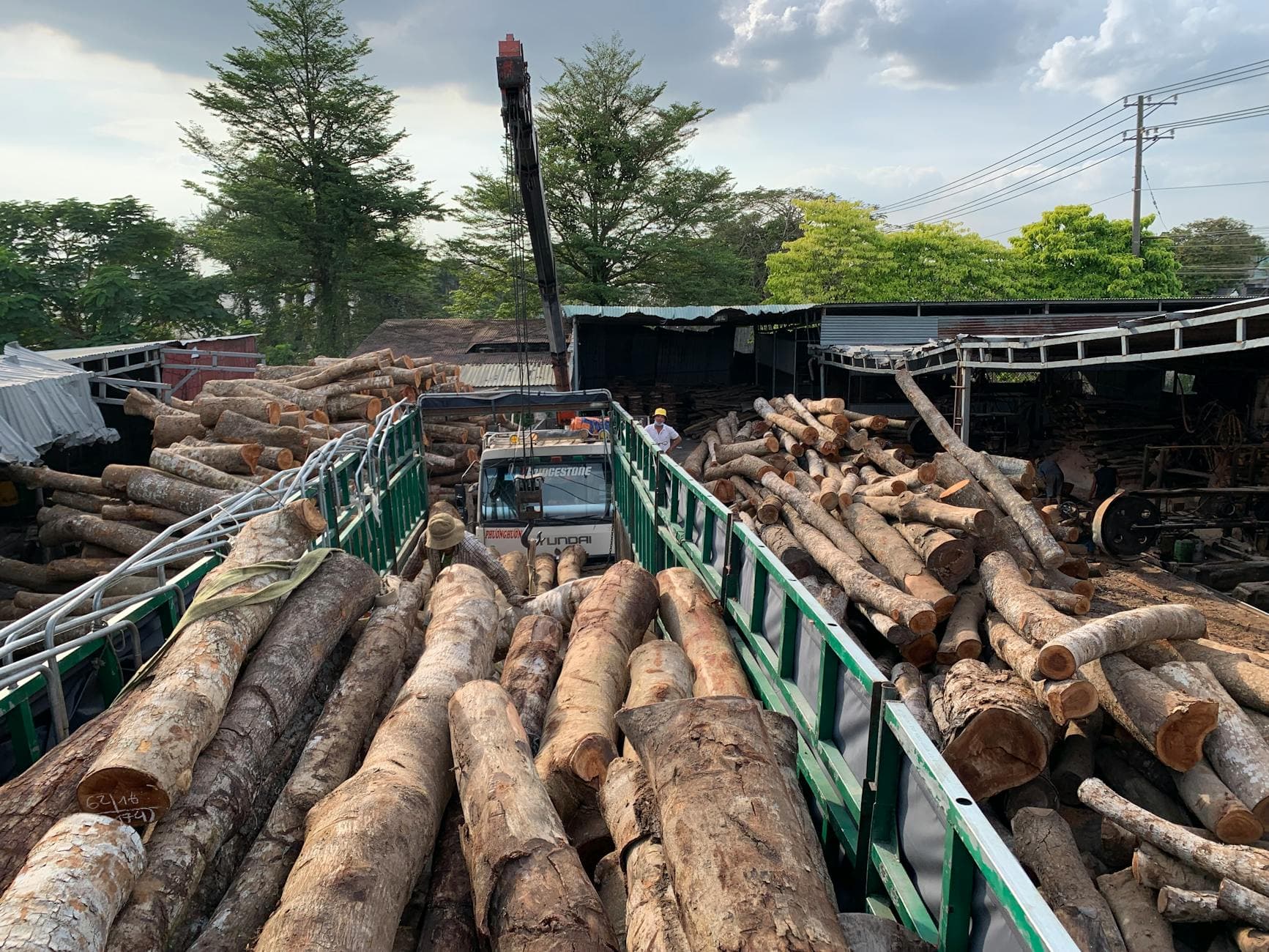
The math is brutal for Northwoods logging operations. Wilson’s crew now faces hauling loads over 100 extra miles to find mills still accepting their wood — if they can secure contracts at all.
“Several of our products that we cut, we only supply to that mill,” Wilson explains. “Now, going forward we are gonna have to find a different avenue to move that product if possible.”
That extra trucking distance isn’t just an inconvenience. It’s fuel costs, vehicle wear, driver hours, and razor-thin margins getting even thinner. For a family-run logging outfit operating on tight budgets, it could mean the difference between staying open and shutting down.
The Mosinee mill isn’t an isolated case. In the last two decades, around 15 paper mills have ceased operations across Wisconsin. Facilities in Park Falls, Wausau, Wisconsin Rapids, and Neenah have all closed their doors, squeezing hundreds of logging companies into fewer and fewer markets.
“It crunches a whole group of guys into these few remaining mills and we’re getting contracts cut and slashed to keep everybody alive.” — James Wilson, Wilson Forestry
The forces closing these mills stretch far beyond our pine forests. Rising energy costs, labor shortages, and stiff competition from international producers in China and Brazil have made it harder for Wisconsin operations to compete.
Demand for traditional paper products has softened too. Digital media replaced newsprint, and recycled materials now compete with virgin pulp in packaging markets. Mills that once hummed 24/7 now struggle to justify keeping older equipment running.
Ahlstrom’s strategy reflects this new reality. The company plans to upgrade its two remaining Mosinee machines with advanced automation while eliminating older, less efficient operations. It’s a pivot toward specialty papers for food packaging and construction materials — higher-value products that require fewer workers and different wood inputs.
For local loggers, these shifts mean traditional pulpwood markets are evaporating. The jack pine and aspen stands that once fed paper mills now sit with fewer potential buyers than ever before.
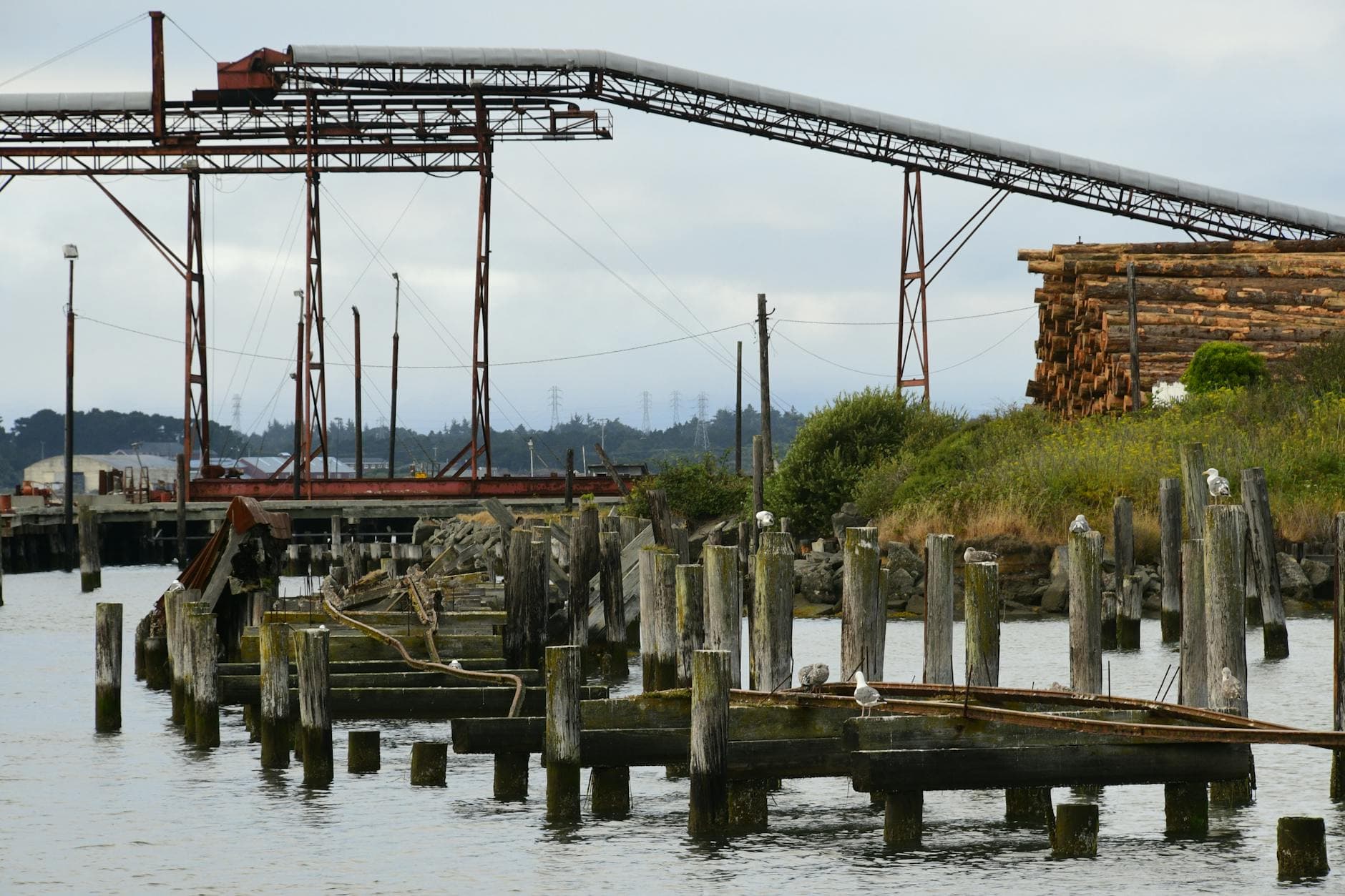
Forestry supports over 5,000 jobs in the Northwoods region, generating roughly $1 billion in annual economic output according to Wisconsin DNR data. When mills close and logging slows, the impact cascades through entire communities.
Consider what happens when a logging crew idles its equipment:
Towns like Athens and Rhinelander — where logging heritage runs deep — face difficult questions about economic diversity. The Rhinelander Logging Museum celebrates a proud history, but what happens when that history has no future?
Henry Schienebeck, Executive Director of Great Lakes Timber Professionals, worries about more than jobs. He sees healthy forests depending on healthy logging to manage timber stands that might otherwise grow overstocked and fire-prone.
“I think that’s actually a major issue for everybody because a lot of people recreate and hunt and if you have healthy forests,” Schienebeck notes. “The only way to do that is to have a healthy forest industry to absorb the wood.”
The outlook isn’t entirely bleak. Wisconsin’s forests cover 46% of the state, and sustainable management plans ensure timber will keep growing. New markets are emerging too — bioenergy operations that convert wood residuals into fuel, and specialty wood products that command premium prices.
Some logging operations are diversifying beyond traditional pulpwood. Hardwood sawlogs for furniture, veneer-quality timber for high-end applications, and biomass for heating systems offer alternatives to paper mill contracts. But these markets require different equipment, skills, and business relationships that take years to develop.
The challenge for operations like Wilson Forestry is survival during the transition. Can they absorb the extra transportation costs long enough to find new buyers? Will remaining mills accept enough volume to keep crews working through winter when logging conditions are ideal?
For now, loggers are doing what Northwoods families have always done — adapting, tightening belts, and hoping the industry that’s sustained this region for centuries finds a way forward.
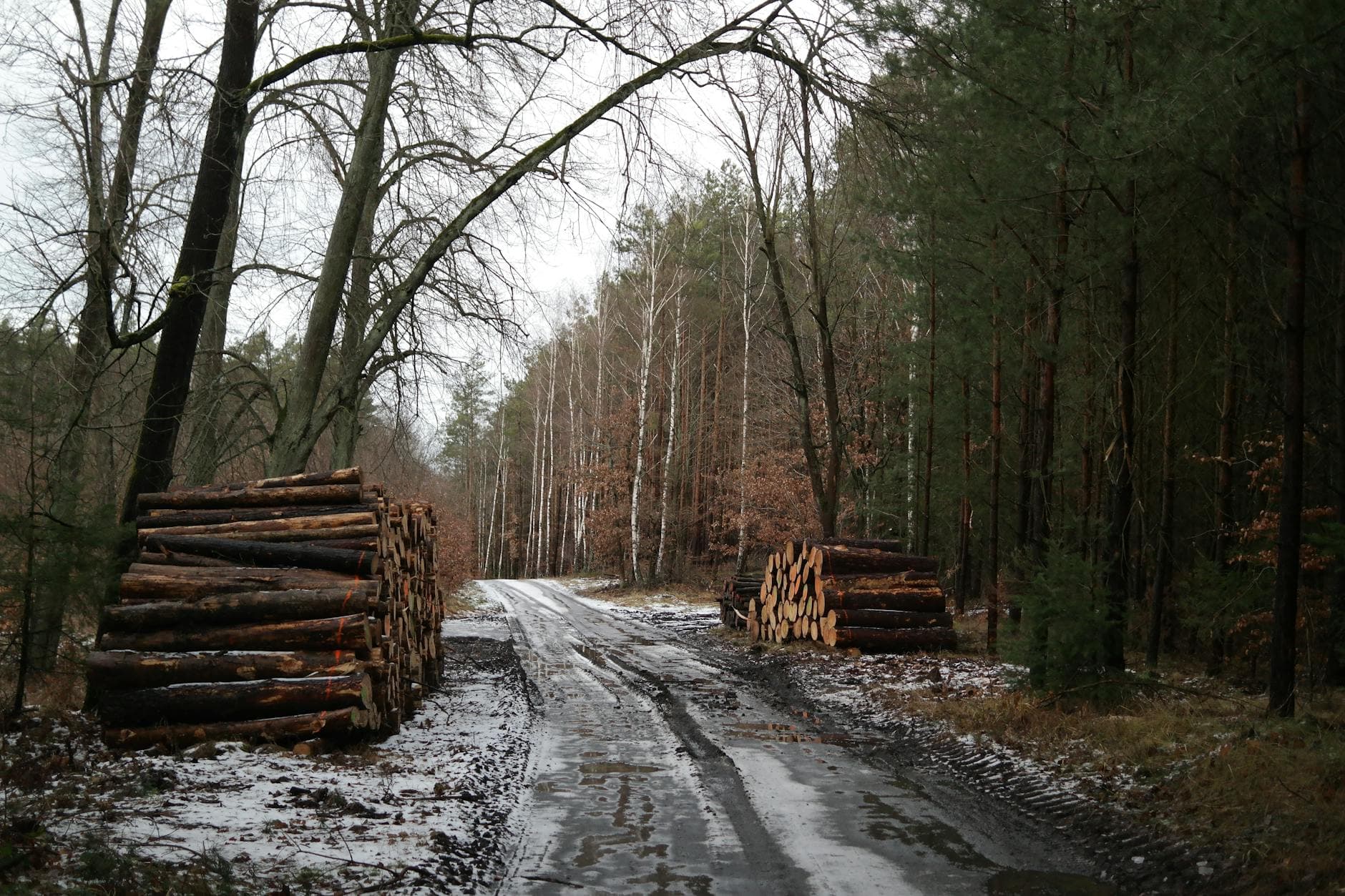
Drive through towns like Rhinelander or Mercer during tourist season and you’ll see vacationers marveling at pristine forests. Few realize those healthy woodlands depend partly on active management — the kind that requires markets willing to buy the timber loggers harvest.
The question facing the Northwoods isn’t whether logging will disappear entirely. It’s whether the industry can shrink to a sustainable size without losing the expertise, equipment, and family businesses that make responsible forestry possible.
Wilson and hundreds of loggers like him aren’t asking for handouts. They’re asking for a fighting chance to keep doing what their families have done for generations — stewarding forests while earning a living from the land.
As another mill prepares to go dark and another logging crew calculates whether they can afford 100 extra miles per load, the Northwoods watches and waits. The forests will still be here tomorrow. Whether the people who manage them can afford to stay is the question we’re all facing together.
Written by

Mike has been coming up or living in the Northwoods since his childhood. He is also an avid outdoorsman, writer and supper club aficionado.
 News
NewsOver 100 people gathered on frozen Boom Lake as the Blind Pig hosted turkey bowling in Rhinelander, sliding frozen turkeys toward pins in a quirky winter tradition that’s becoming a community staple.
 News
NewsThe Forest County Potawatomi Community is partnering with local law enforcement to educate Northwoods parents about sextortion — a growing online threat that’s already affected families in Laona, Wabeno, and Crandon.
 News
NewsLakeland Union High School wraps its spring musical this weekend with “Once Upon a Mattress,” a quirky fairy-tale comedy showcasing months of student dedication and the power of small-town theater.
 News
NewsVP JD Vance visited a Plover precision machining facility to rally support for Republican midterm candidates, while protesters questioned economic claims. The event highlighted manufacturing’s role in Wisconsin’s political future.