

What is new for Northwoods Drifter in 2026
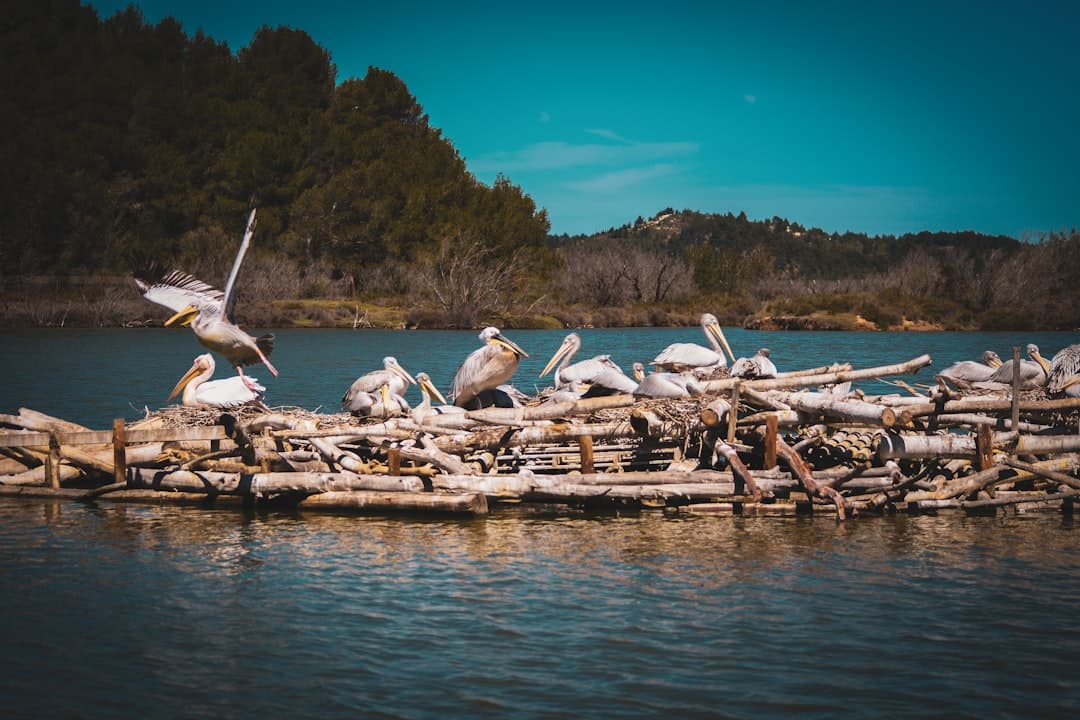
When PB & J’s Place opened its doors for the second annual Winterfest on Saturday, the turnout told a story that every Northwoods community knows well — winter recreation lives and dies by the snowpack. After a lackluster debut in 2025 hampered by sparse snow and empty trails, this year’s event at Pelican Lake brought the kind of success that makes lake associations and local volunteers breathe easier. Before the first raffle ticket was even drawn, presales had already topped $8,000, surpassing the entire $6,000 haul from last year’s event.
For the tight-knit community surrounding this 3,585-acre Oneida County lake — known far and wide as the muskie capital of the world — Winterfest represents more than just cornhole tournaments and poker games. It’s about pooling resources to keep one of the region’s premier fishing destinations healthy, accessible, and thriving for generations to come.
The funds raised through Winterfest flow directly to the Pelican Lake Association, the volunteer-driven organization that serves as the lake’s primary caretaker. Steven Tripp, the association’s president, explains that every dollar goes toward practical stewardship — weed control programs, fisheries improvement projects, and the unglamorous but essential safety work of placing and removing navigation buoys each season.
In a lake battling invasive species like Eurasian water-milfoil, curly-leaf pondweed, and rusty crayfish, consistent funding isn’t optional. The Wisconsin DNR classifies Pelican Lake as eutrophic with low water clarity and a bottom composition that’s 30% muck, creating ideal conditions for aggressive weed growth. Managing this environment while protecting trophy muskie populations — fish that routinely stretch past 50 inches — requires both expertise and steady financial support.
Kelly Kraetsch, a volunteer on the fundraising committee, emphasizes that these efforts ripple through the entire community. “It helps build teamwork, and then throughout the year, as we do events throughout the whole year,” she notes. The collaboration extends beyond the lake association to groups like the Snow Devils, who maintain snowmobile trails, and the Mudnuts, who support summer tourism initiatives.
Last year’s inaugural Winterfest faced the challenge every outdoor event organizer dreads — Mother Nature’s non-cooperation. With minimal snowfall delaying the snowmobile season, only a handful of sledders made it to the event despite late-season snow. The modest $6,000 raised was respectable for a first-time effort under difficult conditions, but it left organizers wondering what the event could accomplish with better luck.
This year delivered the answer. The $8,000 in presales alone — before factoring in raffle proceeds and day-of activities — demonstrated both improved winter conditions and growing community awareness. Snowmobilers could actually use the trails, locals felt more confident committing to outdoor gatherings, and word had spread about the event’s importance to lake health.
The timing couldn’t be better for Northwoods communities like Pelican Lake, where winter recreation drives a significant chunk of the tourism economy. From RV campgrounds charging $81-$250 per night to the seven restaurants serving the Schoepke area, businesses depend on consistent snowfall to bring visitors up north. When the trails are groomed and the ice is thick, the entire region benefits.
Walk into Winterfest and you’ll find the kind of simple pleasures that define Northwoods gatherings — cornhole boards set up near the bar, a poker table drawing friendly competition, maybe a creative golf challenge to break up the day. But beneath the casual atmosphere runs a deeper current of community investment. These aren’t just games; they’re a social framework for neighbors to support shared resources.
The unincorporated community along Pelican Lake’s eastern shore, accessible via U.S. Route 45 and served by ZIP code 54463, maintains its character partly through events like this. Without a traditional downtown or municipal government, volunteer organizations like the Pelican Lake Property Owners Association and the Pelican Lake Area Chamber of Commerce fill essential roles in maintaining quality of life.
Kraetsch’s observation about year-round collaboration captures something fundamental about how small Northwoods communities function. When the same faces show up to string buoys in spring, clear trails in fall, and run fundraisers in winter, trust builds. People know their contributions matter because they see the results on the water they fish and the trails they ride.
Pelican Lake’s reputation extends well beyond Oneida County. Anglers travel considerable distances — the area sits roughly two hours from major population centers — specifically to pursue the lake’s legendary muskellunge. With a 50-inch minimum keep limit and fish regularly topping 60 inches, it’s catch-and-release heaven for serious muskie hunters.
But maintaining that caliber of fishery demands active management. The lake also supports healthy populations of northern pike, walleye, bass, and panfish, all benefiting from the habitat work funded by events like Winterfest. The association’s efforts complement the lake’s role as one of 21 reservoirs managed by the Wisconsin Valley Improvement Company, which regulates water flow for the Wisconsin and Tomahawk rivers through a dam on the Pelican River outlet.
This dual identity — recreational gem and functional reservoir — makes stewardship particularly important. Changes in water levels affect spawning habitat, weed growth impacts fish populations, and invasive species threaten the ecological balance that supports the entire food chain. Association funds help monitor and respond to these interconnected challenges.
The owners of PB & J’s Place have already committed to making Winterfest an annual tradition, and this year’s success suggests the event has found its footing. As climate patterns make winter recreation increasingly unpredictable across the Northwoods, community-driven fundraising provides crucial stability for conservation work that can’t simply pause during off years.
For visitors planning a Pelican Lake trip, the area offers more than just fishing and snowmobiling. The Mecikalski Stovewood Building and Museum, a National Historic Site featuring rare stovewood construction, opens summers with exhibits on local history. The nearby Great Wisconsin Divide marks where watersheds separate, adding geographic intrigue to the natural beauty.
What Winterfest ultimately demonstrates is that protecting what makes the Northwoods special requires showing up — whether that means buying raffle tickets on a February afternoon, volunteering to manage weed beds in July, or simply spreading the word about why these community efforts matter. One successful fundraiser won’t solve every challenge facing Pelican Lake, but it’s proof that when neighbors work together, they can tackle problems that would overwhelm any individual property owner. And in a place where the lake defines the community, that collaborative spirit isn’t just nice to have — it’s essential for keeping the water healthy and the fish biting for years to come.
Written by

Mike has been coming up or living in the Northwoods since his childhood. He is also an avid outdoorsman, writer and supper club aficionado.
 News
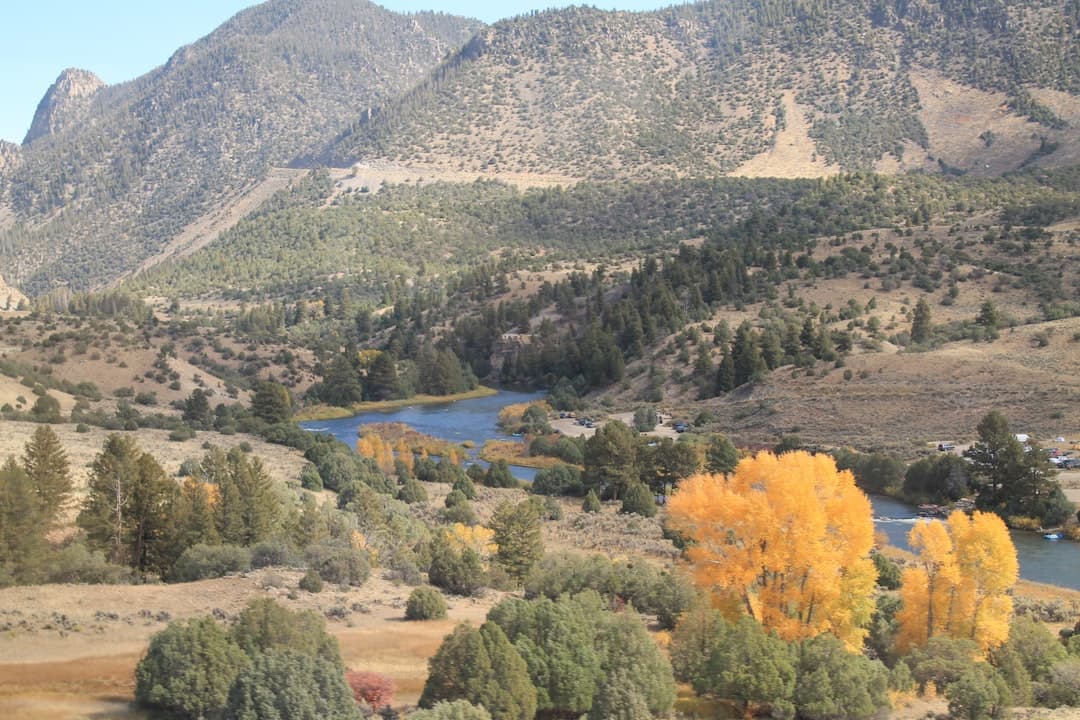
NewsAt the North Lakeland Discovery Center, locals are learning that Northwoods pine trees offer more than scenery—they’re a natural pharmacy our ancestors knew well, providing healing resins for everything from skin conditions to bug bites.
 News
NewsBoulder Junction volunteers and businesses rallied to clear storm-damaged snowmobile trails, showcasing the community spirit and economic importance of winter recreation in the Northwoods.
 News
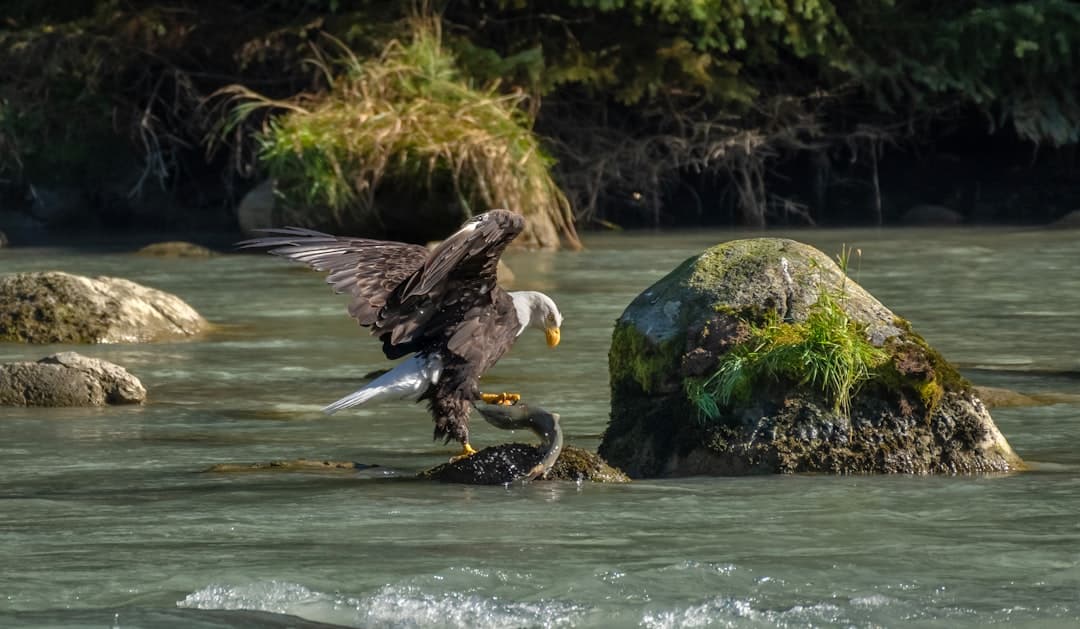
NewsEagle River earned second place among Midwest camping destinations on Campspot’s 2026 Togetherness Index, recognizing family-owned resorts and the community’s 28-lake chain, forests, and authentic Northwoods hospitality.
 News
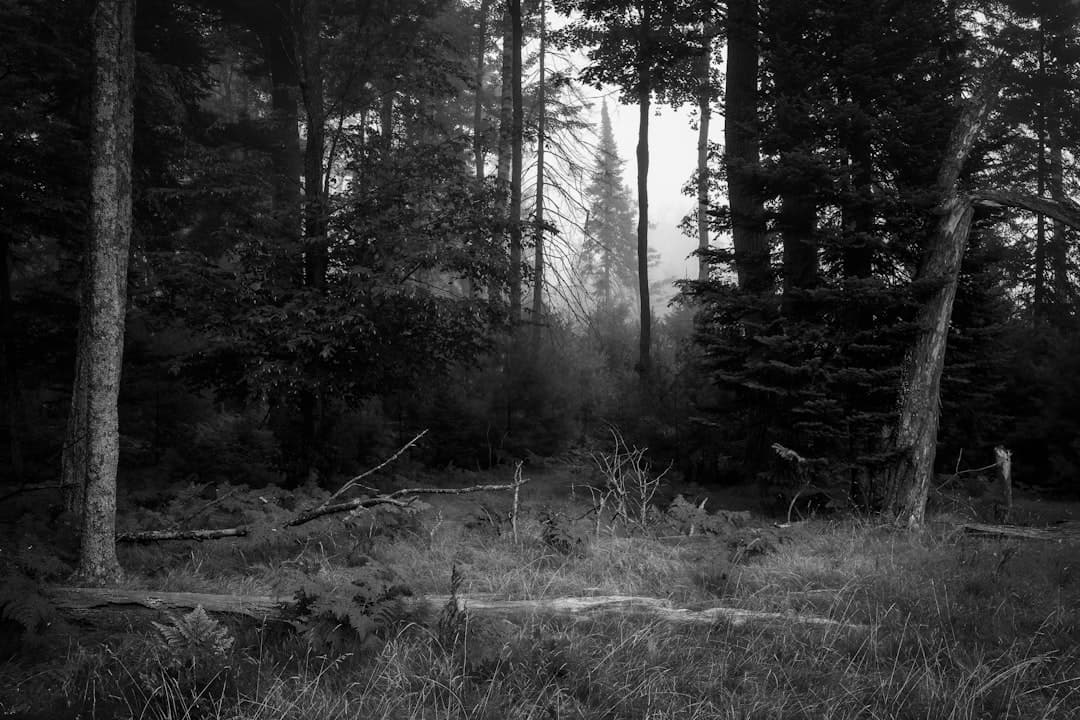
NewsWhite-tailed deer survive Northwoods winters through remarkable adaptations: hollow insulating fur, massive fat reserves, and strategic shelter in conifer stands where they yard together.