

What is new for Northwoods Drifter in 2026
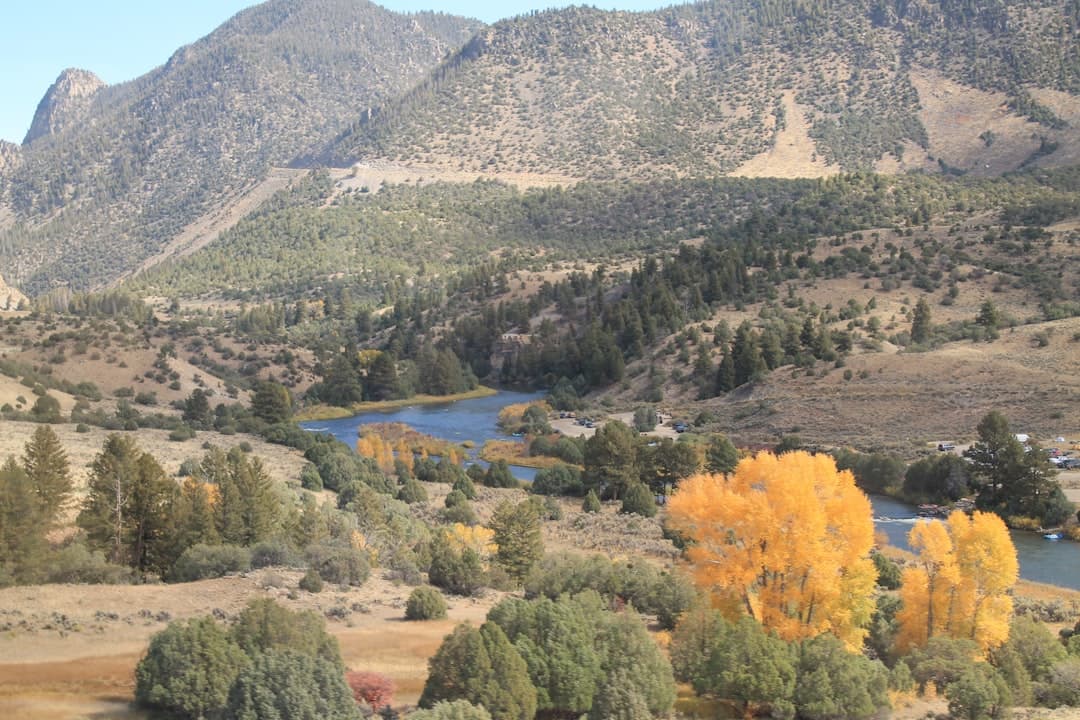
Walk into any Northwoods forest and you’re surrounded by medicine—you just need to know where to look. At the North Lakeland Discovery Center in Manitowish Waters, locals are rediscovering what Native Americans knew for millennia: those towering pines holding up our sky also hold powerful healing properties. In a recent class that drew folks from across the region, participants learned to transform common pine resin into skin-soothing salves, connecting modern Northwoods residents to traditions that predate Wisconsin statehood by thousands of years.
The hands-on workshop, led by education director and naturalist Licia Johnson, represents something bigger than lip balm making. It’s part of a growing movement to see our forests not just as scenery or timber, but as living pharmacies that supported generations before us. For those of us who call this region home, understanding what these trees offer beyond their beauty deepens our relationship with the landscape we love.
Before anyone could harvest medicine, Johnson’s class started with the basics: learning to tell our three native pines apart. Red, white, and jack pines dominate the Northwoods canopy, and each species has distinct needle patterns that become second nature once you know what to look for. The group bundled up and headed onto the Discovery Center’s 63-acre campus along Statehouse Lake, where these conifers grow in abundance within the Northern Highland-American Legion State Forest.
This identification step matters more than you might think. While all three species produce useful resin, knowing your trees connects you to the forest ecosystem in a way that simply hiking past them never will. When you can name the red pine by its longer needles bundled in pairs, or recognize a jack pine by its twisted cones, you’re reading the forest like a book. It’s knowledge that enriches every subsequent walk through the woods, whether you’re on the Discovery Center’s 12 miles of trails or exploring your own back forty.
The practice of foraging—whether for mushrooms, wild edibles, or medicinal plants—has exploded in popularity across the Northwoods in recent years. Johnson noted that many people’s gateway into natural remedies comes through mushroom hunting, but our softwood trees offer equally valuable resources that don’t require waiting for the right weather or season. Pine resin can be collected year-round, making it an accessible entry point for anyone curious about what the forest provides.
Back inside from their tree identification hike, participants got to the gratifying part: actually making something useful. The process Johnson taught involves infusing olive oil with pine tree resin, then combining it with beeswax over gentle heat. Within minutes, everyone had crafted their own stick of pine lip balm—a tangible result that transforms abstract knowledge into practical skill.
But this simple salve offers far more than chapped lip relief. Pine resin in salve form addresses a range of common Northwoods ailments: it can heal stubborn skin conditions like eczema and acne, provide pain relief for sore muscles after a day on the trails, and even draw out splinters or toxins from bug bites. Wolfram Weinberg, who drove up from Wausau for the workshop, immediately saw the practical application for those relentless summer mosquitoes that are an unofficial part of the Northwoods experience. Having a natural remedy you made yourself from local materials changes how you approach those inevitable encounters with biting insects.
The beauty of pine resin medicine lies in its simplicity and sustainability. You’re not depleting rare plants or requiring specialized equipment—just combining readily available forest products with common household ingredients. For a region where self-sufficiency and resourcefulness run deep in the culture, this kind of knowledge feels right at home. It’s the same practical wisdom that had our grandparents and great-grandparents making do with what the land provided, updated for modern sensibilities about natural health and wellness.
What participants learned in this class represents just a fraction of the sophisticated botanical knowledge that sustained Native American communities in Wisconsin for thousands of years. These weren’t folk remedies or old wives’ tales—they were proven treatments developed through generations of careful observation and experimentation. The Ojibwe, Ho-Chunk, and other tribes who called this region home understood the medicinal properties of dozens of plant species, including the conifers that still dominate our forests.
Somewhere along the way to modern culture, most of this wisdom got lost or dismissed. Johnson emphasized that her goal in teaching these skills isn’t nostalgia or romanticizing the past, but encouraging people to look beneath the surface of the natural world around them. When you understand that a pine tree offers medicine, not just lumber or aesthetic value, you see the forest differently. You see it as something that “can be useful and helpful to us in a very healthy way,” as Johnson put it, rather than just scenery to manage or resources to extract.
This shift in perspective matters especially in the Northwoods, where our identity and economy remain deeply tied to the forest. The region’s history spans from Native American habitation through the logging era to modern tourism, and each chapter reflects different relationships with these woods. Reviving traditional plant knowledge doesn’t mean rejecting modern forestry or medicine—it means adding another layer of appreciation and understanding to our connection with this landscape.
The pine medicine workshop fits naturally into the North Lakeland Discovery Center’s broader mission of connecting people to the Northwoods environment through hands-on learning. Since its founding in 1995, when community leaders repurposed a former Youth Conservation Corps camp, the center has grown into a vital educational hub serving residents and visitors alike. What started with basic trails and birchbark canoe workshops has expanded into year-round programming that includes everything from citizen science projects to the annual Birding Festival.
The center’s recent developments show its commitment to deepening that educational mission. A $4 million capital campaign funded expansions including Discovery Hall, which houses nature center exhibits and classroom space. Even more exciting for history buffs, the center is partnering with the Manitowish Waters Historical Society on the Northwoods Forest History Experience—a project to renovate a 90-year-old Civilian Conservation Corps barracks into an immersive museum. The building was relocated to the Discovery Center campus in April 2025, with renovations ongoing.
This CCC connection brings everything full circle. During the 1930s, Depression-era workers lived in these barracks while planting trees and building trails across the Northern Highland State Forest—the same forest that now surrounds the Discovery Center and supplies the pine resin for medicine-making workshops. Those CCC crews worked primarily with the coniferous forests that Native Americans had been using sustainably for millennia. Now, nearly a century later, we’re relearning what those trees offer beyond their timber value.
As interest in natural remedies and sustainable living continues growing, programs like the Discovery Center’s pine medicine workshop point toward a future where Northwoods residents maintain multiple relationships with the forest. We can appreciate the recreational value of our trails, support sustainable forestry, protect wilderness areas, and simultaneously learn to harvest medicines—all without contradiction. Each perspective enriches the others.
For locals considering exploring forest medicines, the Discovery Center offers an ideal starting point. Beyond periodic workshops like the pine resin class, the facility maintains 12-plus miles of year-round trails perfect for tree identification practice, offers guided hikes that highlight native plants, and hosts ongoing programs that build nature literacy. Winter visitors can snowshoe through pine stands; summer explorers can paddle the waterways while learning to recognize useful plants along the shores.
The key to sustainable foraging—whether for medicine, mushrooms, or wild edibles—lies in education and respect. Learning from experienced naturalists ensures you’re harvesting correctly, taking only what you need, and protecting plant populations for future generations. It’s the same ethic that guides responsible hunting and fishing in the Northwoods: take what the land offers, but never more than it can sustainably provide. When you make your own pine salve from local resin, you’re not just creating a useful product—you’re participating in a tradition of reciprocal relationship with these woods that stretches back thousands of years and, with care, can continue for thousands more.
Written by

Mike has been coming up or living in the Northwoods since his childhood. He is also an avid outdoorsman, writer and supper club aficionado.
 News
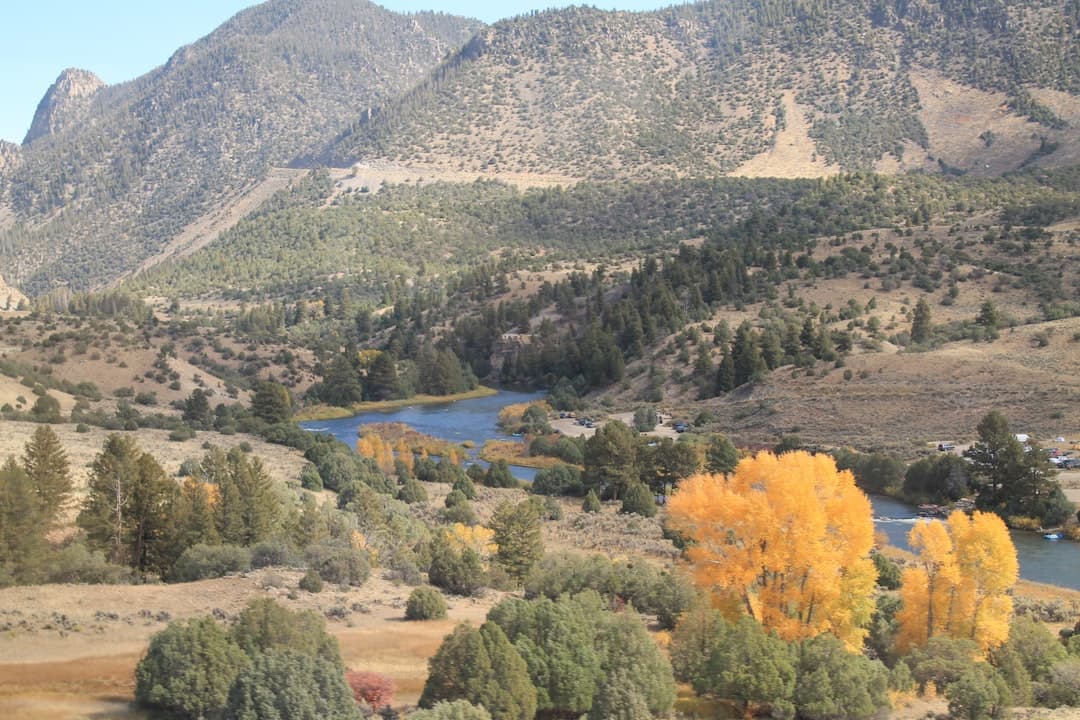
NewsAt the North Lakeland Discovery Center, locals are learning that Northwoods pine trees offer more than scenery—they’re a natural pharmacy our ancestors knew well, providing healing resins for everything from skin conditions to bug bites.
 News
NewsBoulder Junction volunteers and businesses rallied to clear storm-damaged snowmobile trails, showcasing the community spirit and economic importance of winter recreation in the Northwoods.
 News
NewsEagle River earned second place among Midwest camping destinations on Campspot’s 2026 Togetherness Index, recognizing family-owned resorts and the community’s 28-lake chain, forests, and authentic Northwoods hospitality.
 News
NewsWhite-tailed deer survive Northwoods winters through remarkable adaptations: hollow insulating fur, massive fat reserves, and strategic shelter in conifer stands where they yard together.