

What is new for Northwoods Drifter in 2026
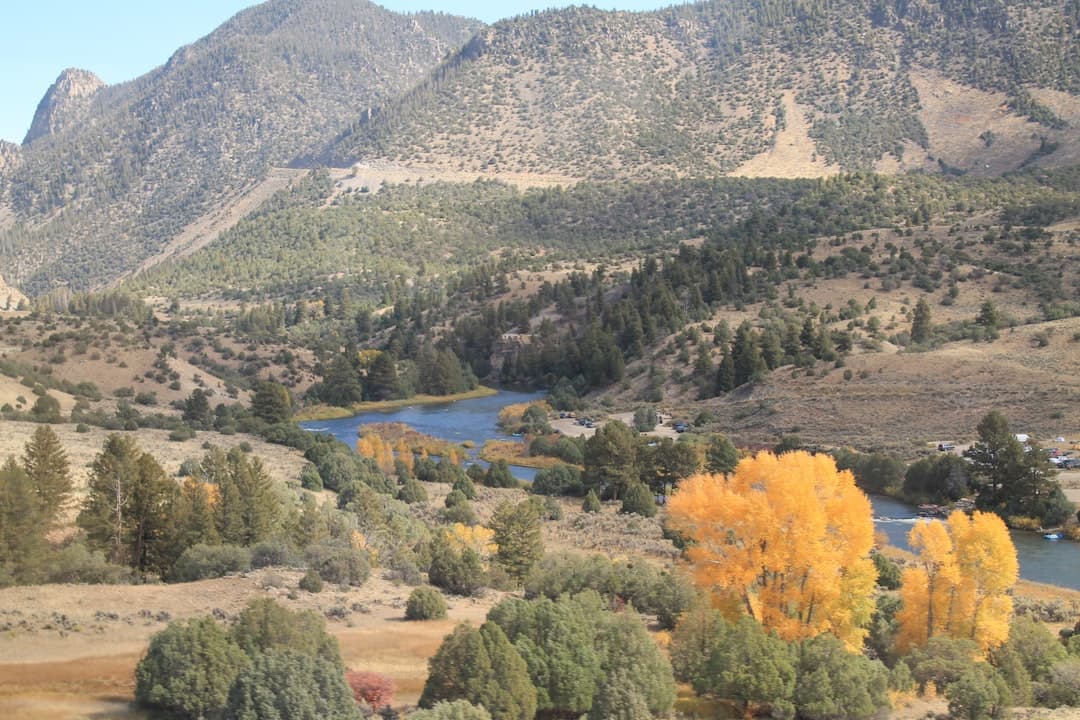
While most Northwoods foragers keep their eyes on the forest floor scanning for morels and chanterelles, a growing number of outdoor enthusiasts are learning to look up. The towering red, white, and jack pines surrounding us—trees we pass on every trail hike and snowshoe trek—hold healing properties our ancestors understood intimately but modern culture has largely forgotten. At the North Lakeland Discovery Center in Manitowish Waters, naturalist Licia Johnson is helping reconnect our community with this practical knowledge, one sticky handful of pine resin at a time.
The recent introductory class on harvesting medicine from native pine trees drew participants from across the region, including Wolfram Weinberg who drove up from Wausau specifically to learn these traditional skills. What makes this approach to foraging particularly appealing for Northwoods residents is its accessibility—you don’t need to know 47 different mushroom species or worry about misidentifying something toxic. The three types of native pines in our region are abundant, easy to learn, and have been used safely for thousands of years by Wisconsin’s indigenous peoples.
The hands-on workshop begins with what Johnson considers the foundation: learning to identify our local coniferous trees by their needle patterns. Red pine needles grow in bundles of two and snap cleanly when bent, while white pine clusters five long, flexible needles together. Jack pine, the scrappiest of our natives, displays short needles in pairs and often grows in the sandiest, most challenging soils. Once you know these distinctions, a walk through any Northwoods trail becomes an entirely different experience—suddenly you’re surrounded by a natural pharmacy rather than just scenery.
The practical application came indoors, where participants combined olive oil infused with pine resin and beeswax over gentle heat. Within minutes, everyone walked away with homemade pine lip balm. But the applications extend far beyond chapped lips. In salve form, pine resin demonstrates remarkable versatility—it can soothe eczema and acne, provide pain relief, and even draw out splinters and toxins from bug bites. For anyone who’s spent a Northwoods summer evening by the lake, that last benefit alone makes pine resin worth keeping in your medicine cabinet.
This pine medicine workshop represents exactly the kind of programming that has made the Discovery Center a cornerstone of environmental education in Vilas County since the mid-1990s. Situated on 63 acres within the Northern Highland-American Legion State Forest, the nonprofit organization maintains 12 miles of trails winding through diverse ecosystems—pine and maple forests, bogs, lakes, and scenic Manitowish River overlooks. The center’s mission goes beyond simple nature appreciation; it actively fosters connections among nature, people, and community through immersive, hands-on learning.
The facility itself tells a story of community commitment to conservation education. Starting as the North Lakeland Environmental Awareness Center with a remarkably generous DNR lease of just one dollar per year, the organization has grown from volunteer-built birchbark canoe workshops to become a year-round destination with winter trail grooming for skiing and snowshoeing. The Nature Nook offers hands-on learning opportunities, and visitor reviews consistently praise the center’s trails and exhibits as comparable to state nature museums—impressive for a community-driven nonprofit.
The Discovery Center’s commitment to preserving and teaching traditional knowledge extends beyond individual workshops. In a major project launched in April 2025, the center relocated a 90-year-old Civilian Conservation Corps barracks to its property, creating the foundation for the Northwoods Forest History Experience. This collaborative effort with the Manitowish Waters Historical Society aims to build an immersive forest history museum featuring outdoor tool demonstrations—bringing to life the very traditions that included pine resin harvesting and other forest-based skills.
This connection between historical preservation and active education matters deeply in a region where our relationship with the forest defines daily life. The CCC crews who built much of our trail infrastructure in the 1930s understood forests as working landscapes that provided materials, medicine, and sustenance. By teaching contemporary residents to harvest pine resin sustainably or identify edible and medicinal plants, Johnson and her colleagues are doing more than preserving folklore—they’re offering practical skills that deepen our engagement with the landscape we call home.
Johnson’s perspective on this work cuts to the heart of why these classes resonate so strongly with participants. Teaching people to see pine trees as medicine sources rather than just timber or scenery challenges us to reconsider our entire relationship with the forest. As she notes, it encourages us to view the outside world “not just as something that needs to be managed and cut down and maintained, but something that can be useful and helpful to us in a very healthy way.”
For those of us who live year-round in the Northwoods, this shift in perspective has practical implications. When you understand that the pine grove behind your cabin can provide natural remedies for common ailments, you develop a different kind of investment in forest health. When your children learn to identify trees by their needles and understand their medicinal properties, they’re inheriting knowledge that connects them to thousands of years of Wisconsin history. And when visitors come up north and experience these workshops, they return home as advocates for forest conservation with personal, tangible reasons to care.
The Discovery Center continues to expand its programming, with upcoming events including winter nature walks, yoga sessions, and educational talks scheduled throughout the season. For anyone interested in deepening their connection to the Northwoods landscape beyond recreational use—whether you’re a longtime resident or a seasonal visitor—these workshops offer an entry point into traditions that have sustained people in this region since long before Manitowish Waters was renamed from Spider Lake in 1939. The pines have always been here, waiting patiently to share their gifts with those willing to learn.
Written by

Mike has been coming up or living in the Northwoods since his childhood. He is also an avid outdoorsman, writer and supper club aficionado.
 News
NewsBoulder Junction volunteers and businesses rallied to clear storm-damaged snowmobile trails, showcasing the community spirit and economic importance of winter recreation in the Northwoods.
 News
NewsEagle River earned second place among Midwest camping destinations on Campspot’s 2026 Togetherness Index, recognizing family-owned resorts and the community’s 28-lake chain, forests, and authentic Northwoods hospitality.
 News
NewsWhite-tailed deer survive Northwoods winters through remarkable adaptations: hollow insulating fur, massive fat reserves, and strategic shelter in conifer stands where they yard together.
 News
NewsLake Tomahawk’s new Lake House Coffee shop brings specialty drinks and community warmth to downtown, run by the family behind Rhinelander’s Northern Grounds.