

What is new for Northwoods Drifter in 2026

More than 1,900 volunteers across Wisconsin just made history on the Ice Age Trail, logging over 114,000 hours of work in 2025—the highest total ever recorded for this beloved 1,200-mile footpath. For those of us in the Northwoods who treasure our connection to the land, this milestone represents something deeper than numbers: it’s proof that community stewardship can sustain one of Wisconsin’s most remarkable natural treasures for generations to come.
Winding through 31 Wisconsin counties from Green Bay to the Minnesota border, the Ice Age National Scenic Trail tells the story of our landscape’s dramatic past. About 12,000 to 15,000 years ago, the last continental glacier sculpted the ridges, kettles, and moraines we hike today. In the Northwoods, this translates to miles of forested trail that weave past glacial lakes, through kettle bogs, and over eskers—those serpentine ridges of sand and gravel left behind when ice sheets retreated.
The trail isn’t just a hiking path; it’s a living connection to geological history that you can experience with your boots on the ground. Nearly 700 miles are officially blazed with yellow markers, with another 500 miles of connecting routes that link these segments. Whether you’re snowshoeing through a January forest or backpacking during autumn color, the Ice Age Trail offers Northwoods residents and visitors alike a front-row seat to the landscape forces that shaped our home.
Trail maintenance doesn’t happen by magic—it takes dedicated people willing to haul chainsaws through mosquito-thick summer woods and clear brush from November through March. The Ice Age Trail Alliance organizes this effort through 19 volunteer chapters, typically structured by county or groups of counties. Each chapter tackles the grunt work that keeps trails passable: trimming overhanging branches, building new segments, repairing erosion damage, and conducting community outreach to bring new hikers into the fold.
“More than 114,000 hours were devoted to trail-related activities by our volunteers,” said Melissa Pierick, Director of Marketing and Community Relations at the Ice Age Trail Alliance. To put that in perspective, if one person worked full-time year-round, it would take them over 54 years to match what these volunteers accomplished in a single year. The trail wouldn’t exist in its current form without this army of committed Wisconsinites who see trail work not as a chore, but as an investment in something larger than themselves.
Chris Schotz embodies the multi-generational dedication that powers the Ice Age Trail. After more than 30 years as a volunteer—including a stint as chapter coordinator in the 1990s—Schotz recently retired from his day job. His father earned a 40-year volunteer plaque before passing away, creating a family legacy of trail stewardship that spans from the trail’s earliest days to the present.
“I’m retiring to the Ice Age Trail,” Schotz explained, a sentiment that resonates with anyone who’s found purpose in maintaining public lands. This isn’t volunteer tourism or resume-building; it’s a genuine commitment to ensuring that future Northwoods families can experience the same forested ridges and glacial valleys that we enjoy today. The 114,000-hour record represents not just time spent, but relationships built, knowledge passed down, and a shared belief that some things are worth protecting simply because they’re irreplaceable.
The work never stops on a 1,200-mile trail system, and the Ice Age Trail Alliance has ambitious plans for spring and summer 2026. New trail-building projects are planned for northern Wisconsin, expanding the network of officially blazed segments and reducing reliance on connecting routes that sometimes follow roads. For Northwoods communities, this means more opportunities to access high-quality trail segments close to home, and more reasons for hikers from across the state to visit our region.
“It’s a really exciting time to be involved in the Ice Age Trail,” Pierick noted. “It’s a time to be a part of something that is going to be around for hundreds of years.” That forward-looking vision matters in the Northwoods, where our economy increasingly depends on outdoor recreation and our identity is tied to the lakes, forests, and geological features that make this place special. Every mile of completed trail represents not just conservation success, but community investment in the landscape that defines us.
The 114,000-hour volunteer milestone matters locally because it demonstrates sustainable land stewardship without massive government funding. The Ice Age Trail operates through a unique partnership between the National Park Service, Wisconsin Department of Natural Resources, and the volunteer-powered Ice Age Trail Alliance. This model preserves public access to county forests and state lands while keeping maintenance costs manageable—a Wisconsin approach to conservation that values sweat equity and community engagement over top-down management.
For those of us who hunt, fish, forage, and hike in the Northwoods, the Ice Age Trail represents the kind of quiet infrastructure that enriches life without demanding attention. It’s there when you need a Saturday morning walk to clear your head, when your visiting relatives want to see what makes Wisconsin special, or when you’re training for a longer backpacking trip. The volunteer hours ensure that trails stay clear, bridges remain safe, and new segments continue expanding through the very landscape features—kames, drumlins, eskers—that give the Northwoods its distinctive topography.
As spring approaches and trail-building season returns, consider joining one of the volunteer chapters working in our region. Whether you can contribute five hours or fifty, you’ll be part of the record-setting effort that’s building something meant to last for centuries. In a world of temporary commitments and digital distractions, there’s something deeply satisfying about clearing a trail that your grandchildren might hike someday. That’s the Northwoods spirit—and 114,000 volunteer hours prove it’s alive and well.
Written by

Mike has been coming up or living in the Northwoods since his childhood. He is also an avid outdoorsman, writer and supper club aficionado.
 News
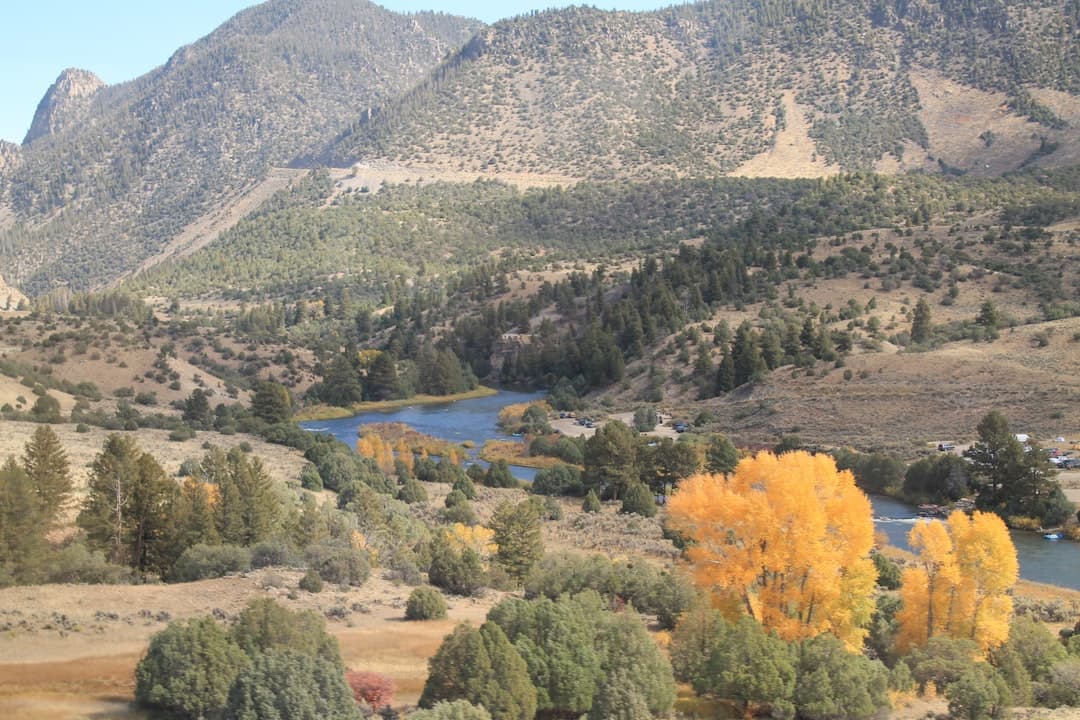
NewsAt the North Lakeland Discovery Center, locals are learning that Northwoods pine trees offer more than scenery—they’re a natural pharmacy our ancestors knew well, providing healing resins for everything from skin conditions to bug bites.
 News
NewsBoulder Junction volunteers and businesses rallied to clear storm-damaged snowmobile trails, showcasing the community spirit and economic importance of winter recreation in the Northwoods.
 News
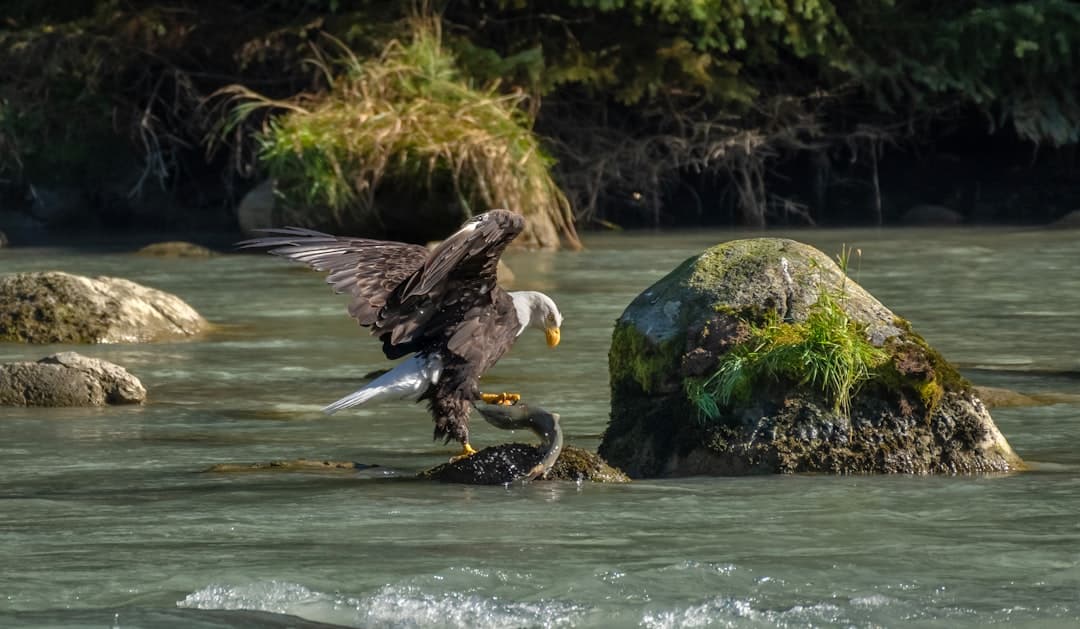
NewsEagle River earned second place among Midwest camping destinations on Campspot’s 2026 Togetherness Index, recognizing family-owned resorts and the community’s 28-lake chain, forests, and authentic Northwoods hospitality.
 News
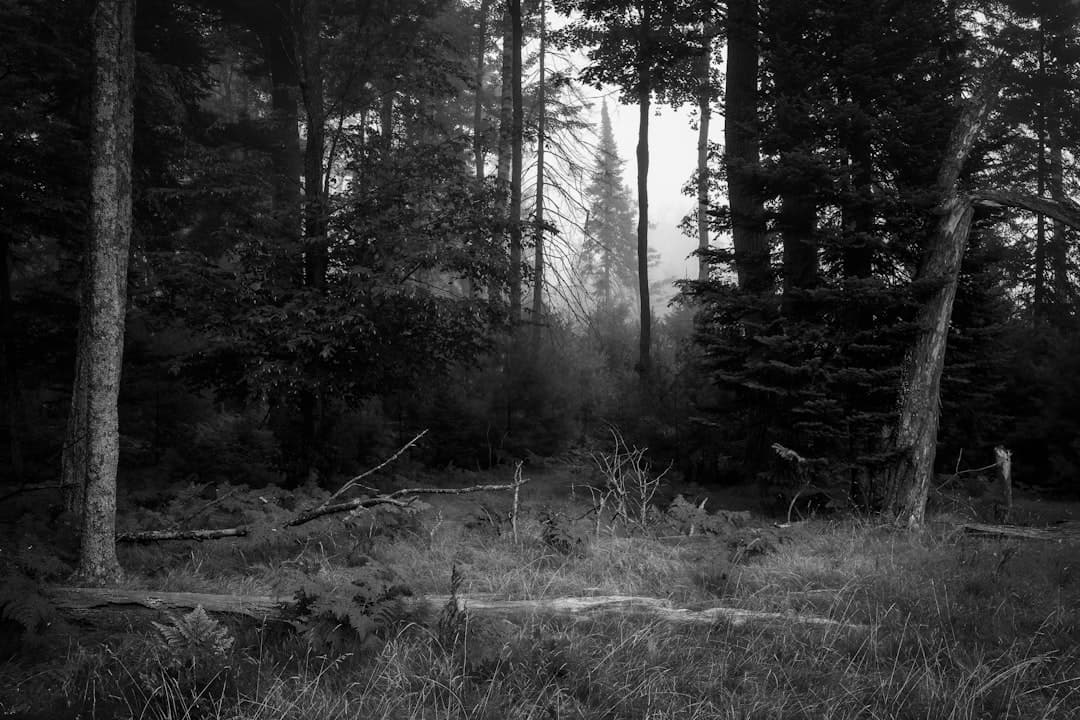
NewsWhite-tailed deer survive Northwoods winters through remarkable adaptations: hollow insulating fur, massive fat reserves, and strategic shelter in conifer stands where they yard together.