

What is new for Northwoods Drifter in 2026
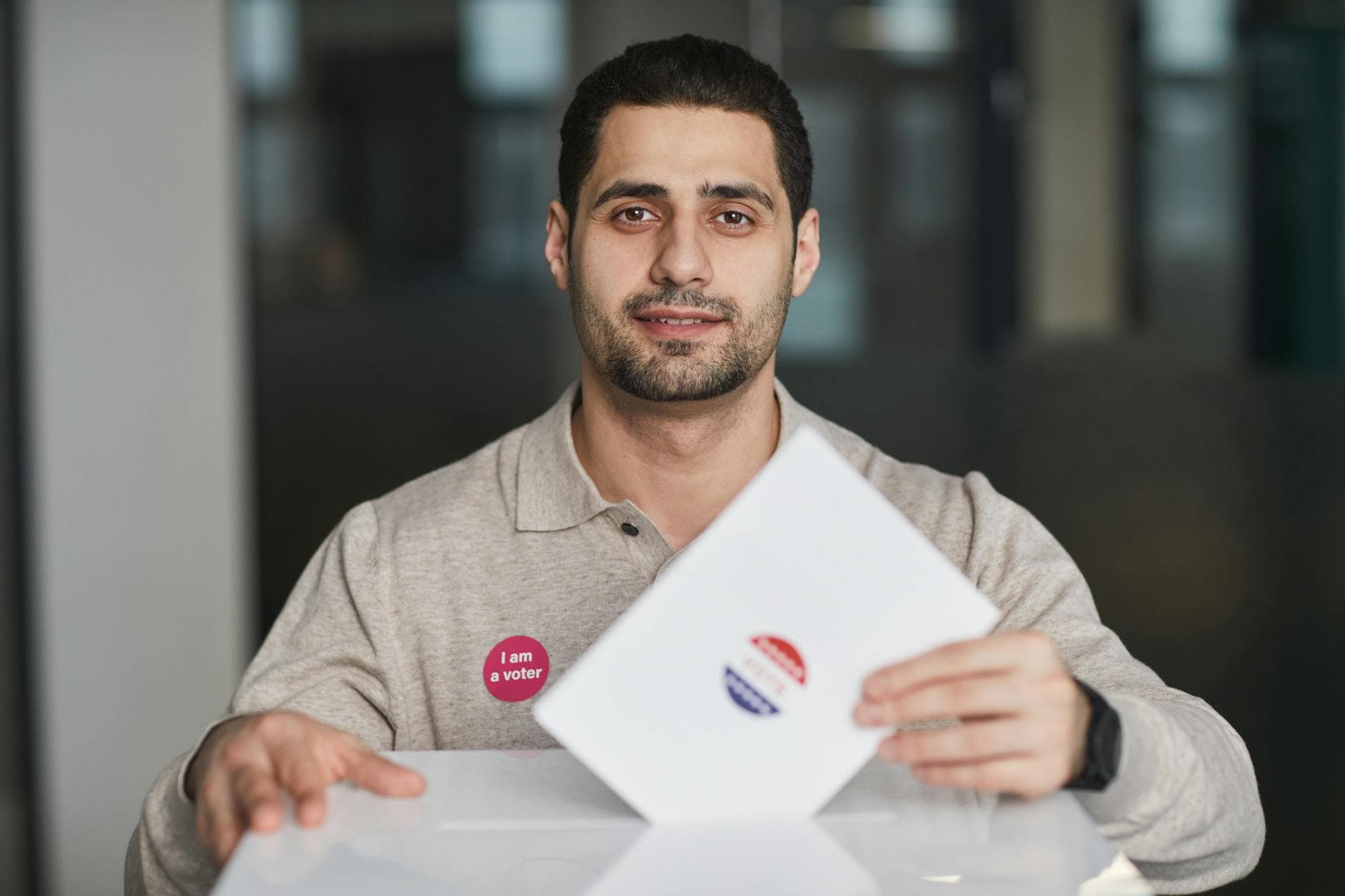
Every vote counts. That’s what Rhinelander residents learned the hard way this week when Mayor Kris Hanus secured his second term by the slimmest of margins — just 15 votes.
The April 7 election stretched past midnight before officials could declare Hanus the winner over District 1 Alderman Tom Barnett, 798 to 783. It was the kind of nail-biter that keeps campaign volunteers refreshing their phones and reminds us why skipping local elections is never a good idea.
For a city of roughly 7,500 people, this race proved that your neighbor’s vote — or your own — can literally decide who leads the community for the next four years.
Now that the dust has settled, Hanus is wasting no time looking ahead. His second term agenda puts economic development front and center, with housing shortages and downtown revitalization topping the priority list.
“Economic development is huge,” Hanus said after the results came in. “Everything from housing to commercial businesses to improving our downtown is something that’s gonna remain a priority.”
The mayor’s plan tackles several critical needs:
These aren’t just talking points. Rhinelander has been grappling with the same challenge facing communities across the Northwoods — how do you grow when there’s nowhere for new residents or workers to live?
If you live on Rhinelander’s west side, you’ve probably noticed the aging streets and utilities. Hanus has made fixing that infrastructure a cornerstone of his new term.
“Our west side is needing that desperately,” he explained. The city is already pursuing grant money and loans to fund the upgrades without breaking the municipal budget.
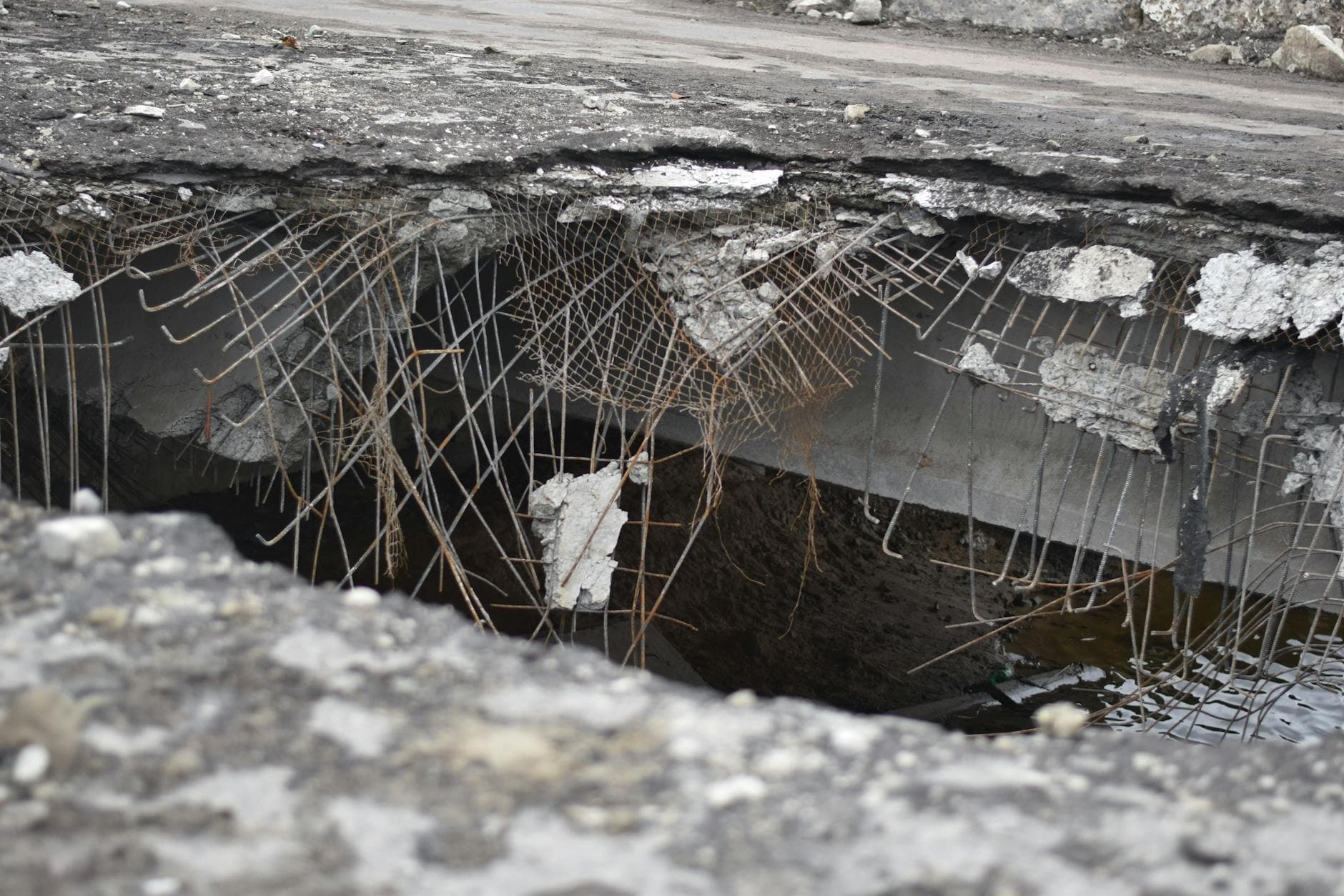
Infrastructure work isn’t glamorous, but it’s essential. Crumbling streets and failing water lines don’t just inconvenience residents — they discourage investment and signal neglect.
“Now that we know the results of the election we can move forward with improving our city.” — Mayor Kris Hanus
By prioritizing the west side, Hanus is addressing a problem that’s been simmering for years. It’s the kind of unglamorous but necessary work that defines successful local leadership.
The current Rhinelander police and fire station is failing. That’s not political spin — it’s a building reaching the end of its functional life, and Hanus knows it.
“The building we currently have for our police and fire station is failing,” the mayor said. “We’re looking for ways to rebuild that facility at a better location and be more cost efficient in the long term.”
Public safety facilities are expensive. Relocating and rebuilding them even more so. But when the alternative is equipment failures, inadequate space, or worse, the investment becomes non-negotiable.
Finding a better location could also improve response times and operational efficiency. It’s the kind of project that takes years to plan and execute, which makes starting now critical.
In an age when political campaigns often turn nasty, the Hanus-Barnett race stood out for its civility. Despite the razor-thin margin, both candidates kept things professional.
Hanus made a point to thank Barnett after the results: “He ran a good campaign. It was clean, it was fair. I enjoyed watching this all unfold and I’m happy to work with him for the next two years.”
That matters in a small city. When you’re shopping at the same grocery store or attending the same Friday night fish fry, maintaining working relationships isn’t optional — it’s essential for getting things done.
The Common Council is seeing some fresh faces. Linnaea Newman is joining the council after running unopposed, while Alderman David Holt’s term has concluded. Otherwise, the council makeup remains largely unchanged, which should provide continuity as major projects move forward.
Rhinelander wasn’t alone in its mayoral drama this spring. The 2026 election saw contested races in Merrill and Tomahawk too, making it a significant political moment across the region.
These races reflect broader trends. Northwoods communities are wrestling with growth, infrastructure, and identity — balancing their small-town character with the need to attract jobs and residents.
Meanwhile, Oneida County saw its own shake-up. Sandy Hamburg won as a write-in candidate in District 2, taking over from Hanus himself, who stepped away from his county board seat. Mary Roth Burns defeated Wayne Kulhanek in District 9, and Andrea Sheppard was elected unopposed in District 4.
Local government might not get the headlines that state or national politics do, but these are the decisions that directly shape daily life — from your water quality to your property taxes to whether your neighborhood streets get plowed efficiently come January.
As Hanus begins his second term, those 15 votes serve as a reminder. In local elections, your voice doesn’t just matter. Sometimes it’s the difference between four more years of continuity or a completely different direction. Ya know?
Written by

Mike has been coming up or living in the Northwoods since his childhood. He is also an avid outdoorsman, writer and supper club aficionado.
 News
NewsMichael Habeck won Tomahawk’s mayoral race with 655 votes, ending a decade without contested leadership. The 40-year resident faces immediate challenges with road repairs and budget deficits.
 News
NewsRhinelander Mayor Kris Hanus secured reelection by just 15 votes in a nail-biter decided at 12:30 a.m. He’s focusing his second term on housing, infrastructure, and rebuilding public safety facilities.
 News
NewsMichael Habeck takes office as Tomahawk’s first new mayor in a decade, facing deteriorating roads and a budget deficit after voters rejected a funding referendum.
 News
NewsTomahawk elected Michael Habeck as mayor with 70% of votes, but the real story was voters demanding action on pothole-riddled roads that hurt both residents and tourism in this Northwoods community.