

What is new for Northwoods Drifter in 2026
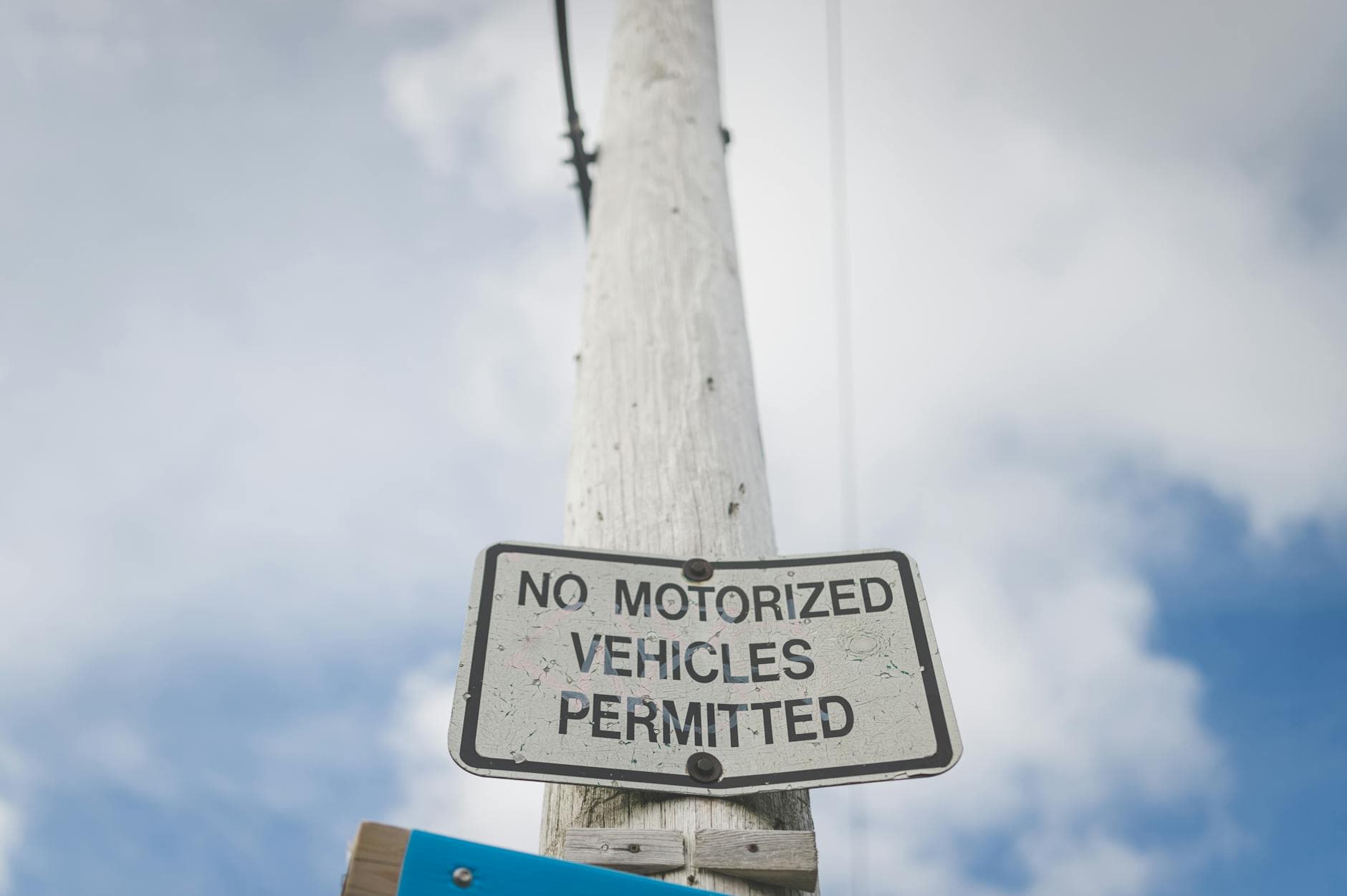
A packed room at Nicolet College in Rhinelander recently hosted a conversation about the future of 70,000 acres of Northwoods forest — acres that most locals have driven past, hiked through, or hunted in without realizing they’re at the center of a national policy fight.
The topic was the Roadless Rule, a federal policy that’s protected undeveloped national forest lands since 2001. Now the Trump administration wants to rescind it, and what happens next could reshape how the Chequamegon-Nicolet National Forest is managed for generations.
For those of us who love these woods, that’s not an abstract debate. It’s about whether future visitors will find the same quiet backcountry we cherish today.
The Roadless Rule does exactly what its name suggests: it restricts roadbuilding and most commercial logging across roughly 45 million acres of national forest nationwide. In Wisconsin, that means about 70,000 acres of the Chequamegon-Nicolet remain undeveloped.
Michael Dombeck helped design the rule during his time as Chief of the U.S. Forest Service under Clinton. Speaking at the Rhinelander town hall, he made a case that might surprise folks expecting partisan talking points.
“It’s probably one of the most conservative policies you could have. It doesn’t cost taxpayers money — it saves money. It doesn’t create roads that require maintenance year after year. And it keeps options open for future generations.”
When the Forest Service developed the rule in the late 1990s, they collected over 1.6 million public comments. Ninety percent were positive. That’s rare consensus in American land policy.
The push to eliminate the rule kicked into high gear this spring when Representative Tom Tiffany, who chairs a House subcommittee on natural resources, held hearings on bills to nullify it. His main argument? Wildfire risk.
With catastrophic fires becoming common out west, Tiffany and other supporters say we need road networks and defensible space, not “overgrown thickets ready to level entire neighborhoods.” The USDA backs this up, noting that 28 million roadless acres sit in high or very high wildfire-risk zones.
But new research from The Wilderness Society found that wildfires are four times more likely to start near roads than deep in roadless forests. More roads can mean more human-caused ignitions, not fewer fires.
Here’s where the Northwoods perspective gets interesting. Henry Schienebeck runs the Great Lakes Timber Professionals Association, and he doesn’t think rescinding the rule will change much locally.
“I don’t think it’s going to make any difference in how we’re managing the Chequamegon-Nicolet,” Schienebeck said. The roadless areas are roadless partly because they weren’t economically valuable for logging to begin with.
At the town hall, about 100 people showed up. Twenty speakers raised concerns that felt distinctly Northwoods:
One attendee put it plainly from the lectern: “I don’t want more money going to roads on public lands when the massive network of roads already exist are in disrepair and lack the funding.”
Governor Evers wrote to the USDA in April supporting Wisconsin tribal organizations who say they weren’t consulted on the proposed rule changes. That matters because roadless areas in the Chequamegon-Nicolet sit on ceded territory — lands where tribes retain treaty rights to hunt, fish, and gather.
Federal law requires consultation with tribes on decisions affecting their treaty rights. Skipping that step isn’t just poor policy — it’s potentially illegal and disrespectful to the original stewards of these forests.
The final rule isn’t expected until late 2026, which means there’s still time for meaningful tribal input if the administration chooses to seek it.
Dombeck warned the crowd that what’s happening isn’t really about forest management. “What we’re really seeing is the politicization of agencies that have served the country very well for a long time,” he said.
The question for Northwoods residents is whether we want more access and active management or more protection for undeveloped character. Both matter to the mixed economy up here — tourism, recreation, hunting, fishing, and forestry all depend on these public lands in different ways.
The Sierra Club, Wisconsin’s Green Fire, and partner organizations are organizing to defend the rule. They argue it protects the backcountry experience that draws people to the Northwoods in the first place.
Meanwhile, some in Congress see roadless protections as obstacles to forest health and fire prevention, even if local foresters aren’t convinced that argument applies here.
As the USDA moves toward a final decision in 2026, Northwoods voices will matter. These 70,000 acres belong to all of us, and how we manage them now determines what kind of forest our kids and grandkids inherit. The town hall format worked because it gave regular people — not just lobbyists and politicians — a chance to weigh in on land they actually use.
Whether you’re a deer hunter who treasures roadless solitude, a snowmobiler who relies on trail access, or someone who just wants intact forest for clean water and wildlife, this debate touches your corner of the Northwoods. Pay attention to what happens next.
Written by

Mike has been coming up or living in the Northwoods since his childhood. He is also an avid outdoorsman, writer and supper club aficionado.
 News
NewsChrist Church in Bayfield has called Rev. Art Hancock as its new vicar, bringing 30+ years of ministry to a congregation that’s served the Chequamegon Bay area since 1856.
 News
NewsA Sunday crash at Highway 111 and County Road J in Price County killed a 74-year-old Kennan woman and seriously injured three others, including a teen. The investigation continues.
 News
NewsTomahawk’s Ties That Bind Us nonprofit has raised thousands through its annual Cleavage Open golf fundraiser, providing gas cards, food assistance, and practical support for Northwoods cancer patients.
 News
NewsChrist United Methodist Church in Merrill now serves over 200 free lunches daily to kids and teens, part of a volunteer-driven effort that’s fed thousands since 2013.