

What is new for Northwoods Drifter in 2026
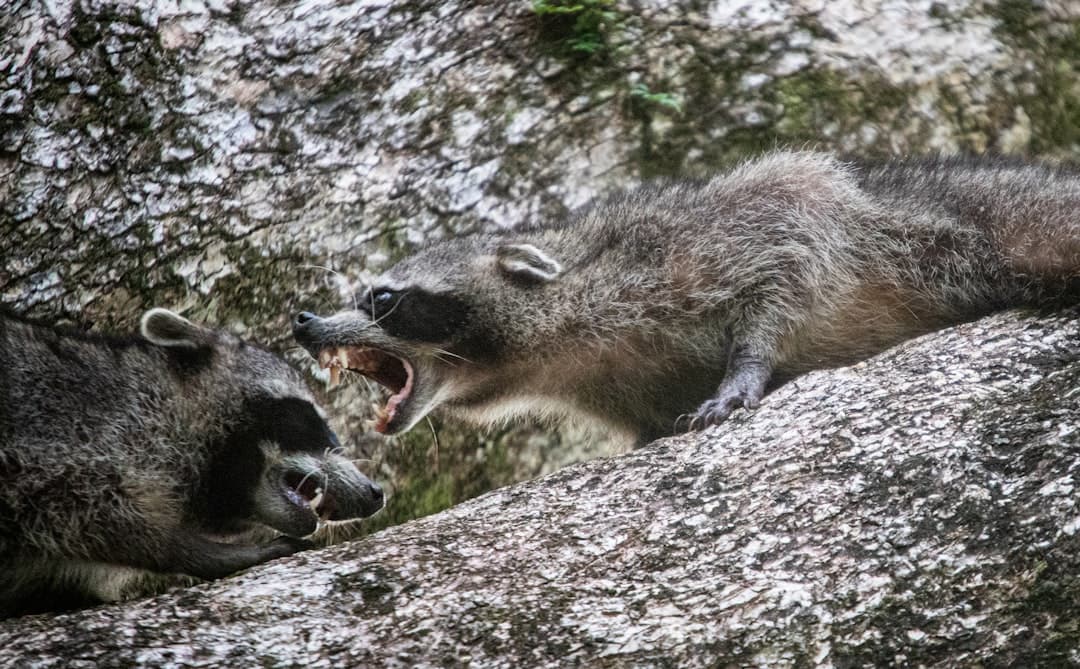
When the lights flicker out during a Northwoods winter, most of us immediately blame the weather. A heavy snow load on branches, ice on the lines, or that classic Wisconsin wind rattling through the pines—these are the usual suspects. But there’s another culprit working year-round to disrupt our power supply, and it’s probably raiding your bird feeder right now.
Wisconsin Public Service reports that animals caused outages affecting roughly 5,000 customers across their service area last year. We’re talking squirrels, raccoons, birds, and even the occasional snake finding their way into equipment that was never designed to handle furry or feathered visitors. For a region like ours, where power reliability supports everything from tourism operations to remote work setups, these critter-caused disruptions represent more than just an inconvenience—they’re a genuine infrastructure challenge.
The good news? WPS is rolling out protective measures specifically designed to keep our wildlife neighbors from becoming unwitting saboteurs. Understanding why this happens and what’s being done about it matters to every Northwoods resident who depends on consistent electricity and natural gas service.
Our region’s dense forests and abundant wildlife create the perfect storm for animal-related power issues. The Northwoods encompasses roughly 1.5 million acres of forested land, providing ideal habitat for the very creatures that find utility equipment so appealing. Squirrels, in particular, are notorious for their relentless gnawing behavior—a biological necessity since their teeth never stop growing. Power lines, with their protective coating, present an irresistible chewing opportunity.
During colder months, the problem intensifies. Raccoons and squirrels seek warm, protected spaces for denning, and those green utility boxes you see around neighborhoods offer exactly that. The enclosed spaces provide shelter from brutal Northwoods winters, while the ambient warmth from electrical equipment makes them even more attractive. Once inside, animals nest, gnaw on wiring, and create debris that can cause short circuits or equipment failure.
Birds present a different challenge. Species like crows, hawks, and even the peregrine falcons that WPS has worked to protect through their 30-year restoration program can inadvertently cause outages by perching on equipment or building nests in transformers. Snakes, seeking warmth from the ground-level equipment during spring and fall, occasionally find their way into spaces where they absolutely shouldn’t be.
Wisconsin Public Service isn’t just documenting the problem—they’re actively engineering solutions tailored to our wildlife-rich environment. According to WPS spokesperson Matt Cullen, the utility is installing multiple types of protective measures across the Northwoods service territory. These include slippery coatings applied to power lines that prevent squirrels from gaining traction as they attempt to traverse the wires. Think of it as the utility equivalent of greasing a bird feeder pole, except on a much larger scale.
Guards and barriers are being added to transformers and junction boxes, physically blocking animals from accessing the interior components. Extra insulation layers protect critical wiring from gnawing damage, while specialized covers keep birds from nesting in dangerous locations. These aren’t one-size-fits-all solutions—crews assess individual equipment based on local wildlife activity and previous outage patterns.
The approach reflects a broader shift in how utilities manage wildlife interactions. Rather than simply responding to outages after they occur, WPS is investing in prevention that acknowledges the reality of our ecosystem. We live in an area where wildlife isn’t a nuisance but a defining characteristic of the region. The challenge is finding ways for our infrastructure to coexist with the animals that were here long before the power lines went up.
While WPS handles the utility-side protections, homeowners throughout Vilas, Oneida, Iron, Forest, Florence, and Lincoln counties can take steps to reduce both power disruptions and property damage. Cullen emphasizes one critical point: never attempt to address animal issues around power equipment yourself. If you spot evidence of wildlife activity near transformers, power boxes, or gas lines, contact WPS immediately. Their specialized crews have the training and equipment to safely handle these situations.
For your own property, the Wisconsin DNR recommends conducting regular yard audits to identify and seal potential entry points. Those gaps around vents, soffits, and foundation openings that seem too small to matter? Squirrels and mice can exploit surprisingly tiny openings. Use hardware cloth or mesh screens rated for wildlife exclusion—not just basic window screening that determined critters can chew through in minutes.
Consider your landscaping choices, too. Bird feeders attract more than just cardinals and chickadees; they draw squirrels, raccoons, and opossums that may then explore nearby structures and utility equipment. If you’re experiencing wildlife conflicts, temporarily removing food sources often encourages animals to relocate. Services like Northwoods Animal Control offer inspections and animal-proofing consultations for residents dealing with persistent issues, while the Northwoods Wildlife Center in Minocqua can provide guidance on coexisting with local species.
Animal-related outages represent one piece of a larger reliability puzzle that WPS continues to address through infrastructure improvements. The utility’s ongoing vegetation management program works to prevent storm damage, while equipment upgrades support the region’s growing clean energy initiatives and storage projects. Every measure that reduces outages—whether from falling branches or curious squirrels—strengthens the grid that supports our Northwoods economy.
That economic connection matters more than you might think. Tourism businesses from Eagle River to Lac du Flambeau depend on reliable power for everything from resort operations to online booking systems. The forestry industry requires consistent electricity for mills and processing facilities. Remote workers, increasingly common throughout the Northwoods, need stable connections for their livelihoods. When 5,000 customers experience animal-caused outages, the ripple effects touch far more than just those individual homes and businesses.
Looking ahead, the coexistence between Northwoods wildlife and modern infrastructure will require continued adaptation. As the region balances forest conservation with development, maintaining that equilibrium means infrastructure that works with nature rather than against it. The protective measures WPS is installing represent not just technical solutions but a recognition that our power grid exists within one of Wisconsin’s most ecologically rich regions. And honestly, that’s pretty fitting for a place where you’re just as likely to see a black bear cross the road as you are a snowplow clearing it.
Written by

Mike has been coming up or living in the Northwoods since his childhood. He is also an avid outdoorsman, writer and supper club aficionado.
 News
NewsThe Merrill Ice Drags turn the frozen Wisconsin River into a 1/8-mile drag strip where 14-year-old rookies race V8s against veterans, and competitors hug after beating each other. Six decades of winter tradition prove cabin fever has a cure.
 News
NewsLakeland Union High School brought 150 local businesses and nonprofits together for its first community breakfast, building partnerships to prepare students for careers right here in the Northwoods.
 News
NewsA Gleason teen has raised over $18,000 in four years by baking thousands of cupcakes to honor her brother killed by a drunk driver, supporting first responders across Lincoln County.
 News
NewsThree Lakes bowler Oren Alsager became the first Rhinelander Co-op athlete to reach state since 2022. His journey from beginner to state qualifier shows what Northwoods dedication looks like.