

What is new for Northwoods Drifter in 2026
Just across the border in Michigan’s Upper Peninsula, a new exhibit is telling the remarkable story of how one of the Midwest’s last untouched landscapes went from exclusive hunting club to protected wilderness. The Ottawa National Forest Visitor Center in Watersmeet has partnered with the Northern Waters Museum to showcase the history of Sylvania Wilderness—and it’s worth the short drive from Wisconsin’s Northwoods.
If you’ve ever paddled the silent waters of Clark Lake or portaged between Sylvania’s 34 pristine lakes, you know there’s something different about this place. Now visitors can discover why.
The story starts in 1897 when Wisconsin lumberman A.D. Johnston bought land near what’s now Clark Lake. His original plan? Log the old-growth forest like everyone else was doing.
But something stopped him. Maybe it was the ancient hemlocks towering overhead, some already 400 years old. Maybe it was the crystal-clear lakes reflecting an unbroken canopy. Whatever the reason, Johnston chose preservation over profit.
By the early 1900s, he’d formed the exclusive Sylvania Club. Wealthy industrialists like Lawrence Fisher and Clarence Christensen built lodges along the lakeshore—Thompson Lodge among them—creating a private retreat for hunting, fishing, and hiking while the logging boom stripped forests all around them.
Fast forward to 1966. The U.S. Forest Service purchased the entire 18,327-acre tract for $5.74 million—the first major acquisition under the newly created Land and Water Conservation Fund.
It was controversial. Watersmeet Township lost the land from its tax rolls. Some locals worried about what federal ownership would mean. But conservationists saw an opportunity to protect something increasingly rare: a landscape that logging had somehow missed.
Lady Bird Johnson dedicated it as Sylvania Recreation Area in 1967 at Clark Lake. The old club structures came down. The lakes opened to the public for the first time in generations.
Designated as official wilderness in 1987 under the Michigan Wilderness Act, Sylvania now protects one of only two remaining old-growth hardwood forests in the Great Lakes region. The other? Porcupine Mountains, also in the UP.
Here’s what that wilderness designation means for visitors:
“It offers an opportunity you might not find in many other places on the national forest, or just in this area in general, for that kind of solitude and that primitive type of recreation,” explains Karl Hildebrandt, Ottawa National Forest Visitor Center manager.
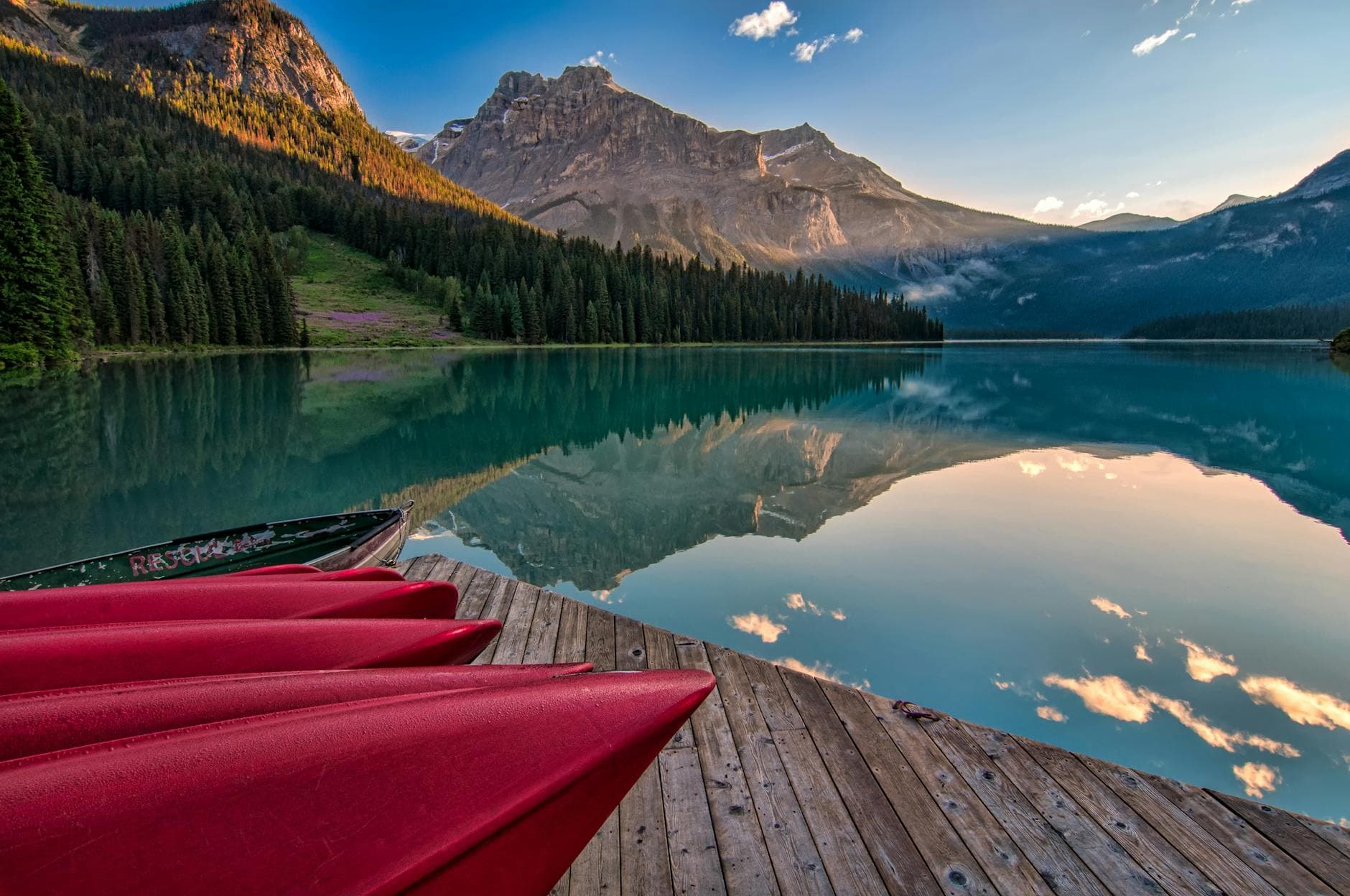
The Watersmeet visitor center sits just minutes from the Wisconsin border—an easy drive from Land O’ Lakes, Boulder Junction, or Lac du Flambeau. The building itself was once called the Sylvania Visitor Center, making it the perfect home for this story.
“Very excited and happy that we have Sylvania here on the Ottawa National Forest, and we hope to carry on the tradition into the future.” — Karl Hildebrandt
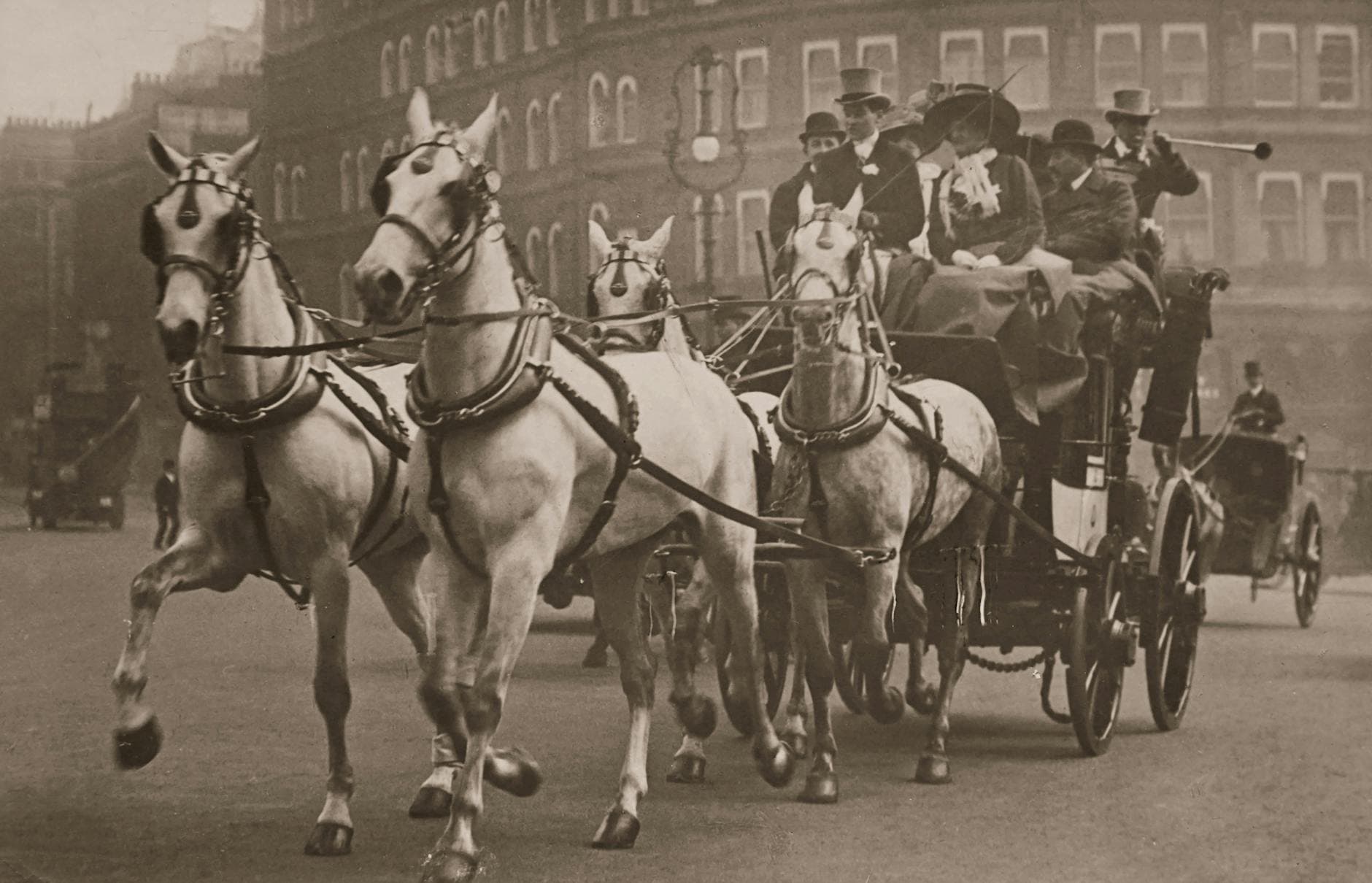
The exhibit features historic photographs, artifacts from the club era, and panels explaining the decades-long journey from private preserve to public treasure. You’ll see images of those old lodges, learn about the conservation advocates who fought for wilderness status, and understand the delicate balance between tourism and preservation that continues today.
For Wisconsin’s Northwoods community, Sylvania has long been an extension of our own backyard. Many of us have portaged its trails, camped on its shores, or listened to loons echo across Clark Lake at twilight. This exhibit gives context to those experiences.
The Ottawa National Forest Visitor Center is open year-round and free—no entrance fee, no excuses not to stop by. Whether you’re planning your first Sylvania trip or you’re a regular who’s paddled every lake, the exhibit adds depth to what you’ll see on the water.
The center stocks maps, permits (required for overnight camping), and staff who know the area inside out. They can point you toward the best entry points west of Watersmeet and help you plan routes through the interconnected lake system.
After checking out the exhibit, you’re minutes from trailheads and boat launches. The commemorative plaque from Lady Bird Johnson’s 1967 dedication still stands at the Clark Lake day-use area on the north shore—a tangible connection to the history you just learned about.
Sylvania’s story isn’t finished. The Friends of Sylvania and Forest Service volunteers continue working to maintain trails, monitor wildlife, and introduce new generations to wilderness values. The exhibit itself represents a partnership between federal land managers and local history keepers—exactly the kind of collaboration that protects special places.
For those of us who live in and love the Northwoods, Sylvania offers something increasingly precious: proof that preservation works. A landscape that could have been logged bare in the 1890s or developed into resorts in the 1960s instead remains wild, offering the kind of solitude and beauty that drew A.D. Johnston to spare it in the first place.
Next time you’re heading up M-45 or crossing the border near Land O’ Lakes, stop in Watersmeet. The exhibit runs through summer, but the visitor center welcomes guests all year. Learn the story, then go experience the place yourself. Those ancient hemlocks and quiet lakes are waiting.
Written by

Mike has been coming up or living in the Northwoods since his childhood. He is also an avid outdoorsman, writer and supper club aficionado.
 News
NewsCulver’s in Rhinelander donated 10% of Sunday sales to Wild Instincts wildlife rehab center, raising funds for the busy spring season when young animals need the most help.
 News
NewsLanglade County Health Department’s new interactive map pinpoints substance misuse resources across Antigo, reducing stigma and barriers to treatment for families seeking help in rural Wisconsin.
 News
NewsRhinelander’s Hawgs and Dawgs camp brings Wisconsin Badgers players north each spring to coach youth football inside the Hodag Dome, creating rare access to Division I talent for Northwoods athletes.
 News
NewsEvercon 2026 brought over 2,500 gamers, cosplayers, and families to Rothschild for three days of board games, video tournaments, and community connection — proving central Wisconsin’s gaming scene is thriving.