

What is new for Northwoods Drifter in 2026

After a decade of steady leadership, Tomahawk voters chose change this spring, electing Michael “Hob” Habeck as their new mayor with a decisive 70% of the vote. But beyond the mayoral race, one message rang clear at Sara Park polling location: fix our roads.
The April 7 election marked the first new mayor in ten years, ending Steve Taskay’s tenure. Habeck, who operates Hob’s Service Center and serves on the police and fire commission, defeated challenger Jeffrey Koth 655 to 227 votes.
Yet for many of the 938 voters who turned out, the real story wasn’t just who won—it was what needs fixing.
Dawn Franson, a 23-year Tomahawk resident, didn’t mince words about her biggest concern. “Our streets are horrible, the potholes, weather can definitely be a factor in that but we need to get back to making Tomahawk what it used to be which is a thriving community for tourists and its citizens.”
She’s far from alone in that assessment.
Donna Olson echoed the frustration, pointing to specific trouble spots. “We live out on Somo Avenue and it’s full of potholes so I’m hoping they take that seriously. Even coming down this street coming to Sara Park past the fire station, it’s horrible too.”
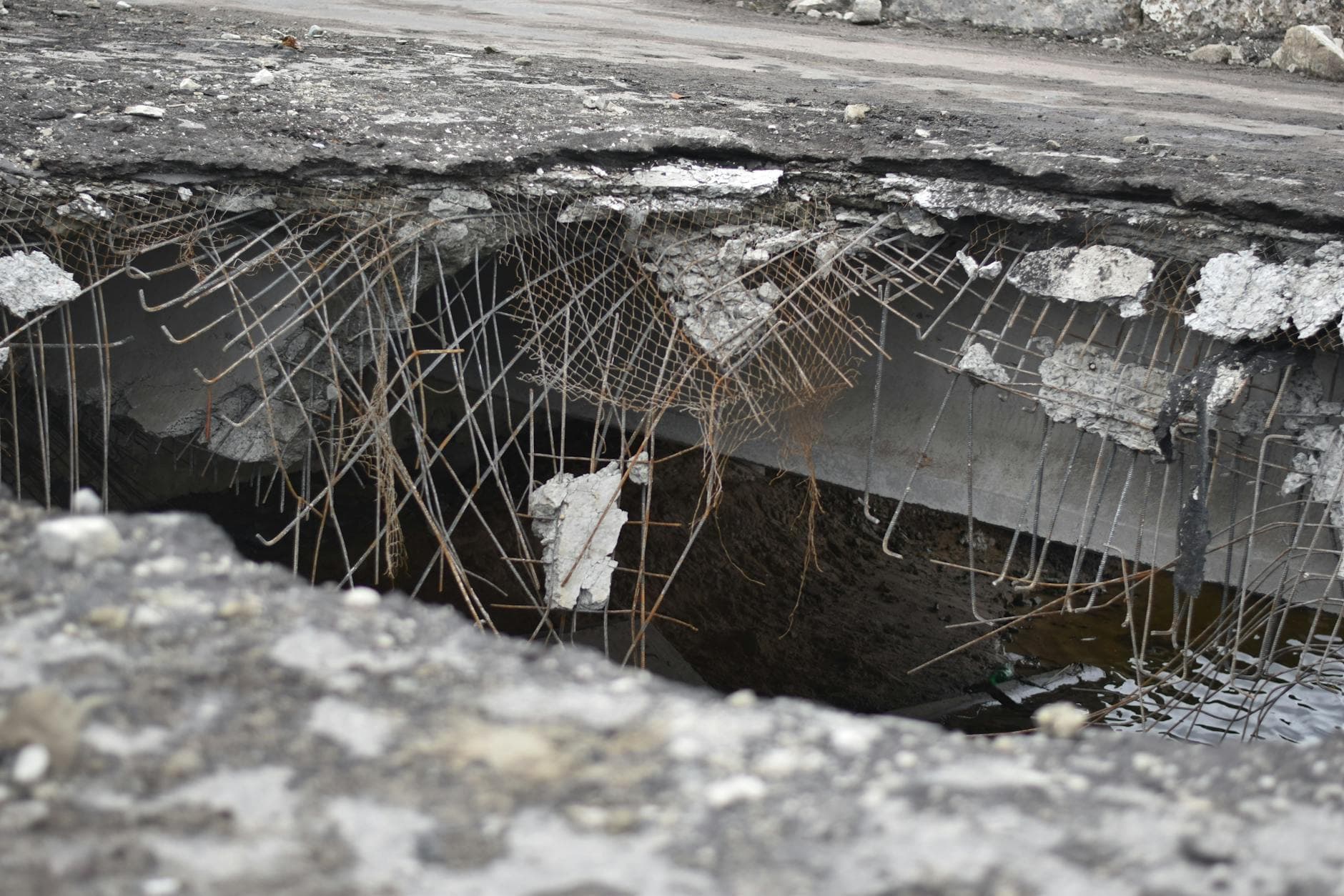
Those potholes aren’t just annoying—they’re symbols of deferred maintenance that residents say hurts both daily life and the city’s appeal to visitors. When your roads look rough, tourists notice.
Habeck campaigned on government accountability and treating taxpayer dollars with business-like efficiency. Voters told reporters they’re looking for exactly that kind of practical approach.
Ken Sorensen said he wants “somebody attention getting, speaks with authority, confidence, someone who can get things done that maybe a passive mayor can’t.”
Franson put it more plainly: “I’m looking for someone who is real, who can really speak to us and understand what we are doing, and the people who live here.”
“By coming out and making that difference in voting, it will allow us to be part of this community. We are all a part of the solution, not the problem.” — Dawn Franson, Tomahawk voter
That sentiment—being part of the solution—captures the civic energy driving voters to the polls even in a spring election that typically sees lower turnout.
If you’ve lived through a Northwoods winter, you know what freeze-thaw cycles do to pavement. Water seeps into cracks, freezes, expands, and creates craters faster than road crews can patch them.
But the problem goes deeper than weather. Koth, the challenger, highlighted during his campaign that WisDOT repairs for some local roads aren’t scheduled until 2030. That’s four more years of deterioration, four more springs of busted axles and frustrated commuters.
For a city of about 6,000 that relies heavily on tourism, bad roads send the wrong message. When anglers, snowmobilers, and families are deciding where to spend their vacation dollars, first impressions matter.
Here’s what poor infrastructure costs Tomahawk:
Habeck won’t tackle these challenges alone. City council races filled five spots, with Pat Haskin, Don Nelson, and Tadd Wegener winning seats. Nelson and Wegener are both returning to the council.
Their priorities will shape how quickly Tomahawk addresses voter concerns about roads, economic vitality, and community character. The new council’s first budget decisions could signal whether infrastructure finally gets the investment residents are demanding.
Nearby cities saw different outcomes. In Merrill, incumbent Steve Hass defeated former mayor Derek Woellner, while Rhinelander’s mayor also won re-election. But Tomahawk’s choice for change stands out—a clear mandate for fresh approaches.
The election reflects something deeper than partisan politics or even local personalities. Voters want their community to work—literally and figuratively.
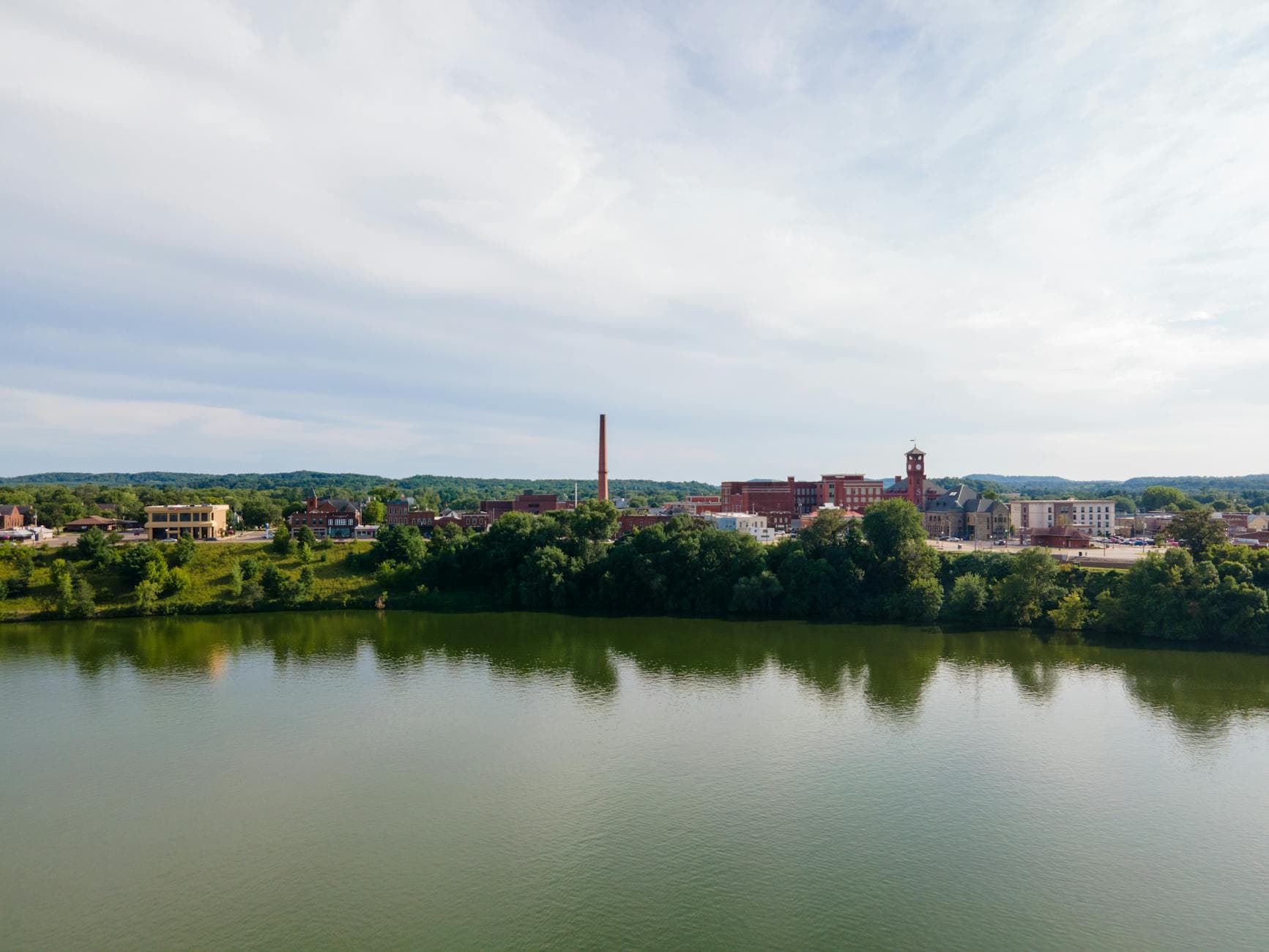
They remember when Tomahawk thrived as both a tourist destination and a great place to live. Founded in 1887 as a lumber boomtown, the city has always balanced resource economy with natural beauty.
Now residents are asking: can we get back to that?
Habeck’s focus on fiscal accountability suggests he’ll approach road repairs and economic development with an eye on sustainable investment rather than quick fixes. Whether that means lobbying harder for state transportation funds, reallocating city budgets, or finding creative partnerships remains to be seen.
What’s certain is that Tomahawk voters have spoken clearly. They’re ready to be part of the solution, but they expect their leaders to show up with shovels—or in this case, asphalt.
As spring brings tourists back to Northwoods lakes and trails, Tomahawk has a chance to prove it’s serious about reclaiming its reputation. The potholes are real, but so is the determination to fill them.
Written by

Mike has been coming up or living in the Northwoods since his childhood. He is also an avid outdoorsman, writer and supper club aficionado.
 News
NewsMichael Habeck won Tomahawk’s mayoral race with 655 votes, ending a decade without contested leadership. The 40-year resident faces immediate challenges with road repairs and budget deficits.
 News
NewsRhinelander Mayor Kris Hanus secured reelection by just 15 votes in a nail-biter decided at 12:30 a.m. He’s focusing his second term on housing, infrastructure, and rebuilding public safety facilities.
 News
NewsRhinelander Mayor Kris Hanus secured his second term by just 15 votes in a race that wasn’t called until after midnight. His agenda focuses on economic development, west side infrastructure, and a new public safety facility.
 News
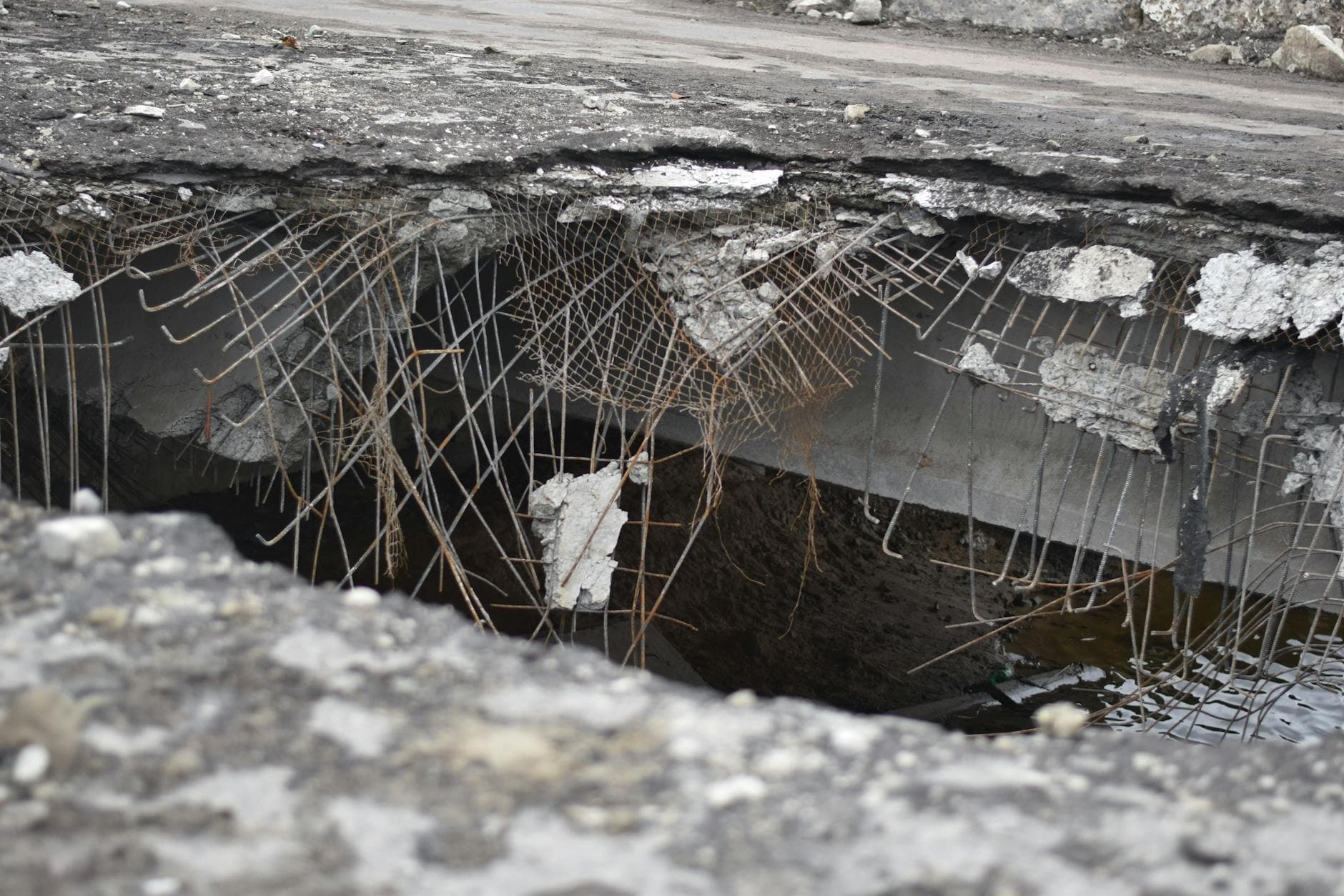
NewsMichael Habeck takes office as Tomahawk’s first new mayor in a decade, facing deteriorating roads and a budget deficit after voters rejected a funding referendum.