

What is new for Northwoods Drifter in 2026
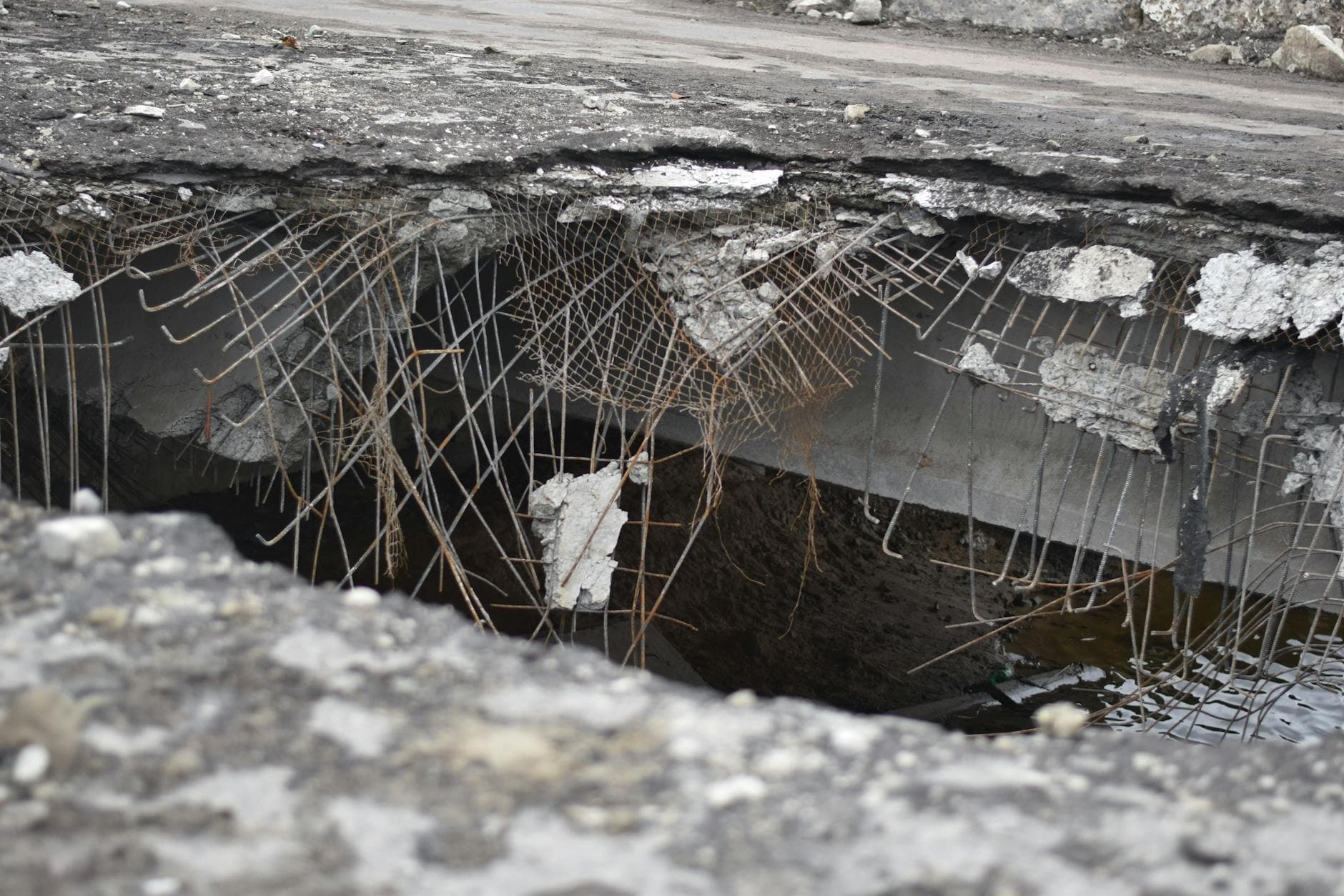
After a decade under the same leadership, Tomahawk has a new face at City Hall. Michael Habeck swept into the mayor’s office with 655 votes to Jeff Koth’s 227, and he’s inheriting a to-do list that reads like every small Northwoods town’s nightmare: potholed roads, empty coffers, and voters who just said “no thanks” to a tax hike.
For anyone who’s white-knuckled it down Bradley Street lately, Habeck’s first priority won’t come as a surprise. The roads aren’t just rough — they’re the kind of beat-up pavement that makes you check your alignment every spring.
“I can tell you this 100%, I love this community,” Habeck told reporters after his win. “I love being a part of it, and I just want to serve the community. The people of Tomahawk are the most important thing.”
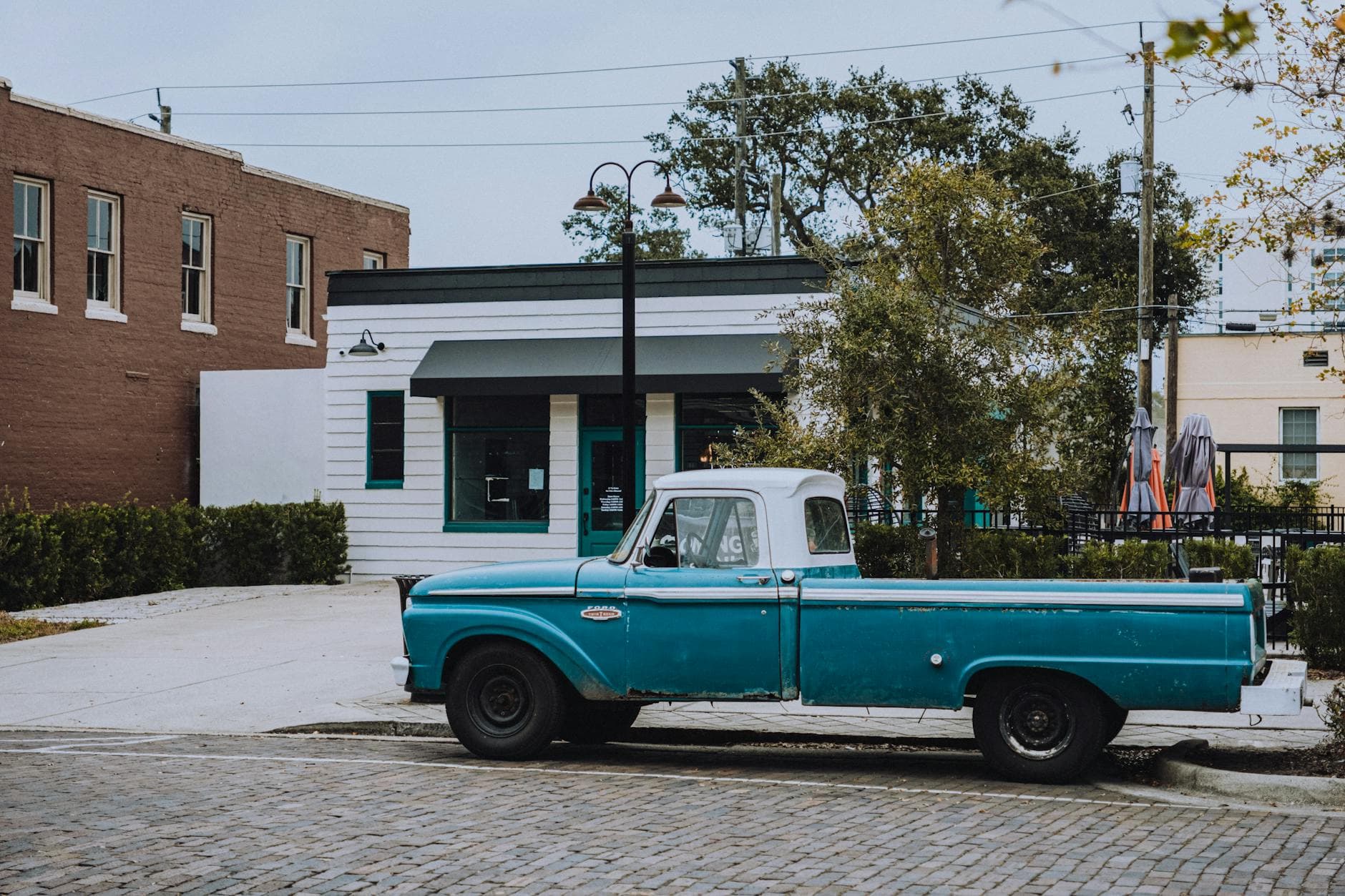
Drive through Tomahawk on any given day and you’ll understand the issue without needing a civil engineer to explain it. Decades of logging trucks, brutal winters, and deferred maintenance have turned what should be smooth pavement into an obstacle course.
Habeck’s been a resident for over 40 years, so he’s watched these roads deteriorate firsthand. He knows the problem won’t fix itself with good intentions and a bag of cold patch.
“The roads in Tomahawk need help,” Habeck said plainly. “We need some assistance from the state as well I’m sure and we’ve already started working on that so we’ll definitely keep working on it.”
That state assistance he’s talking about? It’s not just wishful thinking. Wisconsin DOT grants have historically funded infrastructure projects in Lincoln County, but those dollars come with paperwork, timelines, and competition from every other town with the same potholes.
Here’s where things get tricky. Tomahawk‘s budget deficit isn’t news to anyone who’s been paying attention to city council meetings. What is news is that voters just rejected a referendum that would’ve helped close that gap.
Translation: the city needs more money to maintain services, but residents aren’t interested in paying higher taxes to get it. That puts Habeck and the council in a tough spot.
“We don’t wanna cut any programs or cut anything we need to do, and we’ve got a wonderful bunch of city employees and we’ve got a great city council so we just got to work together and try to figure it out.”
The rejected referendum forces the finance committee back to the drawing board. In a town of roughly 1,200 people, every program matters — whether it’s keeping the library open, maintaining parks along Lake Tomahawk, or ensuring public safety has what it needs.
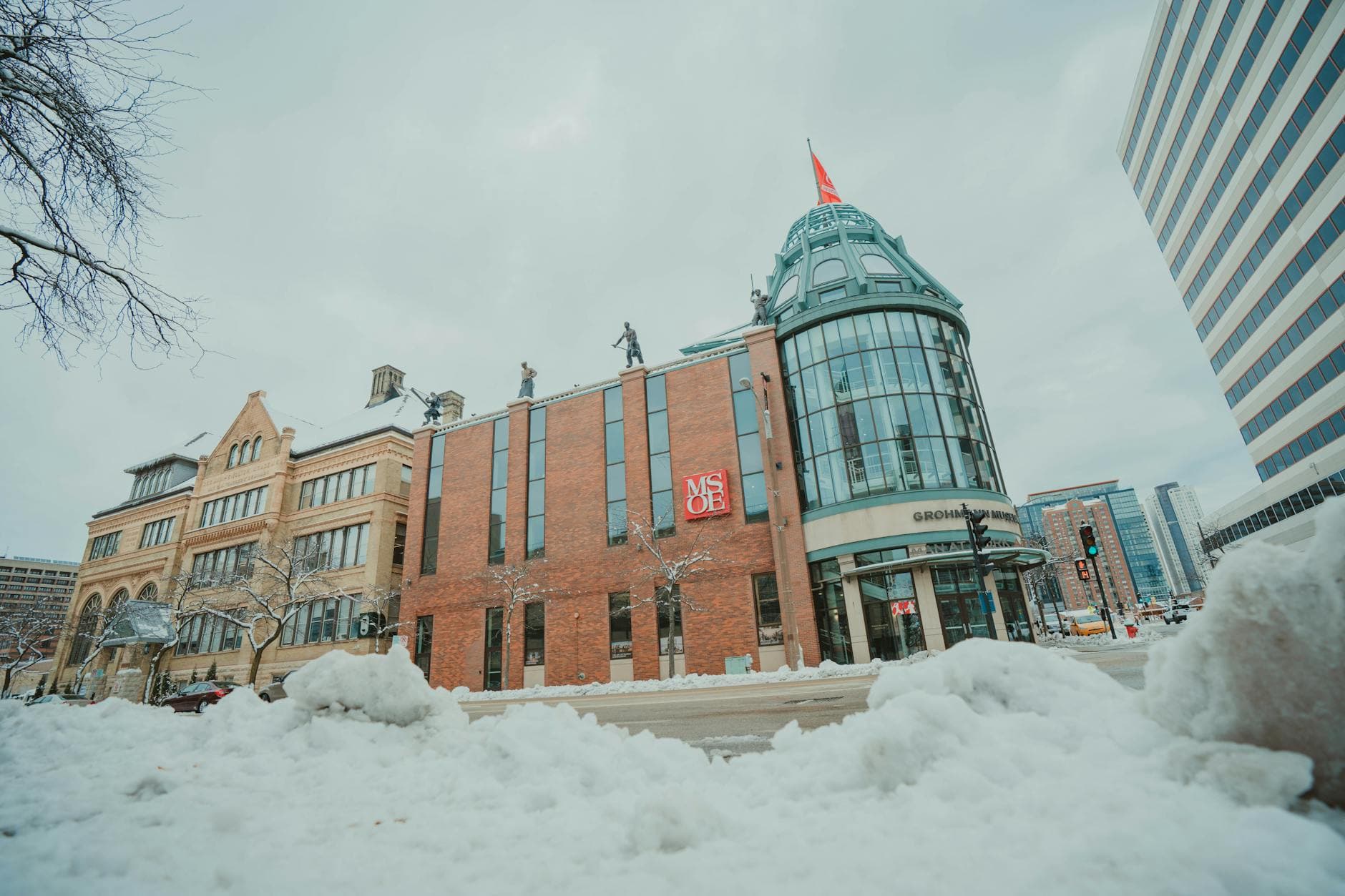
Let’s break down what these challenges mean for everyday life in Tomahawk:
The budget crunch hits harder here than in bigger cities. Lincoln County’s median income hovers around $55,000, well below the state average. Every tax dollar counts when paychecks are already stretched.
Not everything on Habeck’s desk is doom and gloom. The city’s moving forward with plans for a new water treatment facility to remove potentially harmful chemicals — a critical upgrade for a region where clean water isn’t negotiable.
State Senator Mary Felzkowski recently helped push through forestry legislation that supports local logging jobs, bolstering an industry that still employs a significant chunk of the workforce around here. That’s the kind of economic foundation Tomahawk needs while figuring out its budget puzzle.
Even Habeck’s opponent sees reason for optimism. Jeff Koth, despite falling short in the race, expressed confidence in the new mayor’s ability to deliver.
“I’m very hopeful, if I don’t win, that my opponent Michael Habeck, he’ll be able to do the job that I wanted to do,” Koth said after the results came in.
Habeck says his first move is simple: listen to the community and go from there. Smart strategy, especially when you’re walking into a job where the problems are obvious but the solutions require threading about a dozen political needles.
The state assistance he’s already pursuing for roads could be a game-changer if it comes through. But even with outside help, tough decisions loom about how to fund essential services without the referendum money voters rejected.
This is the reality of small-town governance in the Northwoods. You can’t just raise taxes when budgets don’t balance, and you can’t ignore crumbling infrastructure when it affects everyone’s daily life. Habeck’s got his work cut out for him, but he’s got something important on his side: he genuinely loves this place.
For a town that’s been here since the lumber boom of 1883, navigating change isn’t new. Tomahawk survived the transition from logging boomtown to tourism hub. It’ll figure out how to fix its roads and balance its books — it just might take some creative thinking and patience from everyone involved.
Written by

Mike has been coming up or living in the Northwoods since his childhood. He is also an avid outdoorsman, writer and supper club aficionado.
 News
NewsMichael Habeck won Tomahawk’s mayoral race with 655 votes, ending a decade without contested leadership. The 40-year resident faces immediate challenges with road repairs and budget deficits.
 News
NewsRhinelander Mayor Kris Hanus secured reelection by just 15 votes in a nail-biter decided at 12:30 a.m. He’s focusing his second term on housing, infrastructure, and rebuilding public safety facilities.
 News
NewsRhinelander Mayor Kris Hanus secured his second term by just 15 votes in a race that wasn’t called until after midnight. His agenda focuses on economic development, west side infrastructure, and a new public safety facility.
 News
NewsTomahawk elected Michael Habeck as mayor with 70% of votes, but the real story was voters demanding action on pothole-riddled roads that hurt both residents and tourism in this Northwoods community.