

What is new for Northwoods Drifter in 2026

On Tuesday, April 6, Tomahawk residents will decide whether to approve a property tax increase that city officials say is necessary to maintain basic services. The referendum asks voters to approve a 20% levy increase — about $276,000 — that would cost homeowners roughly $75 more annually per $100,000 of assessed property value.
It’s not the kind of decision anyone wants to make. But for a city caught between rising costs and state-imposed spending limits, officials say they’re running out of options.
The math tells a stark story. Over the past decade, inflation has climbed 35% while Tomahawk’s tax levy has only increased 11.6%. That 20-point gap isn’t just a number on a spreadsheet — it’s showing up in reduced staff, aging equipment, and tough choices about what services the city can continue to provide.
Steve Bartz, who’s served on the Tomahawk City Council for 16 years, has watched the squeeze get tighter each year. Between 2020 and 2025, the city’s levy grew by only about $8,500 annually across all departments — Public Safety, Public Works, Parks, Police, and Fire combined.
That’s barely enough to cover the cost of keeping the lights on, let alone maintaining equipment or keeping up with salary adjustments.
City Treasurer Amanda Bartz has felt the impact directly. Her department lost a full-time administrative assistant position that used to provide daily operational support across all city departments. “That position helped us ensure more effective service to the public,” she explained at a recent informational meeting at Sara Park.
The Tomahawk Public Library has already reduced staff and programs. They’ve even added a surcharge of $3 to $6 per book just to keep operations running.
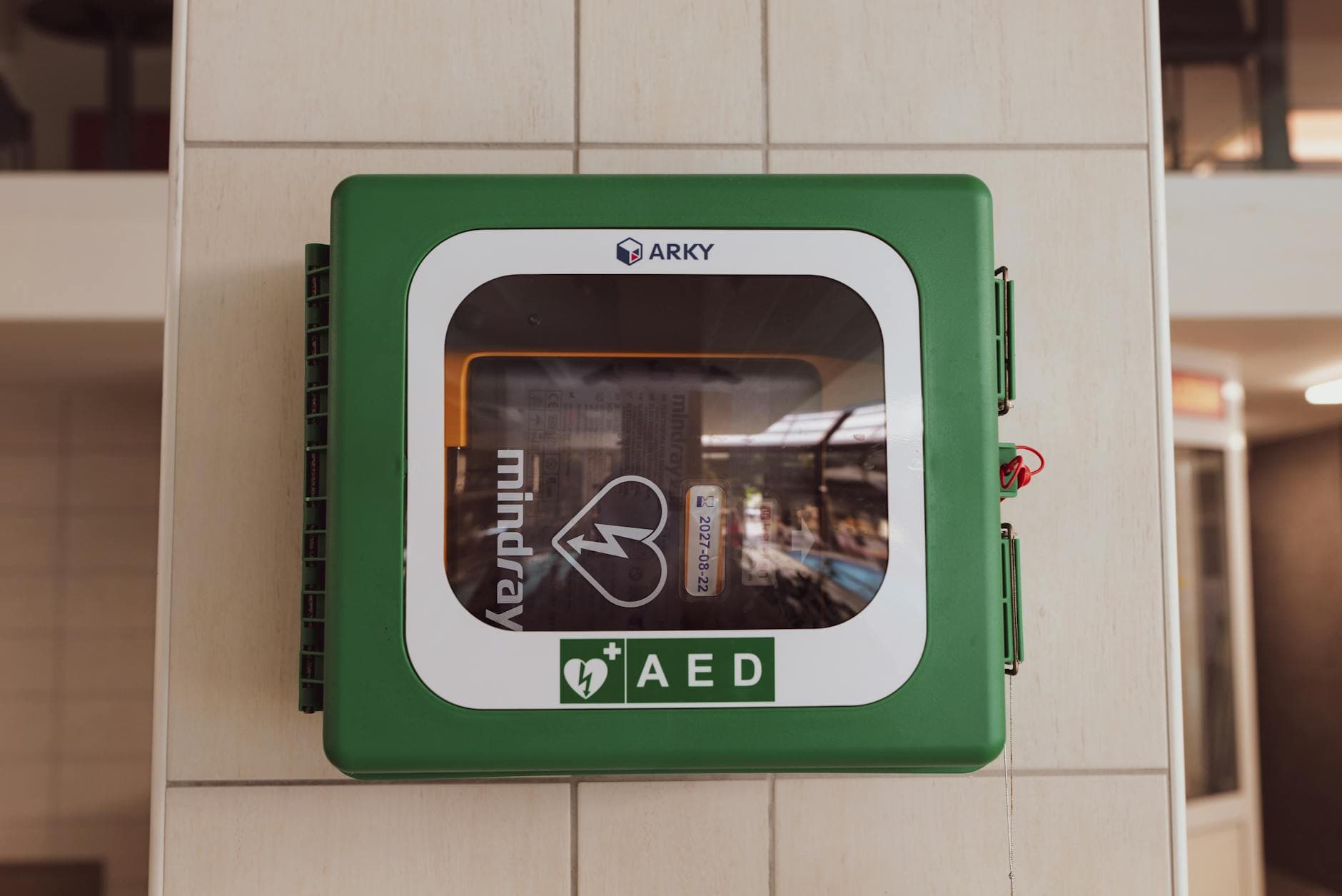
Some budget shortfalls aren’t just inconvenient — they’re potentially life-threatening. Police Chief Al Elvins pointed out that the department lacks funding to replace five Automated External Defibrillators that are being discontinued.
Each replacement unit costs $2,500. The department keeps AEDs on every quad and at the office.
“We’ve saved at least three lives with AEDs,” Elvins said. “It’s going to be catastrophic.”
“There’s limited room to reduce any administrative services without interruptions to services or office hours that we keep at city hall.” — Amanda Bartz, City Clerk and Treasurer
The root of Tomahawk’s budget troubles lies in state law. Wisconsin limits how much property tax municipalities can collect each year unless voters approve an increase through a referendum.
The idea behind levy limits is to control property taxes and prevent runaway government spending. But when inflation consistently outpaces what cities can collect, basic services start to erode.
Tomahawk isn’t alone in this predicament. The School District of Tomahawk faced similar pressures and went to voters in February 2025, successfully renewing a four-year operational referendum for an additional $3.25 million annually. That vote came after the district had already made nearly $1.2 million in expense reductions.
Cities across Wisconsin are finding themselves in the same spot — caught between community needs and state-imposed limits that don’t account for real-world cost increases.
City officials have scheduled three informational sessions at Sara Park to explain the referendum. The meetings — held March 4, March 7 at 10 AM, and March 19 at 6 PM — brought mixed reactions from residents.
Some voters expressed concerns about the city selling parcels of land originally granted by founder William H. Bradley. One resident asked how much Bradley Park is worth to the community and left the meeting after officials said they “couldn’t even quantify it.”
Others worried this could become a permanent tax increase, with one attendee questioning who should lead similar-sized communities to advocate for changes at the state level. “Who would be the best advocate to get into the state’s face?” they asked.
These aren’t unreasonable concerns. Property taxes hit retired folks on fixed incomes especially hard, and many Northwoods residents already stretch budgets through long winters.
If voters approve the increase on April 6, city officials say Tomahawk can maintain current service levels. If it fails, the city will face what Amanda Bartz calls “tough choices on what to cut.”
Those cuts could include:
The city has already pursued other revenue options. In 2018, 69% of Tomahawk voters approved a 0.5% Premier Resort Area Tax on tourism-related purchases for infrastructure needs like road maintenance and bridge repairs. The city has also sold numerous city-owned properties to return them to the tax roll.
But those measures haven’t been enough to close the gap between what it costs to run a city and what the state allows communities to collect.
Tomahawk residents will receive a fact sheet with their utility bills explaining the referendum details. City officials are also using traditional and social media to reach voters before April 6.
This isn’t about building something new or fancy. It’s about maintaining what already exists — the administrative support that keeps city services running smoothly, the equipment that saves lives, the staff that answers questions and solves problems.
Whether $75 per $100,000 of property value is worth maintaining those services is a question each Tomahawk voter will answer at the polls. But one thing is clear: the gap between state-imposed limits and real-world costs isn’t going away on its own.
Whatever voters decide on April 6, the conversation about how Wisconsin funds its small towns and cities will continue long after the ballots are counted.
Written by

Mike has been coming up or living in the Northwoods since his childhood. He is also an avid outdoorsman, writer and supper club aficionado.
 News
NewsCulver’s in Rhinelander donated 10% of Sunday sales to Wild Instincts wildlife rehab center, raising funds for the busy spring season when young animals need the most help.
 News
NewsLanglade County Health Department’s new interactive map pinpoints substance misuse resources across Antigo, reducing stigma and barriers to treatment for families seeking help in rural Wisconsin.
 News
NewsRhinelander’s Hawgs and Dawgs camp brings Wisconsin Badgers players north each spring to coach youth football inside the Hodag Dome, creating rare access to Division I talent for Northwoods athletes.
 News
NewsEvercon 2026 brought over 2,500 gamers, cosplayers, and families to Rothschild for three days of board games, video tournaments, and community connection — proving central Wisconsin’s gaming scene is thriving.