

What is new for Northwoods Drifter in 2026
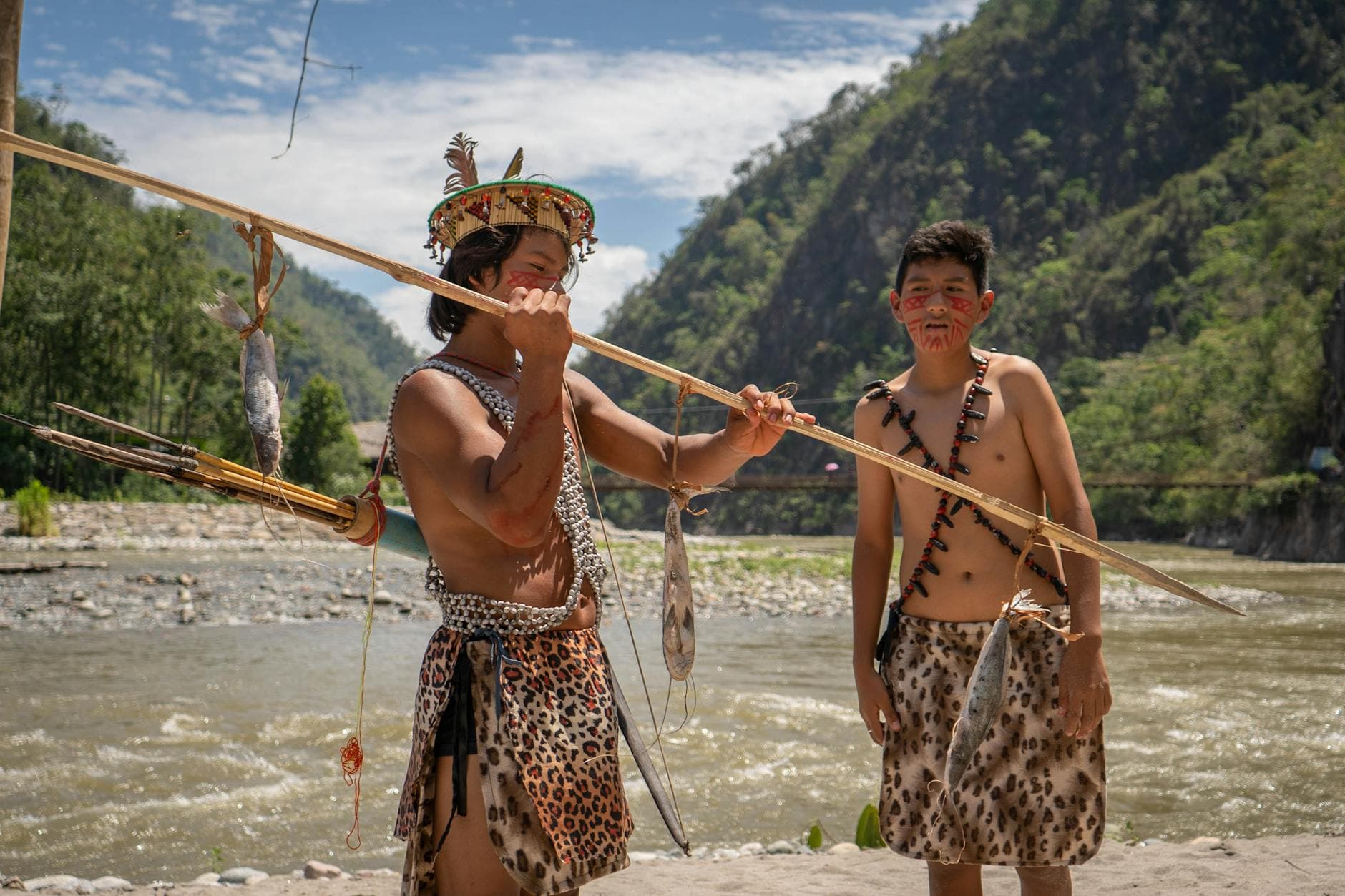
A packed room at the Rhinelander DNR office recently brought together two groups who don’t always see eye to eye: tribal fisheries managers and sport fishing enthusiasts. The topic? How Wisconsin’s Northwoods lakes are managed, who gets to fish them, and why those spring spearfishing quotas matter more than you might think.
If you’ve ever pulled a walleye from Lake Tomahawk or watched ice shanties dot the Minocqua Chain come February, you’ve got skin in this game.
Here’s the thing most folks don’t realize: when Ojibwe tribes signed treaties in the 1800s giving up land across northern Wisconsin, they kept something crucial. The right to hunt, fish, and gather in what’s called the ceded territory — basically the entire Northwoods region we call home.
That 1983 Voight decision wasn’t creating new rights. It was affirming what was always there in the fine print of those 1837, 1842, and 1854 treaties.
The Great Lakes Indian Fish and Wildlife Commission (GLIFWC) represents six Ojibwe bands in Wisconsin. They work alongside our DNR to make sure there’s enough walleye, sturgeon, and musky for everyone — tribal spearers, sport anglers, and the next generation of Northwoods kids learning to fish off the dock.
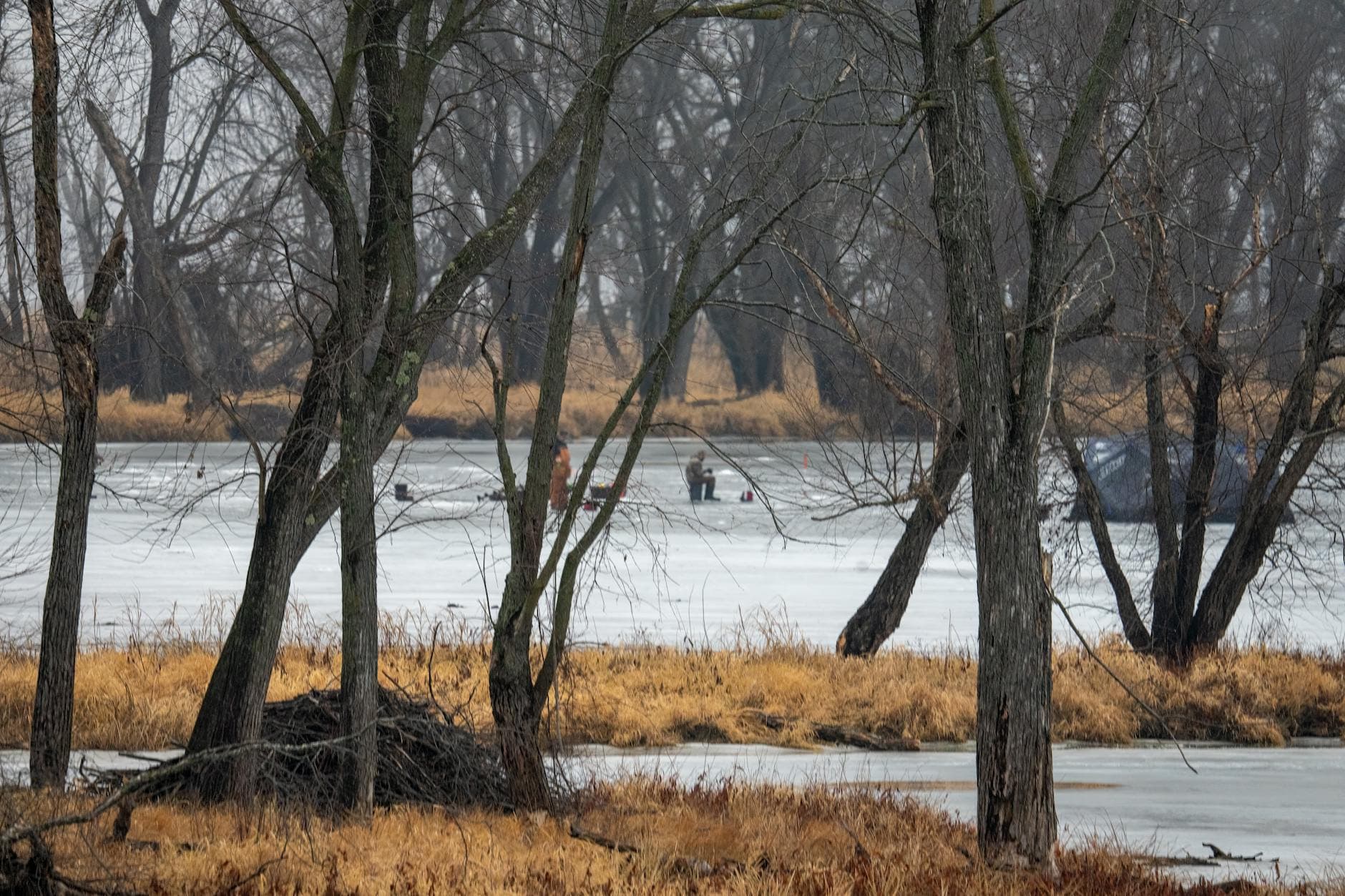
Tribal spearing kicked up a firestorm back in the ’80s and ’90s. You still hear grumbles at the bait shop now and then.
But the data presented at the Rhinelander meeting paints a clearer picture. Tribal spearing accounts for roughly 10% of the total annual harvest on most Northwoods lakes. The other 90%? That’s us — sport anglers with rods, reels, and weekend coolers.
Gene Hatzenbeler, a DNR fishery biologist, explained how they monitor populations: “What we do is we go out, electro-fish the entire shoreline trying to capture all walleyes less than twelve inches in length. Typically young of the year will range in size from four to seven and a half inches in length after that first summer.”
Those surveys determine annual quotas for everyone — tribal and non-tribal. Once a lake hits its quota for the season, harvesting stops. No exceptions.
“We don’t always agree on everything, but having the conversation is important. Ultimately we want to do the best thing to manage our fisheries.” — John Kubisiak, DNR Natural Resources Team Supervisor
Here’s something that surprised folks at the meeting: Ojibwe tribes stock millions of fish annually in Wisconsin waters. Not just in tribal territory — in lakes you and I fish every summer.
Dylan Jennings from GLIFWC put it plainly: “We very well recognize that when we stock and do a lot of these restocking efforts, we’re not just doing it for ourselves. We are doing it for the benefit of all these waters and for the benefit of all people.”
That walleye you caught last June? Might’ve come from tribal hatchery efforts. The work isn’t about taking — it’s about sustaining the resource we all depend on.
If you’re planning your 2026 fishing calendar, here’s what matters:
The DNR and GLIFWC meet regularly to adjust regulations based on what the data shows. Warming waters, invasive species, and shifting spawning patterns all factor into those decisions.
The Rhinelander meeting was one stop in a statewide tour. Next up? A February 19 gathering on 100 years of the Turtle Flambeau Flowage — another piece of Northwoods fishing heritage worth celebrating.
These aren’t just bureaucratic checkboxes. They’re conversations about how we keep our lakes healthy for the resort owner in Minocqua, the Lac du Flambeau Band member teaching his grandson to spear, and the Chicago family who rents a cabin every July.
Tourism drives our economy up here. Fishing is the heartbeat of that. When tribes and the DNR work together — sharing data, setting fair quotas, stocking fish — everyone wins.
The Northwoods has always been about coexistence. Between loggers and land, between seasons and survival, between tradition and change. Managing our fisheries is no different.
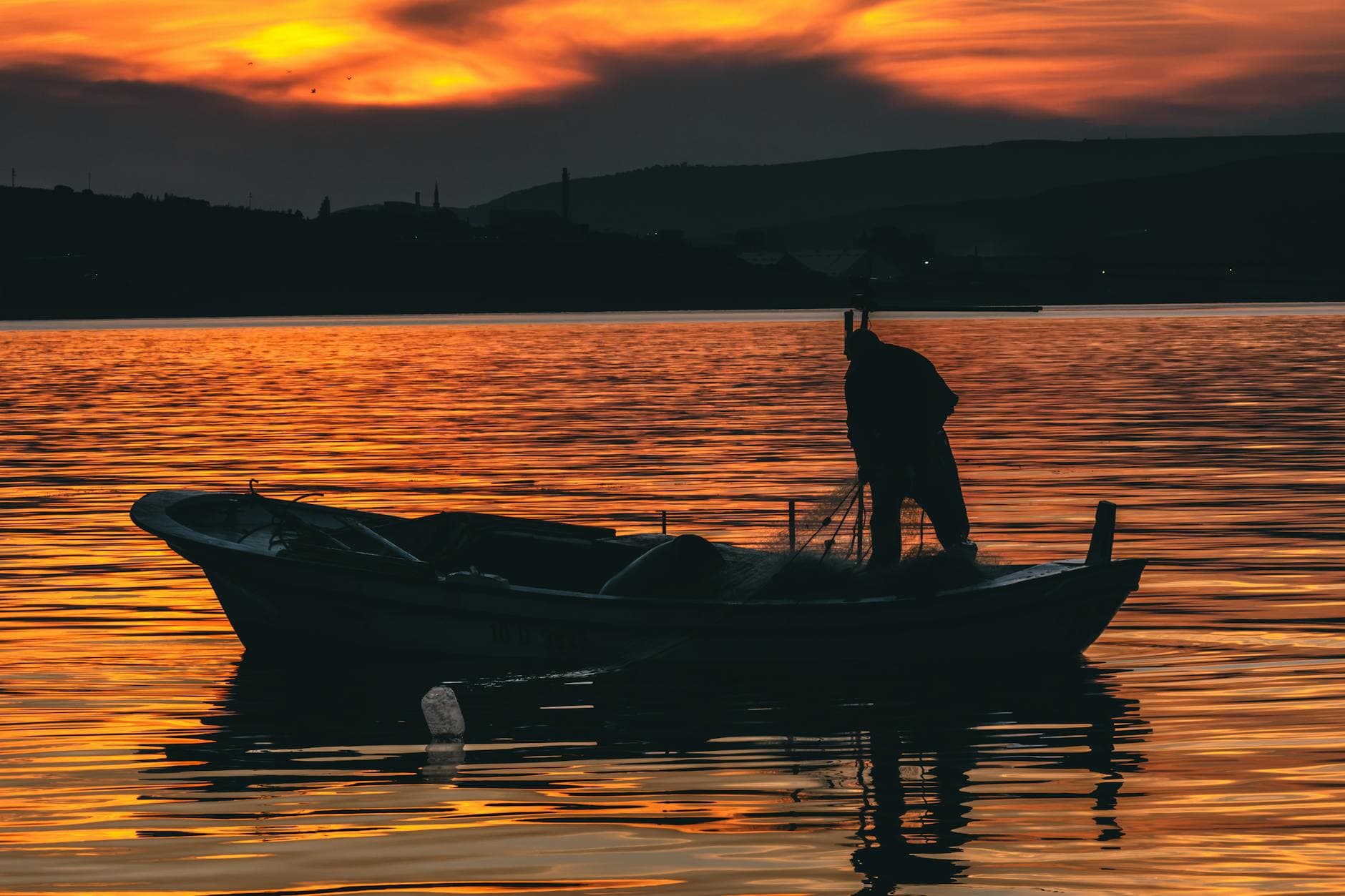
Next time you’re launching at Trout Lake or checking your tip-ups on Lac Vieux Desert, remember: you’re part of a bigger system. One with roots in 200-year-old treaties, decades of court battles, and thousands of hours of scientific monitoring.
It’s messy. It’s complicated. And yeah, not everyone agrees on every detail.
But walk into a meeting like the one in Rhinelander, and you’ll see DNR biologists and tribal resource managers poring over the same graphs, debating the same data, chasing the same goal. Healthy lakes that produce fish for generations to come.
That’s the Northwoods way. We might argue about the details over coffee at the Landing, but we all want the same thing — to keep catching fish, to keep these waters wild, and to pass it all down intact.
Check the DNR website before you head out this spring. Know the regulations. Respect the quotas. And maybe take a minute to appreciate that the system — imperfect as it is — is actually working to protect what we love most about living up here.
Written by

Mike has been coming up or living in the Northwoods since his childhood. He is also an avid outdoorsman, writer and supper club aficionado.
 News
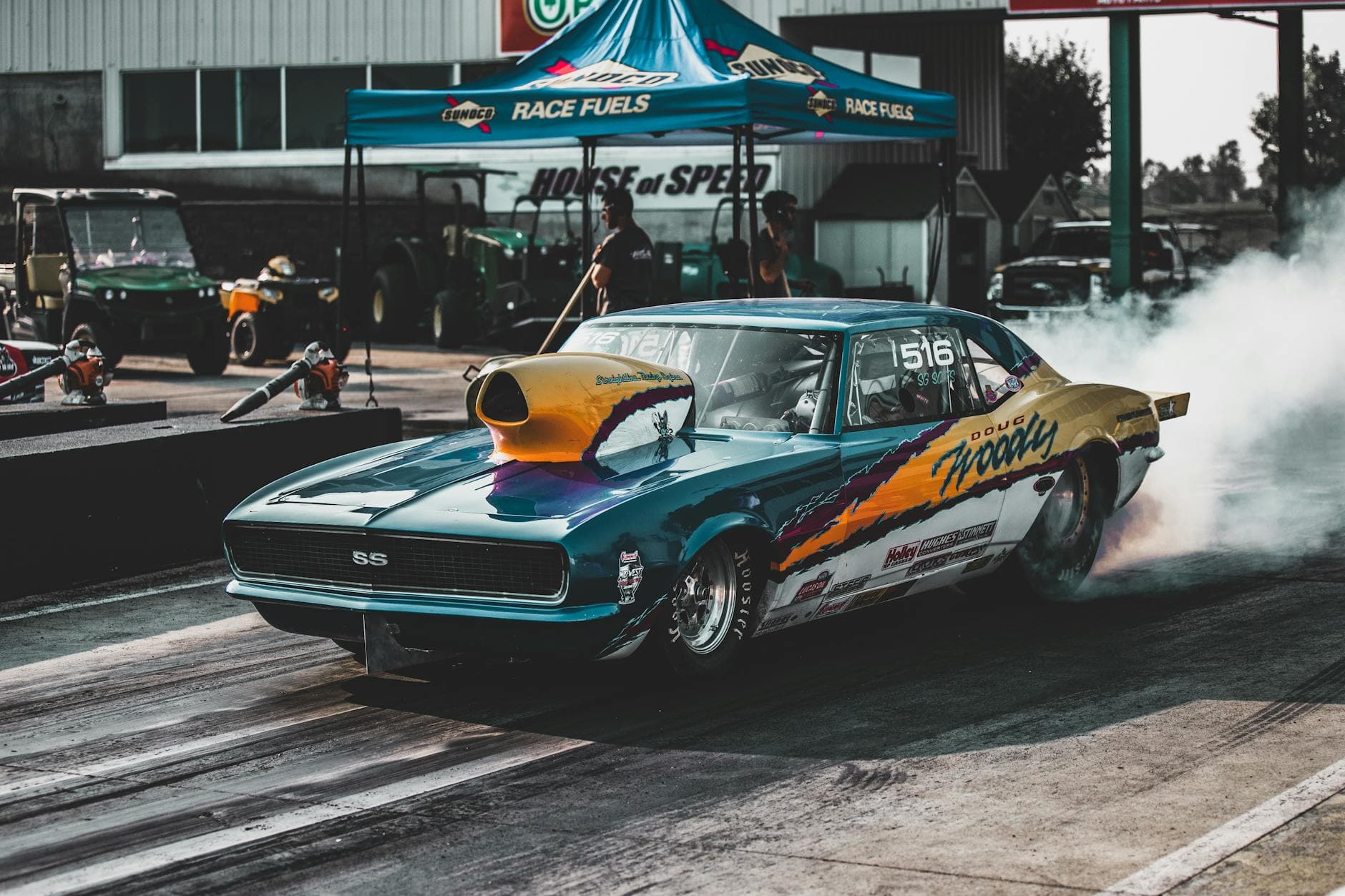
NewsThe Merrill Ice Drags turn the frozen Wisconsin River into a 1/8-mile drag strip where 14-year-old rookies race V8s against veterans, and competitors hug after beating each other. Six decades of winter tradition prove cabin fever has a cure.
 News
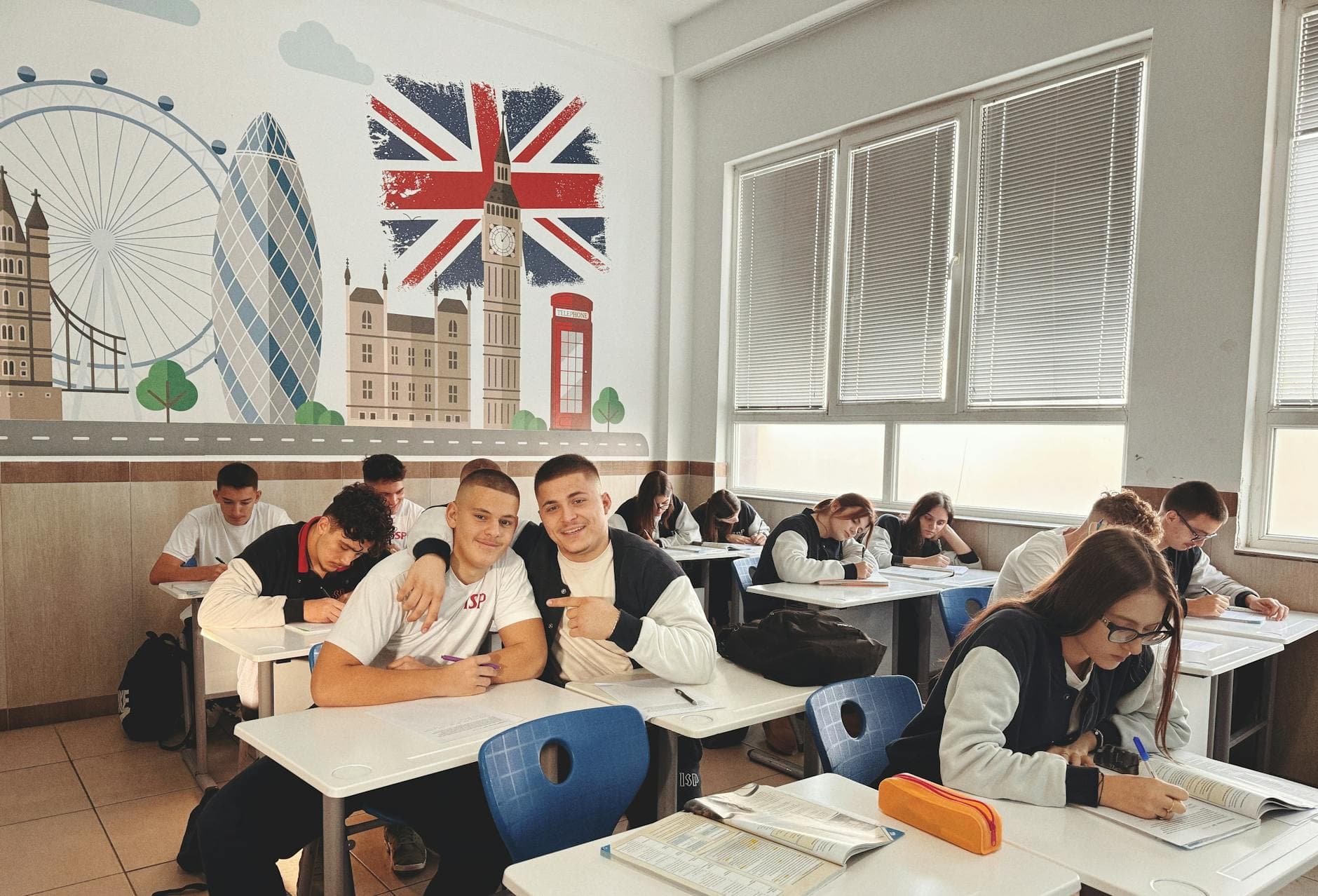
NewsLakeland Union High School brought 150 local businesses and nonprofits together for its first community breakfast, building partnerships to prepare students for careers right here in the Northwoods.
 News
NewsA Gleason teen has raised over $18,000 in four years by baking thousands of cupcakes to honor her brother killed by a drunk driver, supporting first responders across Lincoln County.
 News
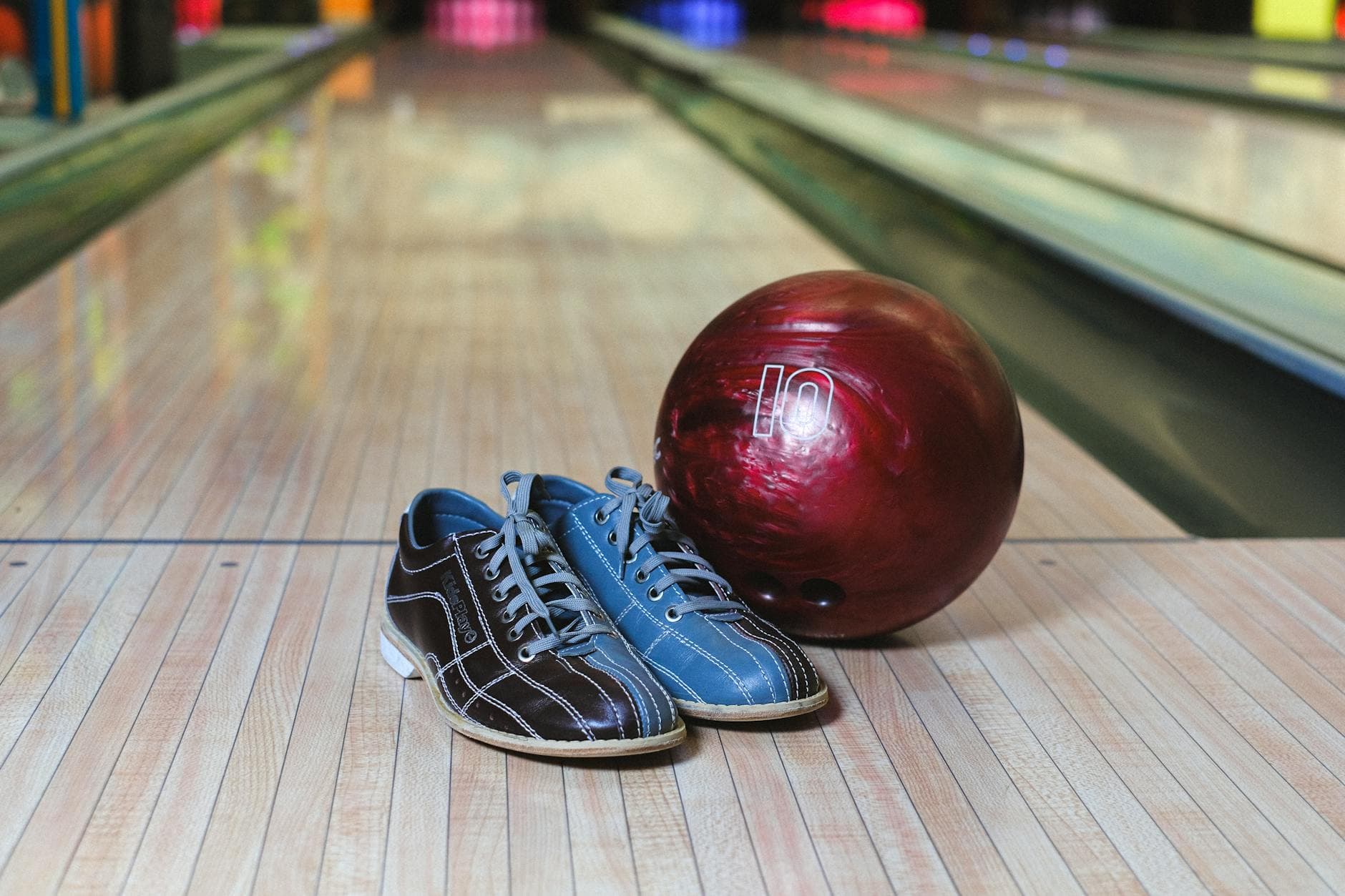
NewsThree Lakes bowler Oren Alsager became the first Rhinelander Co-op athlete to reach state since 2022. His journey from beginner to state qualifier shows what Northwoods dedication looks like.