

What is new for Northwoods Drifter in 2026
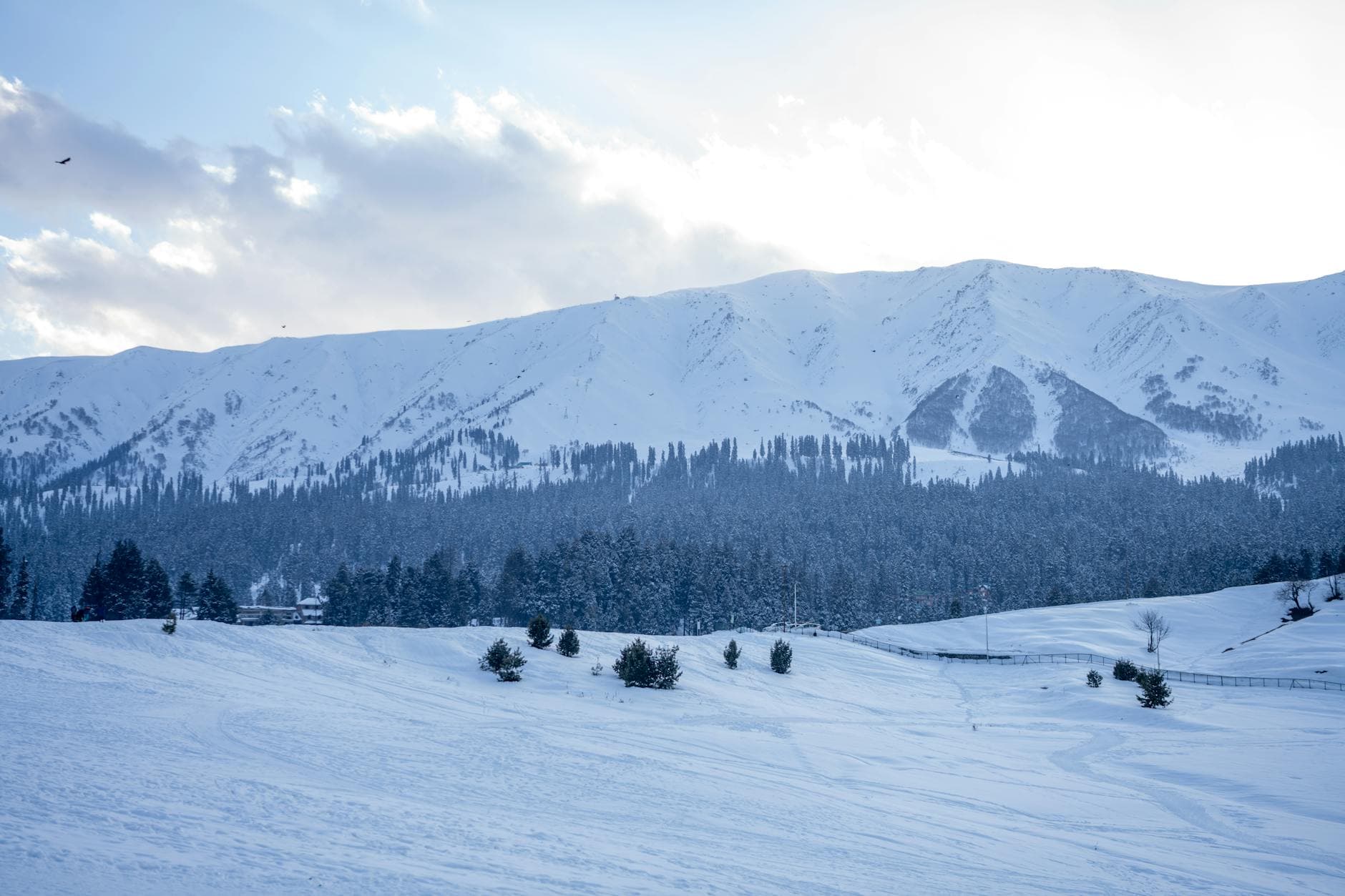
If you think we get a lot of snow here in the Northwoods, take a look west across Lake Superior. Michigan’s Keweenaw Peninsula is on track to hit 300 inches of snow this winter — that’s 25 feet, folks.
Standing alongside Highway 41 near Calumet is a 27-foot snow gauge they call the “Snow Thermometer.” A big red arrow marks last year’s total. This year? They’re gonna need to move that arrow up.
For those of us who measure winter success by snowmobile trail conditions and ice fishing access, the Keweenaw offers a glimpse into what extreme winter really means — and why some communities not only survive it, but celebrate it.
The Keweenaw Peninsula juts out into Lake Superior like a beckoning finger. That geography makes all the difference.
When arctic air sweeps across the relatively warmer lake water, it picks up moisture and dumps it as lake-effect snow on the peninsula’s northern tip. Year after year, this natural process delivers an average of 250 inches. Some winters, like the record-breaking 1978-79 season, it dumped a staggering 390 inches.
Sound familiar? We get our own version of this phenomenon along the southern shore of Lake Superior in Iron and Ashland counties. The difference is scale — the Keweenaw catches it from multiple angles, sitting exposed in the lake like a snow magnet.
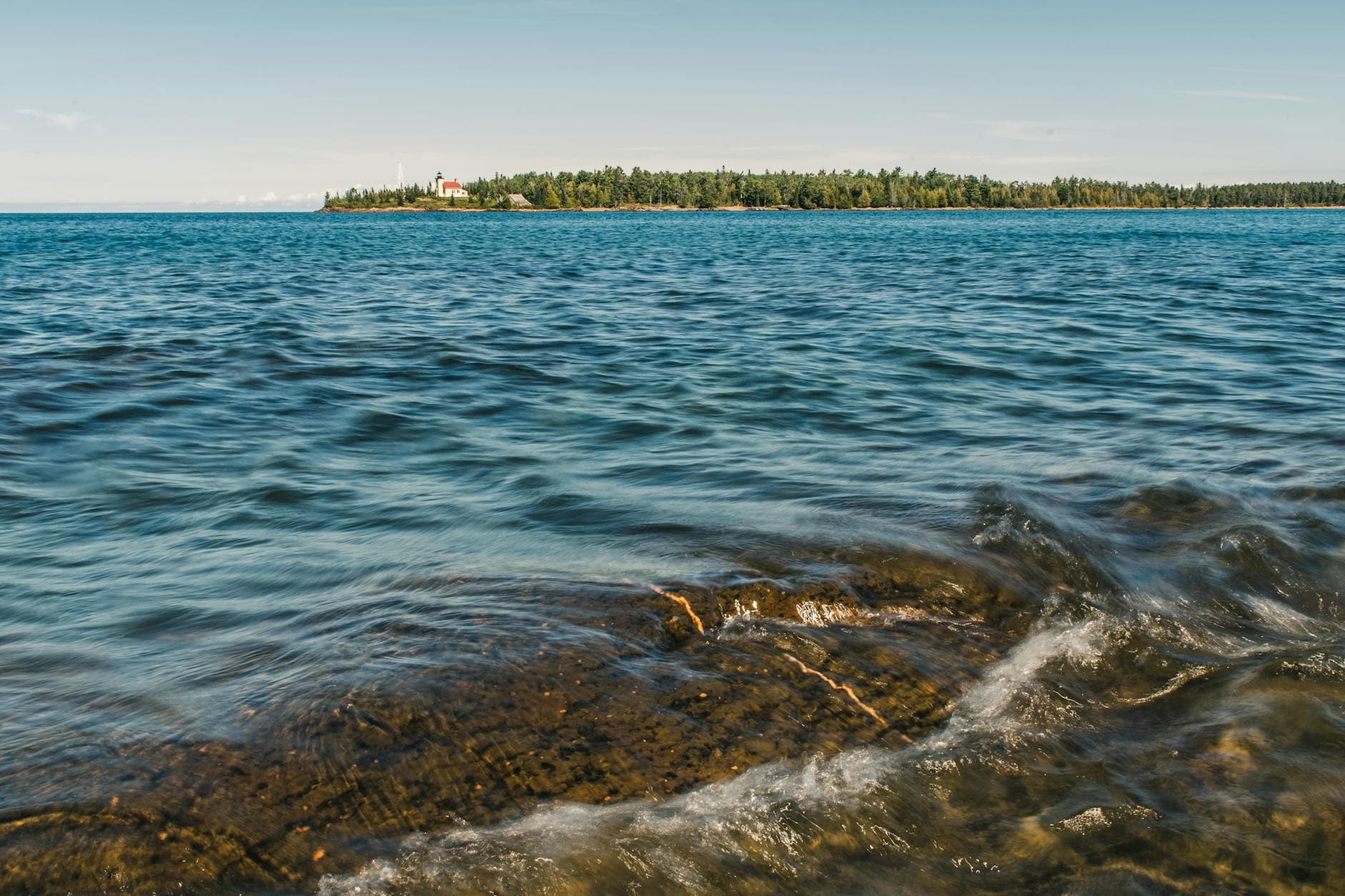
You’d think 25 feet of snow would keep people away. Turns out, it’s exactly what draws them in.
Visit Keweenaw reported 64,000 tourists visited last winter, most of them coming specifically for the deep snow. Snowmobilers dream of powder like this. Cross-country skiers and fat bikers find trail conditions that last well into April.
“A lot of people have never seen this much snow,” said Jesse Wiederhold, managing director at Visit Keweenaw. “To be here and experience it makes you a fan of winter.”
That sentiment resonates here in the Northwoods. We know that winter isn’t something to endure — it’s something to use. The difference between a hard winter and a great winter often comes down to your equipment and your attitude.
When you get 300 inches of snow, you’re not dealing with weather anymore. You’re living inside a different season entirely — one that reshapes the landscape and redefines what’s possible outdoors.
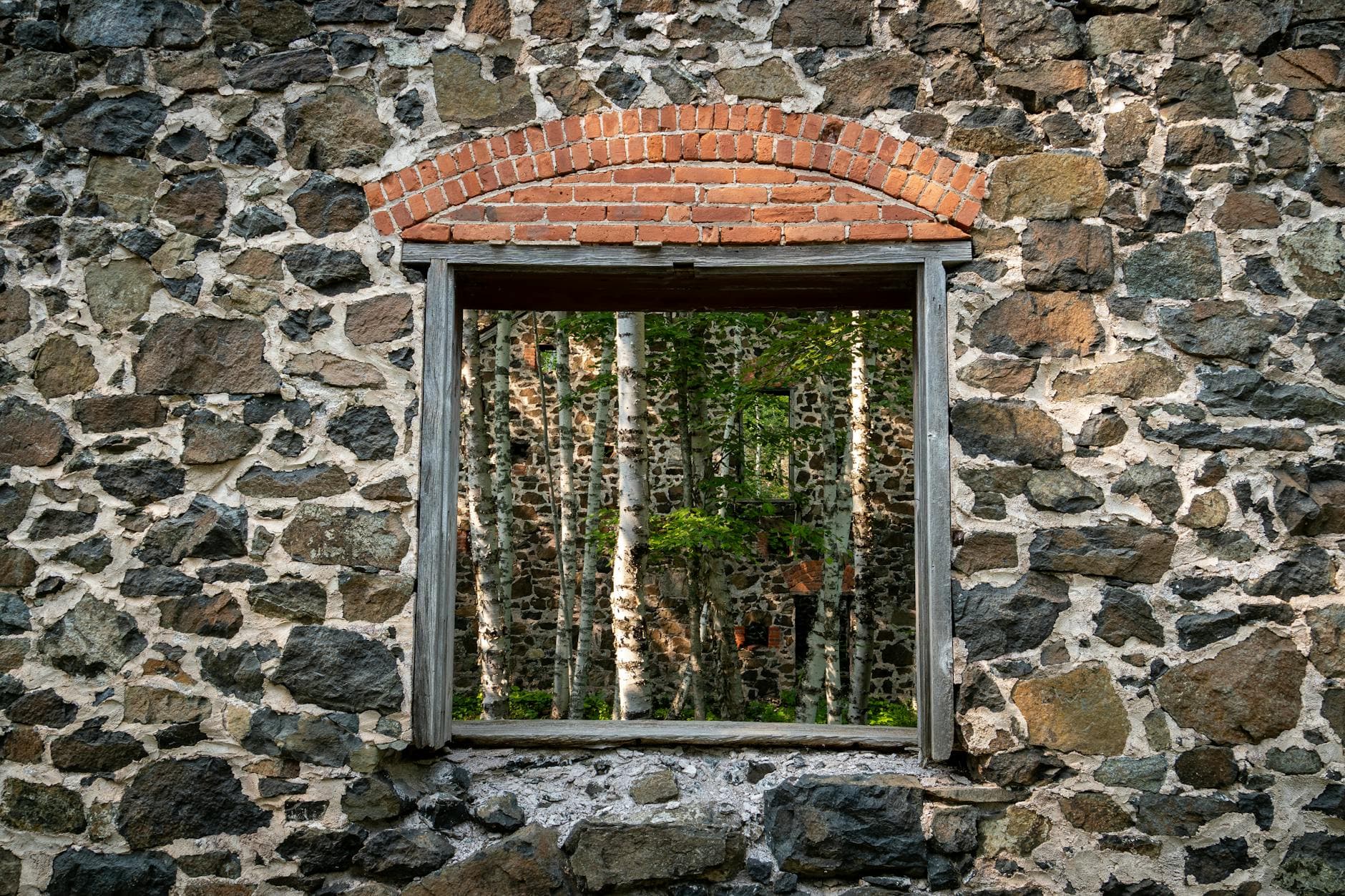
The Keweenaw wasn’t always a winter playground. For thousands of years, it was a copper mine — literally.
Indigenous peoples extracted copper there for at least 8,000 years. When industrial mining arrived in the 1840s, the boom was on. At its peak, the Keweenaw supplied 60% of the nation’s copper. Nearly 11 billion pounds came out of those mines.
Cities like Chicago and Detroit were electrified with Keweenaw copper. The roads, train tracks, and bridges you see there today were all built to move ore, not tourists.
When the mines closed, the region could have become a ghost town. Instead, it reinvented itself around what it had in abundance: snow, scenery, and Lake Superior. That transition holds lessons for any resource-dependent community, including our own timber and tourism towns here in the Northwoods.
The Keweenaw’s success with snow tourism didn’t happen by accident. Here’s what they’re doing right:
We’ve got similar advantages right here. Vilas County alone has over 1,300 lakes. Our trail systems connect communities. We’ve got the same lake-effect snow patterns, just slightly less intense.
The question isn’t whether we can compete with 300 inches. It’s whether we’re making the most of the 100+ inches we already get.
The current season sits at around 290 inches as of late winter, comfortably ahead of last year’s 27-foot total. But it’s still well short of that 1978-79 record of 390 inches — a winter so severe it remains the benchmark nearly 50 years later.
On the other end of the spectrum, the Keweenaw saw just 81 inches during the 1930-31 winter, proving that even snow country has its off years. That kind of variability is something every Northwoods business owner understands. You plan for average, prepare for extremes, and stay flexible.
Historic patterns suggest February snowfall typically moderates after heavy December and January accumulation, usually adding around 50 inches. Whether this season crosses the 300-inch threshold will depend on late-winter storm tracks — the same systems that determine whether our own March brings one last big dump or an early thaw.
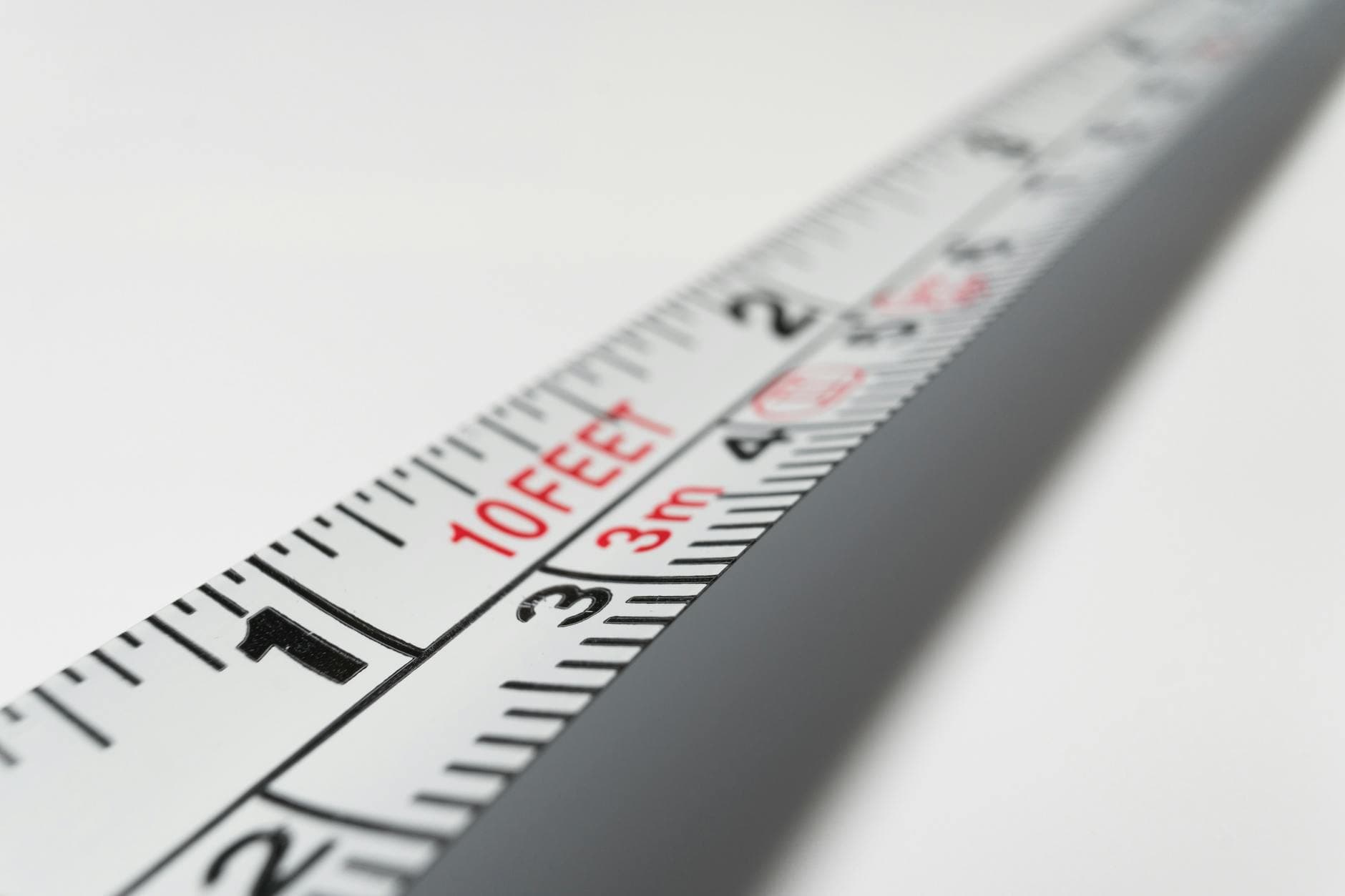
There’s something about a 27-foot snow gauge that captures the imagination. It’s not just measurement — it’s a statement.
The Keweenaw is saying: this is who we are. We don’t just get winter. We get winter.
Here in the Northwoods, we understand that identity. Our towns don’t shut down when the snow flies. We gear up. The bars stay open, the gas stations keep the coffee hot, and the trail groomers head out at 3 a.m. to lay fresh corduroy.
Maybe we don’t hit 300 inches every year. But we know what the Keweenaw knows: winter isn’t an obstacle. It’s an opportunity. And the people who recognize that — whether they live here or visit here — become part of something bigger than weather.
They become winter people. And winter people? We’re a different breed entirely.
Written by

Mike has been coming up or living in the Northwoods since his childhood. He is also an avid outdoorsman, writer and supper club aficionado.
 News
NewsThe Merrill Historical Society’s new “Powered by Imagination” exhibit brings 100 years of toys to life—from 1920s Buddy L trucks to ’90s video games—creating connections across generations in the heart of Wisconsin’s Northwoods.
 News
NewsUWSP men’s basketball returns to the NCAA Division III Tournament for the first time since 2018, as coach Kent Dernbach’s rebuilt squad faces Mary Hardin-Baylor on Friday in their quest to reclaim championship glory.
 News
NewsAfter a temporary closure last summer, Tri-County Council on Domestic Violence & Sexual Assault has reopened in Rhinelander with new staff and a mission to expand services across Forest, Oneida, and Vilas counties.
 News
NewsNorthwoods Dentistry in Phillips becomes Wisconsin’s first dental practice to offer Emface, an FDA-cleared treatment using gentle electrical pulses and heat to relieve TMJ pain without surgery.