

What is new for Northwoods Drifter in 2026
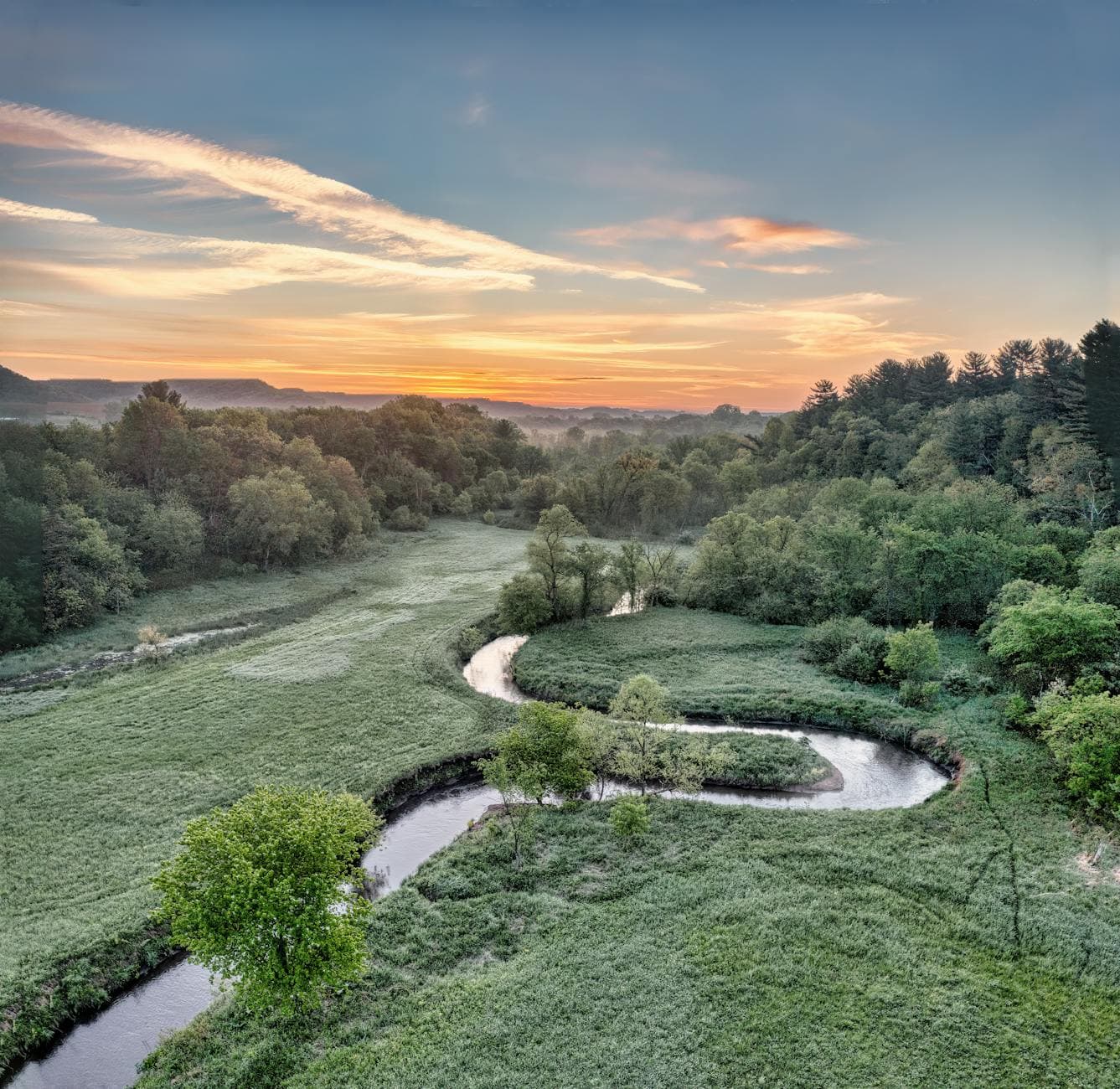
A new statewide effort is putting the Northwoods front and center in planning the future of Wisconsin’s forest economy. The Wisconsin Forests FIRST initiative — short for Forest Industry Roadmap and Strategies for Tomorrow — aims to answer a critical question for our region: how do we keep our forests healthy while ensuring the timber industry that drives our economy stays strong for generations?
With a $1 million state grant backing the project, forest industry leaders and researchers are diving deep into the challenges facing logging operations, sawmills, and paper producers across northern Wisconsin. It’s the kind of long-term thinking our timber-dependent communities need.
For anyone who’s watched logging trucks roll through Rhinelander at dawn or seen a mill close in a neighboring town, this initiative matters.
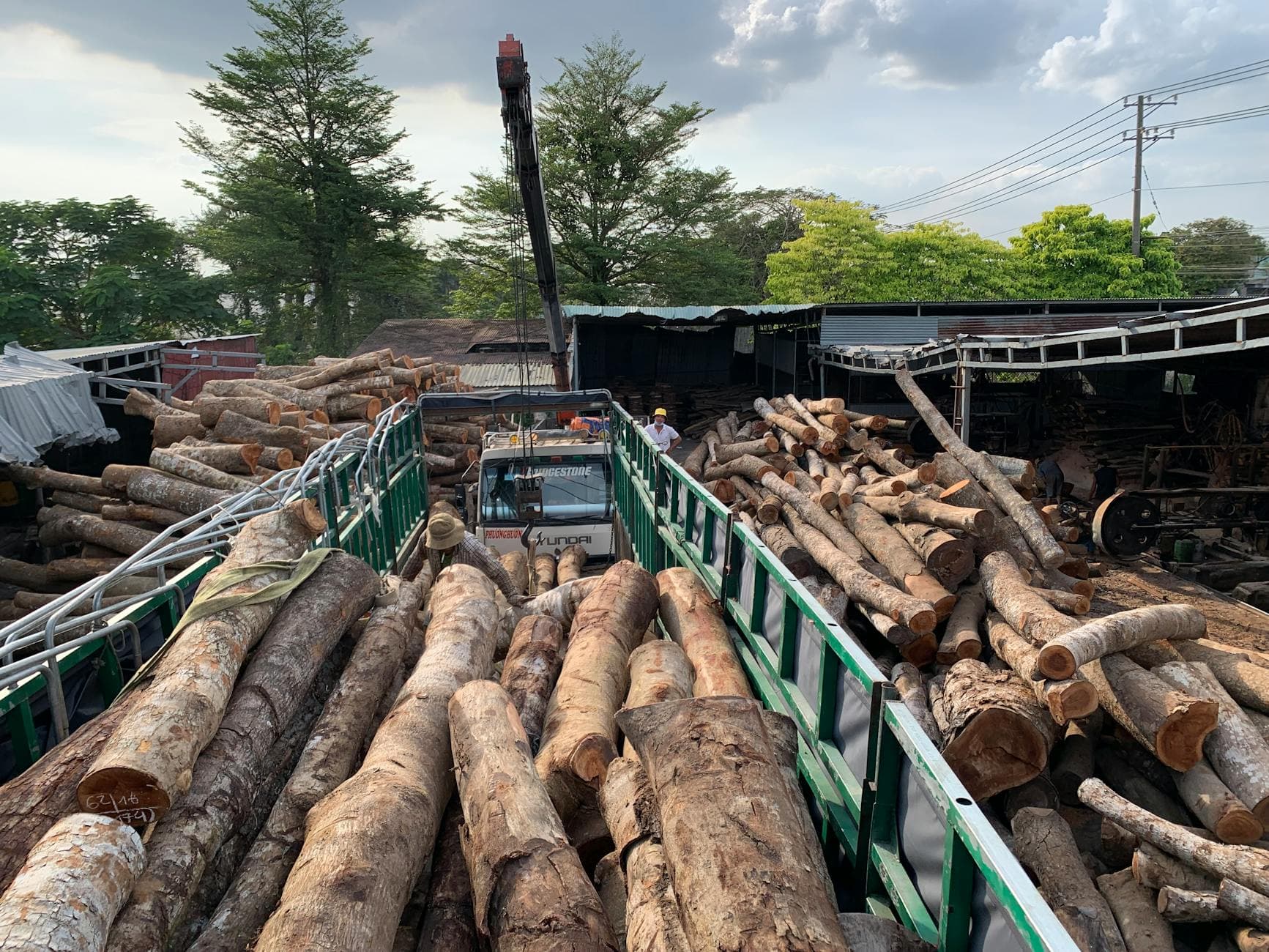
The research phase runs through the end of 2027, bringing together the Great Lakes Timber Professionals Association, Wisconsin Paper Council, and Wisconsin Council on Forestry. Their goal? Create a roadmap based on hard data rather than guesswork.
Tom Hittle, chair of the Wisconsin Council on Forestry, explained what stakeholders can expect from the effort. The strategic plan will analyze Wisconsin’s forest industry connections, identify where the sector excels, and pinpoint challenges threatening its future.
Camoin Associates is managing the project, coordinating with an executive committee and steering group. They’ll examine everything from wood fiber supply chains to workforce shortages — issues that directly impact jobs in Oneida, Vilas, and Iron counties.
“We’ll be looking at various components of the fiber supply chain, workforce, policy, and other challenges that our industry is facing at this point. From a broad perspective and then ultimately boiling that down to the point where we can make actionable recommendations.” — Tom Hittle, Wisconsin Council on Forestry
This isn’t just academic research gathering dust on a shelf. The initiative will produce policy recommendations that forest stakeholders can actually implement.
Walk into any coffee shop in Eagle River or Mercer, and you’ll hear the conversation. Lumber prices swing wildly. Mills struggle to find workers. Forest management regulations shift. The industry that built our communities faces real pressures.
Henry Schienebeck, executive director of Great Lakes Timber Professionals, put it plainly: consumption patterns for wood products are changing, and if we want healthy forests, we need to figure out how to utilize what we’re growing.
The Northwoods depends on timber more than most regions realize. Logging, milling, and paper production provide thousands of jobs in small towns where employment options are limited. When a sawmill thrives, so do the restaurants, gas stations, and hardware stores nearby.
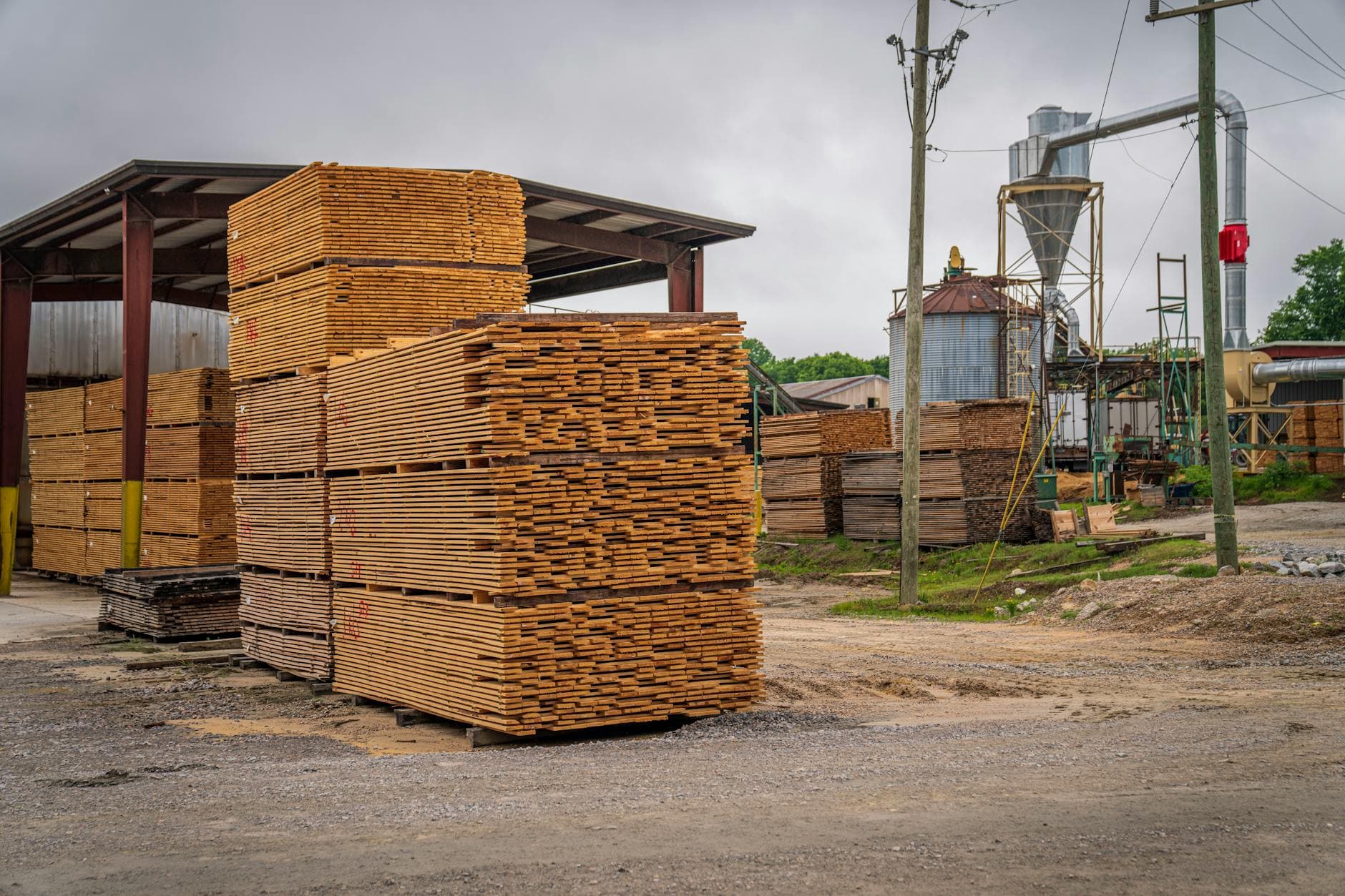
Key challenges the initiative will address include:
Each of these issues affects real families making their living in the woods.
Here’s the tricky part that makes some folks nervous: how do you increase timber industry productivity while keeping forests healthy for recreation, wildlife, and future generations?
The Forests FIRST approach focuses on sustainability rather than short-term extraction. Researchers will analyze growth rates, harvest levels, and regeneration patterns to find that sweet spot.
Anyone who’s walked the Nicolet National Forest trails or fished the Willow Flowage knows our woods are more than board feet and pulp. They’re where we hunt, hike, and show our grandkids what real wilderness looks like. The initiative recognizes forests serve multiple purposes — economic, recreational, and ecological.
Scott Suder of the Wisconsin Paper Council emphasized the proactive nature of the planning. Rather than reacting to crises after mills close or forest health declines, stakeholders want a roadmap built on solid research and community input.
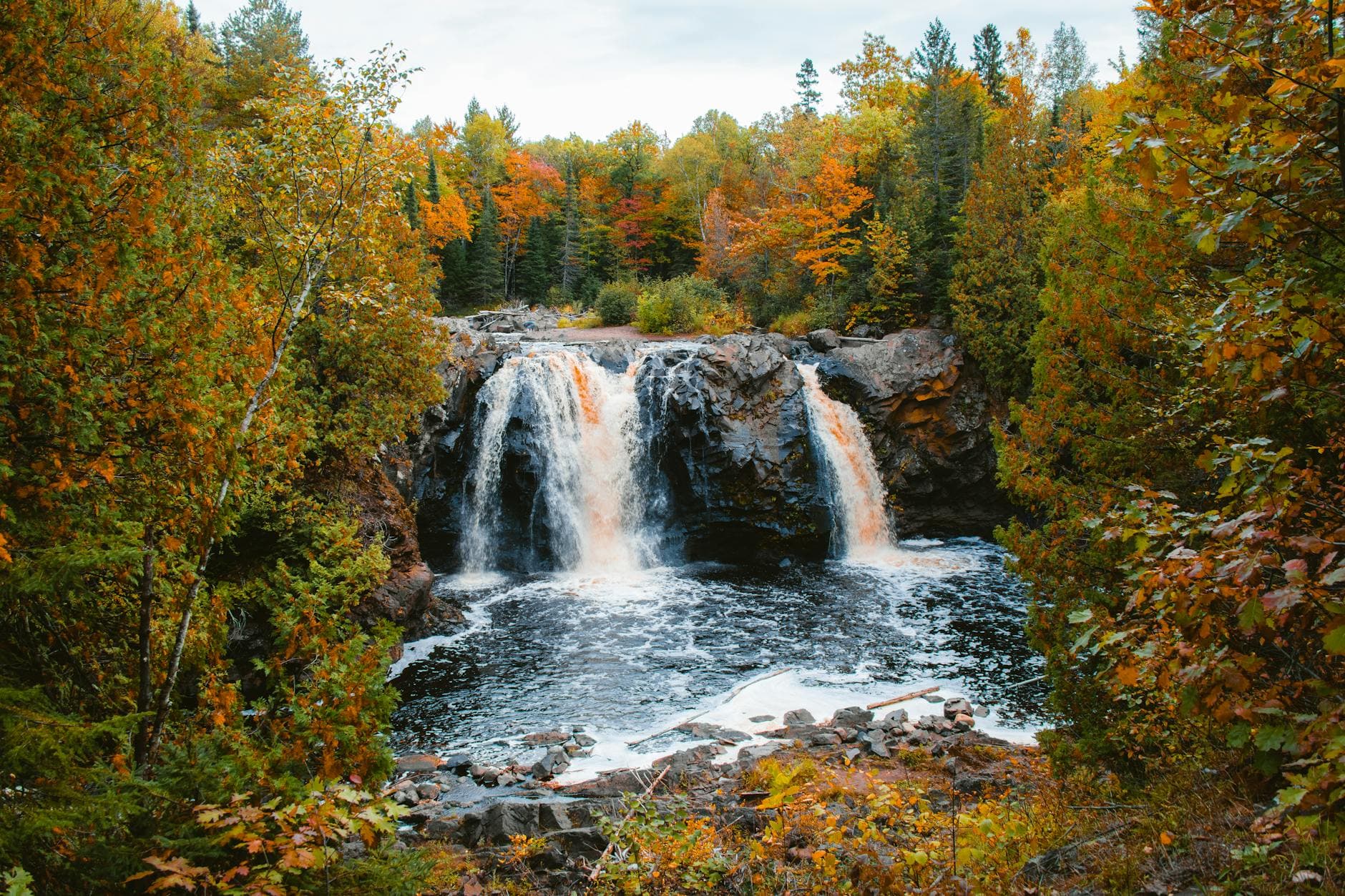
If the initiative succeeds, the benefits ripple through every forest-dependent town in northern Wisconsin. Stable timber jobs mean families can afford to stay in the region. Thriving mills support tax bases that fund schools and roads.
The recommendations coming in 2027 could shape forestry policy for decades. Will they identify new markets for underutilized wood species? Propose workforce training programs? Suggest policy changes that make sustainable logging more profitable?
Local leaders are watching closely. Small towns can’t afford to lose more manufacturing jobs, and the forest products sector represents one of our most promising long-term industries. Unlike tourism, which depends on seasonal visitors, timber provides year-round employment.
The Wisconsin Council on Forestry will post regular updates on their website as research progresses. For those who care about the Northwoods economy, it’s worth checking in periodically.
Two years might seem like a long time to wait for results, but comprehensive forest planning can’t be rushed. The team needs to gather data from dozens of sources, consult hundreds of stakeholders, and model various scenarios.
By late 2027, when the roadmap is complete, Wisconsin’s forest community will have something it’s lacked — a unified, data-driven strategy that balances economic needs with environmental stewardship.
The Northwoods has weathered boom-and-bust timber cycles before, from the pine logging era that cleared millions of acres to the recovery that followed. This initiative represents a more measured approach, planning for abundance rather than depletion.
Whether you’re a logger, a paper mill worker, a conservation volunteer, or simply someone who loves our northern forests, the Forests FIRST effort deserves attention. The decisions made in the next two years will shape the landscape — literally and economically — that our kids inherit.
That’s something worth getting right.
Written by

Mike has been coming up or living in the Northwoods since his childhood. He is also an avid outdoorsman, writer and supper club aficionado.
 News
NewsCulver’s in Rhinelander donated 10% of Sunday sales to Wild Instincts wildlife rehab center, raising funds for the busy spring season when young animals need the most help.
 News
NewsLanglade County Health Department’s new interactive map pinpoints substance misuse resources across Antigo, reducing stigma and barriers to treatment for families seeking help in rural Wisconsin.
 News
NewsRhinelander’s Hawgs and Dawgs camp brings Wisconsin Badgers players north each spring to coach youth football inside the Hodag Dome, creating rare access to Division I talent for Northwoods athletes.
 News
NewsEvercon 2026 brought over 2,500 gamers, cosplayers, and families to Rothschild for three days of board games, video tournaments, and community connection — proving central Wisconsin’s gaming scene is thriving.