

What is new for Northwoods Drifter in 2026
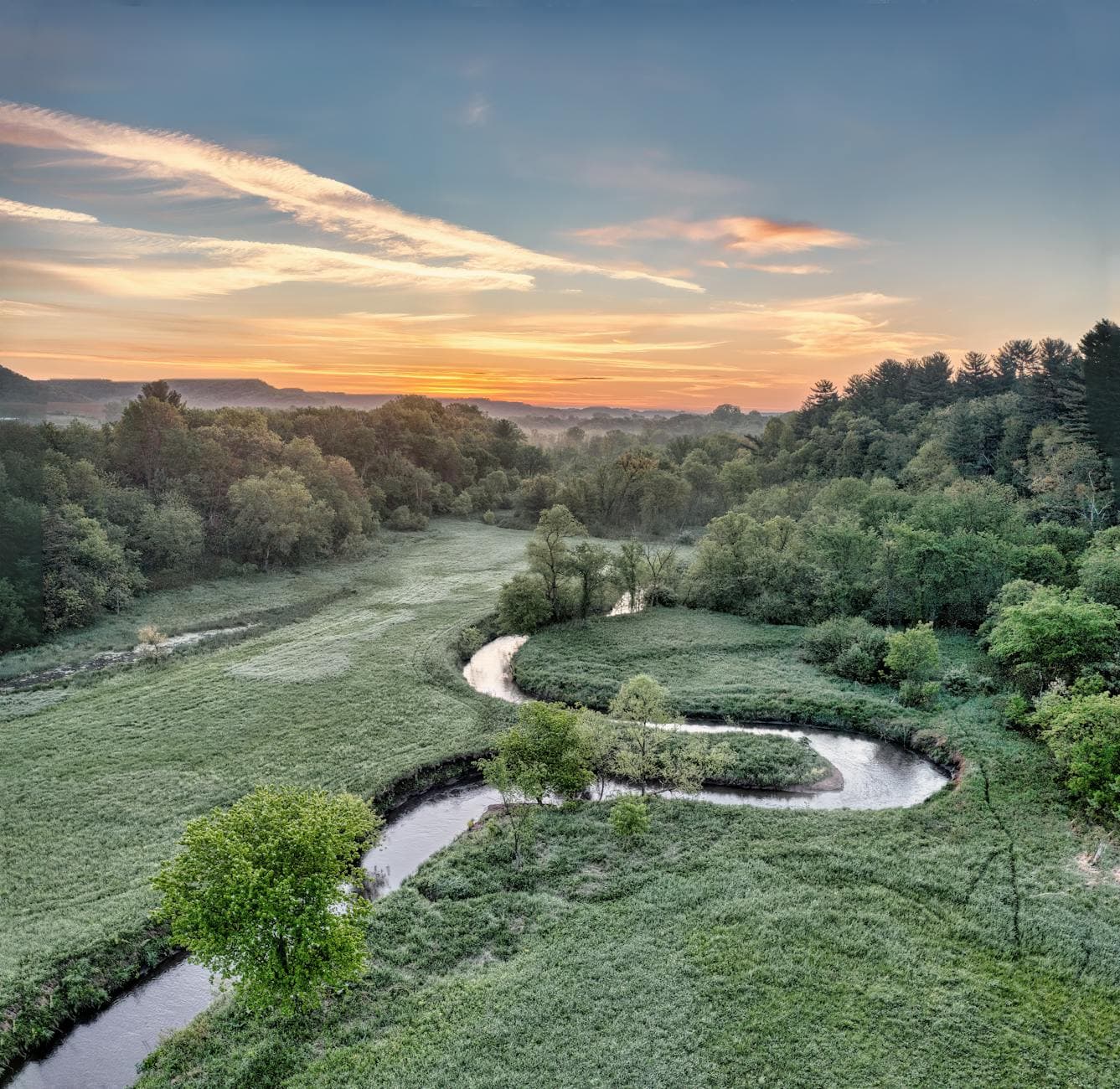
The hum of sawmills and the thud of logging equipment have defined the Northwoods economy for generations. Now, a $1 million statewide initiative aims to make sure those sounds keep echoing through our forests for decades to come.
Wisconsin Forests FIRST — short for Forest Industry Roadmap and Strategies for Tomorrow — launched in early 2026 with a mission that hits close to home. The two-year project will develop a comprehensive plan to keep our forests healthy while strengthening the timber industry that employs thousands of our neighbors.
For those of us up north, this isn’t just policy talk. It’s about making sure the next generation can still earn a living from the land.
Walk through downtown Rhinelander, Eagle River, or Minocqua, and you’ll see how deeply timber runs through our communities. The industry touches everything from paper mills to logging operations to the local hardware store.
Tom Hittle, chair of the Wisconsin Council on Forestry, explains the roadmap will dig into the details. “We’ll be looking at various components of the fiber supply chain, workforce, policy, and other challenges that our industry is facing,” he says.
The research will produce several key outcomes:
Henry Schienebeck, Executive Director for Great Lakes Timber Professionals, puts it plainly: “If we’re gonna keep a healthy forest, we’ve got to figure out how we’re gonna utilize the wood that we’re growing.”
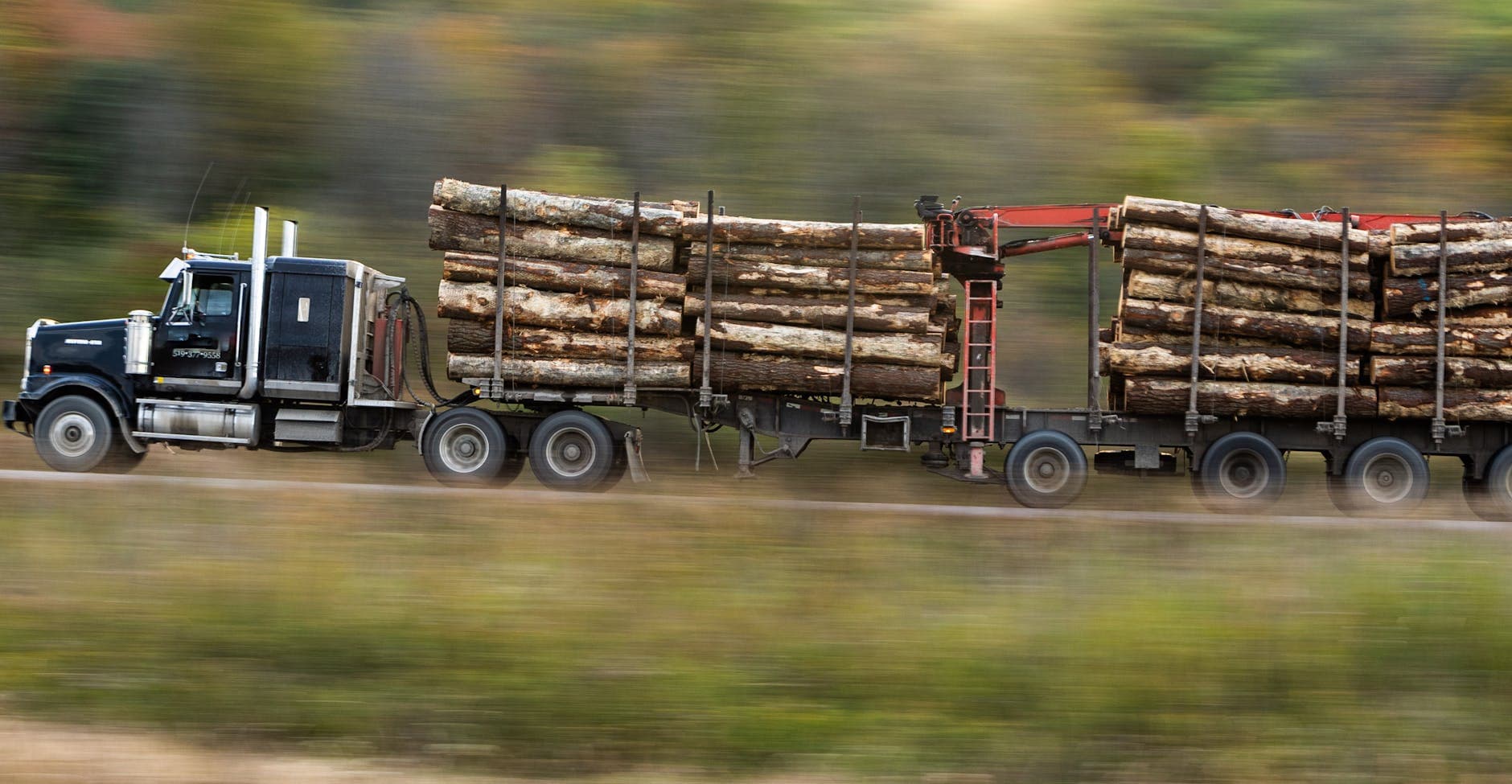
The state awarded the million-dollar grant to two organizations that know our woods inside and out. The Great Lakes Timber Professionals Association and the Wisconsin Paper Council are leading the charge, working alongside the Wisconsin Council on Forestry.
They brought in Camoin Associates as project manager after a competitive selection process. The firm brings national expertise in strategic planning for forest industries.
The timeline runs through December 2027. That gives researchers two full years to gather data, talk to stakeholders, and build a roadmap that actually works for real operations.
Scott Suder, President of the Wisconsin Paper Council, frames the urgency well. “We want to have a plan for the future, not just respond to what’s happening or what we think will happen,” he notes.
The timber industry is one of the leading economic factors in Wisconsin, especially in the Northwoods, where forest-dependent jobs anchor entire communities.
Things are shifting under our feet. Wood consumption patterns are changing. Global markets are evolving. The way we manage forests today determines whether our kids can still make a living in timber tomorrow.
The roadmap won’t just identify problems — it’ll deliver actionable recommendations that forestry stakeholders can actually pursue. No pie-in-the-sky theorizing, just practical steps forward.
You might be wondering what a strategic roadmap means for someone who just appreciates a good deer stand or a weekend at the cabin.
Here’s the connection: healthy forests need active management. That means timber harvests, thinning operations, and ongoing stewardship. The industry that performs that work needs to remain viable.
The initiative will examine workforce challenges too. Finding skilled loggers, mill workers, and foresters gets harder every year. Addressing those gaps helps ensure someone’s around to manage the woods responsibly.
Plus, the project will look at regulatory hurdles that sometimes slow down good forestry practices. Streamlining those processes benefits conservation and commerce alike.
The Wisconsin Council on Forestry will post updates, meeting announcements, and draft materials on their webpage throughout the project. They’re forming a steering committee of industry leaders and subject matter experts from across the state.
This is one of those rare chances where public input can actually shape policy before it’s set in stone. Whether you work in timber, own forest land, or just care about keeping the Northwoods economy strong, your voice matters.
The final roadmap in 2027 will inform everything from investment decisions to workforce training programs. It’ll guide how Wisconsin positions itself in global timber markets while protecting the resource that makes our region special.
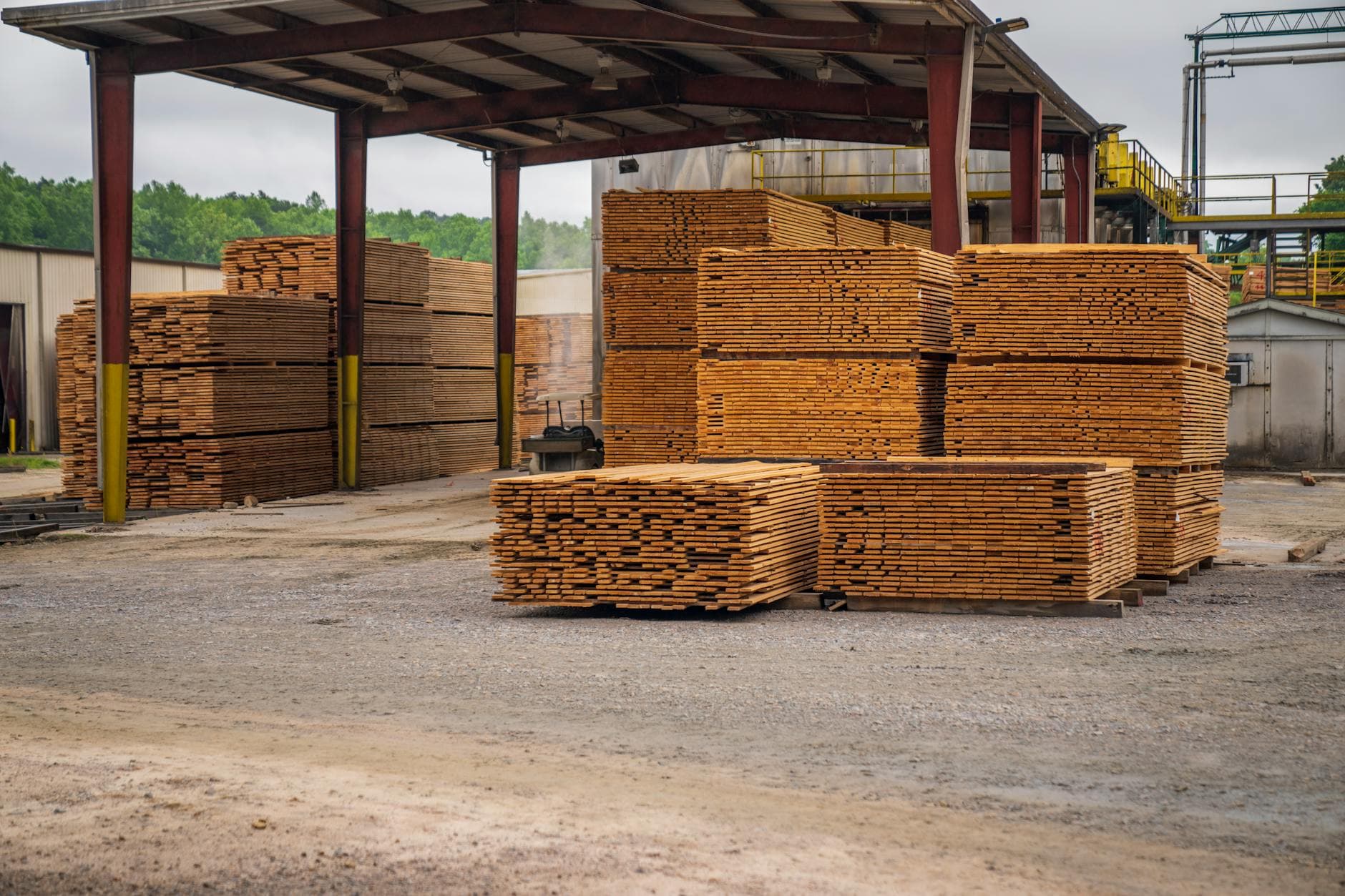
Until then, the work continues — in the woods, at the mills, and now in the planning rooms where our forest future is taking shape. The trees we plant today become the economy of tomorrow, and this roadmap aims to make sure we’re planting wisely.
Written by

Mike has been coming up or living in the Northwoods since his childhood. He is also an avid outdoorsman, writer and supper club aficionado.
 News
NewsCulver’s in Rhinelander donated 10% of Sunday sales to Wild Instincts wildlife rehab center, raising funds for the busy spring season when young animals need the most help.
 News
NewsLanglade County Health Department’s new interactive map pinpoints substance misuse resources across Antigo, reducing stigma and barriers to treatment for families seeking help in rural Wisconsin.
 News
NewsRhinelander’s Hawgs and Dawgs camp brings Wisconsin Badgers players north each spring to coach youth football inside the Hodag Dome, creating rare access to Division I talent for Northwoods athletes.
 News
NewsEvercon 2026 brought over 2,500 gamers, cosplayers, and families to Rothschild for three days of board games, video tournaments, and community connection — proving central Wisconsin’s gaming scene is thriving.