

What is new for Northwoods Drifter in 2026
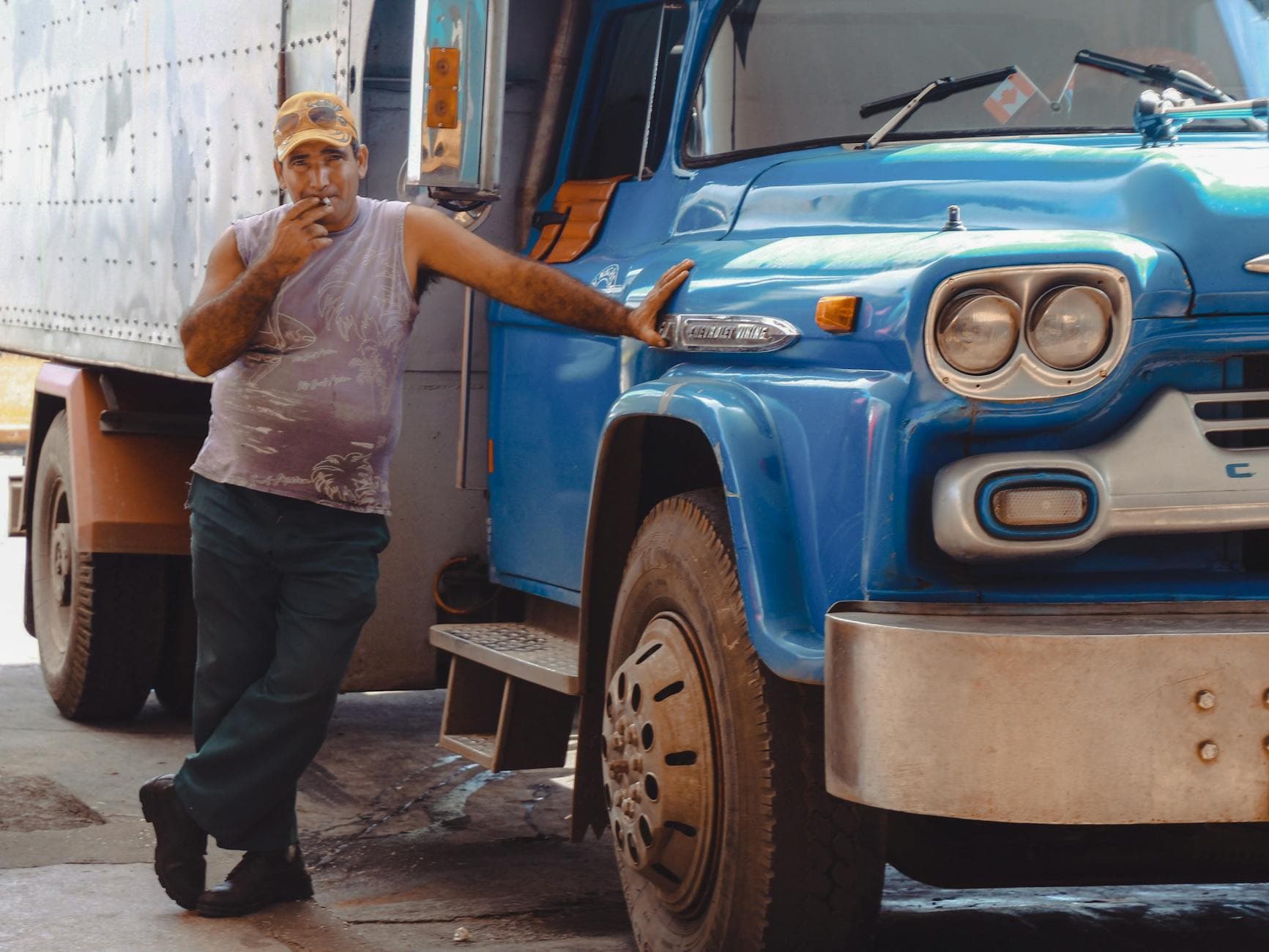
When Marathon Cheese Transport in Marathon City needs a new driver, they’re not just looking for someone with a CDL. They’re hoping to find someone under 60 years old — and that’s become nearly impossible.
“If we find a 40-year-old, we think we have a really young driver,” says Marty Robbins, the company’s Director of Fleet Operations. It’s a challenge echoing across the Northwoods and beyond, where aging truck drivers are retiring faster than younger workers are stepping up to replace them.
A $30,000 state grant to Northcentral Technical College aims to change that by training the next generation of truckers right here in central Wisconsin.
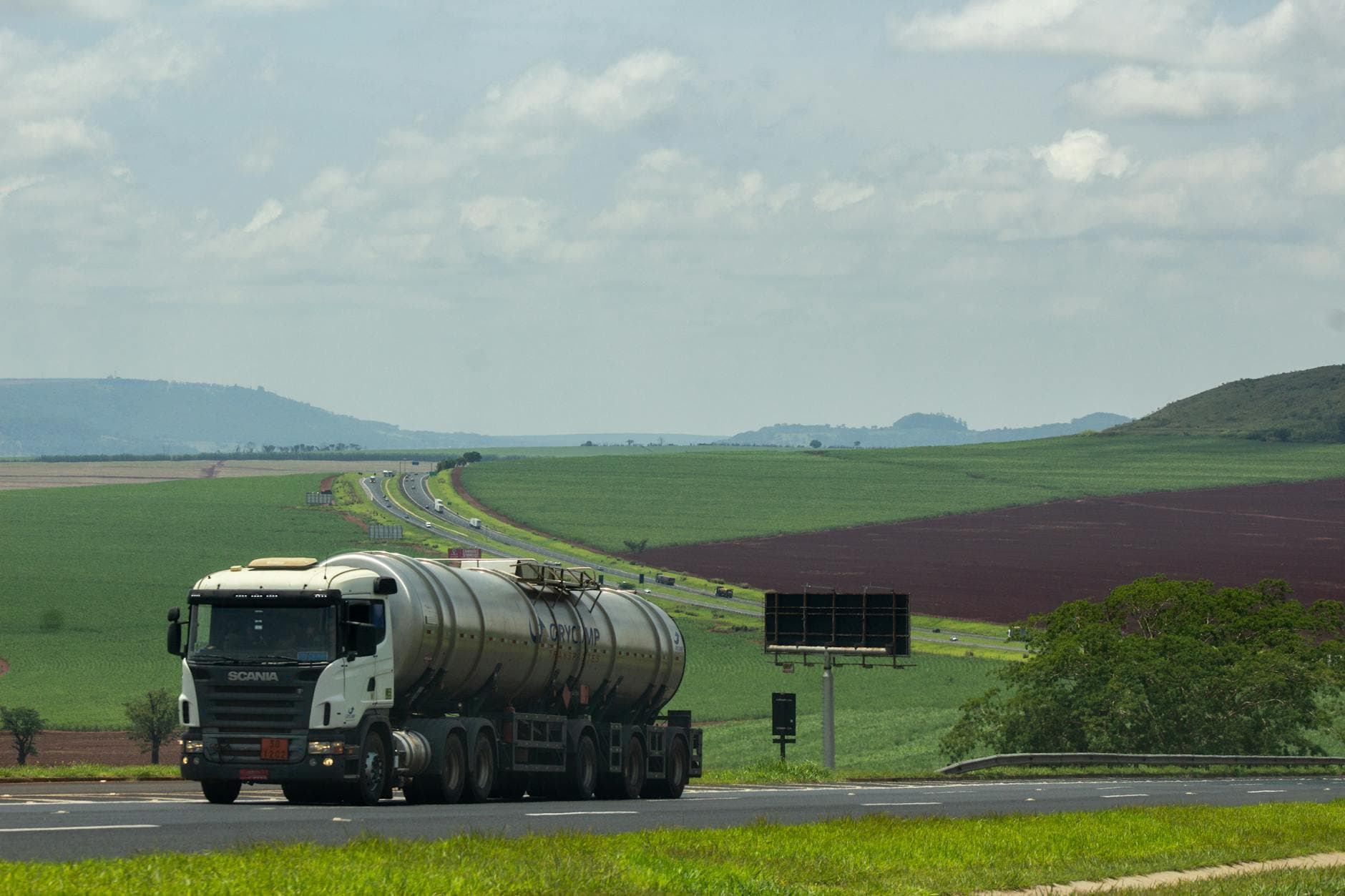
Steve Manecke has been driving trucks for Marathon Cheese Transport for 40 years. When he started, training meant his boss put him in a seat, showed him how to shift, and said “drive it home.”
That was enough back then. Today, Manecke represents something increasingly rare in the industry: multi-generational commitment to trucking as a career.
“My dad was a driver all his life,” he explains. “It just kind of ran in the family.”
But those family traditions aren’t sustaining the workforce anymore. The average truck driver in America is now 46 years old, with significantly more drivers over 55 than entering the profession in their 20s and 30s. By 2028, the shortage could balloon to 160,000 drivers nationwide if current trends continue.
For Northwoods businesses that rely on trucking to move everything from cheese to lumber to tourism supplies, that’s not just a statistic. It’s a threat to the regional economy.
At NTC’s campus in Merrill, the eight-week CDL Training Program looks nothing like Manecke’s on-the-job crash course decades ago.
Students split time between classroom theory and hands-on driving skills. Instructor Howard Pulkowski guides them through backing maneuvers that will become their CDL skills test, while classroom sessions cover everything from mountain driving to night hauls.
“We have a lot of theory,” Pulkowski says. “Students are learning how to be safe going up and down mountains, how to handle night driving, trip planning, log booking.”
“It is intense how many truck drivers we really need. We can’t get them through the program fast enough.” — Howard Pulkowski, CDL Instructor
The Job Center of Wisconsin currently lists more than 500 positions requiring a CDL. Wisconsin actually ranks highest in the nation for trucking job postings — 29.3 per 100,000 people — making it ground zero for the driver recruitment challenge.
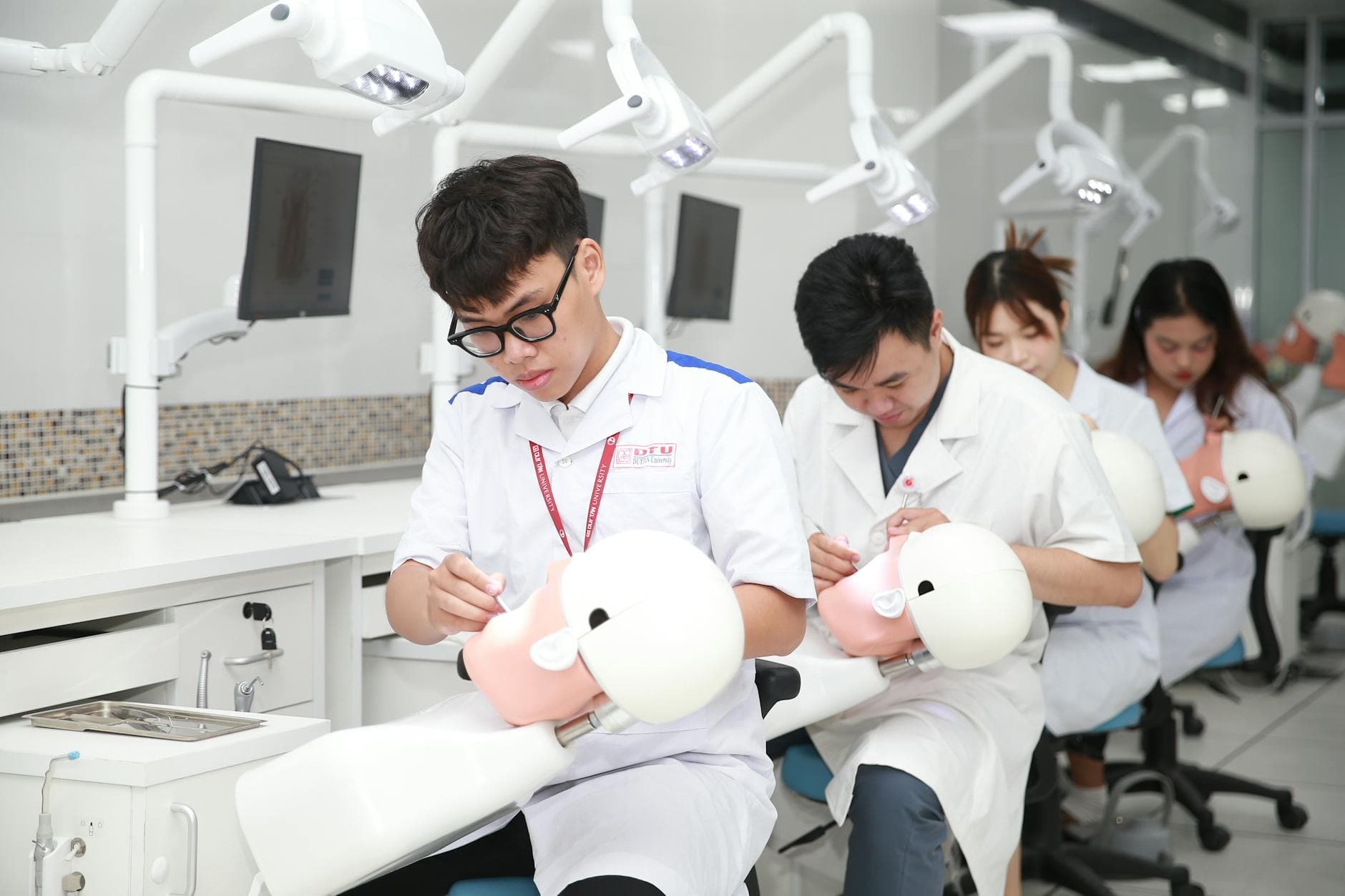
The $30,000 Commercial Driver Training Grant from the Wisconsin Department of Workforce Development will provide financial reimbursement to 30 students who complete NTC’s program.
That might not sound like much against a national shortage of 174,000 drivers, but in the Northwoods, every trained driver counts.
Here’s what makes this grant significant for our region:
Central Wisconsin’s economy runs on trucks, ya know. When cheese needs to move from Marathon City to Milwaukee, when cranberry harvests need transport, when resort supplies need delivery before peak season — it all depends on drivers.
Higher training costs and recruitment expenses (about $3,600 per replacement driver) already squeeze local businesses. The grant helps address that pressure at its source.
Recent industry data shows the challenge intensifying. Over 28,000 trucking jobs were cut in 2025 amid a freight recession, following major losses in 2023 and 2024. Yet paradoxically, the driver shortage persists because capacity is tightening while demand remains strong.
The industry needs roughly 1.1 million new drivers over the next decade, with 54% simply replacing retirees like the gray-haired veterans currently keeping Marathon Cheese Transport running.
For younger people considering careers, trucking offers advantages beyond the stereotype of endless highway miles. Wisconsin consistently ranks as one of the best states for truckers, with competitive wages (harvest drivers earn $17.50-$21.50 per hour, and experienced long-haul drivers considerably more), predictable schedules at many companies, and the satisfaction of keeping communities connected.

Training programs like NTC’s represent more than job preparation. They’re about preserving the infrastructure that keeps the Northwoods economy humming.
When Marathon Cheese Transport can’t find drivers, it’s not just their problem. Delays ripple through supply chains, costs get passed to consumers, and the rural economy feels the strain.
The grant’s 30 students won’t solve the national shortage. But they’ll help ensure that when you buy Wisconsin cheese, when resorts stock up for summer, when construction materials need delivery — there’s someone behind the wheel who calls this region home.
Steve Manecke and his generation kept the trucks running for four decades. Now it’s time to pass those keys to someone new. Thanks to this state investment, at least 30 more people will have the chance to climb into that driver’s seat — and maybe, like Manecke, find a career that lasts a lifetime.
Written by

Mike has been coming up or living in the Northwoods since his childhood. He is also an avid outdoorsman, writer and supper club aficionado.
 News
NewsCulver’s in Rhinelander donated 10% of Sunday sales to Wild Instincts wildlife rehab center, raising funds for the busy spring season when young animals need the most help.
 News
NewsLanglade County Health Department’s new interactive map pinpoints substance misuse resources across Antigo, reducing stigma and barriers to treatment for families seeking help in rural Wisconsin.
 News
NewsRhinelander’s Hawgs and Dawgs camp brings Wisconsin Badgers players north each spring to coach youth football inside the Hodag Dome, creating rare access to Division I talent for Northwoods athletes.
 News
NewsEvercon 2026 brought over 2,500 gamers, cosplayers, and families to Rothschild for three days of board games, video tournaments, and community connection — proving central Wisconsin’s gaming scene is thriving.