

What is new for Northwoods Drifter in 2026
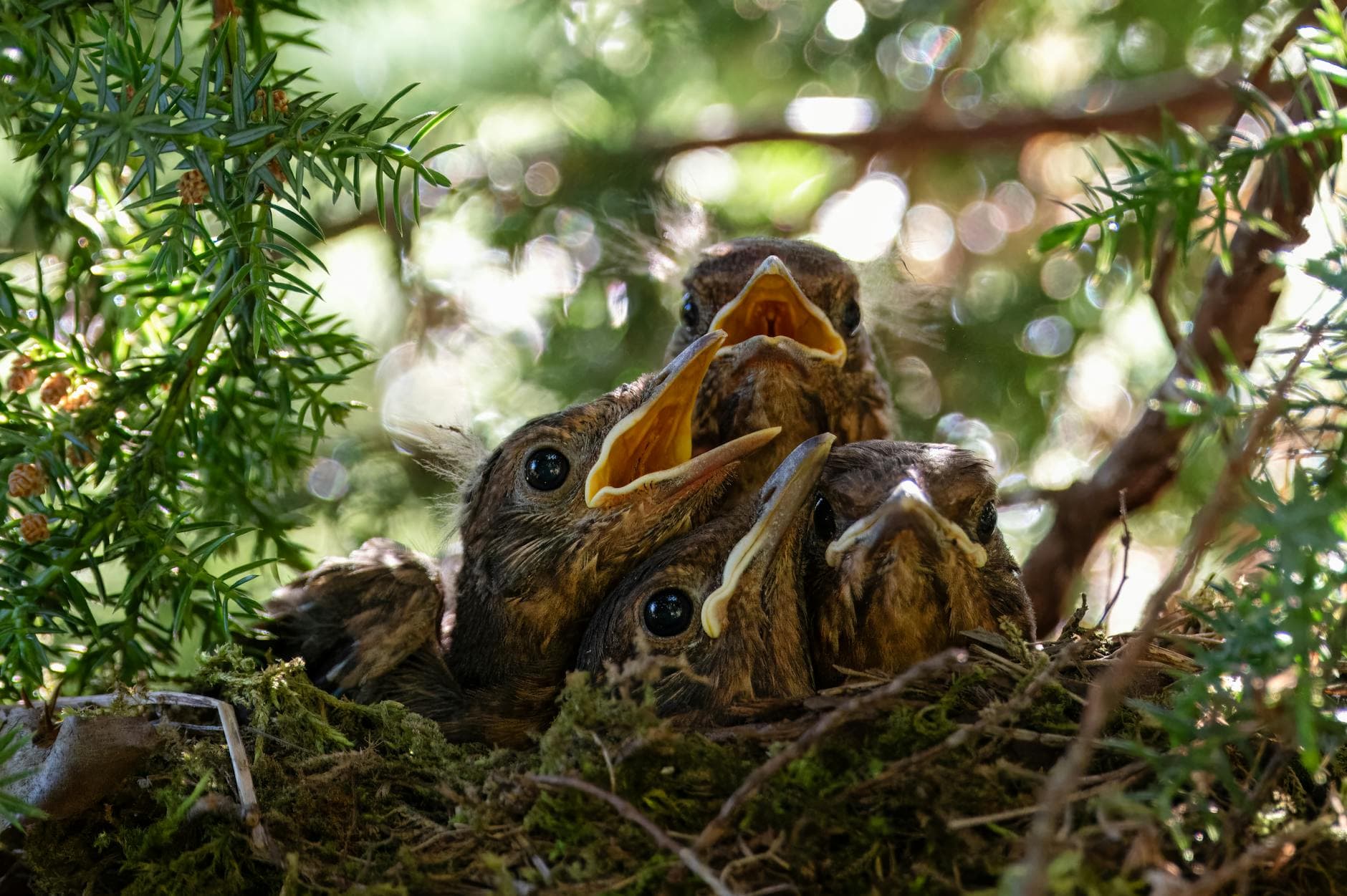
Spring cleanup season in the Northwoods brings more than just rakes and yard bags. This year, Wild Instincts in Rhinelander is caring for over 100 baby animals—most of them squirrels, bunnies, and woodchucks discovered by well-meaning residents during routine yard work.
The wildlife rehabilitation center’s staff of eight is pulling 15-hour days to keep up with round-the-clock feedings. Co-founder Mark Naniot says the pattern repeats every spring: someone trims a tree, cleans out a brush pile, or moves firewood, and suddenly they’re staring at a nest of tiny, vulnerable creatures.
But here’s what most people don’t realize—many of those “abandoned” babies aren’t abandoned at all.
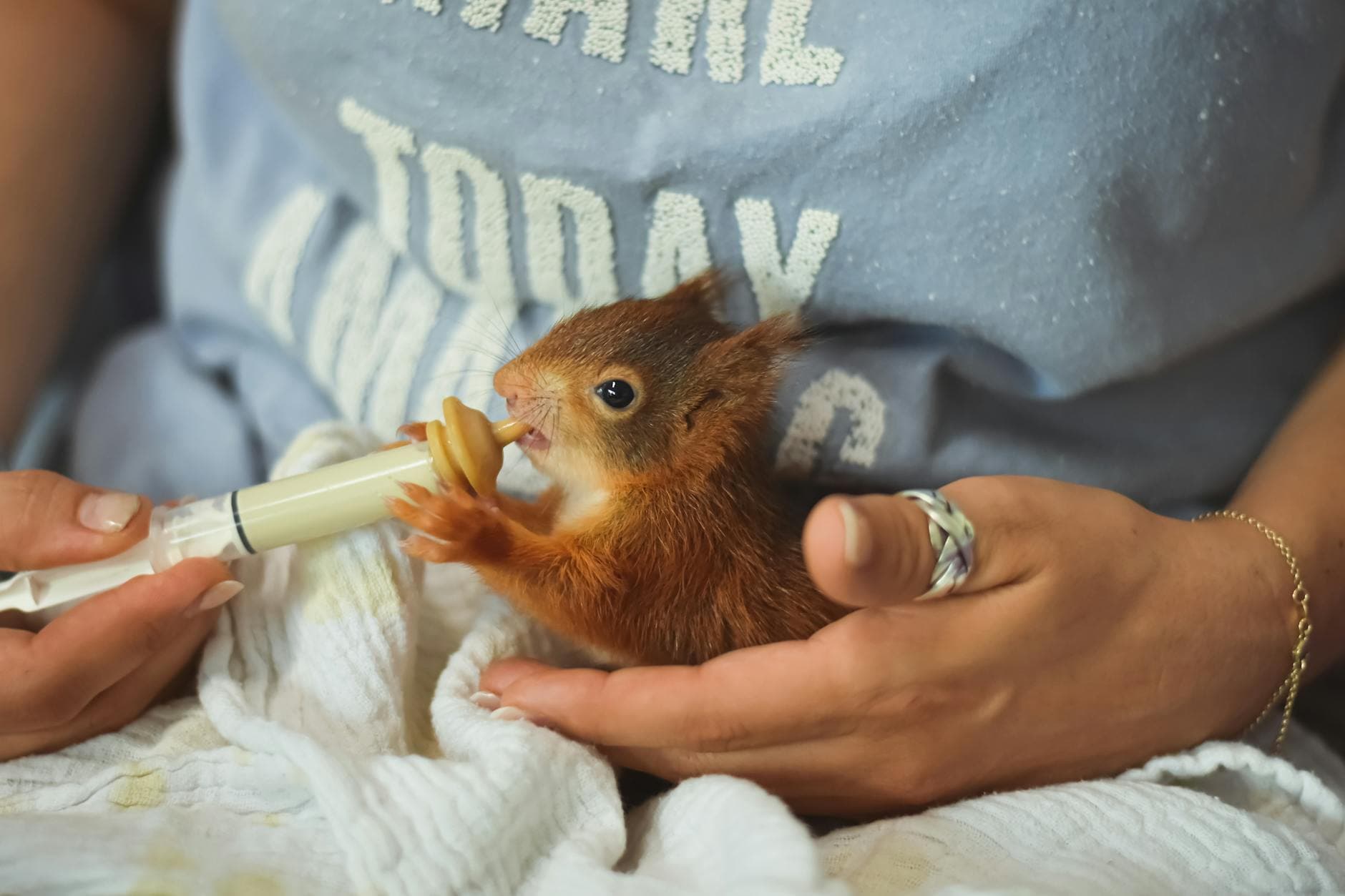
When you’re finally tackling that overgrown maple or clearing last year’s garden debris, the last thing you expect is a family of squirrels. Yet Wild Instincts currently houses more than 30 baby squirrels and 30-plus bunnies, nearly all discovered during property maintenance.
The center also cares for several baby woodchucks—dubbed “Chucklets” by staff—whose mother died unexpectedly after being trapped and relocated. Their story highlights a common mistake: trapping and moving a mother animal during breeding season often sentences her babies to starvation.
“People trap a mother raccoon and drive her 10 miles down the road, then they hear the babies crying,” Naniot explains. By then, it’s too late for mom to return, and the offspring need emergency intervention.
The difference between helping and harming often comes down to one phone call before you act.
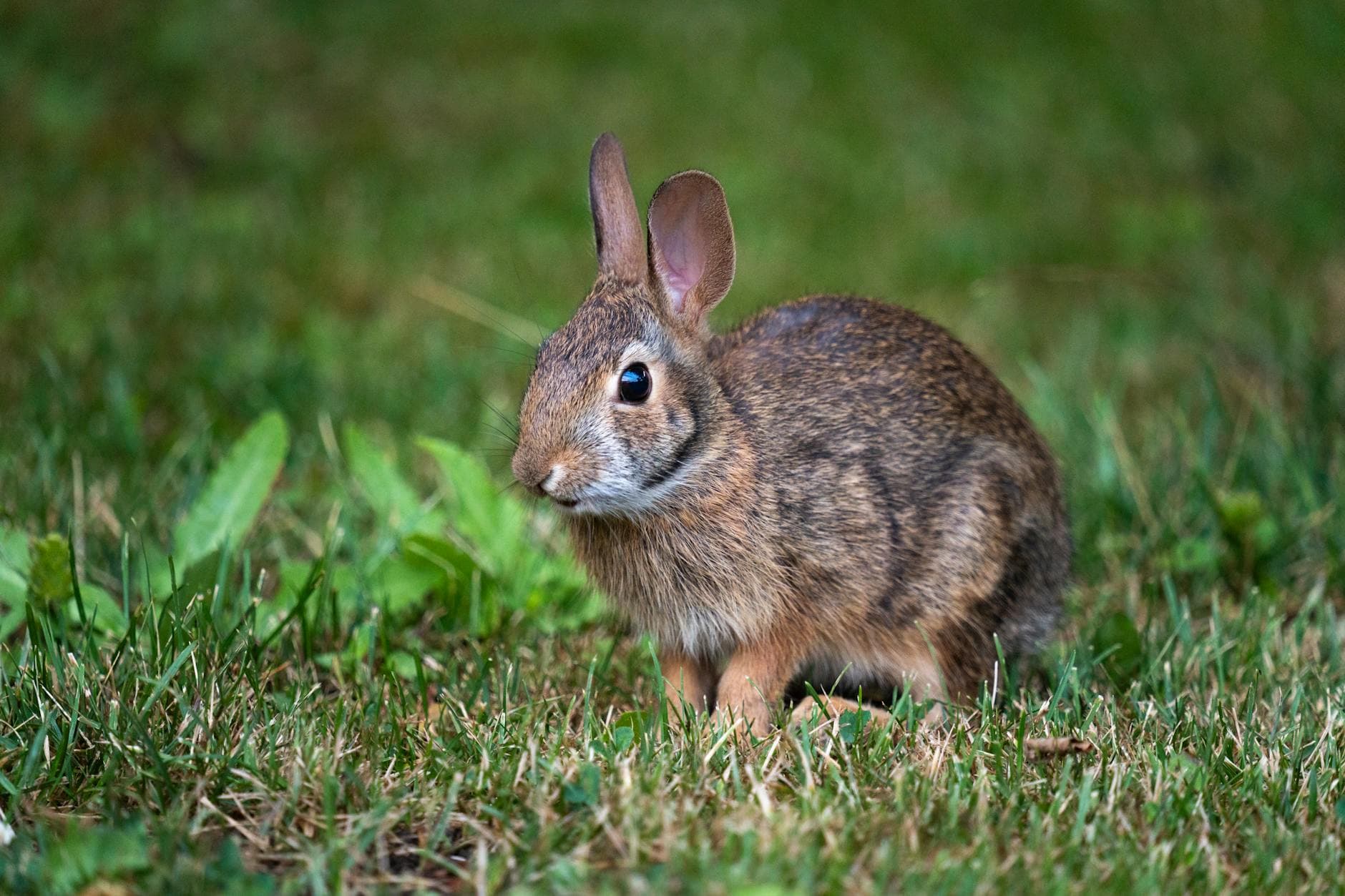
Mother rabbits and squirrels don’t hover over their young like human parents. They leave for hours to forage, returning only for brief nursing sessions. A lone bunny in your yard or a squirrel kit on the ground might be perfectly fine.
Call Wild Instincts first at (715) 362-WILD before touching any animal. The staff will walk you through what to look for: Is the animal injured? Cold to the touch? Covered in flies or ants? Has it been alone for more than 24 hours?
Wisconsin law actually limits how long you can possess wildlife—just 24 hours before transfer to a licensed rehabilitator. That’s not bureaucracy; it’s biology. Wild animals imprint quickly, and improper care during those critical early days can make them unreleasable.
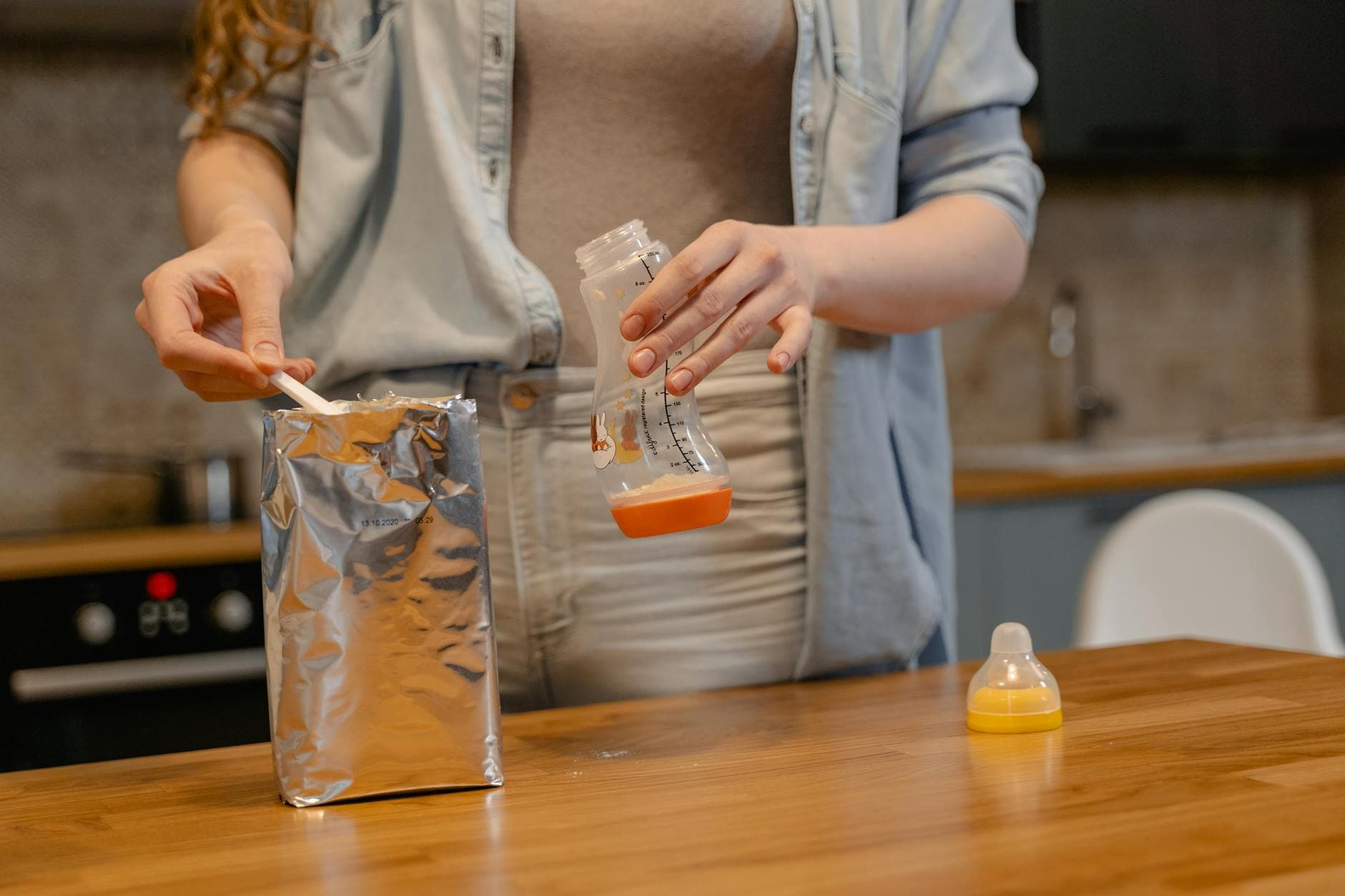
Social media makes raising baby raccoons or fawns look adorable. The reality involves specialized formulas, precise feeding schedules, species-specific housing, and extensive wildlife training—not to mention the legal consequences.
Wild Instincts’ bear cub program demonstrates the complexity. Last fall, they released five orphaned cubs who’d spent months learning survival skills with minimal human contact. That success required full-time staff expertise and research-backed protocols most people simply can’t replicate.
Wild animals also carry diseases and exhibit unpredictable behavior as they mature. That sweet baby raccoon becomes a 30-pound adult with teeth and claws designed for self-defense. Squirrels develop razor-sharp incisors. Even rabbits can inflict serious scratches when stressed.
The Northwoods Wildlife Center puts it plainly: wild animals do not make good pets. They require wild lives, not living rooms.
Wild Instincts runs 24/7/365 because wildlife emergencies don’t follow business hours. The current baby boom has staff starting at 7 a.m. and working past 9 p.m. every single day, cycling through feedings for over 100 patients.
Each species demands different care. Squirrels need specialized formula every few hours. Bunnies require specific grasses and gentle handling to prevent fatal stress. The Chucklets get bottle feedings and socialization—with each other, not humans—to prepare for eventual release.
The center relies entirely on donations and volunteer support. Right now, they’re burning through paper towels faster than they can restock, given the constant cleanup that comes with dozens of baby animals learning to eat solid food.
This year’s influx arrived earlier than usual, likely due to warmer winter temperatures that triggered early breeding cycles. Staff are stretched thin waiting for summer interns to arrive, making this season particularly challenging.
The best thing you can do for Northwoods wildlife costs nothing: pause before you intervene. Watch from a distance. Give mother animals time to return. And keep your phone handy for that crucial first call to professionals.
When you do need to assist an injured or truly orphaned animal, Wild Instincts accepts everything from songbirds to white-tailed deer. They’ll provide transport instructions and immediate care guidance.
If you’re planning major yard work this spring, check trees and brush piles before you start cutting or moving materials. A quick visual scan can prevent separating families and creating orphans that didn’t need to exist.
Consider supporting Wild Instincts’ current needs—paper towels, monetary donations, or spreading the word about proper wildlife protocol. The center’s work ensures that baby animals discovered this spring will eventually return to Northwoods forests and lakes where they belong.
Because the goal isn’t just survival. It’s preparing these youngsters for wild lives in the ecosystem that generations of Northwoods residents have cherished—an outcome that benefits both wildlife and the people who share this remarkable landscape.
Written by

Mike has been coming up or living in the Northwoods since his childhood. He is also an avid outdoorsman, writer and supper club aficionado.
 News
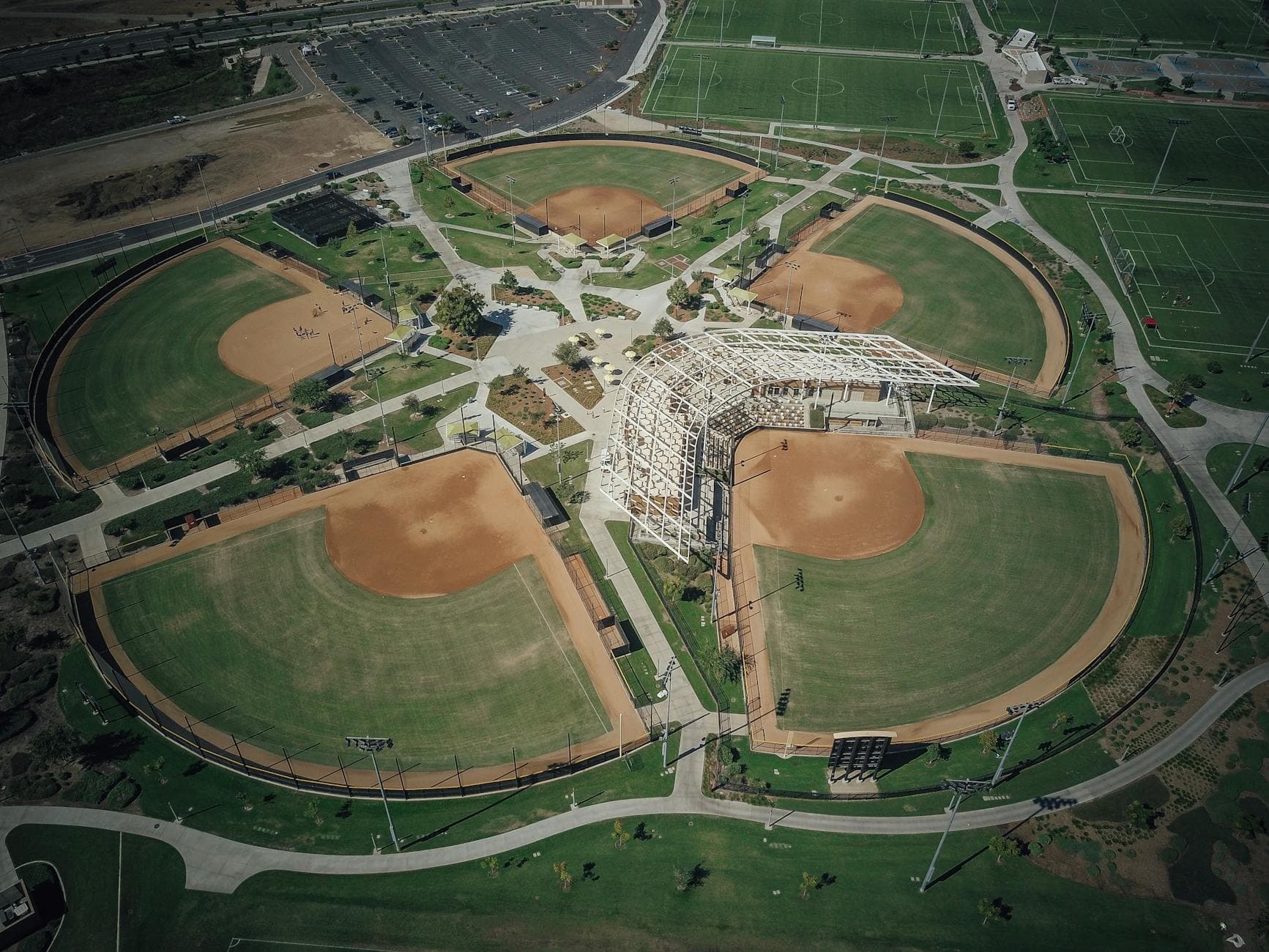
NewsMarathon City’s new $4.2M sports complex opened after six years of community fundraising, transforming farmland into ballfields, courts, and a playground that signals the village’s commitment to young families.
 News
NewsBob Krueger brought lunar colonization science to Minocqua Public Library this week, discussing moon resources and NASA’s timeline for permanent bases by 2035.
 News
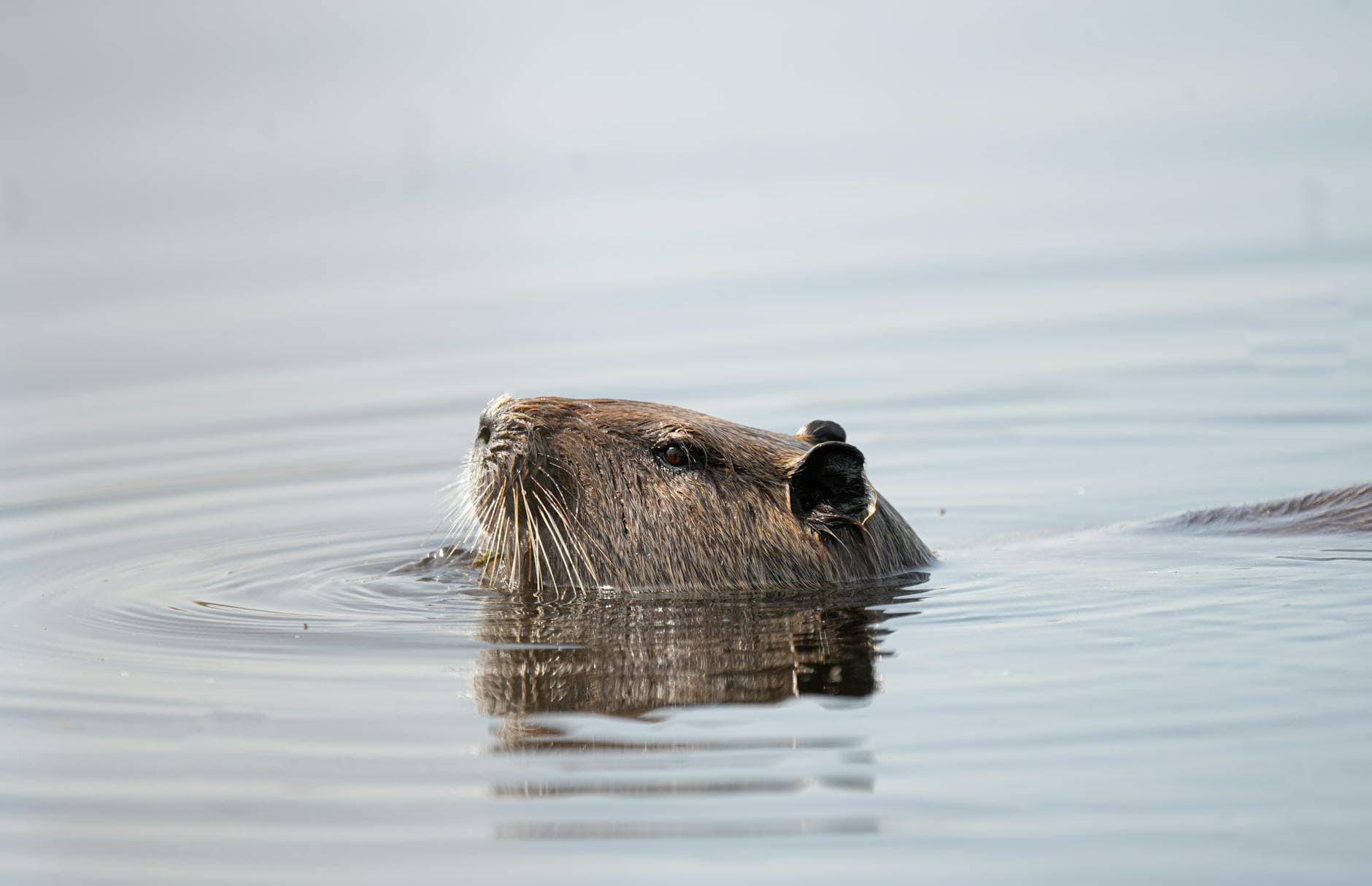
NewsOneida County’s invasive species poster contest drew a record 676 student entries, turning young Northwoods learners into conservation teachers who spread the word about threats to our lakes and forests.
 News
NewsThe Hagar House in Wausau is creating a legacy wall where families can honor mothers while supporting single moms working toward independence through the shelter’s expansion campaign.