

What is new for Northwoods Drifter in 2026
Kids across the Northwoods just proved they’re dead serious about protecting the lakes and forests we all love. The Oneida County Land and Water Conservation Department’s annual invasive species poster contest shattered records this year with 676 student submissions — more than double some previous years — now lining the hallways of the Rhinelander courthouse through June.
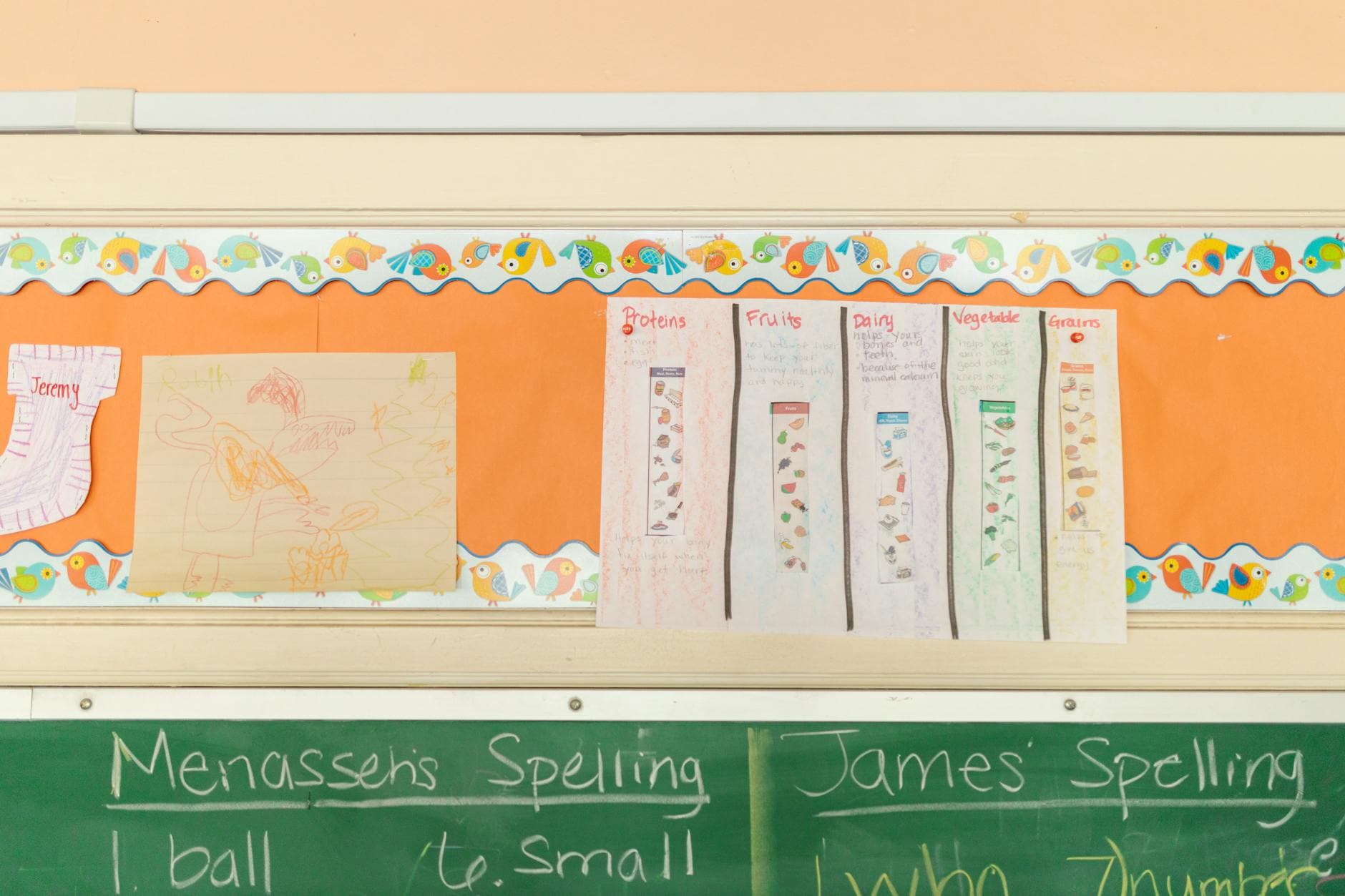
These aren’t your typical classroom projects. These posters represent hundreds of fourth through eighth graders from 38 teachers across 15 counties who dug deep into the creepy crawlies and nasty plants threatening our backyard ecosystems.
Walk through the courthouse today and you’ll see everything from dramatic renderings of parasitic sea lamprey latched onto walleye to warning signs about rusty crayfish hordes destroying native habitats.
Stephanie Boismenue, Aquatic Invasive Species Coordinator for Oneida County, sees something remarkable happen each year with this contest. “These students are like sponges,” she told WJFW, watching as kids absorb complex ecological information then run home to teach their families.
That’s exactly the point. When a fifth grader spends weeks researching how sea lamprey can kill up to 40 pounds of fish during a single feeding period, they’re not just making a poster — they’re becoming the next generation of lake stewards.
The knowledge spreads outward like ripples on a calm Northwoods morning. Students explain to their parents why boat inspections matter. They tell grandpa about the dangers lurking in bait buckets. They become walking, talking conservation billboards.
This year’s poster subjects read like a greatest hits album of ecological troublemakers. The sea lamprey earned plenty of attention for its vampire-like feeding habits, but students also tackled other notorious invaders reshaping Northwoods waters.
Rusty crayfish got the spotlight too, despite being pretty tasty if you can catch enough of ’em. These aggressive crustaceans outcompete native species and munch through aquatic vegetation like a buzz saw through pine.
Other featured villains included:
These invasives cost Wisconsin somewhere between $150-500 million annually in control efforts, lost tourism revenue, and damaged fisheries. In a region where clean water drives the economy, that’s money straight out of our collective pockets.
What started in 2012 as a modest local effort with 82 posters from two counties has exploded into a regional phenomenon. The contest now reaches across 18 northern Wisconsin counties, with drop-off locations stretching from Rhinelander to Eagle River to Minocqua.
The 2026 edition’s record 676 submissions stretched from the second floor courthouse rotunda back past hearing rooms and offices. Judges spent an entire Tuesday morning in May examining every single entry, looking for accuracy, creativity, and those killer slogans that stick in your head.
“This just goes to show that more kids really are anxious to find out knowledge about invasive species. Not just invasives, but it helps them explore the environment and the ecosystems and how these invasives impact their everyday life.” — Stephanie Boismenue
Winners receive trophies, their teachers get $25 gift cards, and winning schools score field guides for their libraries. But the real prize? Classroom visits from the invasive species team, where students get to meet the experts and see their poster work translated into real-world conservation action.

Our identity up here is tied to clean water. We’re a region of 15,000 lakes where summer mornings mean loons calling across the mist and evenings bring walleye fries at the local supper club.
When invasive species take hold, they don’t just mess up ecosystems — they mess up our way of life. A lake choked with milfoil loses its swimming beach. A stream full of didymo can’t support the trout that bring anglers from across the Midwest.
Tourism generates about $1.5 billion annually for Wisconsin, with the Northwoods claiming a hefty chunk of that. Every boat inspection, every educational poster, every kid who learns to check their waders before moving between waterways — it all adds up to protecting what makes this place special.
The courthouse display runs through the end of June, which happens to be Invasive Species Awareness Month. If you’re in Rhinelander, swing by the Oneida County Courthouse at 1 South Oneida Avenue and check out what these young conservationists created.
What strikes you most about walking past 676 posters isn’t just the artistic talent or the ecological facts crammed onto poster board. It’s the realization that these kids genuinely care about preserving the Northwoods for their own grandkids someday.
They’re learning that conservation isn’t some abstract concept discussed in Madison or Washington. It’s checking your boat trailer before launching at the public access. It’s not dumping bait buckets. It’s paying attention to what’s growing in your favorite fishing spot.
Each poster represents hours of research, creative energy, and a young person connecting with the land and water around them. That connection matters more than any government program or enforcement effort ever could.
So next spring, when the 2027 contest rolls around, maybe encourage your fourth through eighth grader to enter. They might just become the teacher your family needs — and the lake steward the Northwoods deserves.
Written by

Mike has been coming up or living in the Northwoods since his childhood. He is also an avid outdoorsman, writer and supper club aficionado.
 News
NewsChrist Church in Bayfield has called Rev. Art Hancock as its new vicar, bringing 30+ years of ministry to a congregation that’s served the Chequamegon Bay area since 1856.
 News
NewsA Sunday crash at Highway 111 and County Road J in Price County killed a 74-year-old Kennan woman and seriously injured three others, including a teen. The investigation continues.
 News
NewsTomahawk’s Ties That Bind Us nonprofit has raised thousands through its annual Cleavage Open golf fundraiser, providing gas cards, food assistance, and practical support for Northwoods cancer patients.
 News
NewsChrist United Methodist Church in Merrill now serves over 200 free lunches daily to kids and teens, part of a volunteer-driven effort that’s fed thousands since 2013.