

What is new for Northwoods Drifter in 2026

Drive any backroad through the Northwoods and you’ll see them — thick stands of buckthorn crowding out the oaks, wild parsnip blooming yellow along hiking trails, purple loosestrife choking wetlands where native cattails used to thrive. These aren’t just weeds. They’re invasive species, and they’re quietly reshaping the forests and lakes we call home.
Wisconsin DNR invasive species specialists Jason Granberg and Mackenzie Manicki spend their days tracking these ecological troublemakers across our region. With around 145 terrestrial plant invasives now established in Wisconsin — and more arriving every year — the fight to protect the Northwoods has never been more urgent.
But here’s the good news: you don’t need a biology degree to make a difference.
An invasive species isn’t just a plant or animal from somewhere else. It’s an organism that spreads aggressively without the natural predators that kept it in check back home.
“Organisms in trade, so that might be plants or animals, brought in intentionally for some sort of purpose — it could be for agriculture — can escape and act invasively,” Granberg explains. That pretty hedge your grandparents planted? It might be common buckthorn, now one of the most destructive invasives in our forests.
These species outcompete natives for sunlight, water, and nutrients. Buckthorn creates such dense shade that native tree seedlings can’t regenerate, fundamentally altering the forest ecosystem. Over time, that impacts everything from deer browse to songbird habitat to the $28 billion forestry industry that helps keep our local economy running.
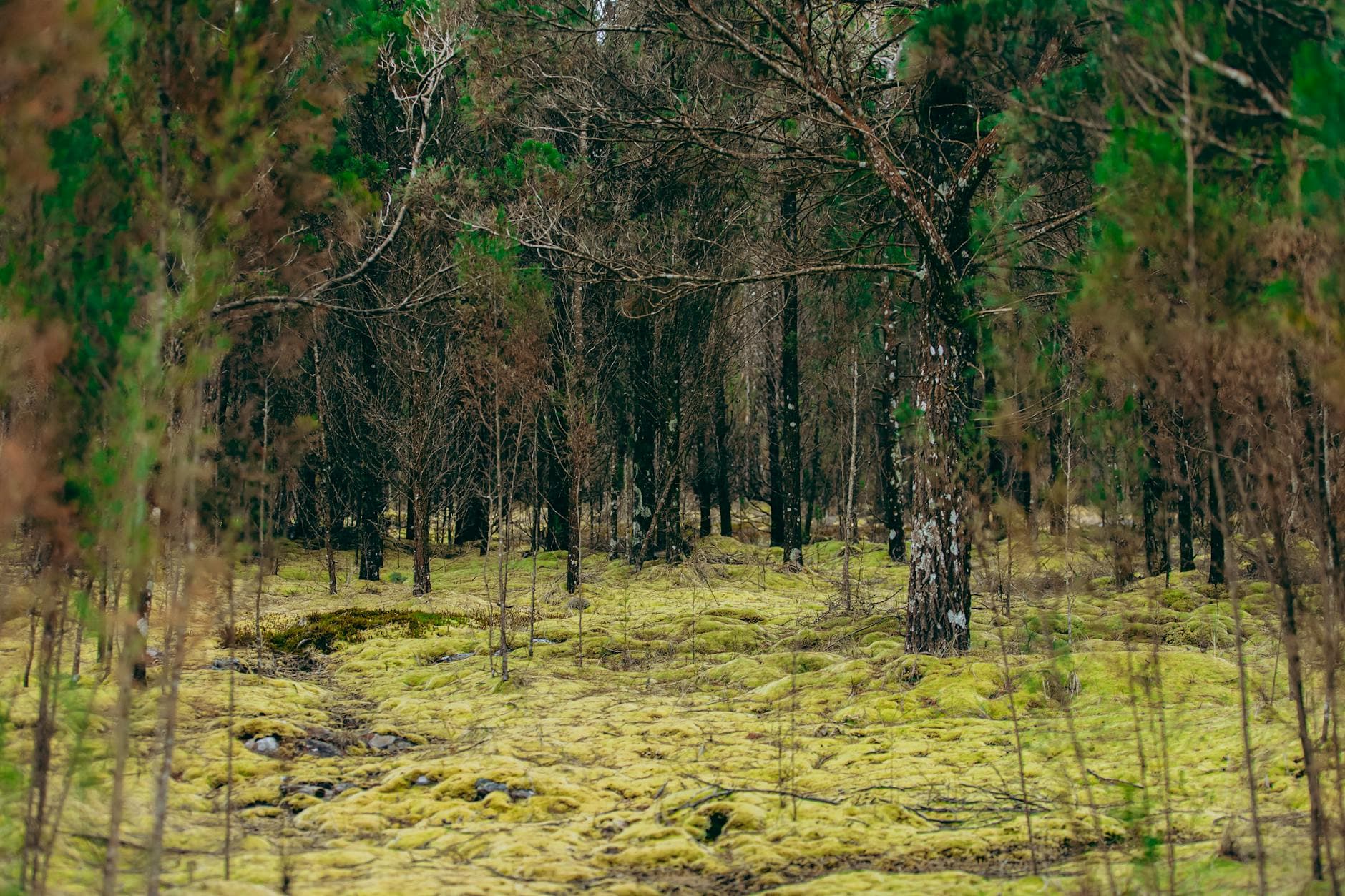
Walk the Bearskin Trail near Rhinelander and you’ll spot the yellow flowers of wild parsnip along the edges. Looks harmless enough until you brush against it on a sunny day.
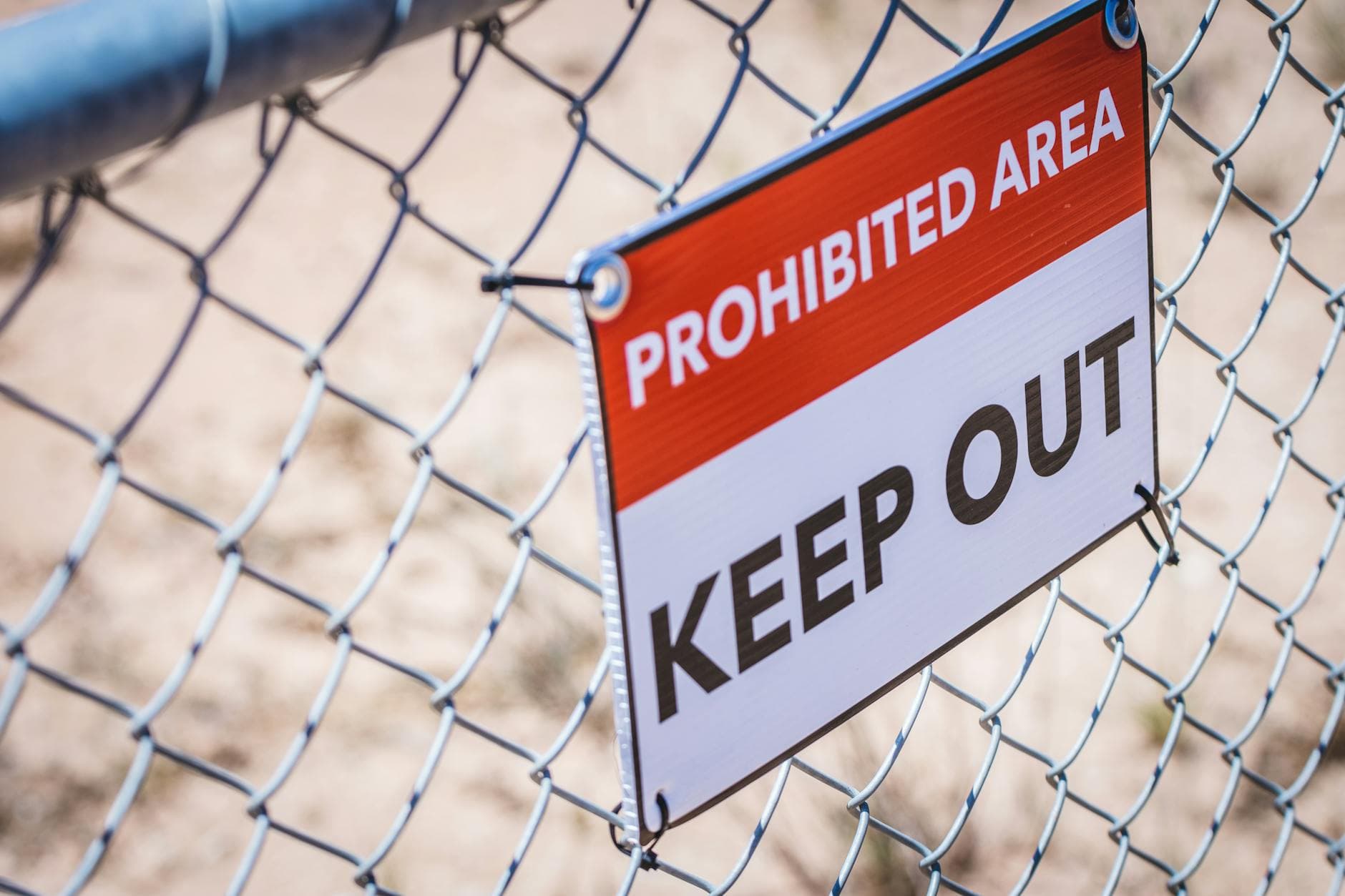
“Some that are a big concern are human health concerns such as wild parsnips which can cause blisters on the skin,” Manicki says. The sap combined with sunlight causes phytophotodermatitis — painful blisters that can scar. The DNR recently treated parsnip patches along the Bearskin Trail and installed new warning signs at trailheads.
Other problem species throughout Vilas, Oneida, and surrounding counties include:
Every invasive tells the same story: brought here for a purpose, then escaped into the wild where conditions suit them perfectly and nothing keeps them in check.
Fighting invasives in the Northwoods requires creativity. Some infestations hide in remote wetlands where wading in with sprayers isn’t practical or safe.
That’s where drones come in. “For doing management on invasive species that are really hard to reach, the latest example was about the use of drones to target Phragmites way out in a wetland that’s really hard to get to,” Manicki explains. Aerial application lets specialists treat stands of invasive reeds without trampling sensitive habitat or risking exposure to wild parsnip.
The DNR also uses integrated pest management — combining manual pulling, cutting, chemical treatments, biological controls, and cultural methods like smothering or flooding. For wild parsnip, they’ve even experimented with goats, which graze the plants without suffering skin reactions.
“You can take a photograph of a plant or animal that you think is invasive, and you can send it to that reporting system.” — Jason Granberg, DNR Invasive Species Specialist
But technology only goes so far. The DNR monitors over 1,000 aquatic sites annually with help from citizen partners through programs like the Lake Monitoring and Protection Network. Local partnerships like the Wisconsin Headwaters Invasives Partnership help Northwoods landowners identify and manage invasives on private property.
Most invasive species hitch rides on boats, boots, and firewood. Granberg says anyone can help by brushing off equipment after hiking or paddling.
Before you leave a boat launch, follow the “Clean, Drain, Dry” protocol. Pull any plant fragments off your trailer. Drain water from livewells and bilges. Let everything dry completely before hitting another lake.
Spotted something suspicious on the trail? Download the EDDmaps app and snap a photo. The reporting system helps DNR specialists track new infestations before they spread. Your observation from a remote Northwoods trail could make the difference between containment and widespread invasion.
Mark your calendar for Invasive Species Awareness Weekend, which now features 30 events across 19 counties each year — up from a smaller pilot in 2024. These hands-on events teach identification and removal techniques while connecting you with other conservation-minded neighbors.
On your own property, learn to recognize the worst offenders and remove them early. The DNR website offers detailed management guidance, and Lincoln County echoes these recommendations with local outreach focused on protecting our shared landscapes.
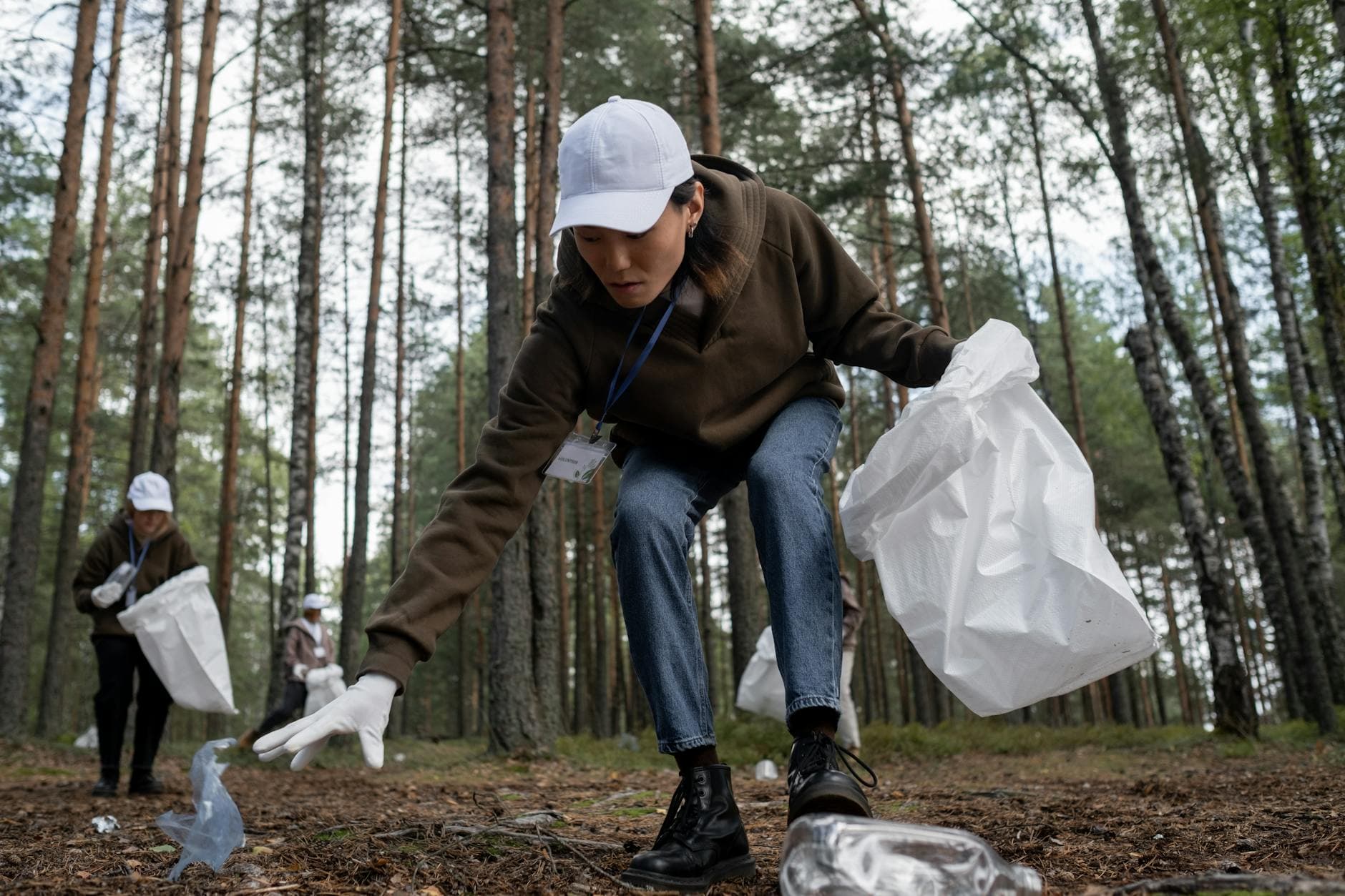
This isn’t just about plants and ecology textbooks. It’s about preserving the forests where we hunt, the lakes where we fish, and the trails where we hike with our families.
Every buckthorn we pull means more space for native wildflowers. Every parsnip we report means safer trails for the next hiker. Every boat we clean means healthier lakes for fishing and swimming.
The Northwoods has always required a certain toughness from the people who love it. Fighting invasive species is just the latest chapter in that ongoing story — neighbors working together to protect the place we call home, one boot scrub and one pulled plant at a time.
Check the Wisconsin DNR invasive species website for identification guides, management tips, and upcoming events in your county. The Northwoods won’t protect itself, but together, we’ve got this.
Written by

Mike has been coming up or living in the Northwoods since his childhood. He is also an avid outdoorsman, writer and supper club aficionado.
 News
NewsWausau resident Kevin Hermening, the youngest Marine held during the 1979 Iran Hostage Crisis, reflects on 444 days of captivity and recent U.S.-Iran tensions from his Northwoods perspective.
 News
NewsThe YMCA of the Northwoods distributed nearly $250,000 in scholarships last year, ensuring no Rhinelander resident gets turned away from fitness and wellness programs due to cost.
 News
NewsA Milwaukee nonprofit’s fellowship program brings creative community and belonging to neurodivergent young adults in Tomahawk, meeting twice monthly at the public library to build connections through art.
 News
NewsA 16-year-old Crandon entrepreneur is running Ravens Mobile Café while juggling school, proving that Northwoods grit starts young. His next move? A food truck for summer.