

What is new for Northwoods Drifter in 2026
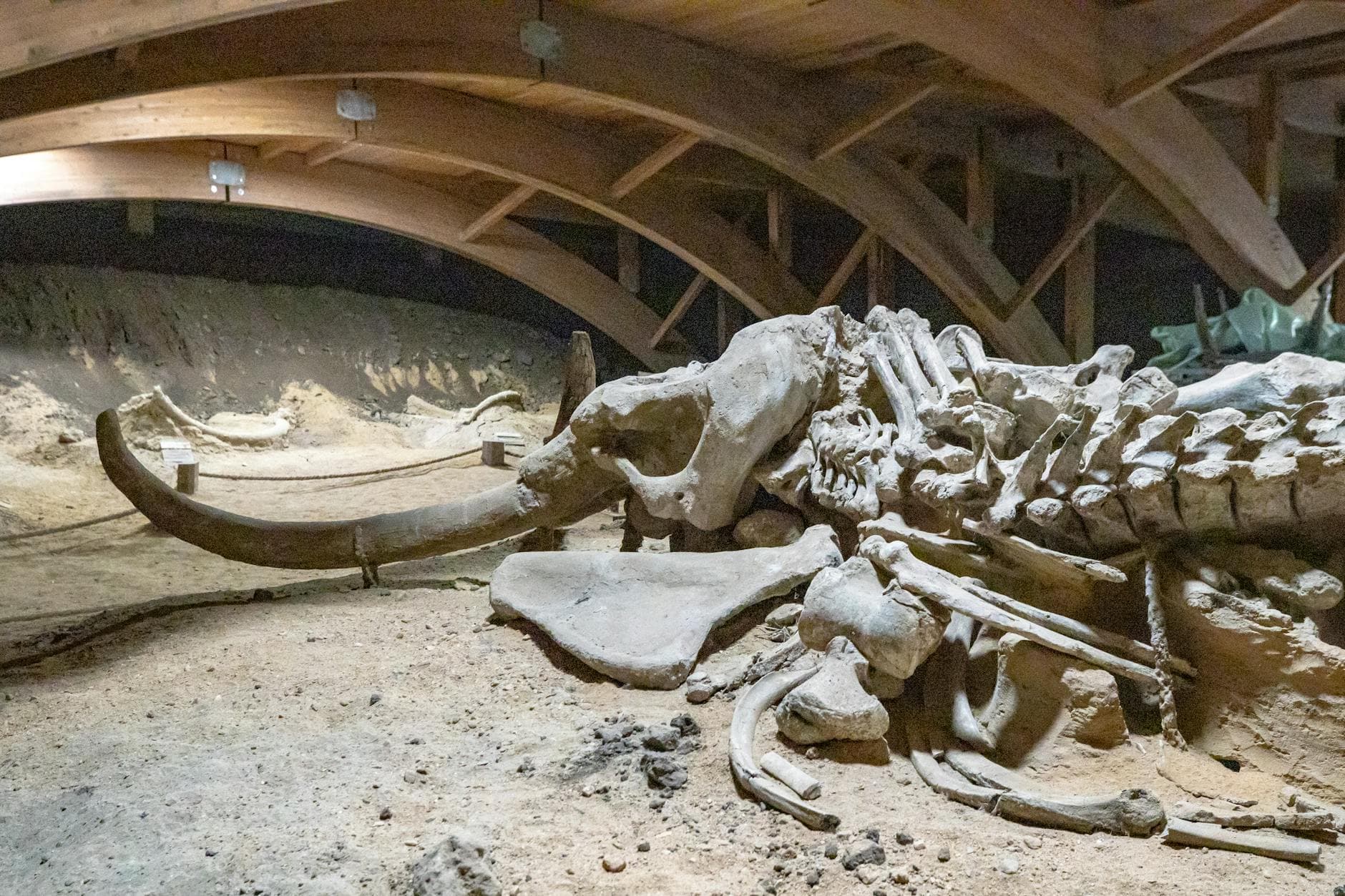
Ever wonder what life looked like when woolly mammoths roamed the Northwoods? Sean Sullivan, known as the Mammoth Hunter, doesn’t just talk about it—he lives it. Operating out of Wausau, Sullivan brings a mobile museum experience to communities across Wisconsin, turning gymnasiums and libraries into time machines that transport audiences 15,000 years into the past.
This isn’t your typical museum visit where you stare at artifacts behind glass. Sullivan wears the clothes, wields the weapons, and recreates the hunts that our ancestors survived right here on Wisconsin soil.
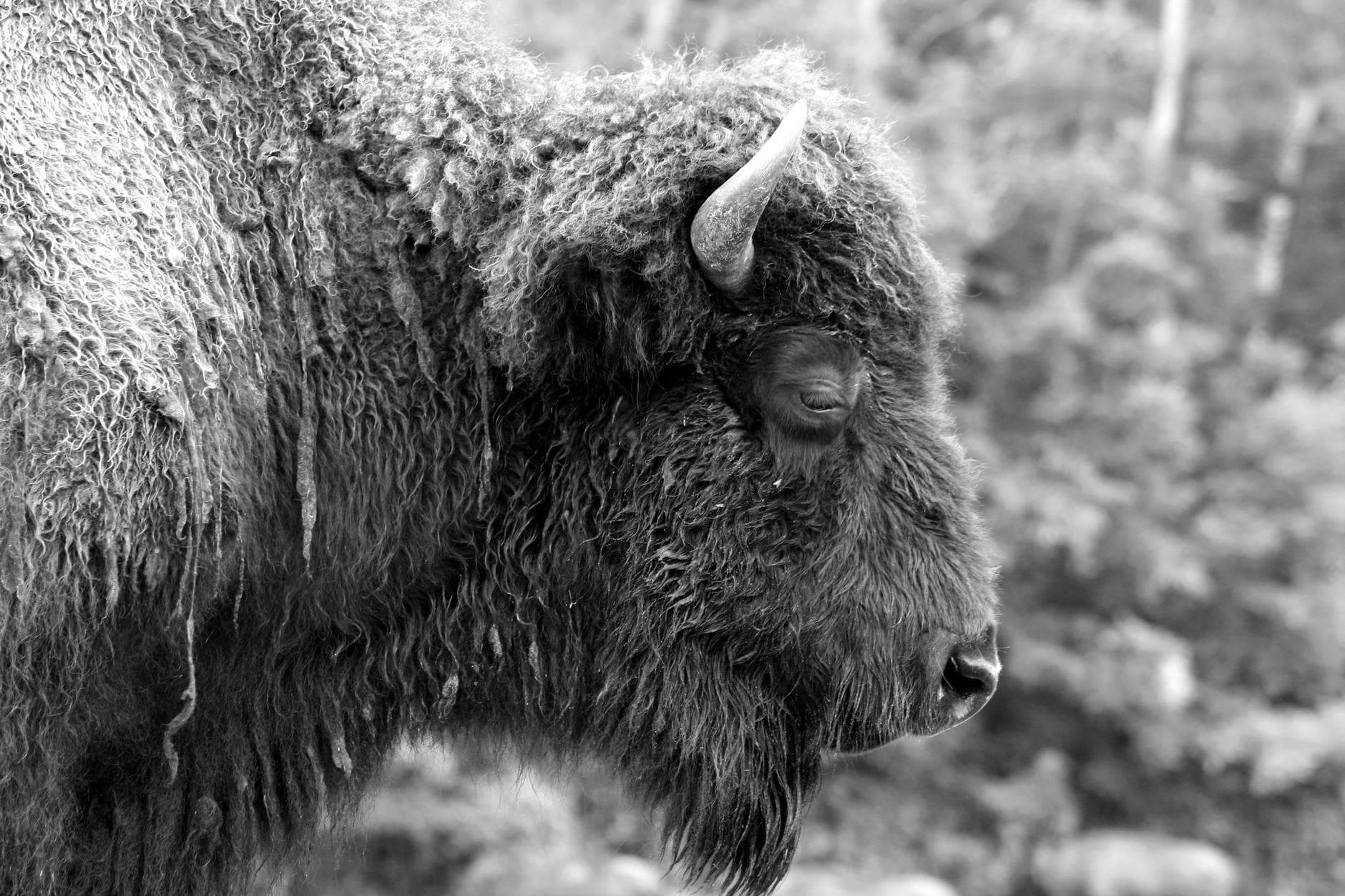
Sullivan stumbled into his role about eight years ago when he visited a Wausau museum and ended up crafting reproductions for their collection. One presentation led to another, and suddenly he had a mission on his hands.
Everything in his collection—except the massive fossil replicas—he’s made himself based on archaeological evidence from actual Ice Age sites. Stone tools, leather clothing, hunting weapons—each piece represents months of research and hands-on experimentation.
“I run a traveling museum,” Sullivan explains. “Its focus is primarily on the Ice Age, starting around 15,000 years ago and going back from there.”
The approach is called experiential archaeology. Instead of just showing people what Stone Age tools looked like, Sullivan demonstrates how they worked, how they felt in the hand, and why our ancestors designed them the way they did.
The Northwoods sits on top of one of the most dramatic geological transformations in Earth’s history. When the Laurentide Ice Sheet retreated around 11,000 years ago, it carved out our kettle lakes and left behind the rolling moraines we hike today.
But people were already here, watching those glaciers melt. Paleo-Indian hunters tracked mammoths and mastodons through forests that would become our backyard fishing spots.
“Every single person on earth has an ancestor that survived the Stone Age using these types of tools and technologies, facing off against these giant predators for food and for safety, sitting by the fire at night trying to stay warm. It’s the shared beginning of all of us.” — Sean Sullivan
Wisconsin has documented over 1,000 Paleo-Indian projectile points across the state. These aren’t abstract museum pieces—they’re evidence that people just like us survived winters that make our January cold snaps look mild.
Sullivan’s presentations follow a structure that hooks audiences from elementary schoolers to retirees. He walks them through an actual woolly mammoth hunt that happened in Wisconsin nearly 15,000 years ago, then opens up his collection for close examination.
The hands-on element changes everything. Kids don’t just hear about atlatl spears—they feel the weight, understand the physics, and realize why throwing a six-foot spear required serious skill.
Sullivan has noticed patterns in what different audiences gravitate toward:
He delivers about 60 presentations annually across Wisconsin, from packed school assemblies to intimate library workshops. Since 2022, bookings have surged as communities look for educational programming that gets people off screens and into tangible learning.
Up here, we don’t always have easy access to major museums. When the nearest natural history collection is hours away, programs like Sullivan’s fill a real gap.
Rural schools particularly benefit from mobile education that meets state standards without the cost and logistics of field trips. A gymnasium becomes a hunt camp. A library meeting room transforms into an archaeological dig site.
The Ice Age Trail already brings over 100,000 visitors annually to Wisconsin, many passing through or near the Northwoods. Sullivan’s programs tap into that same heritage tourism interest while serving local families who might never visit the Ice Age Interpretive Center in Campbellsport.
There’s something powerful about learning that mammoths walked where your deer stand sits now. It grounds us in place and time differently than abstract history lessons.
Sullivan expanded his operations in early 2026 to reach more Wisconsin communities. His fully mobile setup means he can bring the Ice Age to venues of almost any size—school gyms, community centers, outdoor events, and library programs.
The programs align with Wisconsin educational standards, making them attractive to teachers looking for memorable STEM and history content. But they work just as well for family events, historical societies, and summer festivals.
Interested communities can reach out through his website to discuss scheduling and program formats. Options range from single assemblies to multi-day workshops where participants get extended hands-on time with the artifacts.
For Sullivan, every program offers something new. “I love being able to share my knowledge,” he says, “and I sometimes even bump into people who know little bits that I haven’t learned yet and learn from them as well.”
The Ice Age isn’t ancient history up here—it’s the foundation beneath our feet. Every lake we fish, every hill we climb, every boulder in the woods got there because of glacial forces our ancestors witnessed.
When Sullivan demonstrates how Stone Age hunters survived Wisconsin winters with nothing but hide clothing and fire, it resonates differently in the Northwoods. We know these winters. We understand what minus-twenty feels like, what it takes to stay warm, how unforgiving this landscape can be.
That shared experience across 15,000 years creates an unexpected connection. We’re not so different from those mammoth hunters—we’re just using different tools to thrive in the same challenging, beautiful environment.
The next time the Mammoth Hunter visits a Northwoods library or school, it’s worth showing up. You’ll leave with a new appreciation for the ground you walk on—and the people who walked it long before chainsaws, snowmobiles, or insulated boots made life up north a little easier.
Written by

Mike has been coming up or living in the Northwoods since his childhood. He is also an avid outdoorsman, writer and supper club aficionado.
 News
NewsVaughn Public Library in Ashland drew families for a Valentine’s night mixing Borax crystal experiments, art projects, and live banjo music—proving small-town libraries remain community heartbeats even during major renovations.
 News
NewsThree Democratic candidates competing for Wisconsin’s 7th Congressional District will face voters at a Rhinelander forum March 3rd, offering Northwoods residents a chance to shape representation in this rare open-seat race.
 News
NewsAll Aboard bar in Merrill raised over $500 through a chili cook-off to help students with overdue lunch accounts. It’s community fundraising at its best — simple, effective, and rooted in taking care of neighbors.
 News
NewsThe Nokomis Fire Station’s annual chili cookoff brings Northwoods fire departments together for more than competition — it builds the relationships that make rural emergency response work when seconds count.