

What is new for Northwoods Drifter in 2026
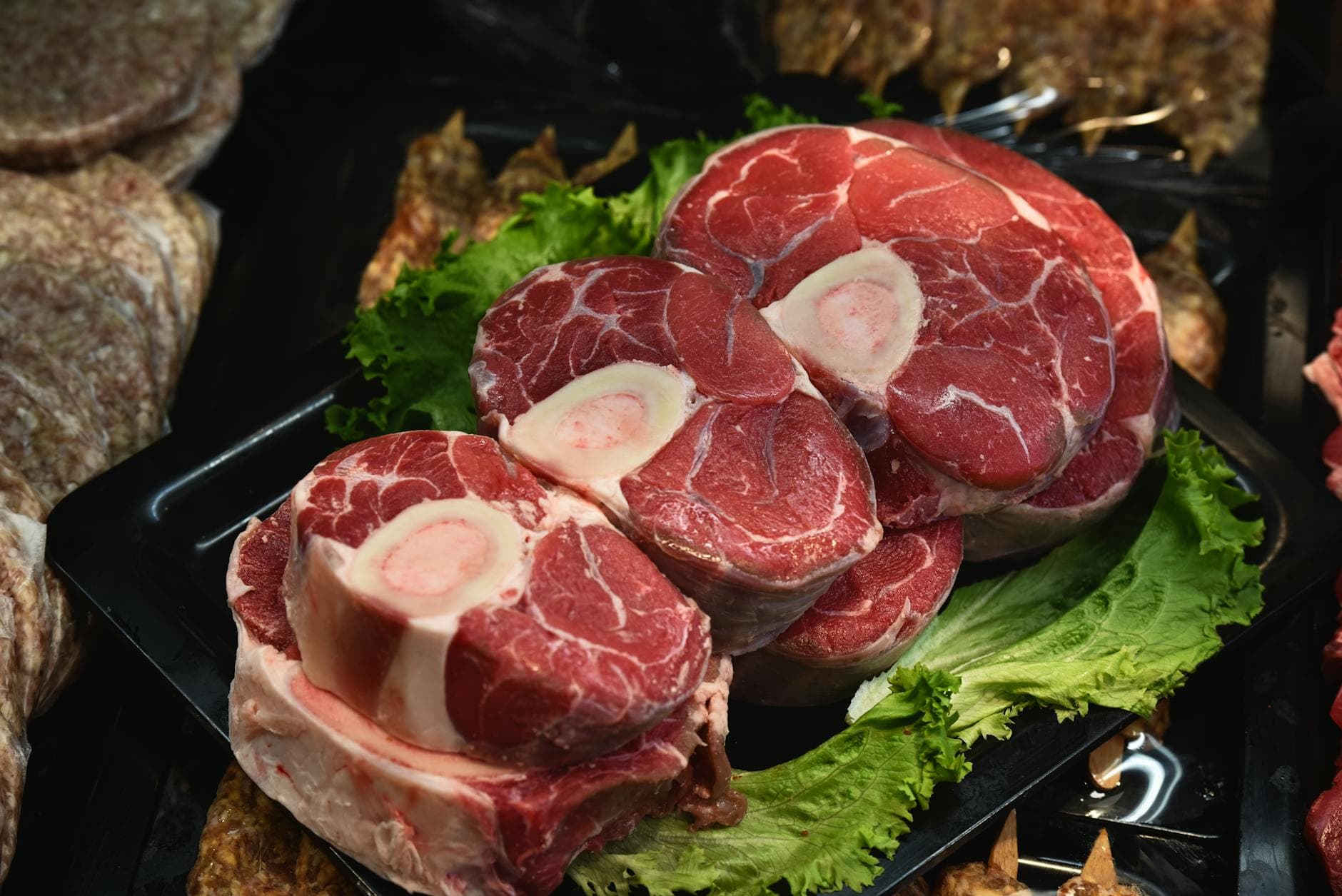
Todd Ahrensdorf has run Lake Tomahawk Meat Market for 36 years without ever turning away customers during business hours. That changed this winter.
The beloved butcher shop at 7257 State Highway 47 is reducing its hours for the first time in nearly four decades. The reason isn’t declining sales—demand has never been stronger. It’s the stark reality facing small businesses across the Northwoods: there simply aren’t enough workers to keep the doors open seven days a week.
When Ahrensdorf’s last experienced butcher returned to Mexico, it left him in what he calls “a real bind.” Ya know, the kind where you’re making jerky at dawn and grinding sausage past dark, trying to fill orders that once kept two or three people busy.
Butchering isn’t something you pick up over a weekend training shift. A professional meat cutter needs years to master the craft—understanding different cuts, curing processes, smoking techniques, and food safety protocols that keep customers coming back.
That specialized knowledge is increasingly hard to find in the Northwoods.
Fewer butcher schools operate today than a generation ago. The ones that remain are concentrated in urban areas, far from communities like Lake Tomahawk where independent meat markets still thrive. Add the region’s limited affordable housing, and you’ve got a qualified applicant pool that’s practically bone-dry.
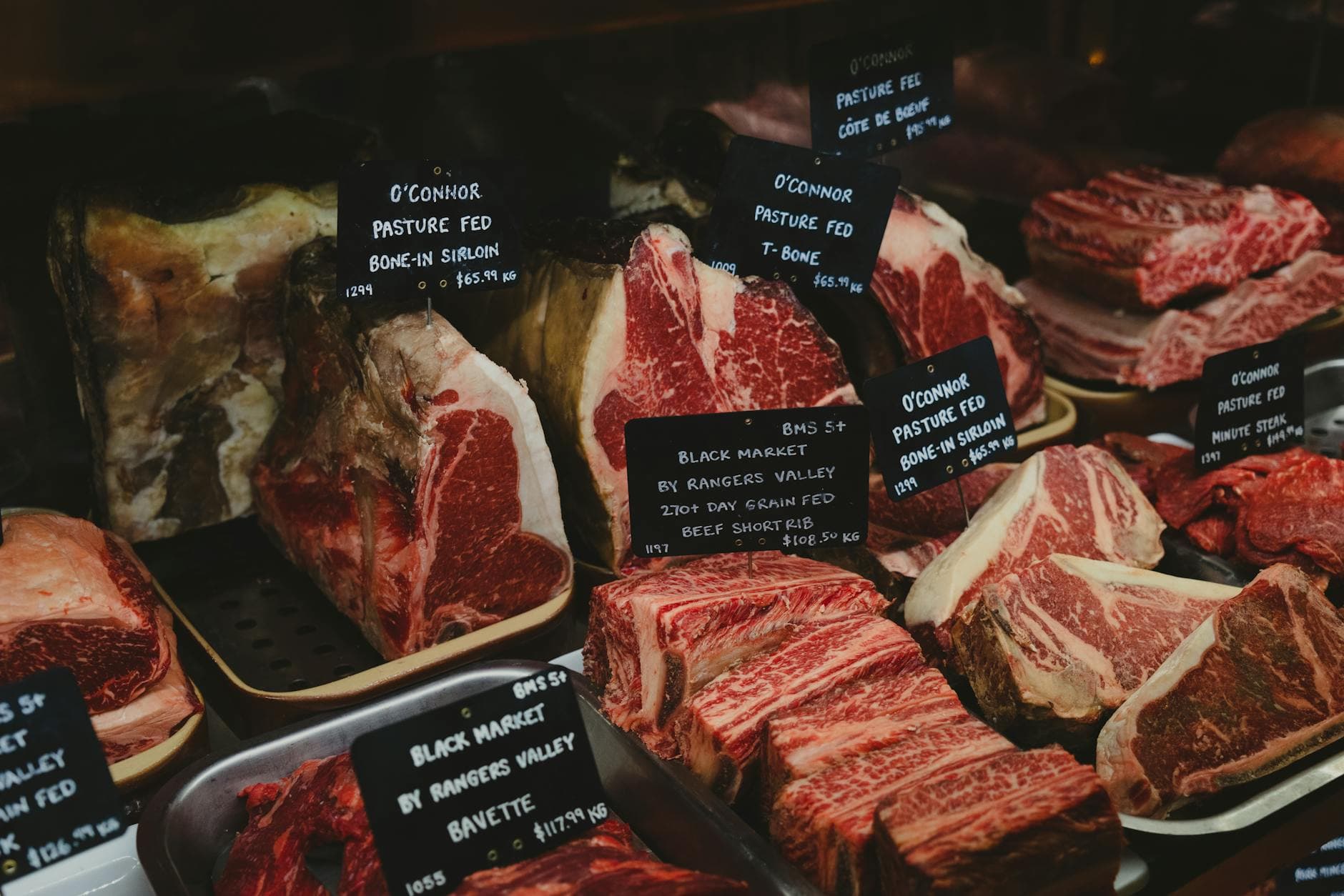
Walk down Main Street in just about any Northwoods town and you’ll hear the same story. Restaurants closing mid-week because they can’t staff the kitchen. Resorts turning away reservations because housekeeping is short-handed. Marinas limiting their service hours.
Ahrensdorf’s friend who owns Island Café had to shut down three days last week—not for lack of customers, but because he couldn’t find a waitress. It’s the conversation business owners keep having with each other, that weary recognition that they’re all fighting the same uphill battle.
“I have a lot of friends that are small business owners who are all in the same boat. We all have issues.”
The Northwoods labor shortage isn’t new, but it’s reaching a tipping point where longtime businesses are making choices they never imagined.
This isn’t your grocery store meat counter. Lake Tomahawk Meat Market represents something harder to replace than just a place to buy ground beef.
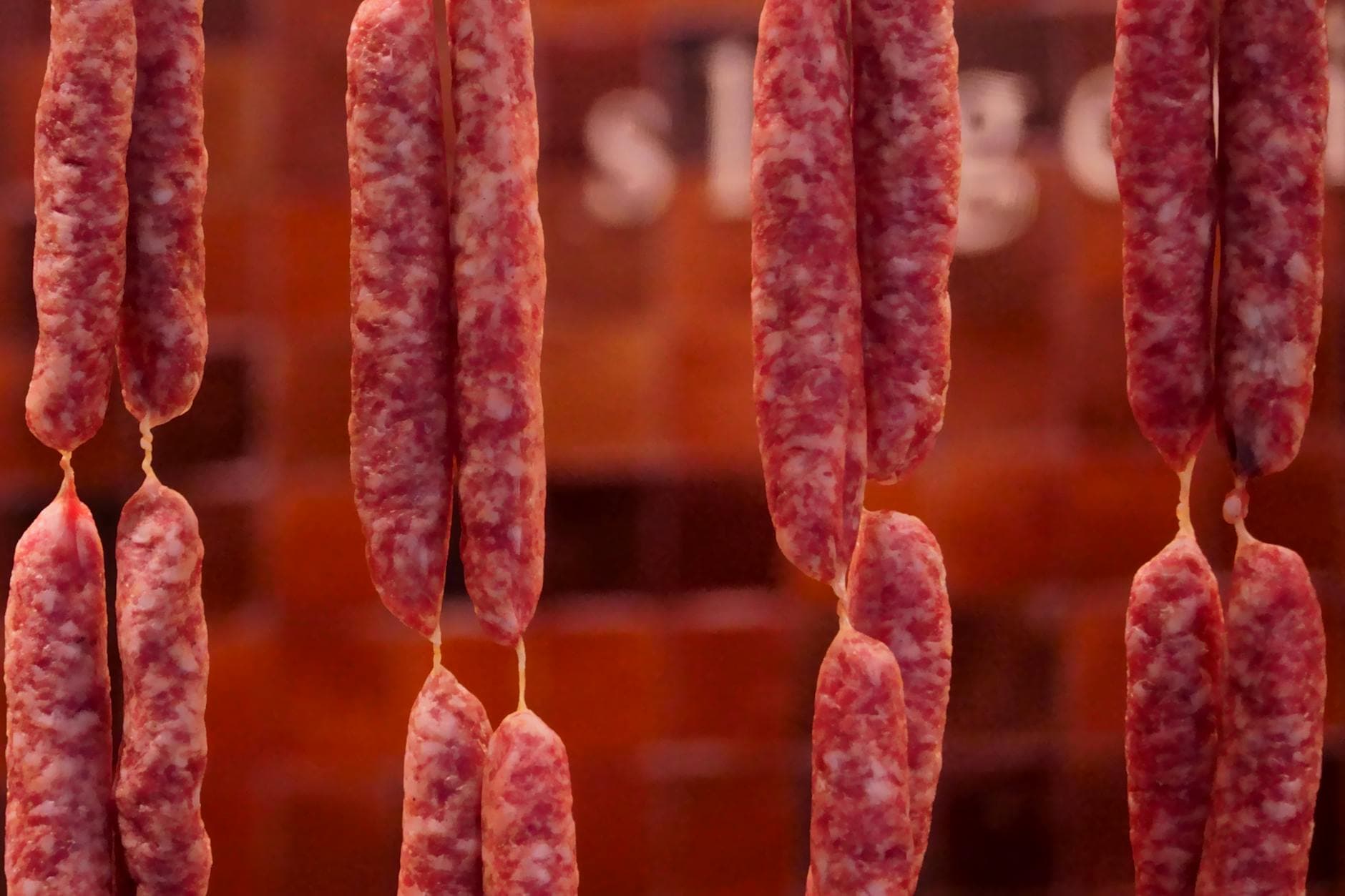
For three decades, the shop has been crafting the kinds of products you can’t find at big-box stores:
These handmade products require skilled hands and patient attention. They’re part of what makes Northwoods food culture distinct—that connection between local craftspeople and the folks who rely on them for everything from Friday fish fry prep to deer processing come November.
Lake Tomahawk’s history runs back to the 1890s logging boom, when Tomahawk grew as an industrial center with sawmills and railroad operations stretching from the Great Lakes to both coasts. Those days built a culture of skilled trades and manufacturing that still shapes the region.
But today’s economic reality is different. The timber operations have mostly faded. What remains are small service businesses and specialty shops that depend on trained workers willing to live year-round in communities where winter is long and housing options are limited.
When a town can’t house its workforce, even good jobs go unfilled. When training programs disappear, the pipeline of skilled craftspeople dries up. It’s a cycle that threatens the fabric of small-town Northwoods life.
Ahrensdorf isn’t giving up. Not after 36 years of serving customers who’ve become neighbors and friends.
He’s adjusting what he can control—cutting back hours, managing inventory more carefully, and continuing to search for that rare find: a professional butcher ready to move to the Northwoods. Some favorite products might be out of stock from time to time. The shop might close a day or two each week.
But the promise remains: Lake Tomahawk Meat Market will keep going.
It’s a commitment that echoes across the region, where small business owners are digging deep to preserve what makes Northwoods communities worth living in. They’re working longer hours, wearing more hats, and figuring out creative solutions to challenges that don’t have easy answers.
If you’ve been meaning to stop by for that smoked sausage or custom cut, now’s the time. Supporting local businesses facing these challenges isn’t just good economics—it’s how we keep the Northwoods the kind of place where a handshake still means something and your butcher knows your name.
Check current hours before you make the drive out Highway 47. And if you happen to know a professional butcher looking for work in one of Wisconsin’s most beautiful corners, well, Todd Ahrensdorf would love to hear from you.
Written by

Mike has been coming up or living in the Northwoods since his childhood. He is also an avid outdoorsman, writer and supper club aficionado.
 News
NewsA Milwaukee nonprofit’s fellowship program brings creative community and belonging to neurodivergent young adults in Tomahawk, meeting twice monthly at the public library to build connections through art.
 News
NewsA 16-year-old Crandon entrepreneur is running Ravens Mobile Café while juggling school, proving that Northwoods grit starts young. His next move? A food truck for summer.
 News
NewsSkaar Family Farm transforms a former Gleason restaurant into a 1,600-square-foot market and coffee house, creating a community hub that bets on growth in a town facing population decline.
 News
NewsA 16-year-old Crandon entrepreneur balances high school with running Ravens Mobile Café, proving that Northwoods youth entrepreneurship is alive and brewing strong — with a food truck expansion on the horizon.