

What is new for Northwoods Drifter in 2026
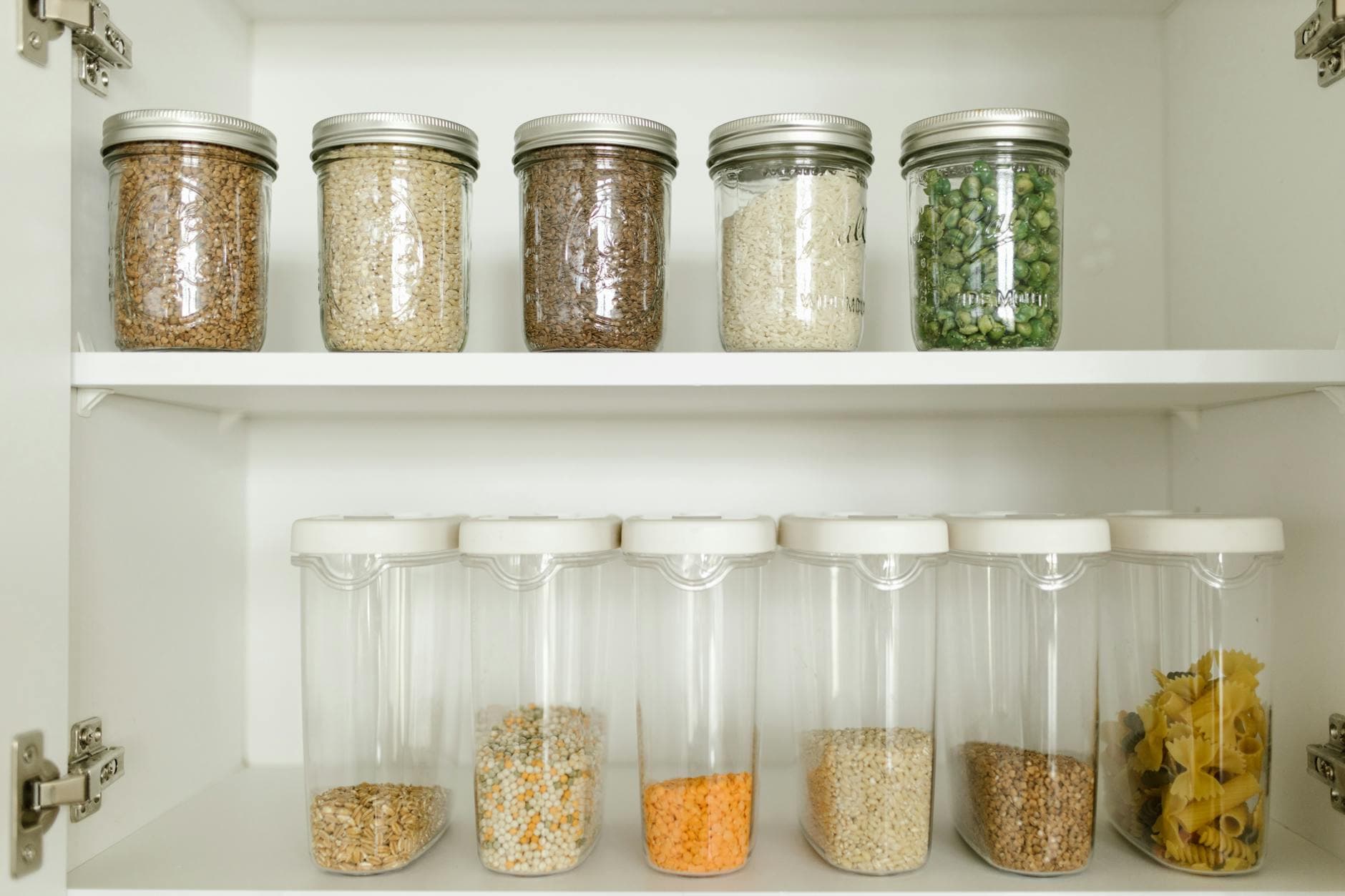
A bill working its way through the Wisconsin Legislature has food pantries across the Northwoods bracing for impact. The measure would ban SNAP recipients from buying soda and candy with their benefits — a change that sounds simple on paper but could ripple through communities like Rhinelander in ways lawmakers might not expect.
Courtney Smith knows what’s coming. As Director of the Rhinelander Area Food Pantry, she’s watched the numbers climb every time SNAP gets harder to access.
“We know when SNAP is working and doing its job correctly, we see less people at the food pantry,” Smith says. During the pandemic, when emergency SNAP benefits made food more accessible, her pantry served around 500 households. Today? Over 1,000.
The Wisconsin Assembly passed the measure 70-23 in late February, with bipartisan support that surprised some observers. If it clears the Senate and gets the governor’s signature, the state would seek federal approval to restrict SNAP purchases of soft drinks and candy.
We’re talking soda, energy drinks, sports drinks, chocolate bars, gummies, hard candies — the usual suspects. Baked goods like cakes and cookies? Those stay on the table.
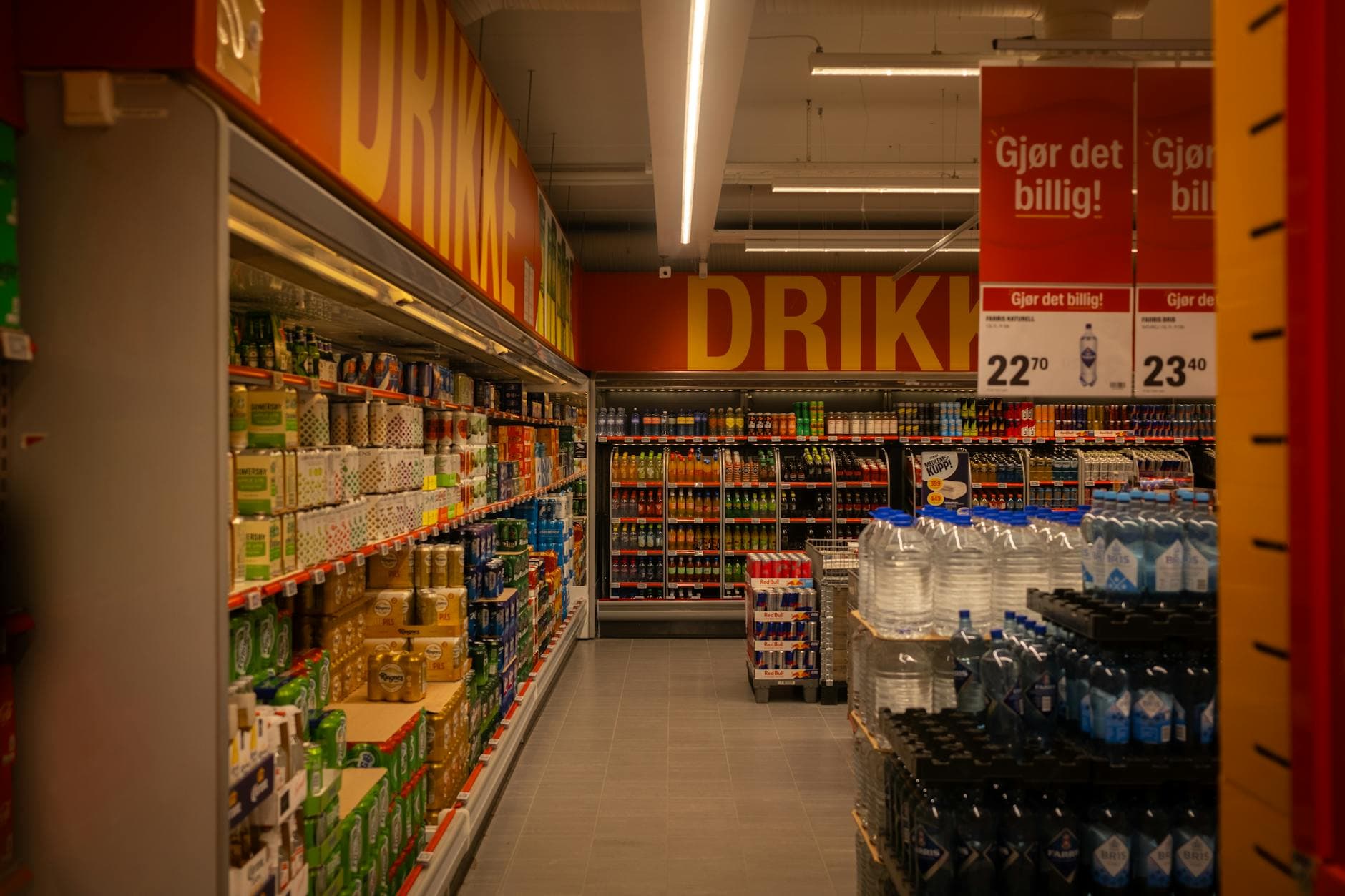
Representative Clint Moses argues taxpayers shouldn’t foot the bill for unhealthy eating habits. Wisconsin’s obesity rates, especially among SNAP users, drive much of the support. Thirteen other states already secured similar waivers from the USDA, including Arkansas and Indiana.
The bill includes $3 million to help retailers update their scanning systems. Someone’s gotta program those registers to reject Mountain Dew at checkout.
Here’s the thing about SNAP in rural Wisconsin — it’s already a process. Applications take time. Documentation requirements pile up. For families juggling seasonal tourism jobs or long commutes to work, adding another layer of restrictions might tip the scales.
“It’s a process to sign up and receive those benefits anyway,” Smith points out. “Adding more restrictions to that may make it easier for people to say ‘I don’t really need to do that.'”
Food pantries, by contrast, have simpler entry points. The Rhinelander Area Food Pantry runs on a choice-based model — customers pick what they need, no judgment, minimal paperwork. When SNAP feels like jumping through hoops, that becomes pretty appealing.

“We really believe in autonomy for our customers to choose the food items they want and need. We see that as a way to help reduce barriers to access.” — Courtney Smith, Rhinelander Area Food Pantry
Smith’s concern isn’t theoretical. She’s lived through the numbers. When SNAP benefits expanded during COVID, pantry traffic dropped. When eligibility tightened again, it more than doubled.
If this bill pushes even a fraction of SNAP users away from the program, food pantries absorb that demand. But pantries run on donations, volunteers, and shoestring budgets. They weren’t built to replace federal nutrition assistance.
In the Northwoods, where grocery stores can be twenty miles apart and food insecurity hits rural households hard, these shifts matter. Families already stretching dollars face tough choices:
None of those options make life easier for someone already struggling to put dinner on the table.
Smith and other advocates aren’t against encouraging better nutrition. They just think there’s a smarter way to do it.
“What we would rather see, from our perspective, is incentive for folks to actually make healthy purchases,” Smith explains. Think double dollars for fresh vegetables. Extra credits for milk products. Rewards instead of restrictions.
Some states already experiment with these incentive programs. Massachusetts, for example, runs a Healthy Incentives Program that gives SNAP users extra money when they buy fruits and vegetables at farmers markets. People respond better to carrots than sticks, as it turns out.
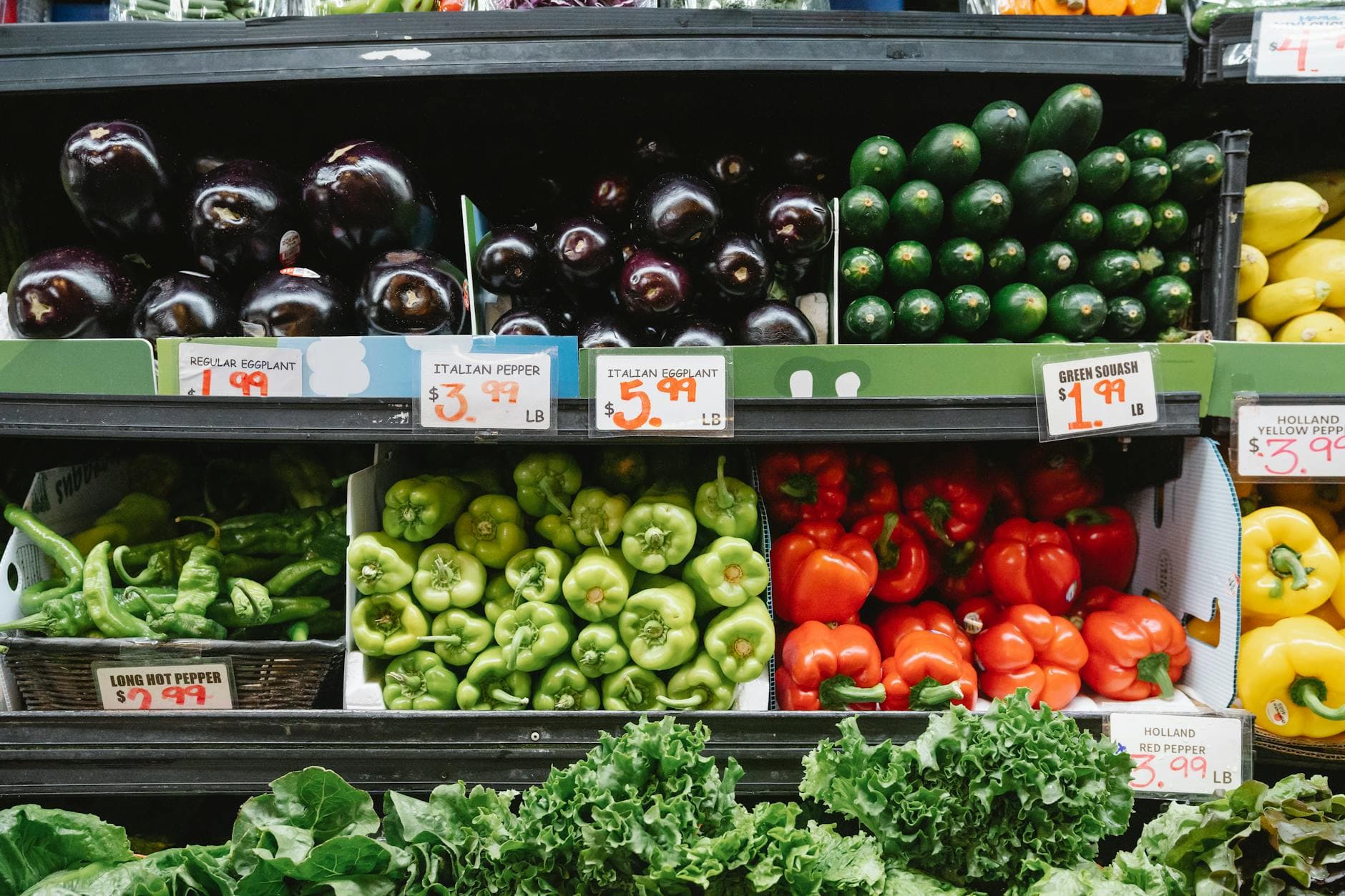
The bill’s supporters cite legitimate concerns about obesity and diet-related health costs. But in practice, banning candy and soda might just shift where people shop or whether they participate in SNAP at all. It doesn’t necessarily change what ends up in the cart.
The bill now heads to the Wisconsin Senate, where it’s expected to move relatively quickly based on earlier momentum. If passed, it still needs the governor’s signature and USDA approval before taking effect.
That federal waiver process can take months. Even if everything aligns, implementation won’t happen overnight. Retailers need time to update systems. The state needs to communicate changes to roughly 800,000 Wisconsin SNAP recipients.
For Northwoods food pantries, though, the planning starts now. Smith and her team know increased demand is likely coming. They’re already thinking about storage capacity, volunteer schedules, and whether current donations can stretch to cover more families.
The goal, she says, should always be making food access easier — not harder. Whether this bill achieves that depends largely on how you measure success. Lower candy purchases? Maybe. Healthier communities? That remains to be seen.
For now, families across Vilas, Oneida, and Lincoln counties wait to see what these changes mean for their grocery budgets, their pantry trips, and the daily challenge of keeping everyone fed.
Written by

Mike has been coming up or living in the Northwoods since his childhood. He is also an avid outdoorsman, writer and supper club aficionado.
 News
NewsA Milwaukee nonprofit’s fellowship program brings creative community and belonging to neurodivergent young adults in Tomahawk, meeting twice monthly at the public library to build connections through art.
 News
NewsA 16-year-old Crandon entrepreneur is running Ravens Mobile Café while juggling school, proving that Northwoods grit starts young. His next move? A food truck for summer.
 News
NewsSkaar Family Farm transforms a former Gleason restaurant into a 1,600-square-foot market and coffee house, creating a community hub that bets on growth in a town facing population decline.
 News
NewsA 16-year-old Crandon entrepreneur balances high school with running Ravens Mobile Café, proving that Northwoods youth entrepreneurship is alive and brewing strong — with a food truck expansion on the horizon.