

What is new for Northwoods Drifter in 2026
Vice President JD Vance rolled into Plover this week, turning a precision machining facility into campaign central ahead of November’s midterm elections. The visit to Pointe Precision wasn’t just about celebrating Wisconsin’s manufacturing heritage — it was a full-throated pitch for Republican candidates and a warning against returning congressional control to Democrats.
While supporters braved freezing temps outside, protesters gathered to voice concerns about everything from deportation policies to economic uncertainty. The scene captured the partisan tensions rippling through central Wisconsin, a region where manufacturing jobs still anchor communities and political stakes run high.
For those of us watching from the Northwoods, the event highlighted how manufacturing remains central to Wisconsin’s identity — even as the industry faces headwinds and political spin from both sides.
Pointe Precision sits in Plover’s industrial park along Highway 51, about 90 minutes south of the heart of the Northwoods. Founded back in 1995 after a major plant closure in nearby Stevens Point, the company started with 94 employees and a mission to keep precision manufacturing talent local.
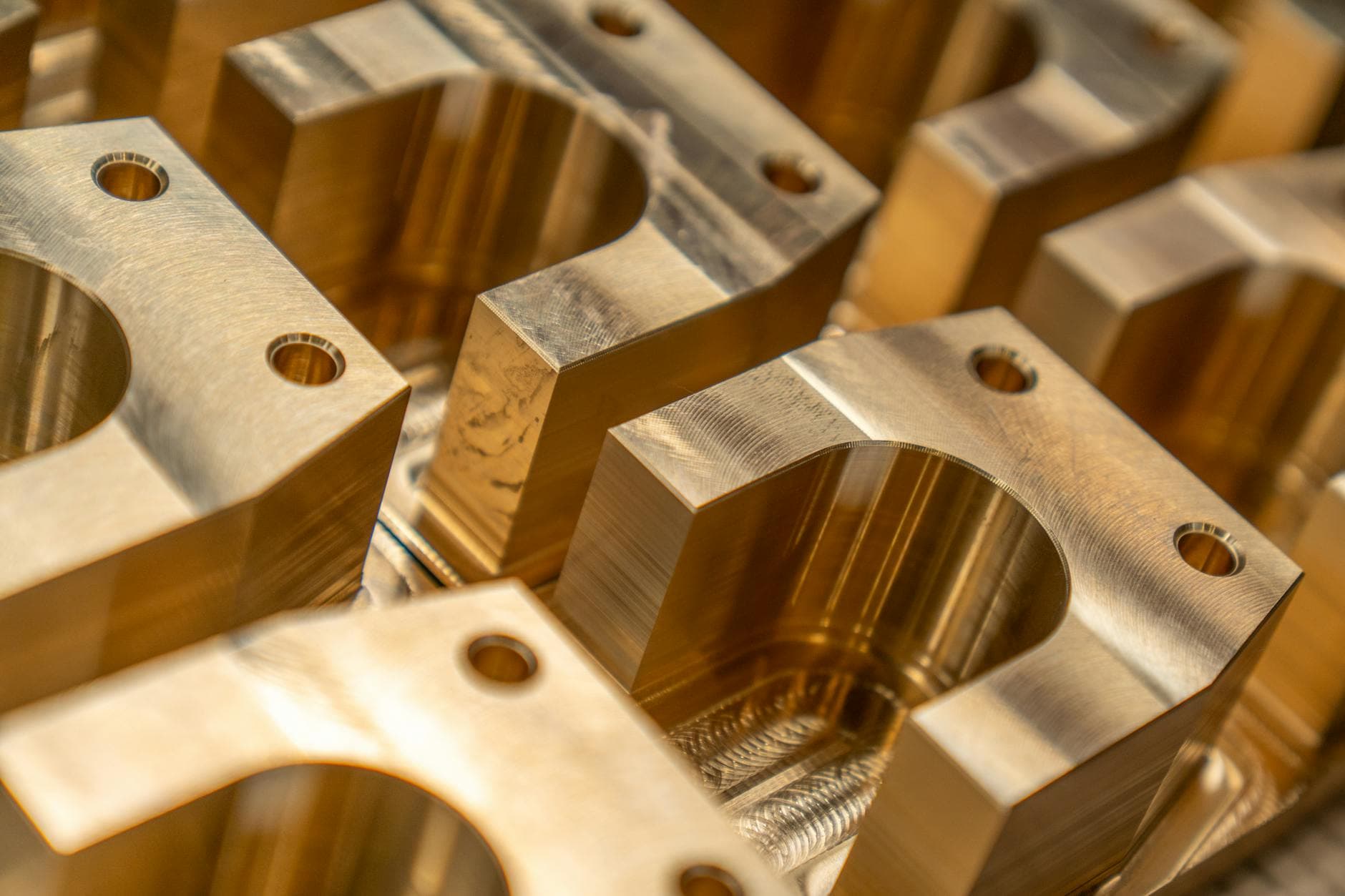
Today, the facility spans 108,000 square feet and cranks out high-precision components for aerospace, medical devices, and industrial equipment. We’re talking aircraft fuel nozzles and life-critical medical parts — the kind of work that demands CNC machining capabilities measured in microns, not inches.
The company’s growth mirrors the resilience of central Wisconsin’s manufacturing sector. From 60,000 square feet in 2004 to multiple expansions through 2022, Pointe Precision proves that American manufacturing can still thrive when companies invest in skilled workers and advanced technology.
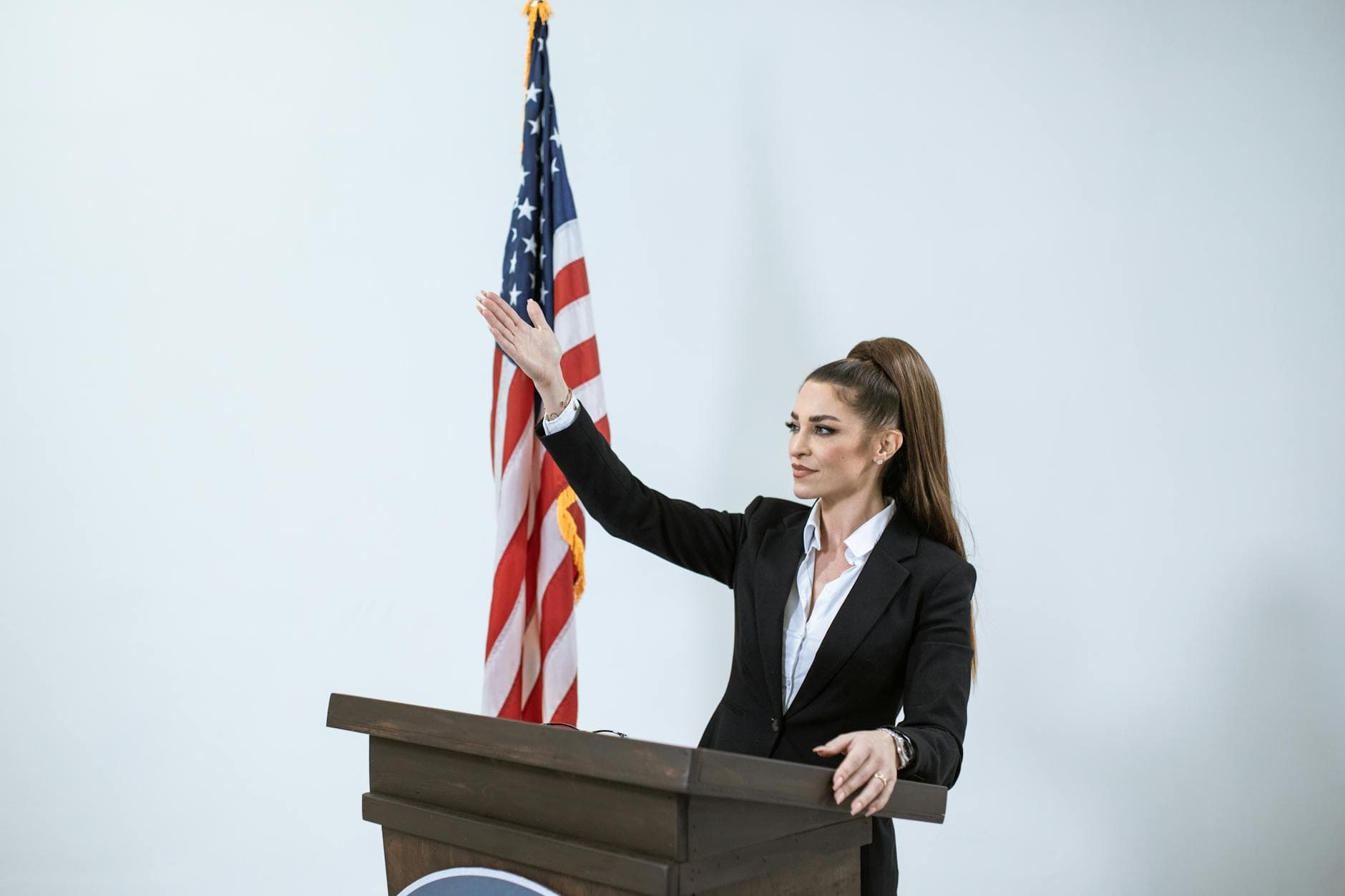
Vance used the factory floor as backdrop to hammer home the administration’s domestic manufacturing goals. He urged the crowd to support Rep. Derrick Van Orden’s reelection bid and Tom Tiffany’s gubernatorial run, crediting Van Orden with tax policies like eliminating taxes on tips, overtime, and Social Security.
“No taxes on tips, that happened because of Derrick,” Vance told supporters, drawing connections to President Trump’s recent State of the Union address. The message was clear: keep Republicans in power to protect manufacturing jobs and middle-class workers.
Tom Tiffany leaned into Wisconsin’s identity as a state that grows and makes things. “We grow it in agriculture, our forestry or manufacturing,” he said. “We grow things and we make things in Wisconsin.”
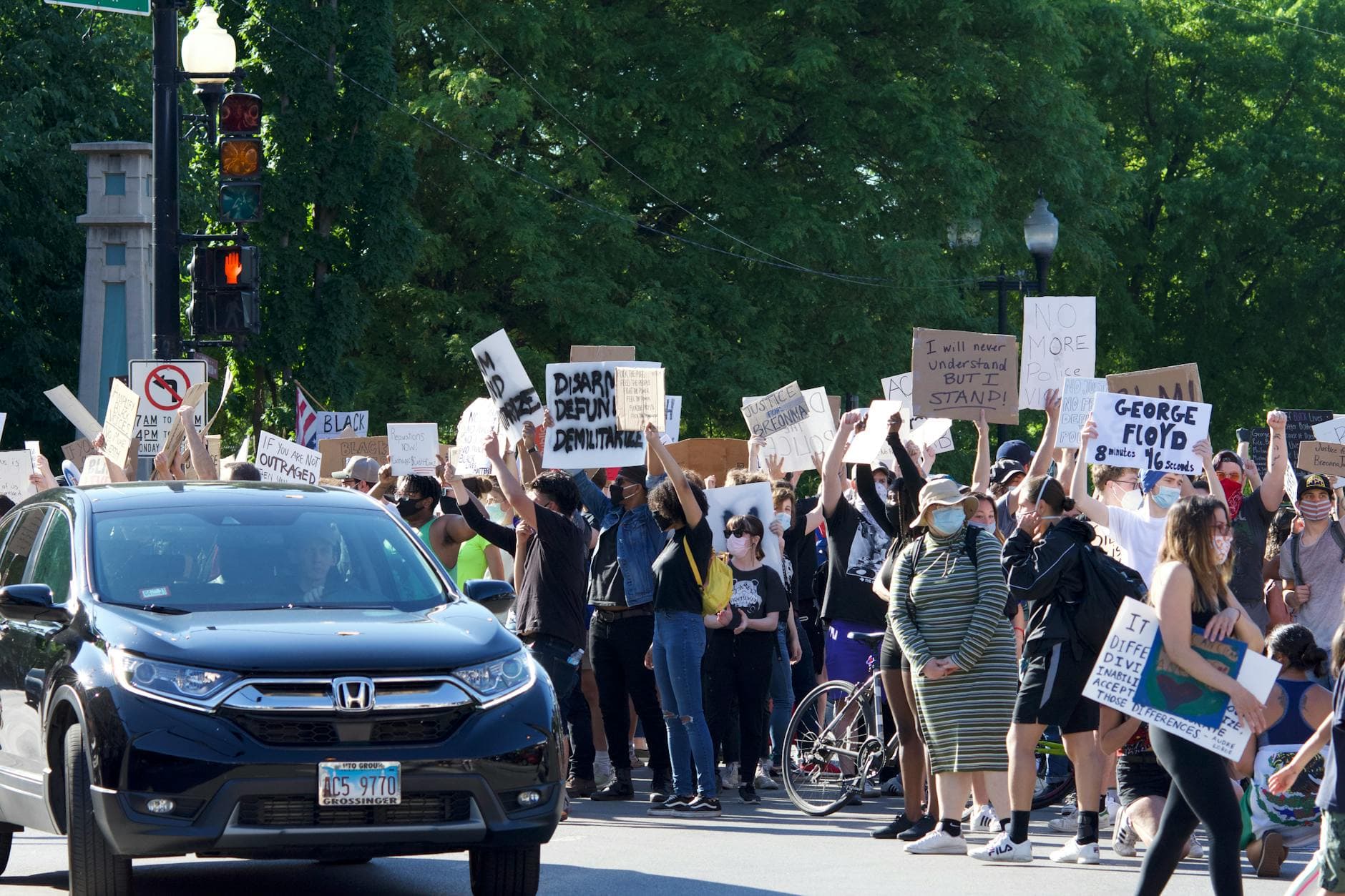
Outside the event, a different narrative unfolded. Lyn Ciurro, one of the protest organizers, argued that opposition to the administration’s policies wasn’t just partisan politics — it was about protecting working-class Wisconsinites.
“The bottom line here of what we’re trying to organize for is for everybody in central Wisconsin. This isn’t a liberal or a conservative thing. This is a class thing, a working-class thing.”
Protesters cited concerns about deportation efforts that resulted in American citizen deaths earlier this year and questioned whether the administration’s economic policies truly benefit workers. The BlueGreen Alliance called the event misleading, pointing to manufacturing job losses exceeding 100,000 nationally during the administration’s first year.
The economic debate highlights a tension familiar to anyone in Wisconsin: both parties claim to champion workers, but the data gets messy fast. Manufacturing remains vital to our state’s GDP — contributing over 20% according to state economic reports — yet national trends show vulnerability.
While Plover sits south of traditional Northwoods territory in Portage County, the region’s manufacturing health matters to communities up north. Many Northwoods families have ties to central Wisconsin’s industrial hubs, and the economic stability of places like Pointe Precision affects the broader region.
Here’s what connects to our corner of the state:
The November elections will determine which vision for Wisconsin’s economy prevails. Polling shows Democrat Rebecca Cooke ahead of Van Orden in Wisconsin’s 3rd District, making this one of the state’s most-watched races.
Vance’s visit underscores how manufacturing remains a political football, with both parties claiming ownership of worker interests. The reality is more complicated than campaign slogans suggest.
Pointe Precision’s 29-year track record shows that companies investing in advanced capabilities — multi-axis CNC turning, EDM, climate-controlled inspection labs — can compete globally. But individual success stories don’t erase broader concerns about job losses and economic uncertainty affecting working families.
As November approaches, Wisconsin voters will weigh competing narratives about who best protects manufacturing jobs and middle-class prosperity. For Northwoods residents, the outcome will ripple through policies affecting everything from trade to taxes to environmental protections.
One thing’s certain: whether you stood in the cold to cheer Vance or protest his visit, manufacturing’s role in Wisconsin’s identity isn’t going anywhere. The question is what comes next for workers, communities, and the industries that still define us.
Written by

Mike has been coming up or living in the Northwoods since his childhood. He is also an avid outdoorsman, writer and supper club aficionado.
 News
NewsSecond-generation Holocaust survivors brought powerful family stories to Wausau high school students, connecting historical tragedy to present-day courage and resilience.
 News
NewsTeressa Gray honors her father’s 1940s boxing legacy with Corvino’s Boxing Club in Eagle River, teaching strength and resilience to over 50 members — mostly women — in Wisconsin’s Northwoods.
 News
NewsFrank Coffen and Sylvia Knust are opening Island City Acoustics in Minocqua this March—a beginner-friendly music shop featuring acoustic instruments, open mics, and jam sessions where everyone’s welcome, even if you’ve never picked up a guitar.
 News
NewsJanuary 2026 housing data shows Northwoods home prices jumped to $375,000 median while listings dropped 11%, creating challenges for first-time buyers and local workers.