

What is new for Northwoods Drifter in 2026
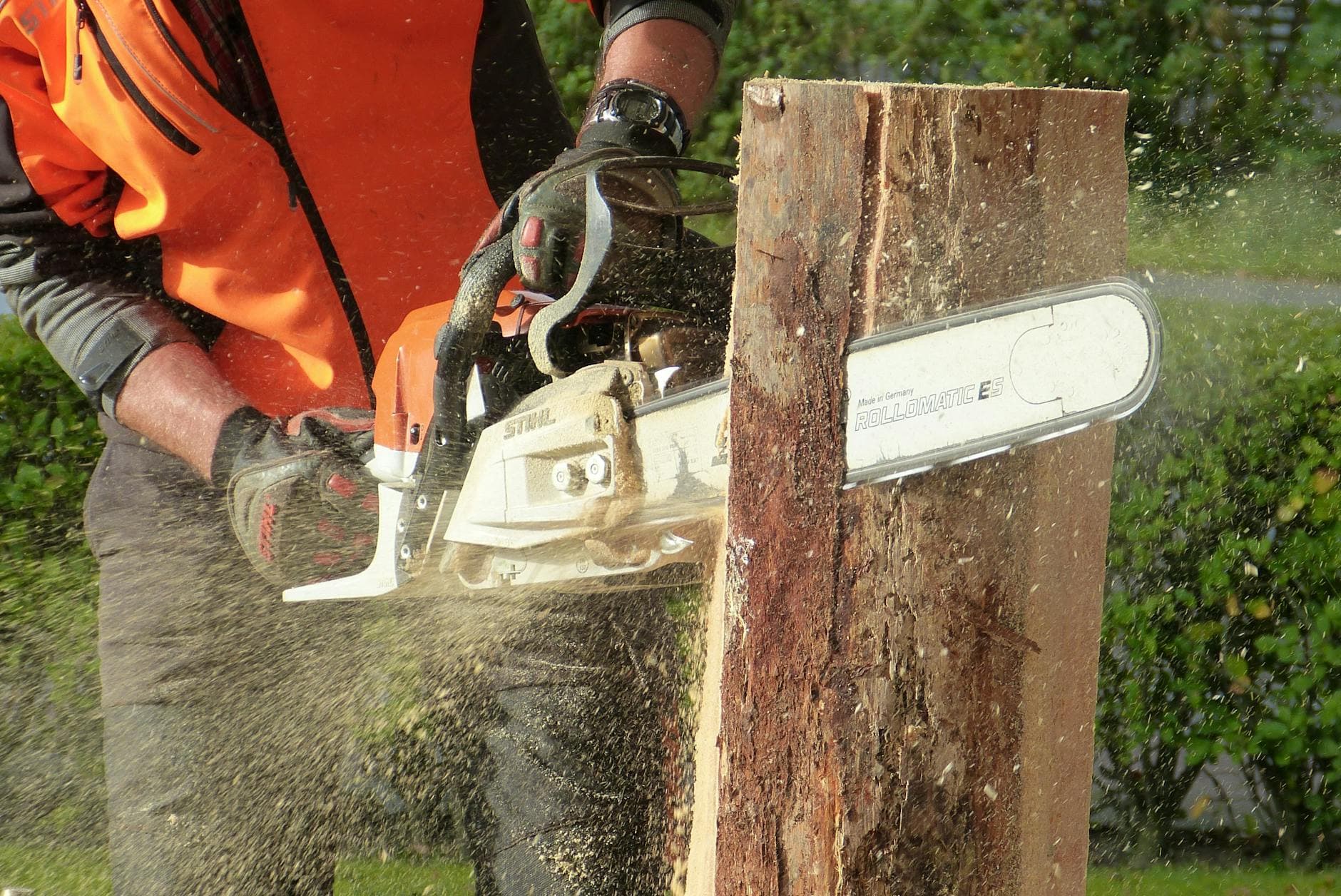
Larry Rappley doesn’t move as fast as he used to. At 93, his joints protest a bit more each morning. He’s legally blind now, too.
But that hasn’t stopped him from firing up his tractor, splitting cords of firewood, and maintaining his roadside stand just outside Rhinelander.
For most folks, reaching your 90s is remarkable enough. Rappley has spent nearly a century in the Northwoods woods, and he’s showing no signs of slowing down.
“All my life I’ve been working in the woods,” Rappley says simply. “I love logging and stuff like that.”
It’s that straightforward passion that keeps him on the trails of Oneida County. While commercial logging operations have shifted toward heavy mechanization and younger crews, Rappley sticks to what he knows.
His approach isn’t about maximizing board feet or competing with timber companies. He’s focused on salvage work—cleaning up downed trees, twisted branches, and storm-damaged wood that might otherwise rot where it falls.
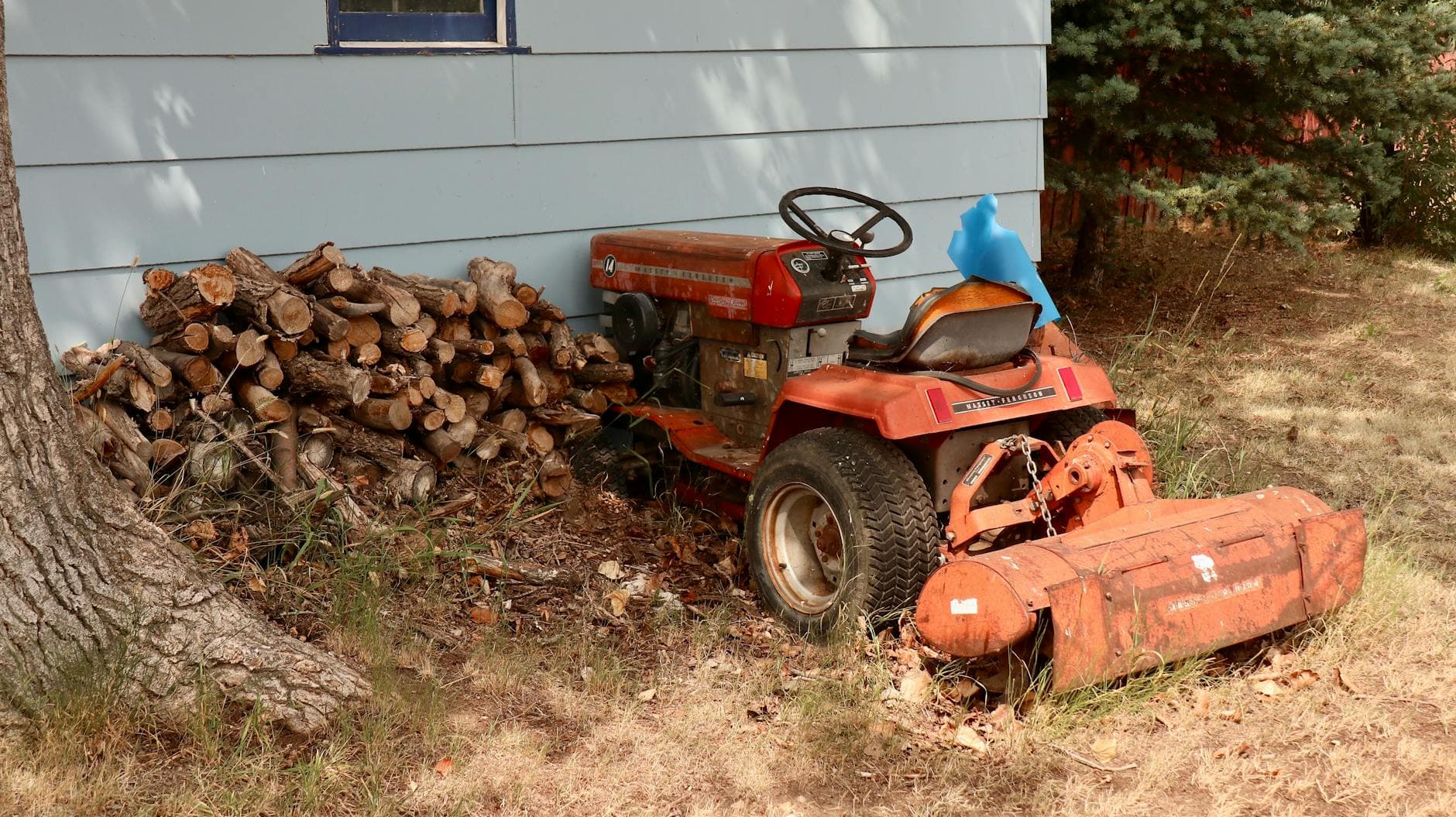
“I’m more interested in taking and cleaning the wood up rather than see it go to waste,” he explains.
That philosophy aligns perfectly with Wisconsin DNR sustainable forestry practices, which emphasize salvage harvesting to reduce wildfire fuel and manage invasive species damage. In a region still recovering from emerald ash borer outbreaks, every cleared deadfall helps.
Drive past Rappley’s stand and you’ll see the sign: “Ugly Sticks make pretty fires.”
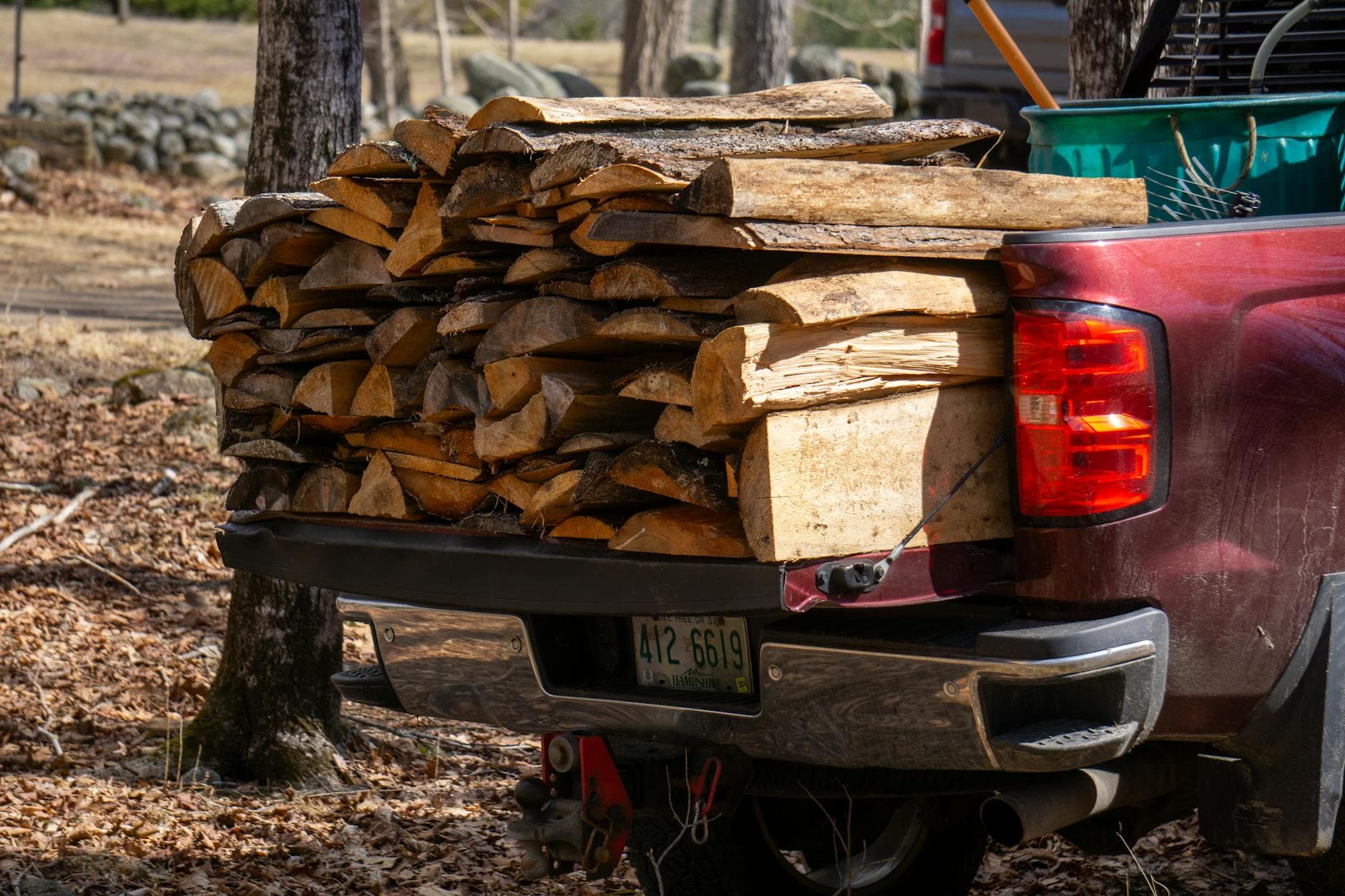
The gnarled birch, twisted oak, and knotted aspen stacked in cords might not win beauty contests. But they burn just fine, providing affordable heat for neighbors during Northwoods winters that regularly dip to ten below zero.
What makes his stand special isn’t just the firewood. Peanut butter jars sit beside the woodpiles, hand-labeled for donations.
Those humble jars have collected more than a thousand dollars—every penny going to the Northwoods Veterans Homestead, a nonprofit helping homeless veterans in the region.
Rappley is a veteran himself, so supporting fellow servicemembers comes naturally.
“I was glad to be able to be part of it, it’s a big project,” he says of the Veterans Homestead work.
The organization serves over 50 veterans annually across Oneida and Vilas Counties, addressing a veteran homelessness rate that hovers around 15% regionally. With state grants expanding housing services in 2025, every donation from those roadside peanut butter jars matters.
“My grandpa’s always been that perfect example. The way he takes care of the land, the way he takes care of his family, the way that he helps other people. He’s selfless.”
That’s Shauna Johnson talking about her grandfather. She says his example has shaped their entire family’s values—the kind of generational influence you can’t put a price on.
“I can only hope to fill about a fraction of my grandpa’s boots with my little feet,” Johnson adds.
Rappley’s dedication echoes a tradition stretching back generations in the Northwoods.
Rhinelander emerged as a lumber mill town during the 19th-century white pine boom. Those virgin forests were clear-cut by the 1890s, transforming the landscape and the economy in equal measure.
What grew back became second-growth forests—the mixed hardwoods and conifers that now define the region. Modern logging shifted from extraction to stewardship, with operations like the nearby Menominee Indian Reservation demonstrating that you can harvest timber sustainably for over 170 years without depleting the resource.
Small-scale operators like Rappley represent another evolution. They’re not running industrial operations, but they’re keeping woods healthy, providing local resources, and maintaining skills that newer generations often skip in favor of office work.
The Rhinelander Logging Museum preserves that heritage with steam donkey engines and historical equipment. Yet the living history walks the trails every day Rappley climbs onto his tractor.
“That’s what it’s about, you get some aches and pains but you recoup,” Rappley says with the matter-of-fact wisdom of someone who’s seen nine decades.
His story resonates because it embodies values the Northwoods holds dear: self-reliance, community support, and respect for the land.
In a region where neighbors still help neighbors and where connection to the outdoors isn’t a hobby but a way of life, Rappley’s example hits home.
Whether he’s splitting wood, stacking cords, or emptying those peanut butter jar donations for veterans, he’s demonstrating that age doesn’t have to mean stepping aside. Not when there’s work to be done and woods to care for.
As another winter approaches and firewood demand climbs, those ugly sticks will keep making pretty fires in homes across Oneida County. And Larry Rappley will keep doing what he’s always done—working the woods he loves, one cord at a time.
Written by

Mike has been coming up or living in the Northwoods since his childhood. He is also an avid outdoorsman, writer and supper club aficionado.
 News
NewsAspirus Wausau Hospital breaks ground on a $227 million expansion adding 48 beds, enhanced cardiac care, and advanced cancer treatment — the largest healthcare investment in Northwoods history.
 News
NewsWhen Tomahawk’s Todd Nicklaus honored his late father at the Lincoln Memorial, he completed an Honor Flight journey that never was — and reminded the Northwoods why these missions matter.
 News
NewsAfter a late April tornado damaged Riverside Elementary in Ringle, this Northwoods community rallied to reopen school in just eight days — a story of quick repairs, neighbor helping neighbor, and 460 students back where they belong.
 News
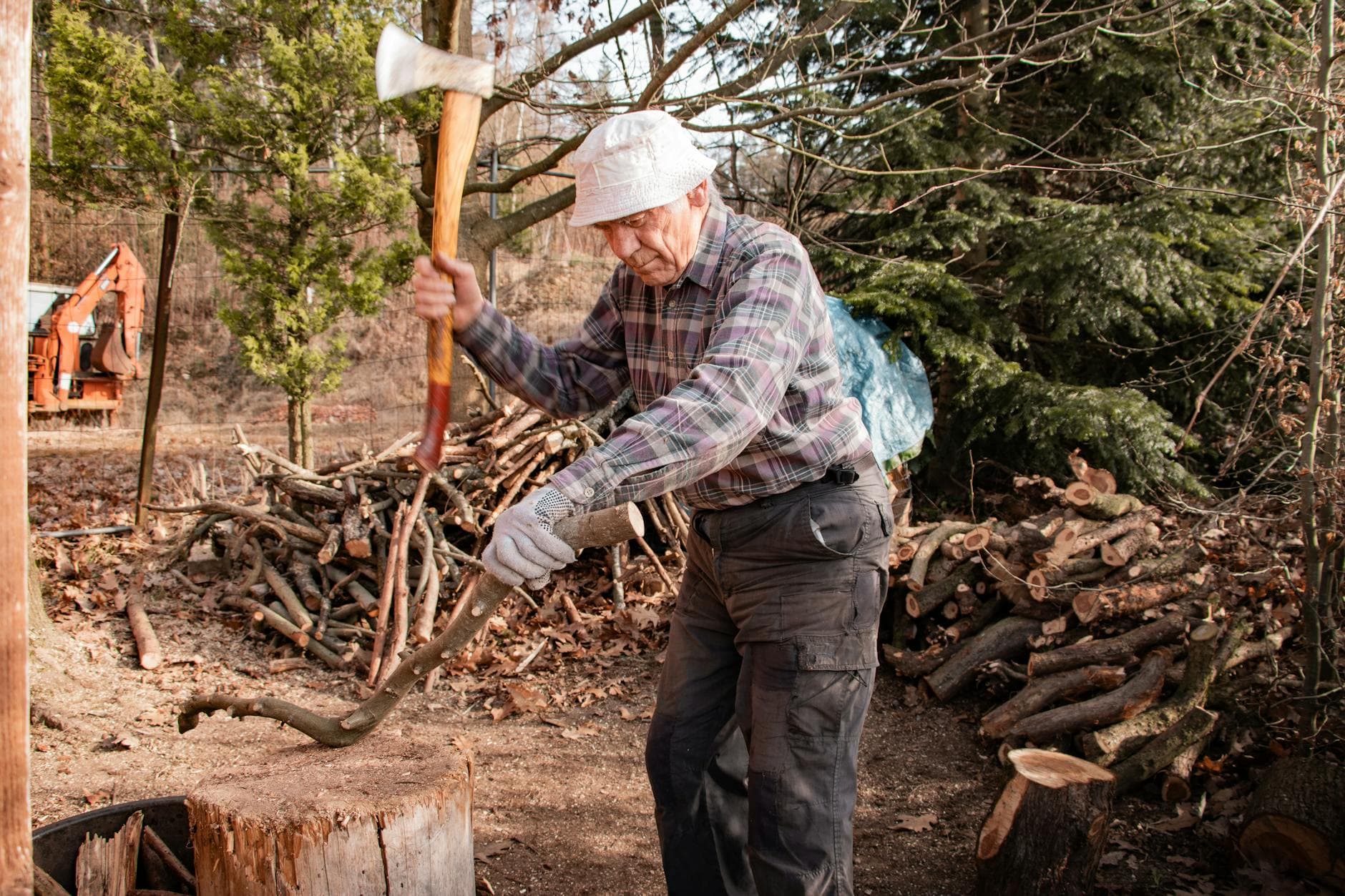
NewsAt 93 and legally blind, Rhinelander’s Larry Rappley still runs his tractor, splits firewood, and donates proceeds to homeless veterans — embodying the Northwoods spirit of resilience and community service.